
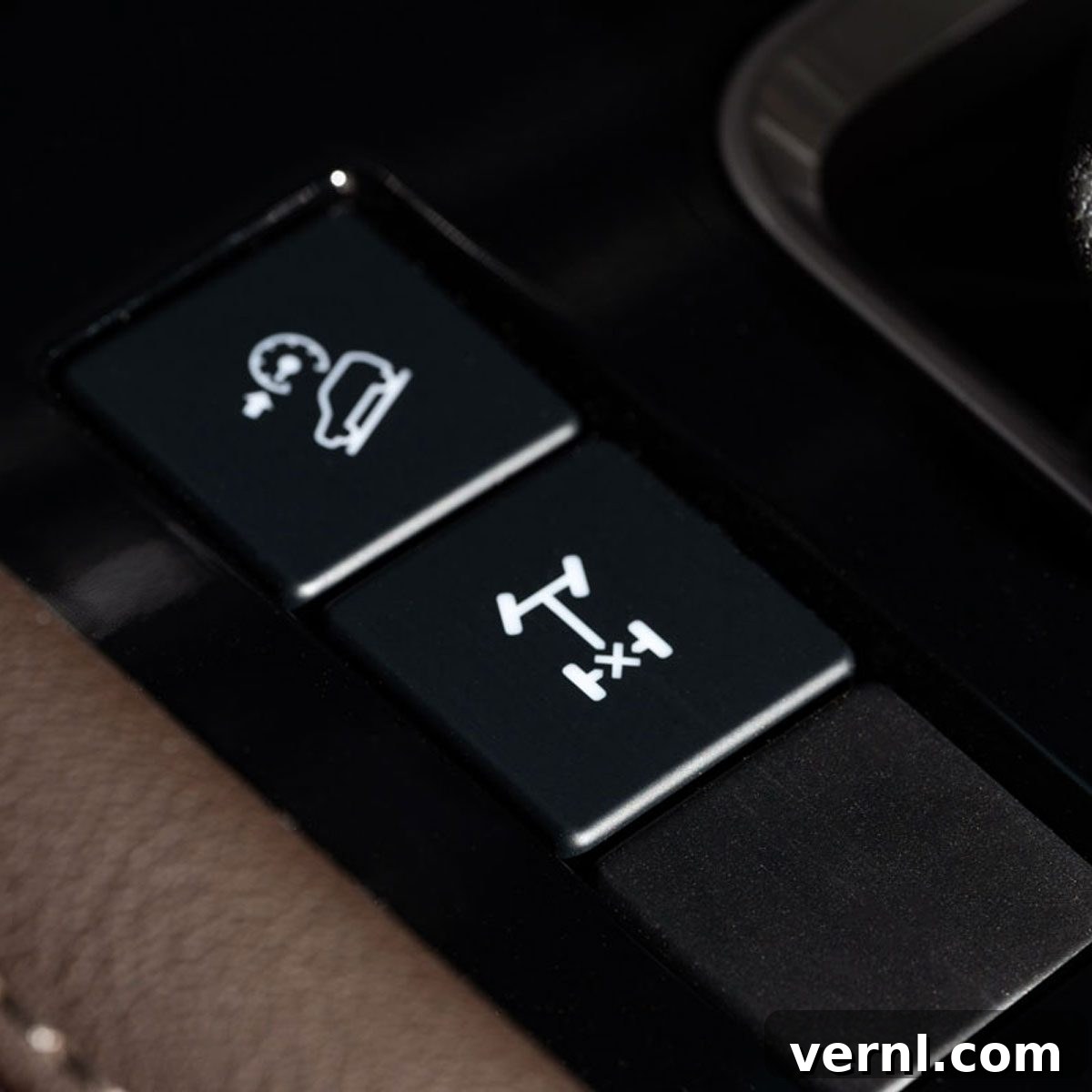
For any serious car enthusiast, particularly those drawn to the rugged appeal of four-wheel drive (4WD) or all-wheel drive (AWD) vehicles, the term “locking differentials” might already be a familiar part of their vocabulary. However, for many, the true function and undeniable importance of these mechanical marvels remain shrouded in mystery until the moment they truly need them. Perhaps it’s during a memorable off-roading excursion, or when facing challenging terrain that pushes a vehicle to its limits. Until you grasp the mechanics, understand their purpose, and know precisely when and why to engage them, that dedicated button on your dashboard might just remain untouched, an untapped potential for adventure and resilience.
In most conventional 4WD or AWD vehicles, power is typically distributed to each wheel independently. This innovative design allows wheels to rotate at different speeds, a crucial feature for everyday driving, especially when navigating turns. During a corner, the outer wheels travel a greater distance than the inner wheels, necessitating varying rotational speeds for smooth and controlled movement. Under normal conditions, this differential action is incredibly beneficial, enhancing vehicle stability and handling. However, there are specific, demanding scenarios where this standard operation becomes a significant hindrance, potentially leaving you stranded.
This is precisely where locking differentials transform from an obscure feature into an absolute game-changer. When confronted with uneven, slippery, or otherwise difficult terrain, these mechanisms are nothing short of a lifesaver. They are the critical difference between triumphantly sharing an exciting tale of overcoming obstacles and sheepishly making that dreaded call for a vehicle recovery. Understanding and utilizing locking differentials can elevate your off-road experience from frustrating and risky to empowering and exhilarating.
What Exactly Are Locking Differentials? Unlocking Their Power
To grasp the essence of locking differentials, it’s helpful to first understand the standard “open differential” found in most vehicles. An open differential’s primary function is to allow wheels on the same axle to rotate at different speeds, as explained earlier. While excellent for cornering, its major drawback surfaces on low-traction surfaces. When one wheel loses traction – say, it’s on ice, mud, or lifted off the ground – an open differential will send almost all the engine’s power to that spinning wheel, because it offers the least resistance. The wheel with good traction, desperately needing power, receives none, leaving the vehicle stuck.
The “complicated” explanation for locking differentials is that they fundamentally alter the torque distribution to your wheels, specifically designed to prevent this useless spinning when a vehicle encounters a loss of traction. As articulated by automotive experts like Chevrolet, engaging a locking differential essentially “lets you lock wheels [on the same axle] together on their axle, forcing them to turn at the same rate.”
In simpler terms, a locking differential ensures that both wheels on an axle receive equal power, irrespective of which wheel has more traction. When activated, it mechanically couples the two half-shafts, compelling both wheels on that axle to rotate at precisely the same speed. This direct, uncompromising power delivery means that even if one wheel is completely airborne or spinning helplessly in mud, the other wheel, if it has any grip at all, will continue to receive power and propel the vehicle forward. This mechanism is crucial for avoiding getting stuck in treacherous conditions, as it maximizes the usable traction available to your vehicle.
Types of Locking Differentials
While the fundamental principle remains the same, locking differentials come in various forms, each with its own characteristics and applications:
- Selectable Lockers: These are manually controlled by the driver, usually via a dashboard button or switch. They offer the most control, allowing the driver to engage or disengage the lock as needed. This type is popular in dedicated off-road vehicles like Jeeps and many aftermarket setups.
- Automatic Lockers: As the name suggests, these engage automatically when a significant difference in wheel speed or traction loss is detected. They are simpler to use as they require no driver input, but can sometimes exhibit less predictable handling characteristics on certain surfaces.
- Limited-Slip Differentials (LSDs): While not full “lockers,” LSDs are worth mentioning as they bridge the gap between open differentials and full lockers. They allow for some differential action but transfer a portion of the power to the wheel with more traction when slippage occurs, preventing one wheel from spinning freely. They offer improved traction over open differentials without the harshness of a full locker, making them common in performance cars and some AWD SUVs.
- Electronic Lockers: These are often integrated into modern vehicle traction control and stability systems. They use sensors to detect wheel slip and then employ electronic actuators or even brake application to simulate a locking effect, sending power to the wheel with traction.
Why Would You Absolutely Need Locking Differentials? Beyond City Limits
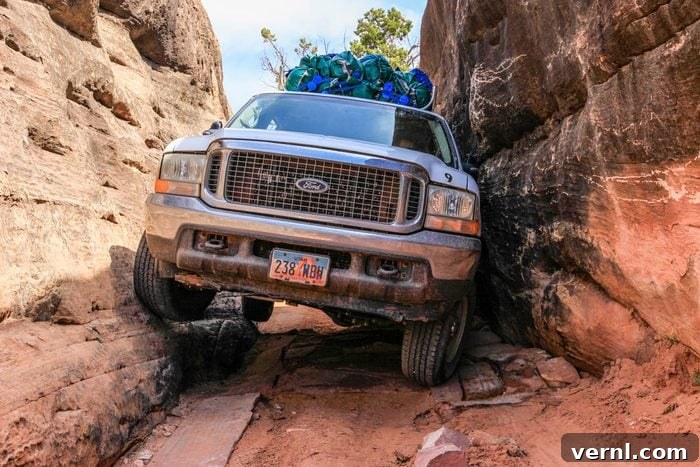
Everyday city driving, with its smooth asphalt and well-maintained roads, rarely demands anything beyond standard vehicle features. However, the true spirit of adventure often calls us away from the familiar, onto paths less traveled. It’s when you venture onto unpaved tracks, through muddy trails, over rocky terrain, or into snowy landscapes that the need for locking differentials becomes profoundly clear. This is precisely the domain where these systems truly shine. Engaging them allows your vehicle to adapt and compensate in challenging situations where one or more of your wheels experiences a significant loss of traction.
Real-World Scenarios Where Lockers Save the Day:
- Muddy Trails: Picture this: one wheel sinks into a deep, gooey mud pit, losing all grip, while the opposing wheel still has some purchase. With an open differential, the muddy wheel would spin helplessly, digging you deeper. A locker ensures the wheel with traction continues to pull, powering you through.
- Slippery Snow and Ice: Similar to mud, these low-friction surfaces can render an open differential useless. If one tire hits an icy patch, power is lost. Locking differentials distribute power evenly, allowing the other wheels to maintain momentum and control.
- Deep Sand or Loose Gravel: These terrains can cause tires to dig in and lose forward momentum. Lockers provide the consistent, brute force needed to maintain traction and prevent your vehicle from burying itself.
- Rock Crawling and Uneven Terrain: When navigating highly articulated obstacles, it’s common for one or more wheels to lift completely off the ground. In such scenarios, an open differential would simply send all power to the airborne wheel. A locking differential keeps power flowing to the wheels still on the ground, enabling continuous forward progress over challenging obstacles.
- Crossing Ditches or Ruts: If one side of your vehicle drops into a rut, reducing traction on those wheels, a locker will ensure that the wheels on higher ground, with better grip, can pull the vehicle out.
Beyond simply getting unstuck, locking differentials offer several critical advantages:
- Enhanced Traction: This is their primary function, maximizing the grip available to your vehicle in adverse conditions.
- Improved Control: By preventing individual wheels from spinning excessively, lockers help maintain vehicle stability and steerability in slippery conditions.
- Increased Safety: Avoiding situations where you lose control or become stranded in remote areas significantly enhances safety for you and your passengers.
- Reduced Vehicle Recovery Risk: Less chance of needing a tow, which can be costly and inconvenient, especially in difficult-to-reach locations.
- Confidence and Capability: Knowing your vehicle is equipped with and you understand how to use locking differentials instills greater confidence to tackle more challenging adventures.
How Do You Engage This Essential Feature? Your Vehicle’s Controls
The method for activating locking differentials can vary significantly depending on your vehicle’s make, model, and intended use. It’s not a one-size-fits-all solution, but generally, vehicles designed specifically for demanding off-road excursions will feature dedicated and easily accessible controls.
Common Engagement Methods:
- Physical Buttons or Switches: Many serious off-road vehicles, such as certain Jeep Wrangler models, Land Rovers, Toyota Land Cruisers, and specialized platforms like the Ineos Grenadier, feature prominent physical buttons on the dashboard or center console specifically labeled “Differential Lock” or with a clear differential icon. These are typically toggle switches that allow the driver to manually engage or disengage the front, rear, or sometimes even a center differential lock. This manual control gives the driver precise command over when and where power is distributed.
- Integrated Drive Modes: In many modern SUVs and AWD vehicles, particularly those not exclusively designed for extreme off-roading but still offering robust capabilities, locking differentials might be integrated into specialized drive modes. For instance, in vehicles like my Subaru (which might be a step down from dedicated overlanding rigs but still highly capable), engaging a “X-Mode,” “Sport Mode,” “Sand Mode,” or “Snow Mode” might automatically activate the locking differential functionality, alongside other systems designed to optimize traction, throttle response, and transmission gearing for uneven or low-traction terrain. This approach simplifies the process for the driver, allowing the vehicle’s computer to manage complex systems simultaneously.
- Aftermarket Systems: For vehicles that don’t come equipped with factory lockers, a vast aftermarket exists offering air-actuated (e.g., ARB Air Lockers) or electric lockers. These typically involve installing new differential internals and adding a compressor/switch (for air) or wiring a control switch (for electric) to the dashboard.
Crucial Considerations for Engagement:
Regardless of your vehicle’s specific controls, it is paramount to consult your car’s driver manual. This invaluable resource will provide exact instructions on where the locking differential control is located, how to properly engage and disengage it, and, most importantly, the specific conditions under which it should be used.
A critical warning: Locking differentials are designed for low-speed, low-traction conditions only. Engaging them on high-traction surfaces, especially while turning, can cause significant damage to your vehicle’s drivetrain components (axles, universal joints, differential itself) and can severely impact steering control, potentially leading to dangerous situations. The vehicle’s wheels are forced to turn at the same rate, which conflicts with their natural need to turn at different speeds during a corner. Always disengage lockers when returning to paved roads or high-traction surfaces.
Mastering the use of locking differentials not only safeguards your vehicle but also unlocks a new level of confidence and capability for your off-road adventures. They are an indispensable tool for anyone serious about exploring beyond the blacktop.
Sources
How to Use Locking Differentials, Chevrolet.