
Springtime in Texas, like many regions across the globe, often heralds the arrival of powerful thunderstorms. This year has been particularly active, underscoring a vital lesson for homeowners everywhere: the unpredictable nature of power outages. Whether it’s the intense storms in the South, hurricanes lashing coastal regions, wildfires sweeping through dry landscapes, or even just aging infrastructure, losing power is no longer a rare inconvenience but a growing concern for many households.
Having a reliable backup power solution can be a true game-changer. From safeguarding your family’s comfort and well-being to protecting valuable assets like refrigerated food and ensuring productivity, a generator offers invaluable peace of mind. The cost of replacing spoiled groceries, the discomfort of living without air conditioning during a heatwave, or the disruption to remote work can quickly outweigh the initial investment in a backup power system. For many, a generator is no longer a luxury but an essential home utility.
When considering a generator, homeowners typically face two primary choices: a portable model, designed for on-demand use during emergencies, or a whole-home standby version, which operates automatically and integrates seamlessly with your electrical system. Each option presents distinct advantages and considerations regarding price, installation, convenience, and capacity. Below, we’ll delve into the specifics of both portable and standby generators, drawing on years of practical experience to help you make an informed decision about these crucial power providers.
What is a Portable Generator?
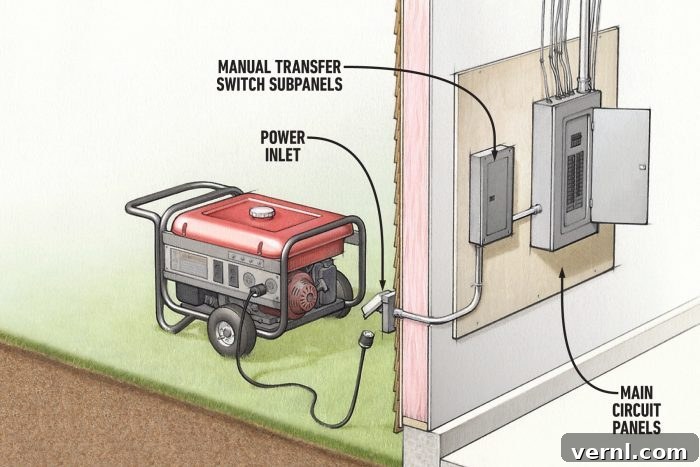
A portable generator is a versatile, mobile power source engineered to convert mechanical energy (from burning fuel) into electrical energy. These units are typically powered by gasoline or propane, and are manually started, often with a pull cord or an electric start button, when the primary power supply fails. Their design emphasizes mobility, allowing them to be stored in a garage or shed and brought out only when needed. Portable generators come in various capacities and types, including conventional models and quieter, more fuel-efficient inverter generators that produce cleaner power, ideal for sensitive electronics.
Connecting a Portable Generator
There are two main ways to connect a portable generator to power your home appliances. The simplest and most common method involves running heavy-duty extension cords directly from the generator to individual devices you wish to power. This approach is budget-friendly and requires no professional installation. However, it can be cumbersome, potentially creating tripping hazards, and limits you to powering only devices that can reach the generator via an extension cord.
A more sophisticated and safer option is to have a licensed electrician install a manual transfer switch subpanel. This dedicated subpanel allows you to select specific critical circuits in your home (e.g., refrigerator, specific lights, a few outlets) that the generator can then power directly. When an outage occurs, you simply start the generator, connect it to the transfer switch inlet box, and flip the switch to safely isolate your home’s electrical system from the utility grid, preventing dangerous “backfeeding.” This method eliminates the need for multiple extension cords, offering a much more integrated and secure power solution.
Cost and Capacity of Portable Generators
The cost of portable generators varies widely based on wattage, features (like electric start, fuel type, or inverter technology), and brand. Basic models offering a few hundred watts of power might start at a few hundred dollars, but these are generally suitable only for very light-duty applications like camping or tailgate parties. For reliable home use during an outage, you’ll need a generator providing several thousand watts. Expect to pay anywhere from $500 to $5,000 or more for a robust portable unit. For context, a 4500-watt dual-fuel generator, capable of powering essential appliances like a refrigerator, a window AC unit, computers, and a television, might cost around $1,000. These units offer an excellent balance of affordability and utility for most homeowners facing occasional power disruptions.
What is a Standby Generator?
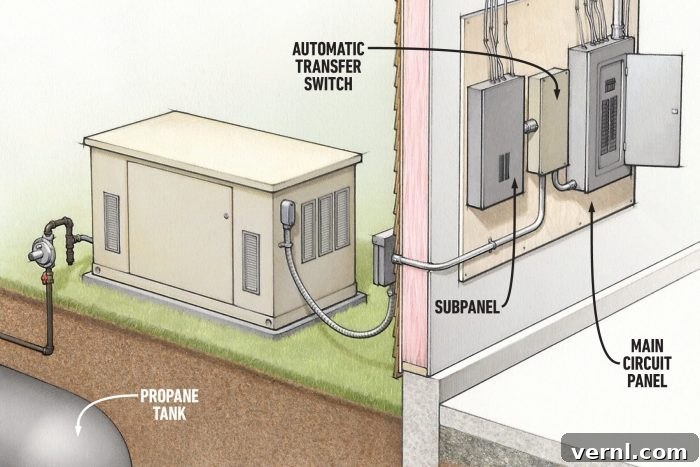
A standby generator, often referred to as a whole-home generator, represents the pinnacle of home backup power solutions. These sophisticated systems are permanently installed outside your home, much like an air conditioning unit, and are designed for automatic operation. Unlike portable generators, a standby unit continuously monitors your home’s electrical supply. The moment it detects a power outage, an automatic transfer switch (ATS) immediately disconnects your home from the utility grid and seamlessly switches power generation to the generator. This transition typically occurs within seconds, ensuring minimal disruption to your daily life. When utility power is restored, the ATS automatically switches back and shuts down the generator.
Fuel and Capacity of Standby Generators
Standby generators typically run on natural gas, directly plumbed from your home’s existing line, or liquid propane (LP) stored in an on-site tank. This direct fuel connection means you never have to worry about refueling during an outage, providing an uninterrupted power supply for extended periods. These units are considerably larger and more powerful than their portable counterparts, ranging from 7,500 watts to 48,000 watts or even higher. Such capacities allow them to power an entire house, including high-demand appliances like central air conditioning systems, electric ovens, sump pumps, well pumps, and all kitchen appliances simultaneously, without compromise.
Installation and Cost of Standby Generators
Due to their complexity and permanent integration into your home’s electrical and fuel systems, standby generators require professional installation by a licensed electrician and, often, a qualified gas plumber. The installation process typically involves pouring a concrete pad for the generator, running a dedicated fuel line, and installing the automatic transfer switch directly into your main electrical panel. This professional setup ensures safety, compliance with local codes, and optimal performance.
The upfront cost for a standby generator system is significantly higher than for a portable unit, encompassing both the generator itself and the extensive installation. Expect to pay anywhere from $5,000 to over $25,000, depending on the unit’s size, brand, and the complexity of the installation. While a substantial investment, the convenience, peace of mind, and ability to maintain a near-normal lifestyle during prolonged outages often justify the cost for many homeowners, particularly those in areas prone to frequent or long-duration power disruptions. Additionally, standby generators are generally much quieter in operation compared to portable models, further enhancing their appeal.
Sizing Your Generator: How Much Power Do You Really Need?
Investing in a generator is a significant decision, and “getting it right” starts with accurately determining your power needs. Generators are not cheap, and power outages, while disruptive, are often temporary. Before purchasing the largest or smallest unit available, conduct a thorough assessment of what you absolutely need to power when the electricity goes out. This vital step ensures you buy a generator that meets your specific requirements without overspending or falling short on critical demand.
Conducting a Home Power Audit
Begin by making a comprehensive list of all essential items you wish to keep running during an outage. This typically includes critical appliances such as your refrigerator, microwave, and if applicable, a sump pump or well pump. Depending on your climate, an air conditioner (especially in hot regions) or a furnace (in cold climates) might be non-negotiable. Don’t forget about modern necessities like computers and televisions, which, while not high-wattage, are crucial for work, communication, and combating boredom during extended periods without power.
Once you have your list, walk around your house and locate the electrical label on each appliance or device. Every appliance is legally required to have one, usually found on the back, bottom, or inside the door. This label will specify the wattage needed to run the item. If only amps are listed, you can easily calculate the wattage by multiplying the amps by 120 volts (Amps x Volts = Watts). Carefully write down these wattage figures for each item and then sum them up. This total represents your approximate running wattage requirement.
Understanding Running vs. Starting Watts
It’s crucial to distinguish between “running watts” and “starting watts.” While running watts refer to the continuous power an appliance needs to operate, appliances with motors—such as refrigerators, air conditioners, and sump pumps—also require a brief surge of “starting watts” or “surge watts” to kick on. This initial surge can be two to three times higher than their running wattage. To ensure your generator can handle these initial power demands without tripping or stalling, you need to account for the highest starting wattage of any single appliance on your list, in addition to the running watts of all other appliances that will be operating simultaneously.
A common rule of thumb is to multiply your total running wattage by 1.5 to estimate the minimum starting wattage capacity your generator should have. For example, if your total running watts are 3,000, aim for a generator with at least 4,500 starting watts. When choosing, it’s always better to opt for a generator that is slightly larger than your calculated needs. Running a generator at its absolute maximum capacity for extended periods can accelerate wear and tear and shorten its lifespan. Aim to operate your generator at about 75% or less of its rated capacity for optimal efficiency and longevity.
Wattage of Common Home Appliances (Estimates)
Keep in mind that exact wattage requirements can vary significantly based on the age and energy efficiency of the appliance, as well as the manufacturer. Newer models are often more efficient than older ones.
- Microwave: 800 to 1,200 running watts
- Refrigerator: 300 to 800 running watts (plus a significant starting surge)
- Television (LED/LCD): 50 to 200 running watts
- Laptop Computer: 50 to 100 running watts
- Window Air Conditioner (10,000 BTU): 600 to 1,500 running watts (high starting surge)
- Central Air Conditioner (3-ton): 3,000 to 5,000 running watts (very high starting surge)
- Sump Pump: 800 to 1,000 running watts (plus a starting surge)
- Well Pump (1/2 HP): 1,000 to 2,000 running watts (plus a significant starting surge)
- Small Electric Heater: 1,000 to 1,500 running watts
- Incandescent Lights (per 60W bulb): 60 watts
- LED Lights (per 10W bulb equivalent): 10 watts
Factoring in both running and starting watts will give you a clear picture of the generator size needed to comfortably power your essential appliances without overloading the unit.
Generator Safety: A Non-Negotiable Priority
Operating a generator safely is paramount. Improper use can lead to serious hazards, including carbon monoxide poisoning, electrocution, and fire. Adhering to safety guidelines and understanding potential risks is just as important as choosing the right generator.
Carbon Monoxide (CO) Poisoning
Generators produce carbon monoxide, a colorless, odorless, and highly toxic gas that can be fatal. It is absolutely critical to operate generators ONLY outdoors, far away from windows, doors, and vents that could allow CO to enter your home. Never run a generator in an enclosed space, such as a garage, basement, or even a partially open shed. Install battery-operated carbon monoxide detectors in your home, especially near sleeping areas, and check them regularly.
Electrical Safety and Backfeeding
Never “backfeed” electricity into your home’s electrical system by plugging a generator directly into a wall outlet. This extremely dangerous practice can send electricity back into the utility lines, potentially electrocuting utility workers or anyone who comes into contact with the lines. Always use an approved transfer switch (manual for portable generators, automatic for standby generators) installed by a licensed electrician to safely connect a generator to your home’s wiring. This switch isolates your home from the utility grid during generator operation.
Fuel Handling and Storage
Gasoline and propane are highly flammable. Always refuel a portable generator when it is turned off and cool. Store fuel in approved containers in a well-ventilated area, away from living spaces, heat sources, and direct sunlight. Keep a fire extinguisher nearby and know how to use it.
Placement and Ventilation
When operating a portable generator, ensure it is placed on a flat, dry surface. Keep it at least 20 feet away from your home and any other buildings, with the exhaust directed away from occupied structures. Ensure adequate air circulation around the generator to prevent overheating.
Maintenance and Professional Guidance
Regular maintenance, as outlined in your generator’s owner’s manual, is crucial for safe and reliable operation. This includes checking oil levels, spark plugs, and air filters. For standby generators, annual professional servicing is highly recommended. Always consult with a licensed electrician or generator specialist for installation, maintenance, or any questions regarding safe operation.
Which Generator Is Right For Me? Making Your Final Decision
The choice between a portable and a standby generator ultimately hinges on a combination of personal preference, budget, and your individual needs and circumstances. Each option offers distinct advantages, making the “best” choice highly subjective.
If you reside in a region with relatively stable climate patterns and rarely experience prolonged power outages, a mid-range portable generator is likely a practical and cost-effective solution. They require less initial investment, take up minimal storage space, and provide ample power for essential needs during infrequent, extended outages. While they demand manual setup and refueling, the peace of mind they offer during those rare disruptions is invaluable.
Conversely, if you prefer ultimate convenience, desire seamless, whole-home power, and are prepared to make a significant investment in your home’s infrastructure, a standby generator is an unparalleled choice. These systems eliminate the need to fuss with extension cords, store gasoline, or manually start an engine. They are particularly popular in areas prone to frequent and severe weather events, where maintaining a continuous power supply is critical for comfort, safety, and functionality. For those building new homes in such areas, integrating a whole-home standby generator from the outset is becoming an increasingly common and wise decision, as it also adds significant value to the property.
Another crucial factor is the health and safety of your household members. If anyone in your family has critical medical needs that rely on uninterrupted power – such as dialysis equipment, CPAP machines, or medications requiring constant refrigeration – the automatic, reliable power of a standby generator offers a level of assurance that portable units simply cannot match. In such scenarios, the investment in a standby system transforms from a convenience into a vital safeguard.
While my personal setup currently involves a portable generator, my next home improvement project will undoubtedly be the installation of a manual transfer switch subpanel to streamline its use. This upgrade will make my life significantly easier by eliminating the need for a spaghetti of extension cords and providing a more integrated power solution during outages.
Regardless of your decision, remember that proper installation and safe operation are non-negotiable. If you need assistance in determining the right generator size, understanding installation requirements, or ensuring safe usage, always consult with a licensed electrician. They possess the expertise to guide you through the process, ensuring your home is safely and effectively equipped to handle any power outage.