The Ultimate Guide to Double-Glazed Windows: Understanding Your Investment
Imagine gazing out at a breathtaking view, perhaps the serene expanse of Monterey Bay, only to have half of it obscured by a persistent cloudiness on your window. This common frustration points to a crucial issue: a compromised double-glazed window. My own experience with an enormous picture window suffering from this very problem highlights a widespread challenge many homeowners face. That patch of cloudiness signals that the sealed gap between the panes, designed to enhance insulation, is no longer intact. In essence, a good feature has gone bad, necessitating a replacement to restore clarity, efficiency, and comfort to your home.
Double-glazed windows, also known as double-pane windows, first made their appearance on the market in 1952. Since then, they have steadily grown in popularity, now gracing over half of American homes. Their adoption rates vary geographically; they are a staple in colder regions like the Midwest, where harsh winters demand superior thermal performance, while less common in the milder climates of the South. This trend underscores their primary purpose: to create a more comfortable, energy-efficient indoor environment.
By effectively preventing heat transfer and significantly reducing energy costs, double-glazed windows represent a wise and sustainable investment for any homeowner. Whether you’re considering new construction, renovating an existing property, or simply looking to upgrade, understanding the intricacies of these innovative window units is paramount. This comprehensive guide will delve into everything you need to know about double-glazed windows, from their fundamental design principles and manifold benefits to the critical factors influencing their cost and installation.
What Exactly is a Double-Glazed Window? Decoding the Technology
At its core, a double-glazed window is an ingenious solution to a simple problem: glass, by itself, is a poor insulator. A single pane of glass offers a meager R-value (a measure of thermal resistance) of less than one. This means it readily allows heat to pass through, leading to significant energy loss and uncomfortable temperature fluctuations within a building. The innovation of double glazing dramatically improves this scenario by introducing a sealed insulating gap.
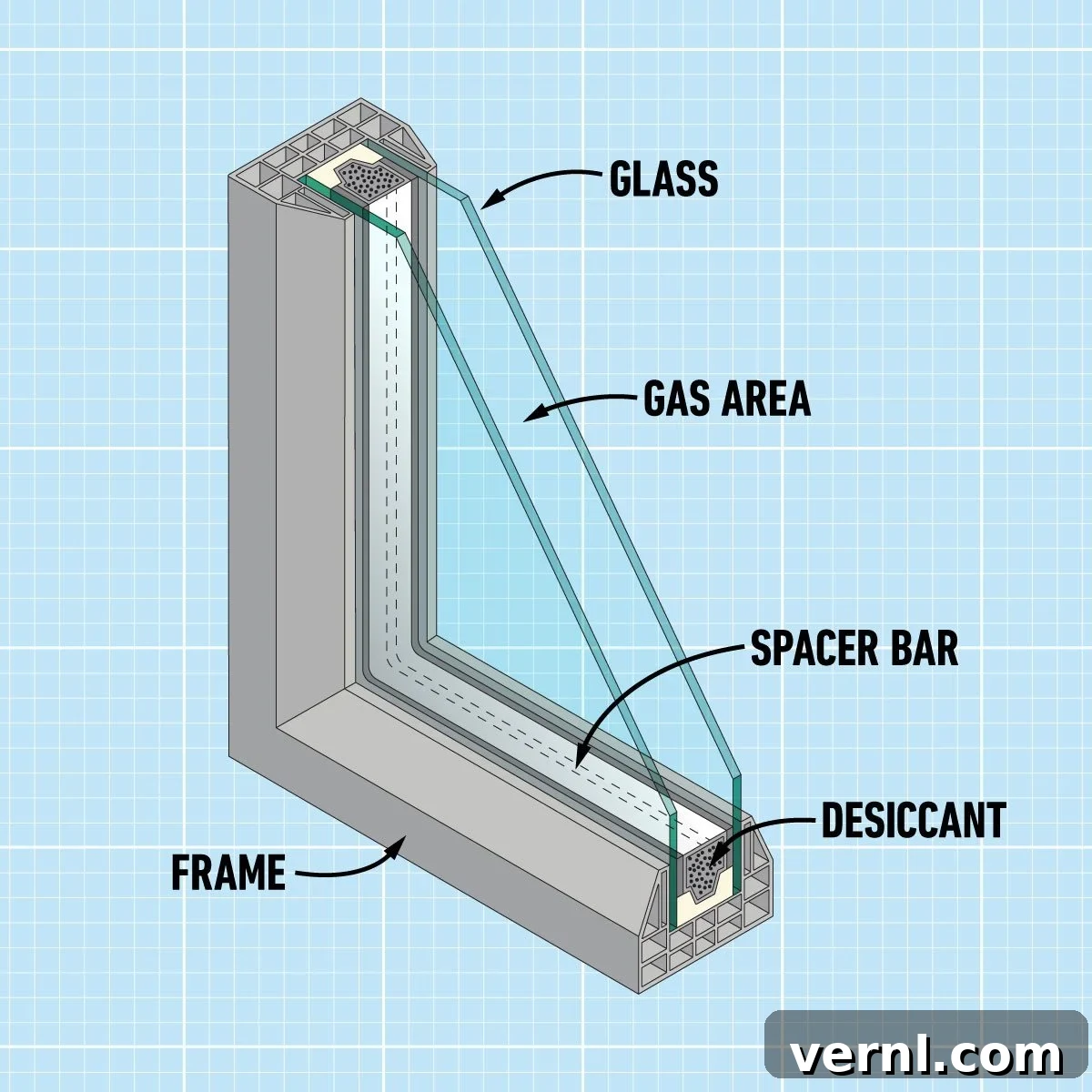
The principle is straightforward yet highly effective: two panes of glass, separated by a precisely sealed gap, create an insulated glass unit (IGU). This gap, typically ranging from a quarter to a half-inch, is not merely filled with stagnant air. Instead, manufacturers commonly replace the air with an inert gas, such as argon, xenon, or krypton. These gases are denser than air and possess lower thermal conductivity, meaning they are much less efficient at transferring heat. This gas-filled cavity acts as a powerful thermal barrier, increasing the insulation value of the window by up to five times compared to a single pane, depending on the specific gas used and the unit’s construction.
A typical double-glazed window comes as a pre-manufactured unit, encased within a durable frame made from materials like wood, composite, vinyl, fiberglass, or even aluminum (often with thermal breaks). Integrated spacers maintain the consistent separation between the glass panes. While argon is a popular and cost-effective choice for the gas fill, krypton is often preferred in units with narrower gaps or where maximum insulation is desired, as it insulates even better and is less prone to dissipate through the glass over time. The integrity of this sealed unit is crucial; if the seal breaks, moist air infiltrates the gap, causing the characteristic cloudiness, fogging, or condensation between the panes. Once compromised, the insulating properties are severely diminished, and the only effective remedy is to replace the entire sealed unit.
Beyond the basic two panes and gas fill, modern double-glazed units often incorporate advanced features. Low-emissivity (Low-E) coatings, for instance, are microscopically thin, transparent metallic layers applied to one or more glass surfaces. These coatings selectively reflect radiant heat, keeping interiors warmer in winter by reflecting heat back inside, and cooler in summer by reflecting external heat away. This enhances the window’s overall energy performance without sacrificing natural light. Additionally, the type of glass itself can vary, including tempered glass for enhanced safety (shattering into small, blunt pieces) or laminated glass for superior security and sound dampening (featuring a plastic interlayer that holds the glass together even if broken).
Unlocking Comfort and Savings: The Many Benefits of Double-Glazed Windows
Double-glazed windows are far more than just a home upgrade; they are a strategic investment in comfort, energy efficiency, and long-term savings. While they may not be the ideal fit for every single historical structure (though custom solutions exist), they are transformative for the vast majority of modern homes and any property where energy performance is a priority. Their benefits extend beyond mere temperature regulation, impacting various aspects of daily living.
- Superior Thermal Insulation: This is the primary reason homeowners invest in double glazing. By creating a thermal barrier with the sealed gas-filled gap and often incorporating Low-E coatings, these windows dramatically reduce heat transfer. In winter, they keep the warmth inside your home, preventing it from escaping through the glass. In summer, they block external heat from penetrating your living spaces. This significantly reduces the workload on your HVAC system, leading to lower energy consumption, reduced heating and cooling bills, and a smaller carbon footprint for your household.
- Enhanced Sound Insulation: The two panes of glass and the gas-filled cavity act as an effective barrier against external noise. Sounds from traffic, barking dogs, noisy neighbors, or even adverse weather conditions are significantly muffled, creating a quieter, more peaceful indoor environment. This benefit is particularly valuable for homes located in urban areas, near busy roads, or in high-traffic neighborhoods, transforming your home into a serene sanctuary where you can relax and focus without disruption.
- Increased Home Security: A double-glazed window presents a much tougher challenge for potential intruders than a single pane. Breaking through two layers of glass, especially when combined with a robust frame and modern locking mechanisms (such as multi-point locks), requires significantly more effort and time, acting as a powerful deterrent. For even greater security, options like tempered or laminated glass are available, with laminated glass offering exceptional resistance as its interlayer holds shattered pieces in place, making forced entry incredibly difficult.
- Reduced Condensation and Mold Risk: Single-pane windows are notorious for becoming cold to the touch on the inside, especially in winter. This temperature differential causes indoor moisture to condense on the cold glass surface, leading to unsightly streaks, water damage to sills, and an increased risk of mold and mildew growth. Double-glazed windows, with their improved thermal performance, maintain a warmer interior glass surface. This reduces the temperature differential, effectively preventing or significantly minimizing condensation, thereby promoting healthier indoor air quality and preserving the integrity of your window frames and surrounding structures.
- Protection Against UV Rays: Many modern double-glazed units, particularly those featuring Low-E coatings, are designed to filter out harmful ultraviolet (UV) radiation. UV rays are a major cause of fading for furniture, carpets, artwork, and flooring. By blocking a significant percentage of these damaging rays, double-glazed windows help preserve the color and integrity of your interior furnishings, extending their lifespan and maintaining the aesthetic appeal of your home.
- Increased Property Value: Investing in energy-efficient double-glazed windows can significantly boost your home’s market appeal and resale value. Potential buyers are increasingly looking for properties with lower running costs and modern amenities. High-quality, well-maintained double glazing signals a home that is comfortable, secure, and cost-effective to live in, making it a highly attractive feature in today’s competitive real estate market.
While the benefits are extensive, it’s also important to acknowledge the primary drawback of double-glazed windows: they are generally not repairable. If the sealed unit fails (leading to cloudiness, for example), or if a pane cracks, the entire sealed unit typically needs to be replaced. This means the upfront cost can be higher than repairing a single pane, but as we’ve seen, this cost is an investment repaid through long-term savings and enhanced comfort.
Demystifying the Investment: How Much Do Double-Glazed Windows Cost?
Understanding the cost of double-glazed windows is crucial for budgeting your home improvement project. On average, homeowners can expect to pay around $1,000 per unit installed, but this figure is a broad average. The actual cost can vary dramatically, ranging from as low as $300 to upwards of $6,900 per window, depending on a multitude of factors. This wide range reflects the diverse options available in terms of size, material, style, and performance features.
Window Size
Unsurprisingly, the dimensions of the window play a significant role in its overall cost. Larger windows require more materials, heavier glass, and often more complex installation. Custom sizes or non-standard dimensions will also typically command a higher price than readily available standard sizes. Here are some typical price ranges, including installation, based on window size:
- Small Windows (e.g., bathroom, basement, or kitchen single-hung windows): Typically range from $300 to $750. These are often standard sizes and easier to install.
- Medium Windows (e.g., standard single- and double-hung windows): Usually fall between $400 to $1,850. This category represents the most common sizes found in living rooms and bedrooms.
- Large Windows (e.g., expansive bay windows, picture windows, or specialty architectural designs): Can range from $650 to $4,500, and sometimes even higher for very large or complex custom installations.
Frame Material
The material chosen for your window frames not only impacts aesthetics but also significantly affects cost, durability, and insulation properties. Each material offers a unique balance of price and performance:
- Vinyl: Often the most budget-friendly option, costing 30% to 50% less than premium materials. Vinyl windows are highly energy-efficient, low-maintenance, and come in a wide range of colors and styles.
- Aluminum: Known for its strength and sleek, modern aesthetic, aluminum can be a cost-effective choice. However, pure aluminum is a good conductor of heat, so for energy efficiency, look for frames with thermal breaks.
- Wood: Offers timeless beauty, excellent natural insulation, and is highly customizable. However, wood frames are typically more expensive than vinyl and require regular maintenance (painting or staining) to prevent rot and warping.
- Composite: These frames combine materials (e.g., wood particles and polymer resins) to offer a balance of durability, low maintenance, and good insulation, often at a mid-range price point between vinyl and fiberglass.
- Fiberglass: Considered a premium option, fiberglass frames are incredibly strong, durable, dimensionally stable, and highly energy-efficient. They resist warping, rotting, and insect damage but come at a higher cost, often comparable to high-end wood or steel.
- Steel: While less common for residential windows, steel frames offer unparalleled strength and a distinct industrial aesthetic, but they are among the most expensive options.
Window Style
The operational style and complexity of the window also contribute to its price. More intricate designs, or those requiring specialized hardware and larger opening mechanisms, generally cost more.
- Picture Windows: As fixed units, they are often among the most cost-effective for their size, offering maximum natural light and unobstructed views, with prices often around half that of more complex styles.
- Casement Windows: These windows crank open outward, providing excellent ventilation and a very tight seal when closed. They are generally more affordable than double-hung or bay windows.
- Single-Hung and Sliding Windows: These are popular, functional, and typically fall into a moderate price range. Single-hung windows have one fixed sash and one movable, while sliders open horizontally.
- Double-Hung Windows: With both sashes operable (moving up and down), they offer versatility in ventilation but are typically more expensive than single-hung or picture windows due to increased complexity.
- Bay and Bow Windows: These architectural features extend outward from the house, creating a larger opening and a sense of space. Their complex construction, requiring multiple window units and often specialized roofing or support structures, makes them among the most expensive styles, often exceeding $3,000 for installation.
- Awning and Hopper Windows: These smaller windows, hinged at the top (awning) or bottom (hopper), are good for ventilation in specific areas like bathrooms or basements. Their cost is usually on the lower to mid-range.
Type of Glass and Gas Fill
The performance and specialized features of the glass unit itself can significantly impact the final price.
- Clear Tempered or Laminated Glass: Most standard installations use clear tempered glass for safety, or laminated glass for enhanced security and sound reduction. These typically have similar base costs.
- Low-Emissivity (Low-E) Coatings: Adding a Low-E coating, which is highly recommended for energy efficiency, typically adds a moderate cost of a little over $100 per window unit, but the long-term energy savings quickly recoup this investment.
- Tinted or Frosted Glass: For privacy or glare reduction, these specialized glass options will also incur an additional cost, similar to Low-E coatings.
- Gas Fills: The choice of inert gas filling the sealed gap also affects the price.
- Argon: The most common and least expensive gas fill, offering excellent insulation properties and a great balance of cost and performance.
- Krypton: Offers superior insulation to argon, particularly effective in narrower gaps (which can result in thinner window units). However, it is significantly more expensive, often adding around $300 or more per window unit due to its rarity and production costs.
- Xenon: The rarest and most expensive of the inert gases used in windows, offering the highest insulation properties for very demanding applications.
- Warm-Edge Spacers: Upgrading from standard aluminum spacers to “warm-edge” spacers (made from composite or structural foam) reduces heat transfer at the edge of the glass unit, further improving energy efficiency and minimizing condensation. This adds a modest cost but enhances long-term performance.
DIY vs. Professional Installation of Double-Glazed Windows: A Critical Decision
While the prospect of saving money through DIY projects is always appealing, installing double-glazed windows is a complex task where professional expertise is highly recommended, and often essential for optimal results and long-term peace of mind. Though technically possible for a highly skilled and experienced DIYer, the potential pitfalls and long-term consequences of improper installation far outweigh the initial savings.
Why Professional Installation is Strongly Recommended:
- Warranty Preservation: This is arguably the most critical reason. Manufacturers typically make professional installation a condition of their product warranty. Improper DIY installation can void this warranty, leaving you unprotected if the window unit fails prematurely (e.g., seal breaks, gas leaks). Considering the significant investment in double-glazed windows, sacrificing the warranty is a major risk.
- Expertise and Precision: Professional window installers possess specialized skills, tools, and extensive experience. They understand the nuances of proper measurement, leveling, flashing, and sealing—all of which are vital for the window’s performance and longevity. Correct installation prevents drafts, water leaks, operational issues, and ensures the window functions as designed, maximizing its energy-saving potential.
- Compliance with Building Codes and Permits: Window replacement, especially if it involves changing the size of the opening or altering the structural integrity of your home, often requires a building permit. Professionals are knowledgeable about local building codes and regulations, can navigate the permit application process, and ensure the installation meets all required safety and performance standards. This prevents potential legal issues, fines, and problems during resale.
- Safety: Double-glazed window units can be heavy and cumbersome, making installation physically demanding and potentially dangerous without the right equipment and manpower. Professionals are trained in safe handling techniques and use specialized tools to prevent injuries and damage to the windows or your home.
- Efficiency and Speed: An experienced crew can install windows far more efficiently and quickly than a DIYer, minimizing the disruption to your household. They also handle the proper disposal of old windows, which can be a hassle for homeowners.
- Workmanship Warranty: Beyond the product warranty, reputable installers offer their own workmanship warranty, covering any issues arising directly from the installation process. This provides an additional layer of security and ensures that any post-installation adjustments or fixes are covered.
When DIY Might Be Considered (with Extreme Caution):
Only homeowners with extensive construction experience, a deep understanding of building science, and the necessary tools should even consider a DIY installation. Even then, it’s typically limited to small, easily accessible windows where structural modifications are minimal. Be prepared for the process to be time-consuming, physically demanding, and to potentially void your product warranty. The financial security and peace of mind offered by a professional installation often make it the wiser choice for most homeowners.
In conclusion, while the initial sticker shock of double-glazed windows can be substantial, viewing them as a long-term investment rather than a mere expense reveals their true value. They are fundamental to creating a comfortable, energy-efficient, and secure home that will serve you well for decades to come, enhancing both your quality of life and your property’s value.