
The Ultimate Guide to Wooden Bowl Care: Cleaning, Restoration, and Longevity
A well-cared-for wooden bowl possesses an extraordinary patina, a rich visual history that speaks volumes about its journey and the meals it has served. Far from being fragile decorative pieces, wooden bowls are immensely practical, surprisingly resilient, and can become cherished family heirlooms. However, like any natural material, wood requires specific care to maintain its beauty, prevent damage, and ensure its longevity. If you’re seeking to unlock the secrets of how to clean wooden bowls, how to restore them to their former glory, and how to implement proper wood bowl maintenance, you’ve come to the right place. This comprehensive guide will cover everything you need to know, from selecting the best wood to daily cleaning rituals and advanced restoration techniques, ensuring your wooden bowls remain a staple in your kitchen for generations.
Choosing the Best Wood for Your Bowl: Durability Meets Beauty
The type of wood used significantly impacts a bowl’s durability, appearance, and how it ages. When selecting a wooden bowl, opting for high-quality, dense hardwoods is crucial for both longevity and food safety. Reputable manufacturers, such as New Hampshire Bowl & Board, often recommend specific species known for their resilience and aesthetic appeal.
Popular Wood Types for Bowls:
- Cherry: Prized for its rich, warm tones that deepen beautifully with age and use, cherry wood is a popular choice. It has a fine grain and good hardness, making it resistant to dents and scratches. Its natural oils also contribute to its enduring beauty and make it an excellent choice for wooden salad bowls.
- Maple: Known for its exceptional hardness and fine, subtle grain, hard maple is incredibly durable and resistant to impact. Its light color provides a versatile backdrop for any meal, and it’s less likely to impart color or flavor to food. Maple is an ideal wood for bowls that will see frequent, heavy use, making it a staple in many kitchens. You can learn more about its properties here.
- Walnut: With its striking dark brown hues and often dramatic grain patterns, walnut wood creates bowls that are true statement pieces. It’s a moderately hard wood that is quite stable, meaning it resists warping and cracking. Walnut bowls are not only beautiful but also very functional and durable. Discover more about walnut here.
- Acacia: Gaining popularity for its beautiful contrasting grain and impressive durability, acacia wood is another excellent option. It’s naturally water-resistant and relatively hard, making it a resilient choice for various culinary uses. Its unique aesthetic can add a rustic yet elegant touch to your kitchen. Further details on acacia wood can be found here.
- Bamboo: While technically a grass, bamboo is often treated as wood in kitchenware. Bamboo bowls are lightweight, eco-friendly, and typically more affordable. However, they may not offer the same longevity or deep patina development as traditional hardwood bowls, and their construction (often glued strips) can make them more susceptible to delamination if not cared for meticulously.
When choosing, consider the wood’s density, grain, and how it’s finished. A good quality, solid wood bowl with a food-safe finish will be a lasting investment.
Optimal Storage for Your Wooden Bowls: Preserving Integrity and Space
Contrary to popular belief, wooden bowls are surprisingly resilient and do not require overly delicate storage. Proper storage, however, is key to preventing warping, cracking, and excessive drying. The goal is to keep them in a stable environment, away from extreme temperature fluctuations and excessive humidity or dryness.
Space-Saving and Display Options:
- Stacking: Wooden bowls can be safely stacked within each other to save valuable cabinet or pantry space. Ensure they are completely dry before stacking to prevent moisture trapping, which could lead to mold or warping.
- Open Shelving: If you possess a collection of particularly beautiful bowls, open shelving offers a wonderful way to display them. This allows the bowls to breathe and become a decorative element in your kitchen. Just ensure the shelves are not directly above a heat source like a stove or radiator, which could dry out the wood. Find more open shelving ideas here.
- Roll-Out Shelving: For convenient access in deeper cabinets, roll-out shelving makes it easy to retrieve bowls without rummaging.
- Cabinets and Pantries: Storing bowls in closed cabinets or pantries protects them from dust and direct sunlight. Again, ensure the area is not excessively damp or dry.
Avoid storing wooden bowls near heat vents, open windows where they might be exposed to direct sunlight or drafts, or in refrigerators for extended periods, as these environments can lead to moisture loss or absorption, causing the wood to crack or warp.
Embracing Everyday Use: The Secret to a Long-Lasting Wooden Bowl
It’s a common misconception that high-quality or heirloom wooden bowls should be “saved” for special occasions. In reality, wooden bowls thrive on regular use. Daily interaction, combined with proper washing, drying, and occasional buffing, helps to keep the wood fibers conditioned and prevents them from drying out. This consistent care contributes to the development of a magnificent patina, a natural sheen that only improves with time and tells the story of your bowl’s life.
The Benefits of Regular Use:
- Natural Seasoning: Frequent use, especially for serving salads with oil-based dressings, helps to naturally season the wood. The oils penetrate the surface, nourishing the wood and enhancing its water resistance. This builds a protective layer that helps prevent cracking and staining.
- Preventing Dryness: Bowls that are rarely used can dry out and become brittle, making them more susceptible to cracking. Regular washing and drying, followed by natural air exposure (not intense heat), helps maintain optimal moisture levels within the wood.
- Developing Patina: The unique character of a wooden bowl comes from its patina. This rich, lustrous surface develops over time through contact with food, cleaning, and oiling. It’s a hallmark of a well-loved and well-maintained bowl, something that cannot be replicated artificially and adds significant aesthetic value.
So, don’t hesitate to use your wooden bowls for everyday meals. They are designed to be functional art, enriching your dining experience with their natural warmth and beauty, and improving with every use.
Serving Versatility: What Foods Can Your Wooden Bowl Hold?
Wooden bowls are incredibly versatile and can safely accommodate a wide array of foods beyond their traditional role for salads or popcorn. Their natural beauty makes them perfect for presenting almost anything, though some considerations apply to very wet or acidic items. Understanding the bowl’s capabilities will help you maximize its utility without causing harm.
Common and Creative Uses:
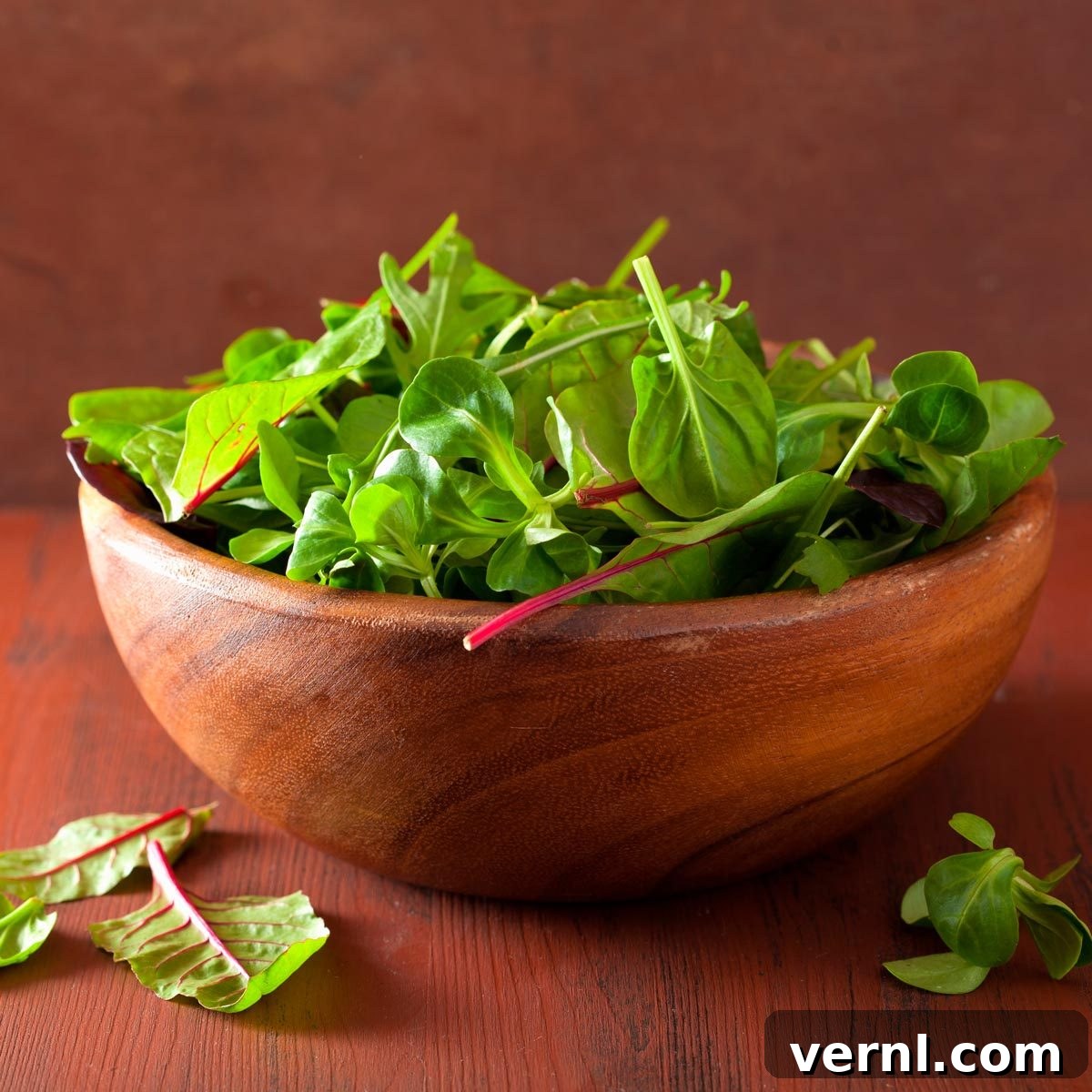
- Salads: The classic choice! Wooden bowls are ideal for salads, as they don’t react with dressings and can even absorb a subtle “seasoning” from the oils over time, enhancing flavor. They are perfect for tossing and serving vibrant green salads.
- Popcorn and Snacks: Their sturdy nature and inviting feel make them perfect for serving popcorn, chips, pretzels, nuts, fruit, or other dry snacks. The wood provides a pleasant tactile experience and keeps snacks accessible.
- Wetter Foods: You won’t harm your wooden bowl by serving wetter foods such as hearty stews, chili, pot roasts, or even breakfast cereals and sides like coleslaw. The key here is to ensure the bowl is cleaned and dried immediately after use to prevent prolonged moisture exposure, which can lead to warping or cracking. Avoid leaving very hot or boiling liquids in the bowl for extended periods.
- Fruits and Vegetables: A large wooden bowl makes a beautiful centerpiece for displaying fresh fruits or vegetables on your counter, adding a touch of rustic elegance to your kitchen decor.
While wooden bowls are generally resilient, avoid leaving extremely hot, highly acidic (like certain tomato sauces or lemon-heavy dishes), or intensely pigmented foods (like beet salad) in them for extended periods, as this could potentially stain the wood or penetrate the finish. However, with prompt cleaning, most minor staining can be mitigated through re-oiling.
The Surprising Durability of Wooden Bowls: Resistance and Restoration
A high-quality wooden bowl is much more robust than it often appears. Its inherent strength and natural properties make it surprisingly resistant to common kitchen mishaps, and even if it does sustain minor damage, restoration is often straightforward. This makes wood bowls not only beautiful but also a practical, long-term investment that can stand the test of time and use.
Resilience in the Kitchen:
- Knife Resistance: Good hardwood bowls are remarkably resistant to damage from sharp knives. You can confidently mix and toss salads or even prepare dressings directly in your bowl without fear of deep gouges or irreparable harm. Unlike plastic or softer materials, wood has a natural give that can often “heal” minor knife marks over time, especially with regular oiling and conditioning.
- Temperature Tolerance (with caveats): While robust, wooden bowls are sensitive to extreme and sudden temperature changes. Never place your wooden bowl in a microwave, as the intense, uneven heat will rapidly dry out the wood, causing it to crack, warp, or even split. Similarly, avoid extreme cold like prolonged refrigeration, which can lead to similar issues of moisture loss and structural stress on the wood fibers.
Restoring Minor Marks and Scratches:
Should your wooden bowl acquire a small scratch or mark, don’t despair! Wood has an incredible capacity for natural restoration, and minor imperfections can often be remedied with simple home techniques:
- The Walnut Trick: For very minor surface scratches, try rubbing a shelled walnut directly over the affected area. The natural oils from the walnut can help to fill and disguise the scratch, making it much less noticeable and blending it with the surrounding wood.
- Sanding and Oiling: For deeper scratches or nicks, a light sanding with fine-grit sandpaper (e.g., 220-grit, followed by 320 or 400-grit for a smoother finish) can smooth out the imperfection. Always sand gently with the grain of the wood. After sanding, wipe away all dust and then generously re-oil the bowl to protect and nourish the newly exposed wood, helping it to blend seamlessly with the surrounding patina.
Understanding the inherent sturdiness and restorability of your wooden bowl will empower you to use and enjoy it without undue worry, knowing that it can withstand the rigors of everyday kitchen life and be renewed when needed.
Bringing Back the Beauty: How to Restore a Neglected Wooden Bowl
Even the most neglected wooden bowl can often be brought back to life with a little effort and the right techniques. Restoration involves deep cleaning, odor removal, and proper re-oiling to nourish the wood and enhance its protective barrier. This process can transform a dull, dry, or even smelly bowl into a beautiful, functional piece once more, allowing it to continue its legacy in your home.
Step-by-Step Restoration Process:
- Initial Cleaning and Smoothing:
- Start by removing any surface residue, ingrained dirt, or stubborn stains. For significant build-up, use fine steel wool (grade 0000) or abrasive paper (e.g., 220-grit or 320-grit sandpaper). Gently sand or rub with the grain of the wood to smooth out any dents, nicks, or uneven areas. This step also helps to open the wood pores, preparing it for re-oiling.
- Wipe the bowl thoroughly with a damp cloth to remove all dust and debris, then allow it to dry completely and naturally.
- Eliminating Lingering Odors:
Wooden bowls can sometimes absorb strong food smells, especially garlic or onions, which can be difficult to remove with regular washing. Here’s how to banish them:
- Salt and Lemon Method: Sprinkle the inside of the bowl liberally with coarse salt. Cut a lemon in half and use it as a natural scrubber to rub the salt all over the interior surface. The abrasive salt helps lift odors, while the lemon’s acidity neutralizes them. Rinse quickly with warm water and dry immediately with a clean towel.
- Vinegar Solution: For more persistent odors or if the bowl was used for raw meat, a more potent disinfectant may be needed. Wash the bowl with a 50/50 solution of white vinegar and water. Alternatively, a similar combination of water and three percent hydrogen peroxide can also be effective at neutralizing bacteria and odors. Ensure to rinse thoroughly and dry immediately after application.
- Tackling Sticky Residue from Old Oils:
If your bowl has a sticky, gummy residue, it’s often a sign of rancid oils or product build-up that has polymerized on the surface. This can be effectively removed with a gentle heat treatment:
- Warm Oven Method: Place your wooden bowl in a warm oven (the lowest setting, typically around 150-200°F / 65-95°C) for 10-20 minutes. This gentle heat will cause old, polymerized oils to seep out from the wood. You’ll often see a yellowish or sticky film emerge on the surface. Carefully remove the bowl (it will be warm!) and immediately wipe off the residue with clean paper towels or a soft cloth. Repeat if necessary until the surface feels clean and dry. Be extremely careful not to overheat the wood or leave it unattended, as excessive heat can cause damage. This process essentially “resets” the seasoning of the wood. Cook’s Illustrated provides more insights into this technique.
- Rejuvenating with the Right Oil:
After deep cleaning and preparation, it’s essential to re-season and protect the wood with the appropriate oil. This step is crucial for maintaining the wood’s health, preventing dryness, and enhancing its water resistance and lustrous appearance.
- Food-Grade Mineral Oil: This is the most widely recommended oil for wooden kitchenware because it is non-toxic, tasteless, odorless, and will not go rancid over time. It deeply penetrates the wood fibers, conditioning them from within and creating a protective barrier against moisture and food oils. Apply it liberally with a soft cloth or paper towel, ensuring every surface, including the outside and rim, is saturated.
- Application: Allow the oil to soak in thoroughly, ideally overnight or for several hours. The wood will absorb as much as it needs, particularly if it was previously dry.
- Buffing: After the soaking period, wipe off any excess oil with a clean, dry cloth. Buff the bowl gently until the oil is completely absorbed and the surface feels smooth and dry to the touch, with no greasy residue. This final buffing helps develop the beautiful patina.
- Frequency: For a newly restored bowl, repeat the oiling process daily for a week, then weekly for a month, and finally monthly or as needed, depending on usage. You’ll know it needs oiling when the wood appears dry, dull, or lighter in color.
- Other Options (with caution): While food-grade mineral oil is generally preferred, some people use beeswax finishes (often mixed with mineral oil) for an added layer of protection and sheen. Avoid edible oils like olive oil, vegetable oil, or coconut oil, as they will eventually go rancid and develop unpleasant odors and stickiness, potentially damaging your bowl.
By following these restoration steps diligently, you can breathe new life into an old, neglected bowl, giving it a fresh start and many more years of beautiful, functional service in your home.
Daily Wooden Bowl Cleaning and Maintenance: Essential Do’s and Don’ts
Once your wooden bowl is restored or if you’re maintaining a new one, consistent daily care is paramount. Adhering to a simple routine after each use will preserve its beauty, prevent common issues like cracking or warping, and ensure its hygienic longevity. Proper daily maintenance is the cornerstone of keeping your wooden bowls in pristine condition for years to come.
The “Do’s” for Daily Care:
- Wash Immediately After Use: Don’t let food residue sit in the bowl for extended periods. As soon as you’re finished serving, empty the bowl and proceed with cleaning. This prevents food from drying onto the wood and making cleaning more difficult, and it reduces the chance of stains or odors developing.
- Use Mild Soap and Warm Water: Gently wash your wooden bowl with a soft sponge or cloth, using a small amount of mild dish soap and warm (not hot) water. Avoid abrasive scrubbers like steel wool or harsh scouring pads, which can scratch the wood’s surface or remove its protective finish.
- Rinse Quickly and Thoroughly: Rinse all soap residue off the bowl under running warm water. Ensure no soap remains, as residue can dry onto the wood and dull its finish.
- Dry Immediately and Completely: This is perhaps the most critical step in wooden bowl care. Immediately after rinsing, thoroughly dry the entire bowl with a clean, soft towel. Do not allow it to air dry naturally, as prolonged exposure to moisture is the primary cause of warping, cracking, and splitting in wood. Ensure it is bone-dry before storing.
- Occasional Oiling: Regularly apply a food-grade mineral oil (as described in the restoration section) to keep the wood nourished and protected. The frequency depends on use and climate, but generally, once a month for regularly used bowls is a good starting point. You’ll notice the wood looking dull, dry, or lighter in color when it needs oil, indicating it’s time for a re-application.
The Critical “Don’ts” to Avoid:
- Never Put in the Dishwasher: The extreme heat, harsh chemical detergents, and prolonged soaking cycle of a dishwasher are the absolute worst enemies of wooden bowls. This will inevitably lead to cracking, warping, splitting, and irreparable damage to the wood and its finish. This rule is non-negotiable for preserving your wooden items! (While you can clean some surprising things in a dishwasher, your wooden bowl is definitely not one of them, as detailed in this article.)
- Do Not Soak in Water: Leaving a wooden bowl to soak in a sink full of water allows it to absorb excessive moisture. This absorption causes the wood fibers to swell, leading to cracking, warping, and potential delamination of glued parts. Always wash and dry promptly.
- Avoid Microwaves and Ovens (for cooking): As mentioned, extreme heat will rapidly dry out and damage the wood, causing it to crack, warp, or even split. Only use the oven for the specific “sticky residue” restoration method, and only at very low temperatures under strict supervision.
- No Prolonged Refrigeration: Don’t store wooden bowls in the refrigerator for extended periods, especially when full of moist food. The cold, dry environment of a fridge can also contribute to drying out and cracking the wood over time.
- Steer Clear of Harsh Cleaners: Avoid bleach, abrasive chemical cleaners, or any strong chemical solutions that can strip the natural oils from the wood, compromise its finish, or leave harmful residues that could transfer to food.
- Don’t Leave Moist or Highly Acidic Food in for Too Long: While wooden bowls can handle wet foods, don’t leave highly moist or acidic foods (like tomato sauce or vinegar-based marinades) sitting in them for days, as this can lead to staining, odor absorption, and potential damage to the wood surface over extended contact.
A wooden bowl is more than just kitchenware; it’s a testament to natural beauty and craftsmanship. By following these simple yet effective care practices, your bowl will not only retain its stunning appearance but also develop a unique character and history, ready to serve your family for many years and countless meals to come. Invest a little time in its care, and it will reward you with enduring beauty and functionality.
For optimal protection and nourishment, consider purchasing a high-quality food-grade mineral oil for your wooden bowls today. Regular oiling is key to extending their life and preserving their natural luster.
Buy food-grade mineral oil now on Amazon.