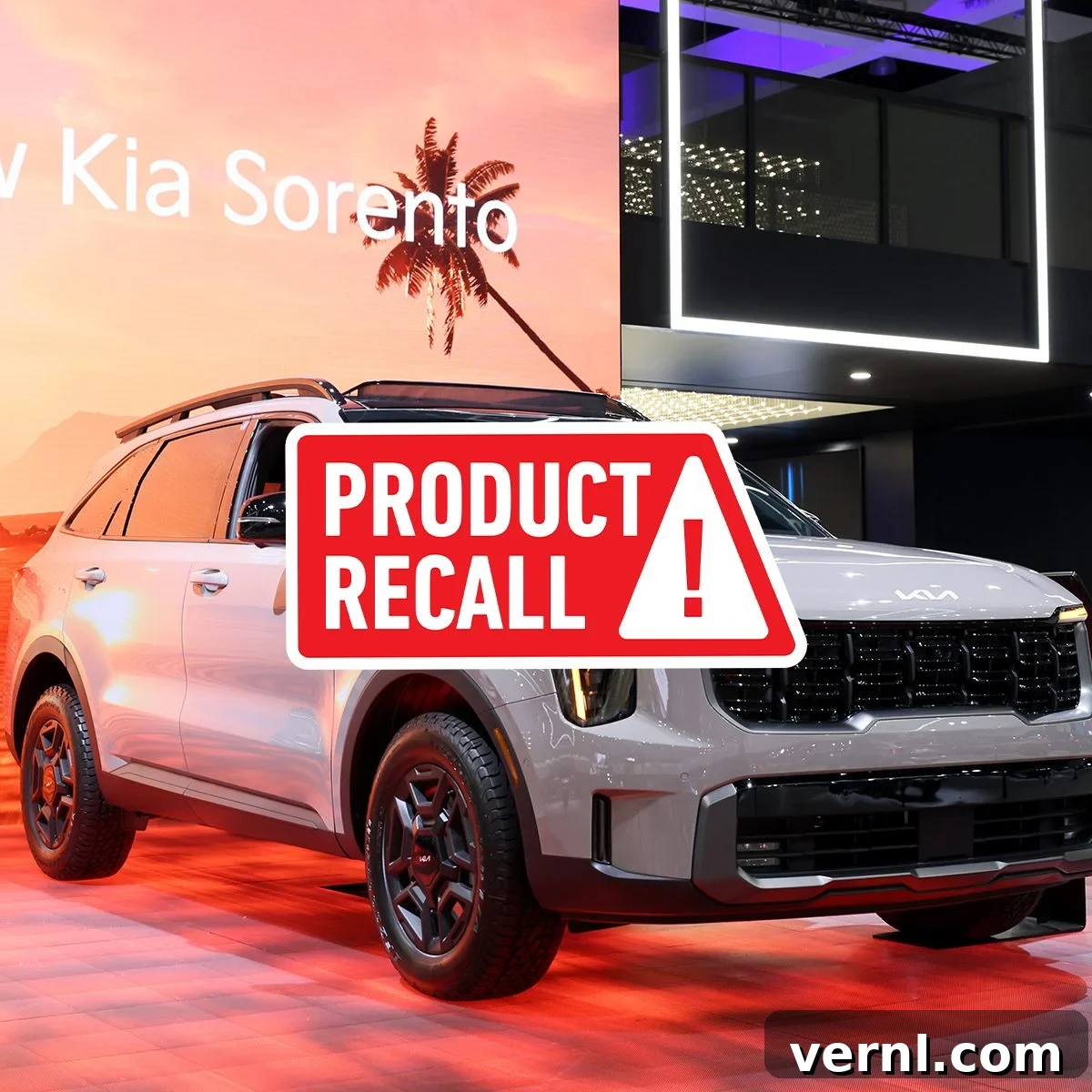
Urgent Safety Alert: Kia Sorento Recall for Critical Headlight and Taillight Failure Risk
In the intricate design of modern automobiles, certain features are so fundamental to safe operation that we often overlook their constant performance – until they tragically fail. Vehicle lighting, specifically headlights and taillights, are paramount among these, providing essential visibility for the driver and ensuring the vehicle itself is seen by others. While many contemporary cars offer automatic lighting systems, seamlessly integrating these functions into daily driving, a malfunction can instantly transform a routine journey into a perilous situation. Kia America, Inc. (Kia) has recently issued a significant recall affecting tens of thousands of its popular Sorento SUVs, addressing a critical risk of light failure that could have severe safety implications. This comprehensive guide delves into the details of the National Highway Traffic Safety Administration (NHTSA) recall brief, empowering owners with the crucial information needed to understand the issue and take appropriate action.
Why is Kia Recalling Sorento SUVs? Understanding the Software Glitch
The core of this urgent recall stems from a sophisticated yet flawed component: the Body Domain Control Unit (BDC). According to the detailed NHTSA brief, a specific “software error in the Body Domain Control Unit (BDC)” is the culprit. This error has the potential to trigger a complete and sudden “loss of low beam headlights and taillights.” The implications of such a failure are profound and immediate. As the brief unequivocally states, “a loss of headlights and taillights can reduce visibility, increasing the risk of a crash.” This isn’t merely an inconvenience; it’s a severe safety hazard that compromises the fundamental ability of a vehicle to be safely operated on public roads, especially during periods of low light, adverse weather, or nighttime driving.
The BDC is a central electronic control unit in modern vehicles, responsible for managing a wide array of comfort and body-related functions, including exterior lighting, interior lighting, power windows, central locking, and more. When a software glitch affects this critical unit, its command over essential safety features like headlights and taillights can be disrupted. This particular defect renders the affected vehicles non-compliant with stringent safety regulations, specifically Federal Motor Vehicle Safety Standard (FMVSS) 108. FMVSS 108 establishes comprehensive standards for lamps, reflective devices, and associated equipment, ensuring that vehicles provide adequate illumination and are sufficiently visible to other road users. A failure to meet these standards not only increases accident risk but also carries potential legal implications for manufacturers and liability concerns for drivers.
The severity of this software error cannot be overstated. Unlike a bulb burning out, which might affect a single light, a BDC software error can cause a simultaneous and complete failure of both low beam headlights and taillights. This means that a driver could suddenly find themselves on a dark road with no forward illumination and no rear visibility to other vehicles, creating a profoundly dangerous scenario for everyone on the road. The abruptness of such a failure leaves drivers with little to no time to react, further amplifying the inherent risks involved, particularly in high-speed environments or areas with poor ambient lighting.
Which Kia Sorento Models Are Affected by This Critical Safety Recall?
This significant safety recall impacts nearly 75,000 Kia SUVs across specific model years and configurations, all sharing the same vulnerability to this critical software error. Owners of the following Kia Sorento models are advised to pay close attention to this notice, as their vehicle may be impacted:
- 2024 Sorento (Gasoline models)
- 2025 Sorento (Gasoline models)
- 2025 Sorento Hybrid
- 2025 Sorento Plug-In Hybrid
The inclusion of both gasoline and hybrid variants across the 2024 and 2025 model years signifies a broad range of vehicles potentially at risk. If you own any of these models, it is crucial to understand that your vehicle could be among those with the light-failure risk. While Kia America has stated its intention to proactively mail owner letters to all affected individuals in February 2025, waiting for this notification is not always the best course of action, especially given the immediate safety implications. Until this critical light-failure risk can be professionally remedied by a certified Kia dealership, owners are strongly advised to exercise extreme caution. Avoiding driving the vehicle as much as possible, particularly after dusk, during nighttime hours, or in any low-visibility conditions such as rain, fog, or heavy cloud cover, is paramount. The absence of proper functioning lights not only hinders your ability to see the road ahead but, more critically, means that other drivers on the road will have significantly reduced capability to see your vehicle or react to its presence, dramatically increasing the likelihood of a collision. Owners should be vigilant and consider checking their VIN proactively.
Immediate Steps: What Kia Sorento Owners Should Do Now
Upon learning of a recall, understanding the necessary steps to take is crucial for both your safety and the longevity of your vehicle. Kia America has outlined a straightforward and cost-free remedy for this serious software flaw. The solution involves a necessary software update to the Body Domain Control Unit (BDC), which will be performed at no charge to the owner. This ensures that the essential repair is accessible to everyone affected, removing any financial barrier to resolving this critical safety issue and ensuring all vehicles are brought up to the required safety standard.
Once you receive your official owner letter from Kia, which is expected to be mailed out in February 2025, it will contain comprehensive instructions on how to proceed. This will typically involve scheduling an appointment with your nearest authorized Kia dealership, where trained technicians will apply the necessary software update to your vehicle’s BDC. It is essential to follow these instructions diligently and make arrangements for the service as promptly as possible, as delaying the repair could expose you and others to unnecessary risks.
However, if you have further questions, wish to verify if your specific vehicle is included in the recall before receiving a letter, or simply do not want to wait for the official notification, you have direct avenues for assistance. Both the National Highway Traffic Safety Administration (NHTSA) and Kia customer service are equipped to provide you with immediate support and information. The NHTSA operates a dedicated Vehicle Safety Hotline, which you can reach by calling 1-888-327-4236. When contacting NHTSA, it’s helpful to reference their recall number for this specific issue, which is 25V006000. Alternatively, for direct assistance from the manufacturer, you can call Kia’s customer service line at 1-800-333-4542. If you choose to contact Kia directly, remember to cite recall number SC331 to ensure you receive the most accurate and relevant information regarding the Sorento BDC software recall. These resources are available to provide peace of mind and guide you through the recall process efficiently.
Proactive engagement with this recall is vital. Do not underestimate the dangers posed by a potential loss of vehicle lights. Until the software update is performed, continue to exercise extreme caution when driving, especially during periods when lighting is most critical. Prioritizing this repair safeguards not only your own well-being but also that of your passengers and other road users. Delaying this crucial update could have severe and potentially irreversible consequences.
The Critical Role of Vehicle Lighting in Road Safety
Vehicle lighting systems are far more than mere accessories; they are fundamental safety components whose proper functioning is non-negotiable for safe driving. Headlights serve two primary functions: they illuminate the road ahead, revealing potential hazards, obstacles, and the path forward, and they make your vehicle visible to oncoming traffic. Low beam headlights provide a directed light beam that prevents blinding other drivers, suitable for most urban and suburban driving, especially when other vehicles are present. High beam headlights, offering a much broader and more powerful illumination, are essential for driving on unlit roads at higher speeds, where maximum visibility is required, but must be used judiciously to avoid dazzling other road users.
Taillights, equally crucial, ensure that your vehicle is visible from the rear, especially vital for preventing rear-end collisions. They clearly delineate the vehicle’s presence, width, and position on the road, allowing following drivers ample time to react. Brake lights, which activate upon pedal depression, provide an unambiguous signal of deceleration, warning those behind to slow down. Turn signals communicate your intended change of direction, a basic courtesy and legal requirement that prevents side-swipes and promotes orderly traffic flow. The combination of these lights creates a comprehensive system that enables safe interaction between vehicles, especially in adverse conditions like heavy rain, dense fog, snow, or simply after sunset. The absence or malfunction of any of these elements significantly escalates the risk of an accident.
A failure in any part of this system, particularly a complete loss of low beam headlights and taillights as in the Kia Sorento recall, severely compromises a vehicle’s ability to perform its most basic safety functions. Without headlights, navigating dark roads becomes a perilous endeavor, with reduced reaction time to unexpected obstacles or pedestrians. Without taillights, your vehicle essentially becomes a ghost on the road to those behind you, an invisible hazard waiting for an unavoidable impact. The potential consequences range from minor fender benders to catastrophic multi-vehicle accidents, underscoring why such recalls are treated with the utmost urgency by both manufacturers and regulatory bodies. This critical safety function is why FMVSS 108 is such a vital standard.
Understanding Automotive Recalls: Your Rights and Responsibilities
Automotive recalls are a critical component of consumer protection and road safety, acting as a safeguard against design flaws, manufacturing defects, or software errors that could endanger drivers and passengers. When a manufacturer or the NHTSA identifies a safety-related defect in a batch of vehicles, a recall is issued. The purpose of a recall is not to punish the manufacturer but to proactively rectify a problem that could lead to injury or death, thereby ensuring public safety. The NHTSA, as the primary regulatory body for vehicle safety in the United States, plays a pivotal role in this process. They investigate potential defects, monitor manufacturer responses, and ensure compliance with safety standards like FMVSS 108 through rigorous testing and oversight.
As a vehicle owner, you have fundamental rights and crucial responsibilities concerning recalls. Your primary right is to have any safety defect remedied free of charge by the manufacturer. This typically involves repairs performed at authorized dealerships, covering parts and labor, ensuring that no financial burden is placed on the consumer for a manufacturer’s defect. Your responsibility, in turn, is to promptly respond to recall notices. Ignoring a recall can lead to serious consequences, not only for your safety but also potentially for your vehicle’s warranty or insurance claims in the event of an accident related to the unaddressed defect. It is highly recommended to keep your vehicle registration information updated with the manufacturer so that recall notifications reach you accurately and in a timely manner. Recalls are a testament to an ongoing commitment to vehicle safety, constantly evolving as automotive technology advances and new potential risks are identified.
The Evolving Landscape of Automotive Technology and Software Safety
The modern automobile is a complex machine, increasingly reliant on sophisticated software to manage virtually every aspect of its operation. From engine management and transmission control to infotainment systems and critical safety features like advanced driver-assistance systems (ADAS) and, as we’ve seen, lighting systems, software is the invisible backbone. The Body Domain Control Unit (BDC) in the Kia Sorento recall is a prime example of this integration; a single software error within this unit can compromise multiple safety-critical functions, highlighting the profound impact of digital control on vehicle reliability and safety. This paradigm shift means that software quality control is as crucial as mechanical engineering.
This increasing reliance on software brings both immense benefits and new challenges. Software allows for greater efficiency, more refined control, and the integration of advanced features that enhance comfort and safety, leading to a more pleasant and potentially safer driving experience. However, it also introduces the possibility of software bugs, glitches, or vulnerabilities that can affect thousands of vehicles simultaneously, requiring complex diagnostic tools and over-the-air update capabilities. The Sorento recall underscores the absolute necessity for rigorous software testing, robust cybersecurity measures, and rapid, effective deployment of updates or patches when issues are identified. As vehicles become more connected and autonomous, the integrity and security of their software will become even more paramount, demanding continuous vigilance from manufacturers and regulatory bodies alike. This incident serves as a stark reminder that even seemingly minor software flaws can have major safety implications in an age where cars are essentially computers on wheels, and their digital brains dictate their performance and safety.
Staying Informed: How to Check for Vehicle Recalls
Given the critical nature of recalls like the Kia Sorento headlight and taillight failure, it is essential for every vehicle owner to know how to proactively check for potential recalls affecting their car. While manufacturers are obligated to send notifications by mail, these letters can sometimes be delayed, lost, or overlooked, leaving owners unaware of potentially dangerous defects. Fortunately, several reliable resources exist to help you stay informed and ensure your vehicle is up-to-date on all safety bulletins:
- NHTSA Website: The National Highway Traffic Safety Administration offers a comprehensive online tool where you can check for recalls using your Vehicle Identification Number (VIN). Simply visit www.nhtsa.gov/recalls and enter your 17-character VIN. This will display any unaddressed recalls specific to your vehicle, regardless of the manufacturer, providing a centralized and authoritative source of information.
- Manufacturer Websites: Most automotive manufacturers, including Kia, maintain dedicated recall sections on their official websites. You can often enter your VIN there to check for recalls specific to their brand, which might also provide additional manufacturer-specific details or scheduling options.
- Register Your Vehicle: When you purchase a new or used vehicle, ensure that your ownership information is registered with the manufacturer. This allows them to directly send you recall notices and other important safety information, ensuring you don’t miss crucial communications.
- Sign Up for Alerts: The NHTSA website also offers an option to sign up for email alerts for specific makes and models, ensuring you receive timely notifications about any new recalls as soon as they are announced.
Regularly checking these resources, even if you haven’t received a direct notification, is a responsible practice that contributes significantly to overall road safety. Taking a few minutes to verify your vehicle’s recall status can provide peace of mind and, more importantly, prevent a potentially dangerous situation for yourself and other road users. Always prioritize vehicle safety; it’s an investment in your well-being.
The Kia Sorento recall for headlight and taillight failure is a serious reminder of how critical seemingly small software errors can be in modern vehicles. It underscores the vital role of essential lighting systems for both seeing and being seen on the road. For owners of affected 2024 and 2025 Sorento models, immediate attention to this issue is paramount. While Kia has committed to providing a free software update, being proactive by contacting customer service or checking the NHTSA website can expedite the resolution process and minimize your risk. Prioritizing this recall not only ensures compliance with safety standards but, more importantly, protects your life, your passengers, and everyone else sharing the road. Stay informed, act swiftly, and drive safely.
Source