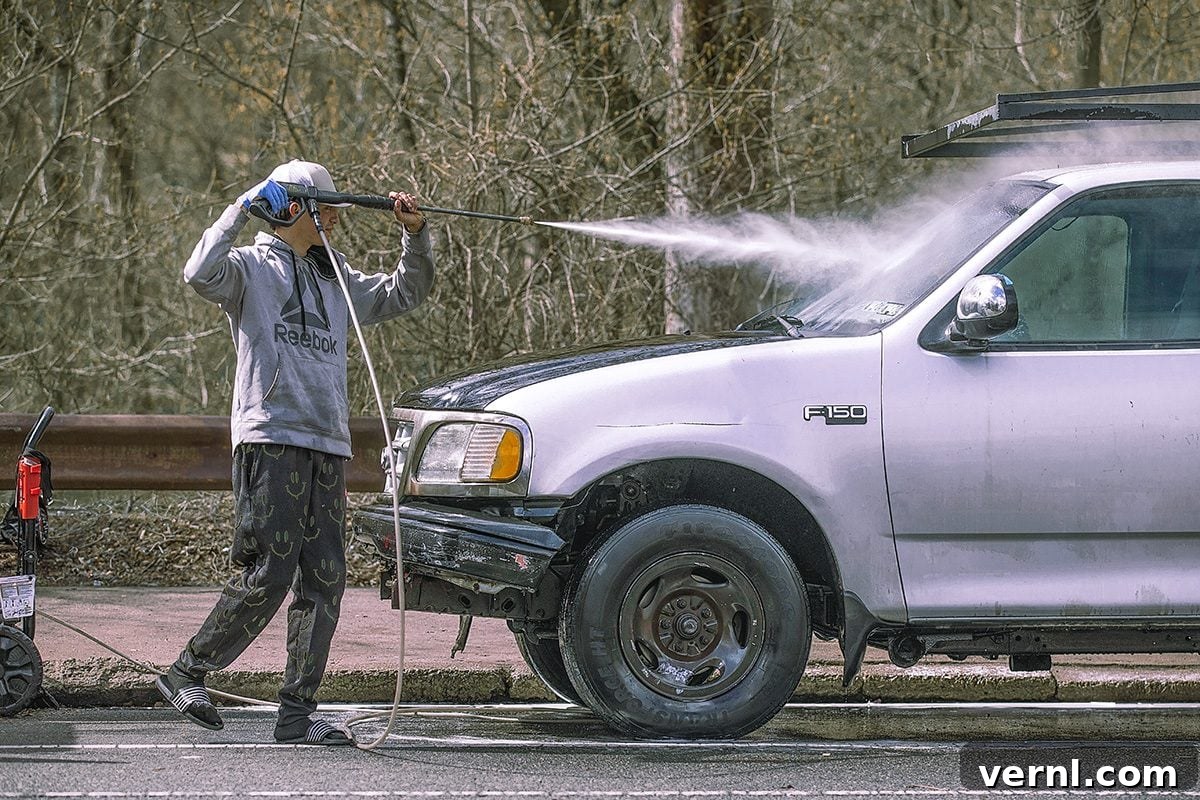
For many car owners, a pristine vehicle is a source of pride. We meticulously clean the interior, wax the exterior, and keep it shining. However, one of the most common and frustrating enemies to a car’s flawless finish often comes from above: bird droppings. If you’re like me, a fresh wash can quickly be undone by an unexpected deposit, especially on a dark-colored car where even the smallest smudge stands out glaringly. The problem isn’t just aesthetic; bird poop is a genuine threat to your car’s paintwork, particularly when exposed to the sun’s heat.
Recently, I faced this exact dilemma. Short on time, I opted for an automatic car wash, hoping for a quick solution. While my car emerged sparkling clean in most areas, the stubborn bird droppings remained, mocking my efforts. This experience begged the question: are automatic car washes truly capable of tackling these tenacious stains, or do they fall short? To uncover the truth and provide effective solutions, we’ve gathered expert insights from Dan Mastroianni, General Manager at Gary Rome Car Wash, to guide you through the best strategies for bird poop removal and prevention.
Why Bird Poop Is So Damaging to Your Car’s Paint
Understanding why bird droppings are such a persistent problem is the first step in effective removal. Bird poop isn’t just dirt; it’s a potent cocktail that can quickly wreak havoc on your car’s clear coat. “Bird poop is quite acidic and will etch into the clear coat,” explains Dan Mastroianni. This acidity is due to the uric acid content, a primary component of bird waste. Unlike mammal urine, bird droppings contain uric acid as a semi-solid white paste, alongside darker fecal matter.
When this acidic substance lands on your car, it immediately begins to interact with the protective clear coat. The problem is exacerbated during hot weather. Heat accelerates the drying process, causing the droppings to harden rapidly and bond more intensely to the paint surface. More critically, the heat also amplifies the corrosive effects of the uric acid, allowing it to “etch” into the clear coat much faster. If left untreated for too long, this etching can lead to permanent discoloration, dull spots, or even visible pits in the paint, even after the physical droppings are eventually removed. This irreversible damage is precisely why prompt action is not just recommended, but absolutely crucial to preserving your car’s finish and avoiding costly paint correction or repainting.
Can Automatic Car Washes Effectively Remove Bird Poop?
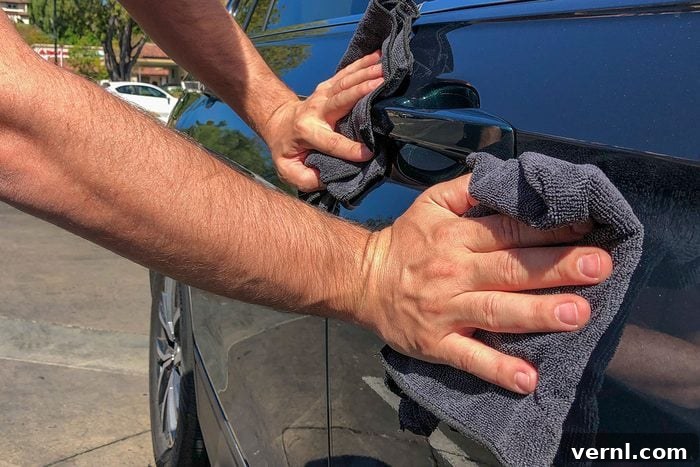
The short answer is yes, car washes *can* remove bird poop, but their effectiveness largely hinges on two critical factors: the freshness of the droppings and the type of car wash you choose. Fresh bird droppings, still wet or only lightly dried, are much easier for most automatic car washes to tackle. The soaps and high-pressure water can often dislodge these relatively easily.
However, when dealing with dried, baked-on, or older droppings, automatic car washes often fall short. These hardened stains require more targeted attention, something standard automatic processes may not provide. Some advanced car washes offer pre-soak treatments or specialized bug-and-tar removers, which can certainly help loosen stubborn messes. While these treatments are beneficial for general grime, for deeply ingrained bird poop, a more direct and often manual approach remains the most effective and safest bet to prevent damage.
Choosing the Right Car Wash for Stubborn Bird Droppings
When your primary concern is bird poop removal, not all automatic car washes are created equal. Dan Mastroianni advises opting for facilities that utilize brushes, rather than touchless systems. “Automated car washes with brushes work better when it comes to bird droppings baked in by the sun,” he states. The key advantage here is the mechanical friction provided by the brushes, which can physically scrub away hardened residue. Touchless washers, relying solely on high-pressure water and chemicals, often struggle with these tenacious, baked-on spots due to the lack of direct physical contact.
Beyond the basic wash type, Mastroianni highlights the value of car washes that employ attendants for pre-treatment. “We have two attendants who use a pressure wash to prep all sides of your car before you go through,” he explains. This crucial step allows professionals to manually target specific problem areas, like bird droppings, loosening them significantly before the car enters the main wash tunnel. This greatly increases the chances of complete removal.
Furthermore, the tier of wash you select can also make a noticeable difference. Mastroianni points out that higher-tier washes often include additional features. “Our lowest tier wash for $10 does not have side blasters and undercarriage sprayers, but our three upper tier washes do use these,” he says. These supplementary sprayers deliver more concentrated water pressure from various angles, enhancing the overall cleaning power and making them more effective at dislodging dirt and bird poop from hard-to-reach areas and flat surfaces.
Essential Methods to Safely Remove Bird Poop from Your Car
The goal is always to remove bird droppings as quickly and gently as possible to avoid paint damage. Here are the most effective and recommended methods:
1. The High-Pressure Rinse Method
According to Dan Mastroianni, using high-pressure water is the safest and most effective initial approach for bird poop removal. The technique involves directing a focused stream of water at the droppings to soften and lift them without requiring any abrasive scrubbing. For this, a standard garden hose equipped with a spray nozzle attachment set to a strong jet is ideal.
The critical advice here is: “Never take a damp cloth and try to rub bird poop off your car,” Mastroianni warns. Bird droppings often contain tiny abrasive grit, similar to sand. Rubbing this gritty substance directly on your car’s paint, even with a damp cloth, can create microscopic scratches in the clear coat. Instead, spray the affected area from a safe distance, allowing the water pressure to work its magic. For particularly stubborn or dried spots, spray the area, let the water soak in for a few minutes to rehydrate and loosen the droppings, then spray again. Repeat this process until the residue is softened and can be rinsed away cleanly.
2. The Soak-Then-Rinse Technique for Dried Poop
When bird droppings have dried and hardened, a simple high-pressure rinse might not be sufficient on its own. This method requires a bit more patience but is highly effective. Start by taking a clean, soft microfiber cloth and dampen it thoroughly with warm water. Gently lay the damp cloth directly over the dried bird poop, ensuring it completely covers the stain. Leave the cloth in place for five to ten minutes, or even longer for extremely stubborn, baked-on droppings.
The moisture from the cloth will rehydrate and soften the hardened bird poop, breaking its bond with your car’s surface. After sufficient soaking, carefully lift the cloth (without wiping or dragging it across the paint). You should notice the droppings have significantly softened. Now, use a high-pressure water spray (as described above) to rinse away the softened residue. For any remaining stubborn bits, repeat the soaking process, allowing more time for the moisture to penetrate.
3. Low-Pressure Rinse for Fresh Droppings
For fresh bird poop that is still wet and has not had a chance to dry or harden, a simple low-pressure rinse with a hose is often all that’s needed. The key here is immediacy. The moment you spot fresh droppings, grab your hose and gently rinse them away. Since they haven’t bonded with the paint or become acidic, they should slide off easily without leaving any residue or causing damage.
Crucial Mistakes to Avoid During Bird Poop Removal
- Dry Wiping: Never attempt to wipe bird droppings off a dry surface. As Mastroianni highlighted, bird poop contains abrasive particles that will scratch your paint. Always lubricate the area with water or a specialized cleaner first.
- Using Harsh Household Cleaners: Avoid using kitchen cleaners, dish soap, or other household products not designed for automotive paint. These can strip waxes, degrade clear coats, or leave behind streaks and residue. Stick to car-specific products.
- Scrubbing Aggressively: Even with water, aggressive scrubbing can cause micro-scratches. Let the water and softening agents do the work, then gently blot or rinse.
- Ignoring the Problem: The longer bird poop remains on your car, especially in the sun, the higher the risk of permanent etching and paint damage. Act quickly!
Protecting Your Car from Future Bird Droppings
Prevention is always better than cure, especially when it comes to protecting your car’s paint from the corrosive effects of bird droppings. Here are some proactive steps you can take:
- Smart Parking: Whenever possible, avoid parking under trees, power lines, or streetlights where birds frequently perch. Garages and carports offer the best protection.
- Car Covers: If you regularly park outdoors, a breathable car cover can provide excellent protection against bird droppings, dust, and other environmental contaminants.
- Waxing and Sealants: Regularly applying a high-quality car wax, paint sealant, or ceramic coating creates a sacrificial barrier over your car’s clear coat. This layer not only enhances shine but also makes it harder for bird droppings to bond directly to the paint, making them easier to remove and providing a crucial buffer against acidic etching.
- Quick Detailer Sprays: Keep a bottle of pH-neutral quick detailer spray and a clean microfiber cloth in your car. This allows for immediate, safe spot cleaning of fresh droppings when you’re away from a hose.
When to Seek Professional Help
Despite your best efforts, sometimes bird droppings can cause significant damage. If you notice signs of etching, dull spots, or discoloration that persist even after careful cleaning, it might be time to consult a professional auto detailer or paint correction specialist. They have the expertise and tools (like polishing compounds and orbital buffers) to safely remove minor paint defects and restore your car’s finish. Early intervention can prevent minor etching from becoming a major paint repair job.
Conclusion
Bird poop is more than just a nuisance; it’s a serious threat to your car’s paintwork due to its acidic nature and abrasive texture. While automatic car washes can handle fresh droppings, baked-on stains often require more targeted methods. Prioritizing quick action, using proper high-pressure rinsing or soaking techniques, and avoiding abrasive scrubbing are paramount to preserving your vehicle’s finish. By understanding the science behind the damage and implementing proactive measures like smart parking and paint protection, you can keep your car looking pristine and protected from the sky’s unexpected assaults. Always remember, a little preventative care and timely action go a long way in maintaining your car’s aesthetic appeal and value.
About the Expert
- Dan Mastroianni is the General Manager of Gary Rome Car Wash in Holyoke, Massachusetts, offering extensive expertise in car care and maintenance.
Related Car Care Tips
- Do You Know What That Little Button on Your Seat Belt Is For?
- What Those Lines on Your Backup Camera Really Tell You
- Here’s What The Small Panel On Your Car’s Front Bumper Is For