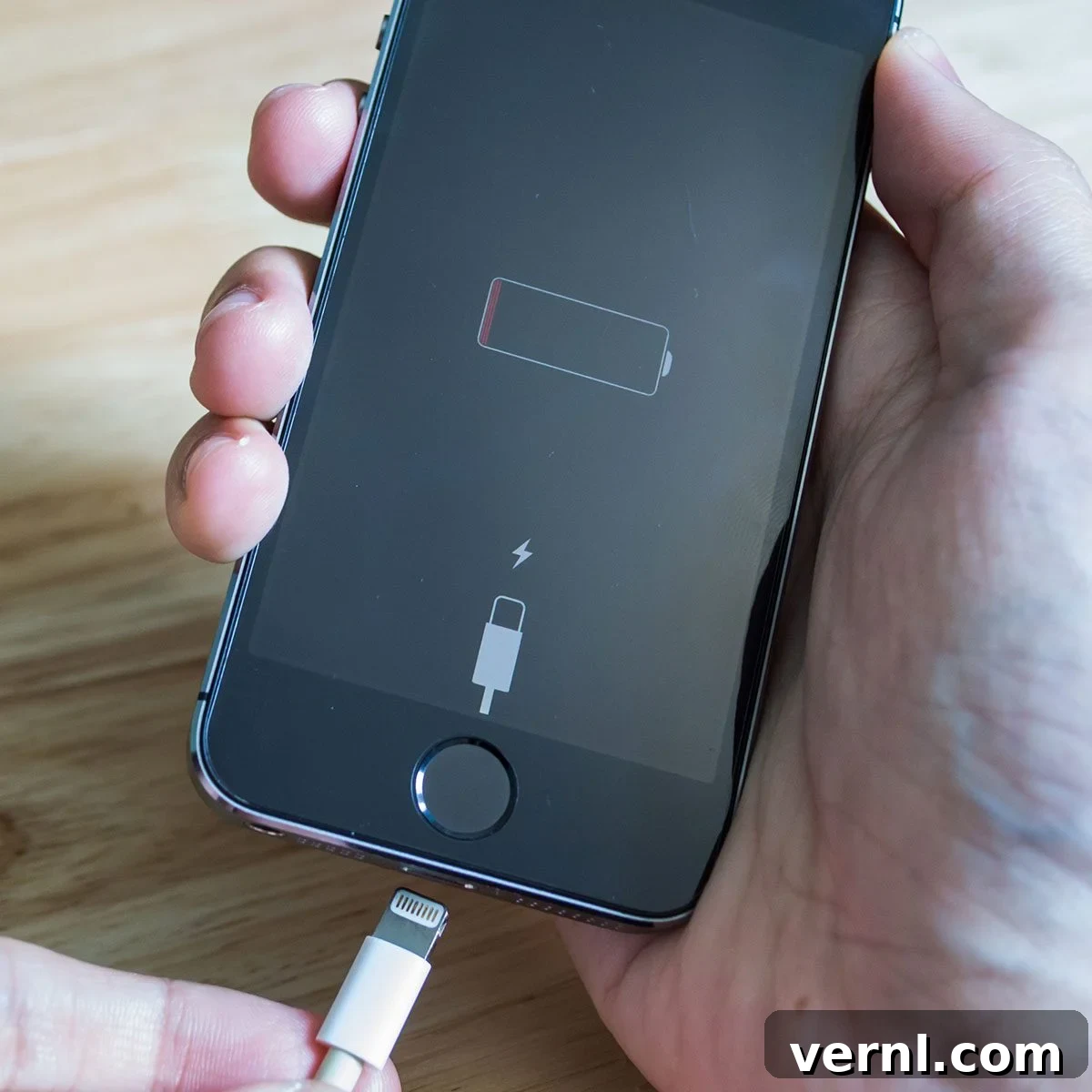
Battery Myths Busted: How to Maximize the Life of Your Devices
Cordless tools, cell phones, electric vehicles, and other rechargeable devices have become integral to our lives since the 1980s. While the convenience they offer is undeniable, the technology powering these devices – batteries – has undergone significant evolution. Understanding how to properly care for these batteries is crucial to maintaining their performance and longevity. Many people still cling to outdated battery care practices that are no longer relevant to modern battery technology.
I remember purchasing my first cordless power saw back in 1990. It was a Hitachi, and I quickly learned about the dreaded “memory effect.” The conventional wisdom at the time dictated that you had to completely discharge your battery periodically to preserve its charging capacity. Unfortunately, I wasn’t aware of this, and my battery life noticeably deteriorated over time.
The old-school nickel-cadmium (Ni-Cd or NiCad) batteries employed a fundamentally different technology compared to the lithium-ion (Li-ion) batteries that dominate the market today. The “memory effect” is essentially a relic of the past, yet the misconception persists. As Steven Athwal, a specialist in refurbished cell phones, points out, “I’ve heard people say that they fully drain their phone once in a while because it’s ‘good’ for the phone, in the same way as clearing cache or deleting photos to clean up space… but it doesn’t quite work like that.”
So, what’s the real story? How do modern batteries actually work, and what kind of care do the batteries in your phones, tools, and cars truly require to ensure optimal performance and longevity?
Why the Myth Persists: Understanding the Legacy of NiCad Batteries
The enduring belief in the “memory effect” is rooted in the widespread use of NiCad batteries in the past. These batteries, invented in 1899, powered a diverse range of devices, from cordless tools and electric toothbrushes to early cell phones from the 1960s well into the new millennium. However, due to environmental concerns and limitations in energy density, NiCad batteries began to be phased out in the early 2000s.
NiCads were initially replaced by Nickel-Metal Hydride (Ni-MH) batteries, which exhibited a significantly reduced memory effect. Ultimately, Li-ion batteries emerged as the superior alternative, boasting no memory effect whatsoever. While some specialized applications, such as medical devices, emergency lighting, and backup power systems, still utilize NiCads due to their ability to deliver high currents, they are no longer commonly found in consumer electronics (except in older devices).
Despite the shift to modern batteries that don’t suffer from the memory effect, Athwal notes that “people are still going to think it, even subconsciously.” This ingrained belief underscores the importance of dispelling outdated battery care advice.
The Memory Effect Explained: How NiCad Batteries Worked
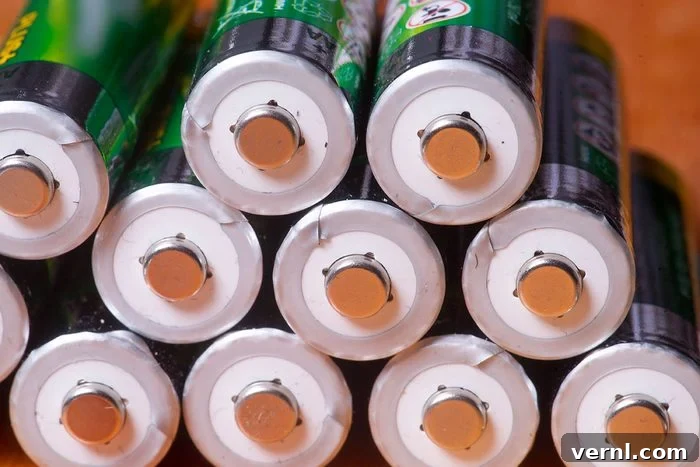
The “memory effect” observed in older NiCad batteries was a consequence of crystal formation on the anode (the negatively charged terminal). During discharge, cadmium on the anode reacted with hydroxide ions from the electrolyte, leading to the formation of larger cadmium hydroxide crystals and the release of electrons. The charging process reversed this reaction.
If a NiCad battery wasn’t fully discharged before being recharged, some of the larger crystals would remain on the anode, effectively taking up space and reducing the area available for cadmium ions to interact. This phenomenon led to a gradual decrease in the battery’s capacity over time.
Repeatedly charging the battery fully and then only partially discharging it exacerbated the problem, leading to the formation of more and more crystals on the anode. Consequently, the battery’s ability to hold a charge diminished progressively. This is why regularly allowing NiCad batteries to discharge completely (at least once a month) was considered good practice.
Furthermore, the crystals could be disrupted by applying an external power source, such as a 12-volt car battery, effectively “shocking” the battery.
How Modern Lithium-Ion Batteries Work: No Crystals, No Memory Effect
Lithium-ion batteries operate on a fundamentally different principle than NiCad batteries. The energy generated by a Li-ion battery is solely dependent on the movement of lithium ions between the anode and the cathode through a lithium-salt electrolyte. Crucially, no crystals are formed during this process, eliminating the possibility of a memory effect.
The anode, typically made of graphite, is positively charged, while the cathode, a metal oxide containing lithium (such as lithium cobalt oxide or lithium iron phosphate), is negatively charged. Lithium ions shuttle between these two electrodes through the electrolyte, which selectively blocks the movement of electrons, forcing them to flow through an external circuit to power the load.
A porous separator is also an essential component of the battery, allowing lithium ions to pass through while preventing the electrodes from making contact, which would cause a short circuit.
During discharge, lithium ions travel from the anode to the cathode, releasing electrons that flow through an external circuit, powering the connected device. When a charger is connected, it provides the energy necessary to push the lithium ions back to the anode, replenishing the battery’s charge. This cycle can be repeated hundreds of times without any significant degradation of performance, provided the battery is properly cared for.
Is It Bad to Let Your Battery Die Completely? The Impact of Extreme Charging Levels
While Li-ion batteries don’t suffer from the memory effect, they are still susceptible to degradation over time. “Li-ion batteries age faster when they’re kept at spectrum extremes (always 100% or frequently 0%),” explains Athwal. “Letting your phone die occasionally won’t ruin your device, but doing it often will shorten its lifespan.”
This principle applies universally to all Li-ion batteries, regardless of the device they power. Tesla, a leading manufacturer of electric vehicles that utilize Li-ion batteries, provides similar battery care advice to its new owners.
The Sweet Spot: Maintaining an Optimal Charging Range
“Lithium-ion cells appear to be in the best condition within their middle level of charge, approximately 20-80 percent,” advises Ethan Heine, a solar contractor with extensive experience in battery technology. “The material in these cells becomes stressed by extremely low and extremely high levels of charge.”
This “20-80 rule” aligns perfectly with Tesla’s recommendations for battery care, reinforcing its importance in maximizing battery lifespan. Athwal concurs, stating that “The healthiest range is roughly 20–80 percent. You don’t need to micromanage it, but staying out of the extremes gives the battery a much longer life.”
Applying the Principles to Tool Batteries: A Practical Guide
The 20-80 rule generally applies to tool batteries as well, provided they are Li-ion batteries. However, if you own older tools powered by NiCad batteries, it’s crucial to drain the batteries completely before recharging them at least once a month to prevent capacity loss due to the memory effect.
Unlike phone and car batteries, tool batteries are often stored for extended periods. To preserve their lifespan during storage, Dr. Lee Pan, writing for Large Power, recommends charging them to approximately 50 percent before storing them in a cool (59-68°F or 15-20°C), dry environment.
Frequently Asked Questions About Battery Care
Is it bad to leave my phone plugged in overnight?
Generally, no. While charging your phone to 100 percent does generate heat, which can potentially shorten battery life over time, many modern smartphones incorporate adaptive charging features designed to mitigate this issue. For example, my iPhone utilizes an adaptive charging system that learns from my charging habits and intelligently maintains the charge at 80 percent until just before I typically use the phone, at which point it completes the charge to 100 percent. Phones from other manufacturers, as well as some external chargers, also offer similar smart charging capabilities.
Is fast charging bad for batteries?
Usually, no. “Fast charging is fine when it’s needed. It’s the heat that ages the battery, not the speed itself,” asserts Athwal. Heine adds, “Rapid charging is generally considered safe as long as the device does not get too hot during the charging process. However, repeatedly rapidly charging a device that gets hot will shorten its lifespan.” Therefore, it’s essential to monitor the temperature of your device during fast charging and avoid prolonged exposure to excessive heat.
About the Experts: Insights from Industry Leaders
- Steven Athwal is the Founder of The Big Phone Store, a leading UK-based seller of refurbished phones.
- Ethan Heine is the President and CEO of Suntrek Solar, a third-generation solar contractor with extensive knowledge of battery technology.
Sources: Credible Information You Can Trust
- Tesla: Range Tips; (2025)
- Large Power: Best Charge Level for Lithium Battery; (2021)