
How Often Should You Shovel Snow? A Comprehensive Guide to Winter Safety
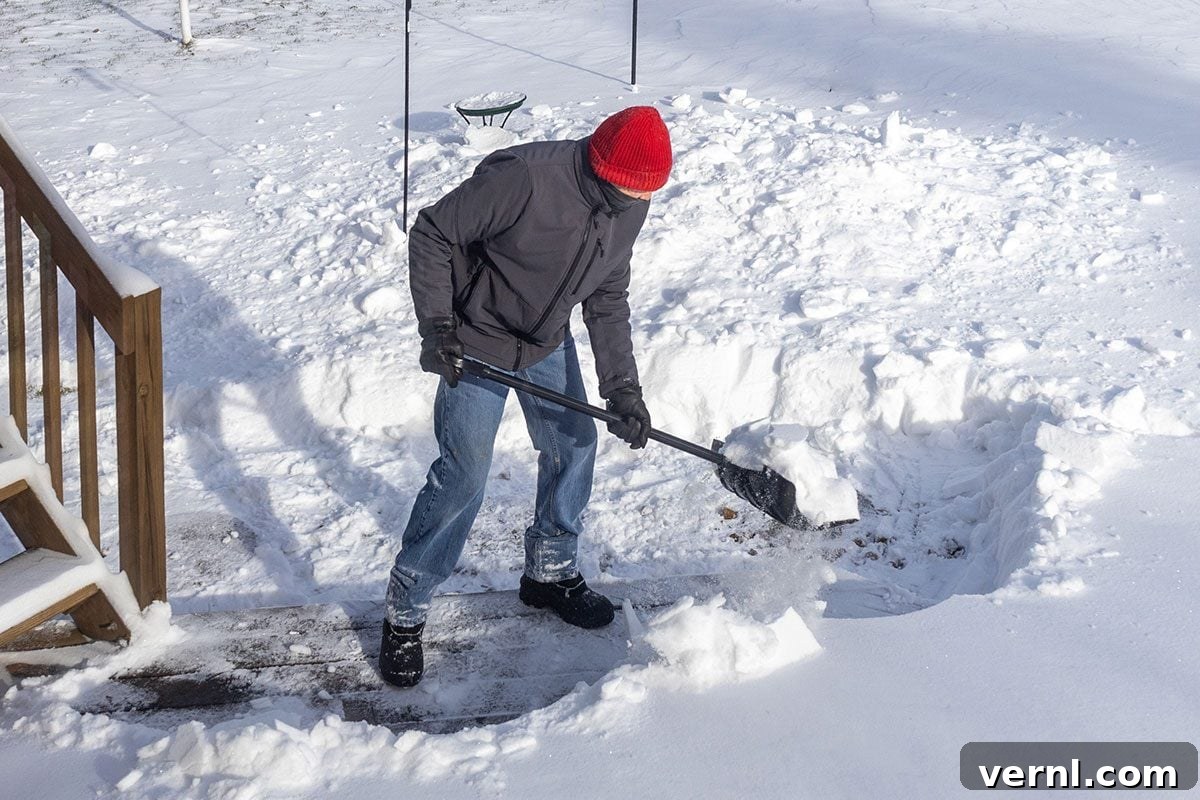
When winter storms hit, the last thing many of us want to do is brave the elements to shovel snow. The allure of a warm fireplace is strong, but delaying the task can actually make it more strenuous and potentially hazardous for your health. Understanding the optimal snow shoveling frequency is crucial for safeguarding your well-being and maintaining a safe property.
Dr. Milica McDowell, a seasoned physical therapist, emphasizes the potential cardiovascular strain of infrequent, heavy snow shoveling. “If you are not accustomed to snow shoveling, a continuous activity involving heavy lifting, you could subject your cardiovascular system to unforeseen stresses,” she cautions. This raises a valid question: Is it less demanding to shovel periodically during the storm rather than tackling a massive accumulation afterward? The answer lies in a nuanced understanding of various factors.
The Importance of Shoveling Frequency
Each snowstorm presents unique challenges, making a one-size-fits-all approach ineffective. Prioritize your heart health, back safety, and overall comfort while also considering the safety of those who use your walkways and driveway. While some regions have specific snow-removal requirements, even in the absence of such mandates, snow-covered walkways pose a significant hazard and potential liability.
Factors Influencing Shoveling Frequency
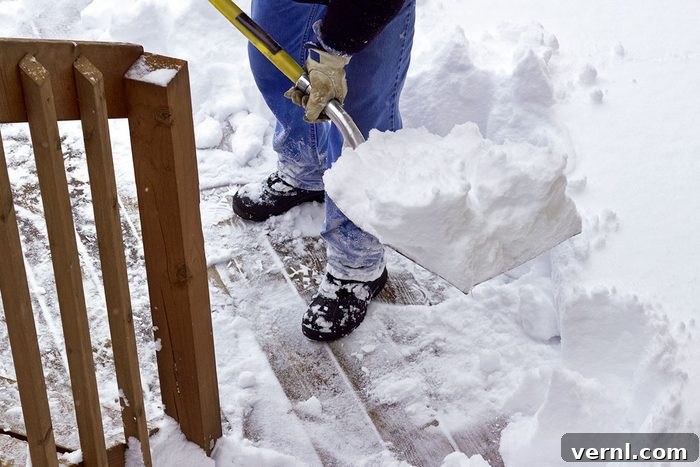
The decision to shovel during or after a snowstorm depends on several key factors:
- Storm Intensity: In cases of heavy snowfall with rates exceeding several inches per hour, coupled with strong winds and drifting snow, maintaining a clear path becomes virtually impossible. In such scenarios, waiting for the storm to subside is often the most prudent choice.
- Local Regulations: Snow removal regulations vary significantly. Maine, for example, mandates snow removal within 12 hours of snowfall, while other states have more lenient or non-existent rules, delegating rule-making to local communities. Familiarize yourself with your local ordinances to ensure compliance.
- Sleet or Freezing Rain: When sleet or freezing rain follows snowfall, leaving the snow undisturbed can be advantageous. The snow layer acts as a barrier, preventing ice formation on concrete and asphalt surfaces, which significantly reduces the risk of slips and falls. Delay shoveling until the rain ceases.
- Personal Health: Snow shoveling places considerable stress on the heart and back, particularly when dealing with accumulated, compacted snow. The National Safety Council cautions that exertion in cold weather can trigger heart attacks in susceptible individuals. Those with pre-existing heart conditions should only shovel light, powdery snow. Shoveling incrementally during the snowfall allows you to manage lighter loads, minimizing strain. If windy or rainy conditions are absent, frequent, light shoveling can be beneficial for your cardiovascular health.
The Benefits of Incremental Shoveling
Landscaper Daniel Crowley advocates for shoveling in stages, stating, “People often believe that shoveling during a storm is counterproductive, but it’s actually a smart approach! I consistently recommend this to homeowners, as it’s gentler on the body and the yard.” The advantages of this approach include:
- Lighter Snow: Freshly fallen snow is significantly lighter and easier to manage, reducing stress on your heart and back.
- Reduced Yard Damage: You are less likely to damage grass and gravel along walkways by digging into frozen ground.
- Clear Walkways: Maintaining clear walkways ensures safe passage for those who need to use them during the storm. Crowley emphasizes the danger of obscured pathways: “Imagine not being able to see where you’re stepping or going. It’s incredibly risky.”
General Shoveling Guidelines for Heavy Snowfall
Snow shoveling is undoubtedly a demanding activity. To minimize the risk of injury, consider these guidelines from Dr. McDowell:
- Avoid Twisting: Employ a robotic motion to minimize lower back strain. Push the snow forward, bend your knees to lift it, and turn your entire body to deposit it to the side, avoiding twisting movements.
- Push, Don’t Lift: Whenever possible, push snow out of the way rather than lifting it. This reduces the load on your back.
- Dress Warmly: Cold temperatures constrict blood vessels, increasing strain on the heart. Wear layers of warm clothing to maintain body temperature.
- Alternate Sides: Dr. McDowell advises, “Most people are right-handed and tend to shovel to their right, which can cause muscle irritation. Employ a 50-50 shoveling technique, alternating between shoveling to the right and left.”
- Warm Up: Prepare your body for exertion with indoor exercises to elevate your heart rate. Marching in place, climbing stairs, or performing squats are effective options. Even a brisk walk around the house can help.
- Take Breaks: Work slowly and methodically, allowing yourself frequent breaks to catch your breath and reduce stress on your heart.
When It’s Best to Wait
There are times when battling the elements is simply not worth the effort. When snow is drifting, falling too rapidly to manage, or turning to rain, it’s wiser to stay indoors and wait for conditions to improve.
Frequently Asked Questions (FAQ)
Do the Same Rules Apply to Snow Blowing?
Crowley notes, “Clearing snow in layers benefits your snow blower by reducing stress on the machine. It also prevents the scattering of gravel, mulch, and decorative stones.”
Snow blowers can handle significantly larger snow accumulations than shovels. Therefore, using a snow blower allows you to wait for more favorable conditions before clearing walkways.
Can I Wait if I Plan to Use Ice Melt Later?
Applying ice melt to deep snow is not recommended. Ice melt is most effective when applied to bare pavement. When used on deep snow, it becomes diluted and less effective. Furthermore, it can melt some of the snow, which may refreeze and create ice, making cleanup more difficult and increasing the overall weight of the snow.
Expert Insights
- Daniel Crowley is the founder of Hello Gravel, a company dedicated to simplifying gravel delivery nationwide.
- Dr. Milica McDowell is a Doctor of Physical Therapy with over 20 years of experience in sports and orthopedics. She is also a certified personal trainer, exercise physiologist, team and endurance sport coach, gym owner, 13-time Ironman finisher, 50K finisher, and CrossFit Level 1 certified coach.
By understanding the factors that influence snow shoveling frequency and implementing proper techniques, you can protect your health, maintain a safe property, and navigate winter weather with greater confidence.