

Car Insurance Rates Across the US: A State-by-State Breakdown for 2024
Are you curious about the average auto insurance cost in your state and how it compares to the national average? Understanding the factors that influence car insurance rates can empower you to make informed decisions and potentially save money. This guide provides a detailed overview of car insurance costs by state, highlighting the cheapest and most expensive regions, and explaining the variables that impact your premium.
Whether you’re planning a move or simply seeking to optimize your insurance expenses, this information is invaluable. We delve into the key factors that determine your car insurance rate, providing insights to help you navigate the complexities of the insurance landscape.
Understanding the Factors Influencing Your Car Insurance Rates
Several key factors contribute to the calculation of your auto insurance premium. Location plays a significant role, as insurance companies consider various regional variables. According to industry reports, these factors include road conditions, the density of licensed drivers, the prevalence of uninsured drivers, traffic congestion, and the local cost of living, which directly affects repair and labor expenses.
Beyond location, other critical considerations include climate patterns, historical claims data, and state laws mandating minimum insurance coverage. Weather conditions, such as frequent storms or extreme temperatures, can increase the likelihood of accidents and claims, leading to higher premiums. Local claims history provides insurers with insights into the risk profile of a specific area. Furthermore, state laws dictating the minimum required insurance coverage directly impact the cost of your policy. This guide examines both full coverage and minimum coverage rates to provide a comprehensive understanding of car insurance expenses across different states.
The States with the Cheapest Car Insurance Rates
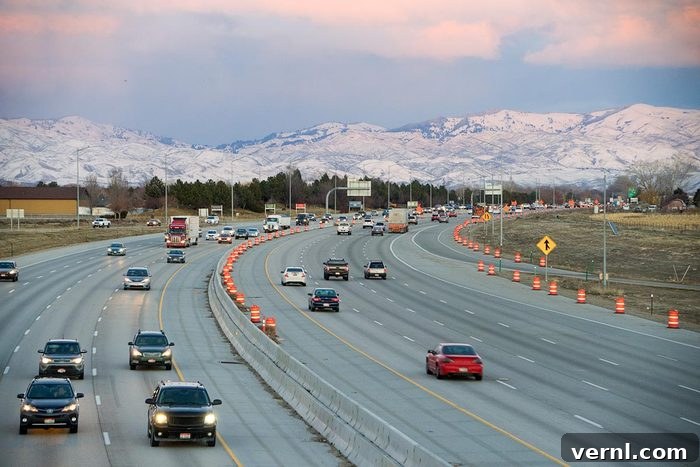
Finding affordable car insurance is a priority for many drivers. Several states offer significantly lower rates than others, making them attractive options for those seeking budget-friendly coverage. The following lists highlight the five cheapest states for both full coverage and minimum coverage policies.
Full Coverage: The Most Affordable States
Full coverage insurance provides comprehensive protection, including liability, collision, and comprehensive coverage. These states offer the lowest average annual premiums for full coverage policies:
- Idaho: $1476/year – Idaho consistently ranks as one of the cheapest states for car insurance, thanks to its low population density, relatively safe driving conditions, and favorable insurance regulations.
- Vermont: $1610/year – Vermont’s low accident rates and small population contribute to its affordable insurance premiums. The state’s focus on safety and responsible driving further helps to keep costs down.
- Maine: $1687/year – Maine’s rural landscape and low traffic density result in fewer accidents, leading to lower insurance rates. The state’s strict enforcement of traffic laws also plays a role.
- New Hampshire: $1694/year – New Hampshire’s unique approach to insurance regulation, with a strong emphasis on individual responsibility, contributes to its lower premiums. The state also benefits from a relatively low population density.
- Indiana: $1709/year – Indiana’s moderate climate and relatively safe driving conditions help to keep insurance rates affordable. The state’s competitive insurance market also contributes to lower prices.
Minimum Coverage: The Most Economical Options
Minimum coverage insurance satisfies the legal requirements of the state, providing basic liability protection. These states offer the lowest average monthly premiums for minimum coverage policies:
- Wyoming: $22/month or $265/year – Wyoming’s sparse population and wide-open spaces result in fewer accidents, leading to extremely low insurance rates. The state’s conservative driving culture also contributes to its affordability.
- Iowa: $28/month or $335/year – Iowa’s safe driving conditions and low population density contribute to its affordable insurance premiums. The state’s emphasis on rural living also plays a role.
- Vermont: $29/month or $351/year – As mentioned previously, Vermont’s low accident rates and small population contribute to its affordable insurance premiums, even for minimum coverage policies.
- South Dakota: $31/month or $374/year – South Dakota’s rural landscape and low traffic density result in fewer accidents, leading to lower insurance rates. The state’s conservative driving culture also contributes to its affordability.
- North Dakota: $33/month or $397/year – Similar to South Dakota, North Dakota’s sparse population and wide-open spaces contribute to its low insurance rates.
The States with the Most Expensive Car Insurance Rates

While some states offer affordable car insurance, others are significantly more expensive. Higher population densities, increased accident rates, and other factors can drive up insurance premiums in these states. Understanding why these states are so expensive can help you prepare for potentially higher costs.
Full Coverage: The Most Costly States
Full coverage insurance provides comprehensive protection, but it comes at a higher price in these states:
- Louisiana: $4135/year – Louisiana consistently ranks as the most expensive state for car insurance due to its high rates of uninsured drivers, frequent severe weather events, and a complex legal environment that can lead to inflated claims.
- New York: $4090/year – New York’s densely populated urban areas, high traffic congestion, and high cost of living contribute to its expensive insurance rates. The state’s no-fault insurance system also plays a role.
- Florida: $3884/year – Florida’s high population density, large number of elderly drivers, and frequent severe weather events contribute to its expensive insurance rates. The state’s high rates of insurance fraud also play a role.
- Nevada: $3568/year – Nevada’s high accident rates, particularly in the Las Vegas area, contribute to its expensive insurance rates. The state’s growing population and increasing traffic congestion also play a role.
- New Jersey: $3254/year – New Jersey’s densely populated urban areas, high traffic congestion, and high cost of living contribute to its expensive insurance rates. The state’s no-fault insurance system also plays a role.
Minimum Coverage: The Least Affordable Options
Minimum coverage insurance provides basic liability protection, but even this limited coverage can be surprisingly expensive in these states:
- New York: $148/month or $1773/year – As mentioned previously, New York’s densely populated urban areas, high traffic congestion, and high cost of living contribute to its expensive insurance rates, even for minimum coverage policies.
- New Jersey: $118/month or $1413/year – Similar to New York, New Jersey’s high population density and traffic congestion drive up insurance costs, even for minimum coverage.
- Maryland: $92/month or $1101/year – Maryland’s densely populated urban areas and high traffic congestion contribute to its relatively expensive insurance rates.
- Louisiana: $91/month or $1087/year – Louisiana’s high rates of uninsured drivers and frequent severe weather events contribute to its expensive insurance rates, even for minimum coverage policies.
- Connecticut: $91/month or $1089/year – Connecticut’s high cost of living and relatively high population density contribute to its expensive insurance rates.
Strategies for Saving on Car Insurance
Regardless of your location, there are several strategies you can employ to potentially lower your car insurance premiums. These include:
- Shop around and compare quotes: Obtain quotes from multiple insurance companies to find the best rates for your specific needs and driving profile.
- Increase your deductible: A higher deductible typically results in a lower premium, but be sure you can afford to pay the deductible if you need to file a claim.
- Maintain a good driving record: Avoiding accidents and traffic violations can significantly reduce your insurance rates.
- Take a defensive driving course: Completing a defensive driving course can demonstrate your commitment to safe driving and may qualify you for a discount.
- Bundle your insurance policies: Many insurance companies offer discounts when you bundle your car insurance with other policies, such as home or renters insurance.
- Inquire about discounts: Ask your insurance company about potential discounts for factors such as being a student, a senior citizen, or having certain safety features in your vehicle.
- Review your coverage regularly: As your life circumstances change, reassess your insurance needs to ensure you have adequate coverage without overpaying.
Conclusion: Making Informed Car Insurance Decisions
Understanding the factors that influence car insurance rates and comparing costs across different states is crucial for making informed decisions. By considering your individual needs, driving profile, and location, you can find the best coverage at the most affordable price. Remember to shop around, explore potential discounts, and maintain a safe driving record to keep your insurance premiums as low as possible.
Source
Car Insurance Rates by State for [Current Month, Year], [Insurance Company Name], [Year].
RELATED ARTICLES:
- The Hidden Purpose of That Little Button on Your Seat Belt
- Deciphering the Lines on Your Backup Camera: What They Really Mean
- The Mystery of the Small Panel on Your Car’s Front Bumper Solved