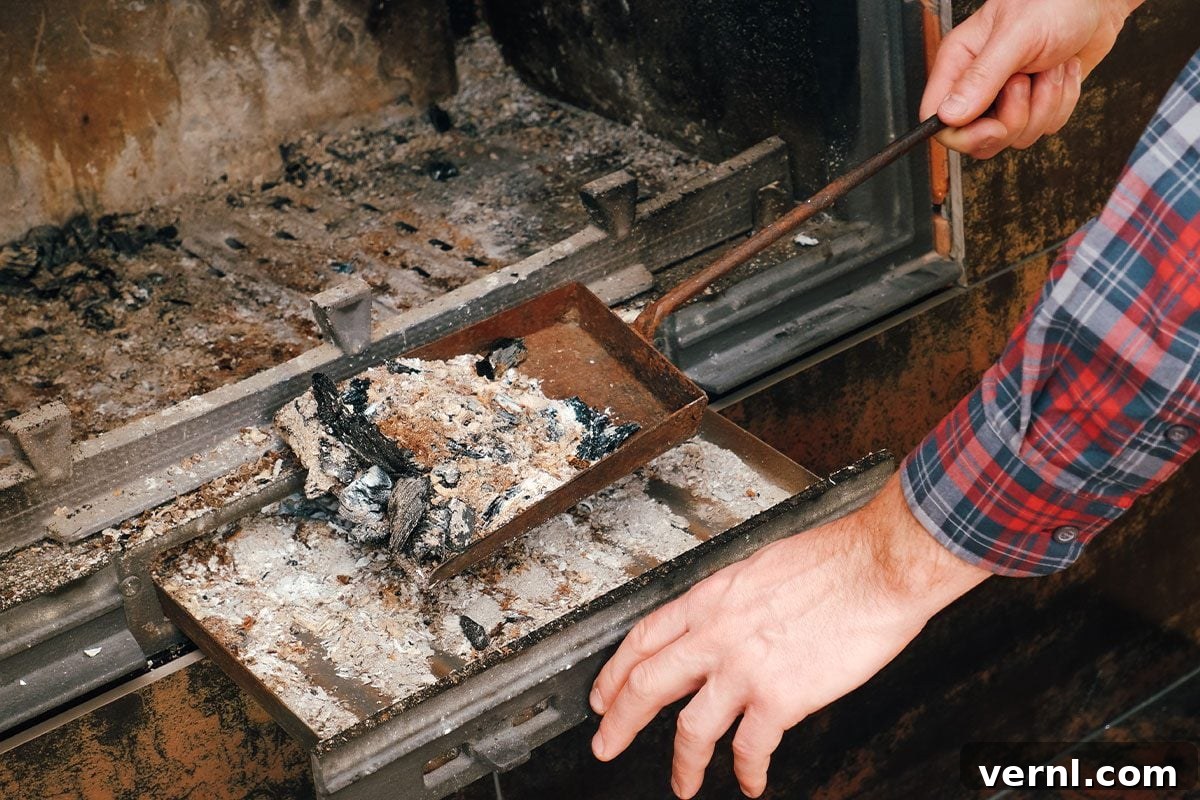
Fireplace ash, often perceived as a benign byproduct of a cozy fire, harbors a deceptive danger. Despite appearing cool and harmless, it can retain enough heat to ignite combustible materials, posing a significant fire risk. This often-underestimated hazard means that proper storage and disposal of fireplace ash are not just recommendations, but crucial safety measures for every homeowner who enjoys the warmth of a hearth or wood stove.
“Ash is seemingly harmless and cold before it actually is,” warns Lo Choe, a Licensed Fire Safety Contractor and Owner of Aura Fire Safety. This critical insight underscores the importance of diligent ash management. For those who regularly use a fireplace or wood stove, dealing with ash is a constant chore. A single cord of wood can generate enough ash to fill a 5-gallon bucket, making safe handling a continuous priority. This comprehensive guide, with expert advice from Lo Choe, will walk you through the essential steps for safely storing fireplace ash and highlight common mistakes to avoid, ensuring your home remains secure.
Unlocking the Potential: Practical Household Uses for Fireplace Ash
Beyond its reputation as a potential fire hazard, fireplace ash boasts an array of surprising and practical applications around the home and garden. Far from being mere waste, properly handled wood ash can become a valuable resource. These uses not only offer sustainable solutions but also demonstrate the versatility of this seemingly simple byproduct.
1. Natural Silver Polish
Tired of tarnished silver? Fireplace ash offers an eco-friendly and effective solution. Create a thick, abrasive paste by mixing finely sifted ash with a small amount of water. Apply this paste gently to tarnished silver items using a soft cloth, moving in a circular motion. The fine abrasive particles in the ash, combined with its alkaline properties, work to remove tarnish and restore shine. Always wear gloves during application to protect your hands, and buff with a clean, dry cloth once finished for a brilliant, streak-free gleam. This method is particularly effective for antique silver or pieces that might be too delicate for harsh chemical cleaners.
2. Odor Absorber and Deodorizer
The porous nature of wood ash makes it an excellent natural deodorizer. In outhouses or composting toilets, a sprinkle of ash after each use can effectively neutralize odors and help break down organic matter. For musty rooms or areas with persistent unpleasant smells, such as near a litter box, simply place an open bowl of ashes. The ash will absorb airborne odors, leaving the space smelling fresher without the need for artificial air fresheners. Its ability to absorb moisture also contributes to its deodorizing power, tackling the root cause of many unpleasant smells.
3. Garden Helper and Pest Deterrent
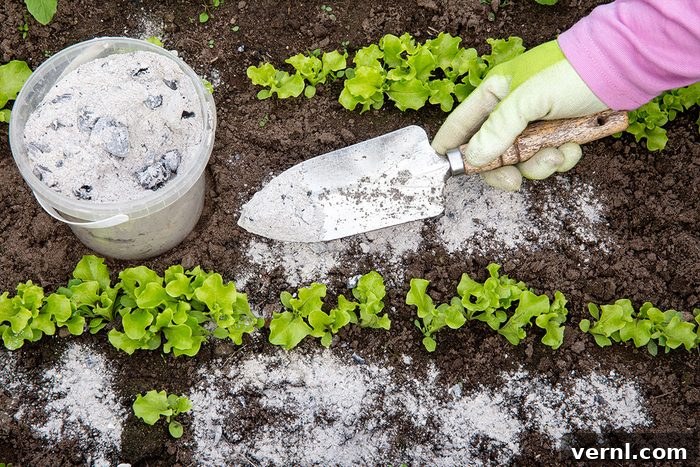
Untreated wood ash is a gardener’s secret weapon, rich in essential minerals like potassium, calcium, and magnesium. These nutrients are particularly beneficial for “potash-loving” plants such as tomatoes, fruit trees, and many vegetables, promoting stronger growth and better yields. Sprinkle a thin layer of ash around the base of these plants, ensuring it doesn’t form a thick crust. Additionally, ash acts as a natural pest deterrent. Slugs and other crawling insects are averse to crossing a barrier of ash, as its abrasive and dehydrating properties disrupt their movement. Create a protective ring around vulnerable plants to keep these unwelcome guests at bay. It’s crucial to use only ash from untreated wood, as ash from treated lumber can introduce harmful chemicals into your soil.
4. Compost Pile Ingredient
Incorporating wood ash into your compost pile can significantly enhance its quality. Ash serves as an excellent pH balancer, helping to neutralize acidic compost and create a more hospitable environment for beneficial microorganisms. Beyond pH adjustment, it enriches the compost with vital minerals such as potassium, calcium, and magnesium, which are then released into the soil when the compost is used. Add ash in moderation, mixing it thoroughly into the pile, to avoid excessively raising the pH, which could harm some beneficial microbes. This sustainable practice turns waste into a valuable soil amendment.
5. Traditional Natural Soap Making
For the adventurous and historically-minded, fireplace ash can be used to create lye, a fundamental ingredient in traditional soap making. The process involves slowly dripping water through a large quantity of ash, collecting the resulting caustic liquid, known as lye extract. This lye is then carefully cooked with rendered animal fat or vegetable oils through a process called saponification, which transforms the fats and lye into liquid soap. This intricate, multi-day process requires caution due to the highly caustic nature of lye, as detailed in resources like this guide on making lye. While a fascinating historical application, modern soap makers often opt for commercially produced lye for safety and consistency.
6. Gravel Driveway Maintenance
Maintaining a gravel driveway can be a continuous task, but fireplace ash offers a surprising solution for weed control and pothole repair. Spreading thin layers of ash across gravel driveways can help suppress weed growth, as the ash creates a less hospitable environment for seeds to germinate. More remarkably, when wet, ash mixes with gravel and dries to a harder, more compact consistency. This property makes it an effective material for filling small potholes and improving the overall stability of the driveway. Its binding qualities help to lock the gravel in place, reducing washout and extending the life of your driveway with a natural, readily available resource.
7. Soil pH Neutralizer
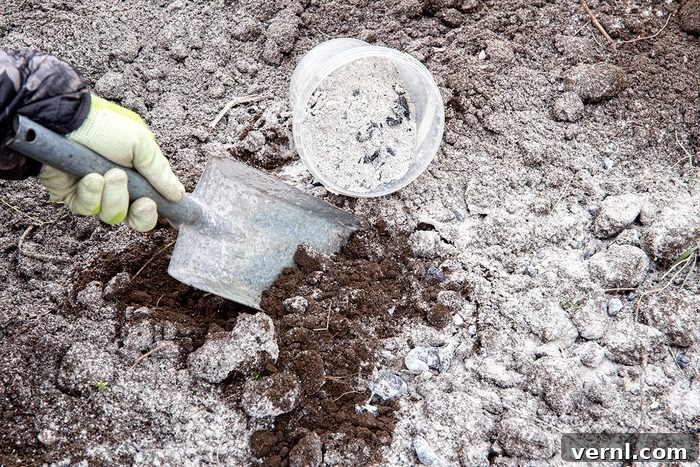
Many garden and lawn soils naturally lean towards acidity, which can inhibit the growth of certain plants. Wood ash is an alkaline substance, making it an excellent natural liming agent to raise the pH of acidic soil. By mixing ash with garden soil or spreading it thinly over your lawn, you can create a more balanced environment, beneficial for plants that thrive in neutral to slightly alkaline conditions. Before applying large quantities, it’s wise to conduct a soil test to determine your current pH levels and avoid over-alkalizing the soil, which can be just as detrimental as overly acidic conditions. Always apply ash sparingly and evenly.
8. De-icer and Traction Aid
During icy winter months, fireplace ash can be a simple yet effective tool for improving safety on walkways and driveways. Spreading ash over icy surfaces significantly increases traction, reducing the risk of slips and falls. The dark color of the ash also absorbs sunlight, which can help increase melting speeds and further mitigate ice hazards. Unlike rock salt, ash won’t harm plants or pets, making it a more environmentally friendly alternative. Keep a bucket of ash near your entrances for quick and easy application when winter weather strikes, providing a safer path for everyone.
9. Glass Cleaner
The fine abrasive qualities of fireplace ash make it surprisingly effective for cleaning glass, particularly the stubborn soot and creosote buildup on wood stove glass doors. Dip a damp paper towel or soft cloth into fine, cooled ash and gently scrub the glass. The mild abrasiveness of the ash, without the harsh chemicals found in commercial cleaners, effectively cuts through grime. Finish by wiping with a clean, damp cloth and then drying with a lint-free cloth or newspaper for a sparkling, clear view of your fire. This method is not only effective but also uses a readily available resource, reducing your reliance on chemical cleaning products.
Beyond the Blaze: Why Proper Ash Storage Matters for Safety and Health
The diligent storage of fireplace ash extends far beyond merely preventing a fire. It encompasses crucial considerations for both immediate safety and long-term health. While the primary concern is undoubtedly the risk of combustion, ash also poses significant risks to respiratory health and can cause skin irritation if mishandled. Understanding these multifaceted dangers underscores why proper ash management is a non-negotiable aspect of home safety.
From a health perspective, fireplace ash, though not inherently toxic in small, incidental exposures, contains crystalline silica. When ash is disturbed, especially during sweeping or transfer, these microscopic particles can become airborne. Inhaling crystalline silica over time can lead to serious respiratory issues, including silicosis, a debilitating lung disease. Therefore, minimizing dust exposure by handling ash carefully and wearing appropriate personal protective equipment, such as a dust mask, is paramount. Furthermore, when mixed with liquid, such as water or even sweat, ash becomes highly caustic due to the formation of lye. This caustic mixture can cause chemical burns to exposed skin, ranging from mild irritation to more severe damage. Always wear gloves and long sleeves when handling ash to protect your skin from this corrosive reaction.
By addressing these fire and health risks through proper storage techniques, homeowners not only safeguard their property but also protect themselves and their families from avoidable hazards. This holistic approach to ash management ensures that the comforting warmth of a fireplace doesn’t come at the cost of safety or well-being.
Can Storing Ash Be a Fire Risk? The Hidden Dangers Explained
The seemingly inert nature of fireplace ash can be dangerously deceptive. Many homeowners assume that once the flames are gone and the visible embers have died down, the ash is completely safe. However, this assumption is a common cause of residential fires. The truth is, if stored improperly, fireplace ash can indeed pose a very real and significant fire risk. Here’s a deeper look into why this is the case:
Hidden, Smoldering Embers
The most critical and often overlooked danger lies within the ash itself: hidden embers. Even when the ash appears completely cool and lifeless on the surface, pockets of smoldering embers can persist deep within. “The ash may appear lifeless, but it’s merely insulated and yearning for oxygen,” Lo Choe emphasizes. These embers, deprived of oxygen, can smolder for hours, sometimes even days, at extremely high temperatures. If these dormant embers are suddenly exposed to a fresh supply of oxygen – perhaps by being disturbed, or if the container is not airtight – they can quickly reignite, potentially turning into a full-blown flame capable of igniting nearby combustible materials.
The Insulating Power of Ash
Ash itself is an excellent insulator. This property, while beneficial for retaining heat in a firebox, becomes a hazard during storage. A layer of seemingly cool ash acts like a blanket, effectively insulating any remaining hot embers deep within the pile. This insulation prevents heat from dissipating quickly, keeping the embers hot for an extended period, even several days after the visible fire has ceased. Lo Choe recounts, “In some cases, I’ve seen ember-size pieces of coal remain over 400 degrees Fahrenheit while nestled in gray ash several inches deep.” This extraordinary heat retention means that even a small amount of ash can harbor enough residual heat to ignite flammable substances if not handled with extreme caution.
Extended Cooling Time Requirements
Given the insulating properties and the presence of hidden embers, ash requires a substantial amount of time to cool completely and no longer pose a fire risk. It’s not a matter of hours, but often days. “Fireplace ash has the potential to hold live embers between 24 to 72 hours depending on variables,” Choe explains. These variables include the type of wood burned, the volume of ash, and ambient temperatures. A large volume of dense hardwood ash in a cool environment will retain heat much longer than a small amount of softwood ash in a warm, open space. Rushing the cooling process and disposing of ash prematurely is a recipe for disaster, as those lingering embers can easily ignite trash bins or other flammable materials.
Perils of Improper Storage Choices
The choice of container and storage location is paramount. Ash stored in any flammable container – such as a cardboard box, a plastic bin, or even a heavy-duty trash bag – creates an immediate and severe fire hazard. Similarly, placing even a “cooled” container of ash on combustible surfaces like wooden decks, carpet, or near curtains, firewood, or other flammable items, invites catastrophe. The radiant heat from smoldering embers can penetrate seemingly safe containers or surfaces, igniting surrounding materials. Understanding these risks is the first step toward implementing safe ash storage practices and protecting your home from preventable fires.
Mastering Ash Management: How to Store Fireplace Ash Safely and Responsibly
Safely storing fireplace ash is a critical aspect of home fire prevention that every fireplace and wood stove user must master. It’s a straightforward process, but one that demands unwavering attention to detail and adherence to specific guidelines. By following these expert recommendations, you can mitigate the significant risks associated with ash and ensure your home remains safe.
The Uncompromising Rule of the Metal Container
The cornerstone of safe ash storage is the container itself. You must always store fireplace ash in a heavy-duty metal container with a tight-fitting lid. This is not merely a suggestion but a mandatory safety requirement. Lo Choe emphatically states, “No plastic bags or sheet liners.” Plastic will melt and ignite, while even seemingly robust paper bags offer no protection against extreme heat. The metal bucket acts as a non-combustible barrier, containing any lingering heat or re-ignited embers. A tight-fitting lid is equally crucial, as it starves any potential embers of oxygen, preventing them from flaring up and containing any sparks that might escape.
Strategic Placement: Location, Location, Location
Once ash is placed into its designated metal container, the next critical step is where you place it. The container must be kept on a non-combustible surface. Think concrete, brick, stone, or bare dirt – surfaces that cannot catch fire. Crucially, this safe spot must be a minimum of 10 feet away from any flammable materials. This includes your house, wooden decks, fences, piles of firewood, dry leaves, curtains, or anything else that could potentially ignite. This buffer zone is vital for protecting your property should any embers manage to escape or cause the container itself to heat up significantly. An isolated concrete patio or a clear patch of gravel in your yard makes an ideal location.
The Patience of Cooling: Time is Your Ally
Despite appearances, ash needs considerable time to cool completely. Never assume ash is safe just because it feels cool to the touch after a few hours. “Allow it to cool for a full 72 hours before placing it in the trash, even if it feels cool after 12 hours,” advises Choe. This extended cooling period accounts for the insulating properties of ash, which can keep embers smoldering deep within the pile for days. Rushing this step is a primary cause of fires in outdoor trash bins or during municipal waste collection. For an added layer of safety, especially if you need to expedite the cooling or are particularly concerned, you can spray the ash down with water inside the metal container before securing the lid. This helps to fully extinguish any lingering embers and reduces dust, but remember that even wetted ash still requires time to ensure all heat has dissipated.
Ash Removal Best Practices
When it’s time to remove ash from your fireplace or wood stove, do so carefully. Use a metal shovel to scoop the ash into your designated metal container. Avoid overfilling the container, as this can make it unstable and difficult to secure the lid. Always wear heavy-duty gloves and a dust mask to protect your hands from potential burns and your lungs from inhaling fine ash particles. Try to disturb the ash as little as possible to minimize airborne dust. Once transferred, immediately close the lid and move the container to its designated safe, outdoor location for the recommended cooling period.
Non-Negotiables: What NOT to Do When Handling and Storing Fireplace Ash
While understanding proper ash storage is vital, it’s equally important to be aware of practices that absolutely must be avoided. These “don’ts” are common mistakes that can lead to devastating fires or health hazards. Adhering to these warnings is as crucial as following the safe storage guidelines.
- Never store ash in an open container. An open container not only fails to prevent smoldering embers from reigniting but also allows sparks to escape. If accidentally knocked over, hot ash can spill onto flammable surfaces, instantly causing a fire. Always use a metal container with a secure, tight-fitting lid.
- “Never vacuum fireplace ash from your fireplace into a household vacuum,” warns Lo Choe. This is a critical safety rule. Fine ash particles can easily bypass a household vacuum’s filters, reaching the motor. Even seemingly cold ash can contain latent heat, and once these hot particles come into contact with the vacuum’s motor, they can ignite accumulated dust and debris, causing a fire within the vacuum cleaner itself. Use a specialized ash vacuum or a shovel and metal bucket.
- Never dispose of ash in a trash bag with other household trash before it has completely cooled. Even if you place it in a separate bag within the main trash, hot ash can melt through plastic, ignite paper, or cause a fire in the trash can, collection truck, or landfill. Always wait the full 72 hours and place cooled ash in its own bag, clearly marked, or mix it with inert materials if allowed by your local waste management.
- “Never leave your ashes in a pile on your wooden front porch or next to dry leaves in your yard,” Choe stresses. This creates an immediate and extreme fire hazard. Wooden structures, dry vegetation, and other combustible materials can easily ignite from residual heat or re-igniting embers. Always move ash to a safe, non-combustible outdoor location, observing the 10-foot rule.
- Never dispose of ash on a windy day. A strong gust of wind can provide the oxygen needed to revive smoldering embers, causing them to flare up and potentially scatter hot ash over a wide area. This poses a risk of brush fires or igniting nearby structures. If you must dispose of ash on a windy day, ensure it is thoroughly doused with water and use extreme caution.
- Never store ash near flammable items. This includes newspapers, magazines, curtains, rugs, carpeting, firewood, gasoline, or any other combustible materials. The radiant heat from even a safely contained bucket of ash can be enough to ignite nearby flammables over time. Maintain a strict clearance zone around your ash storage container.
About the Expert
Lo Choe is a highly respected Licensed Fire Safety Contractor and the Owner of Aura Fire Safety, serving the San Francisco Bay Area. With extensive expertise in residential and commercial fire safety, Choe is a licensed home systems professional holding two state property safety certifications (C-16 and C-10). Her deep understanding of fire dynamics and preventative measures makes her an invaluable resource for ensuring household safety.
Related Reading for Home Safety and Maintenance
- The Real Reason Aluminum Foil Has a Shiny Side and a Dull Side
- Think Adirondack Chairs Are Uncomfortable? You’re Using Them Wrong
- Why You Shouldn’t Crush Aluminum Cans Before Recycling