
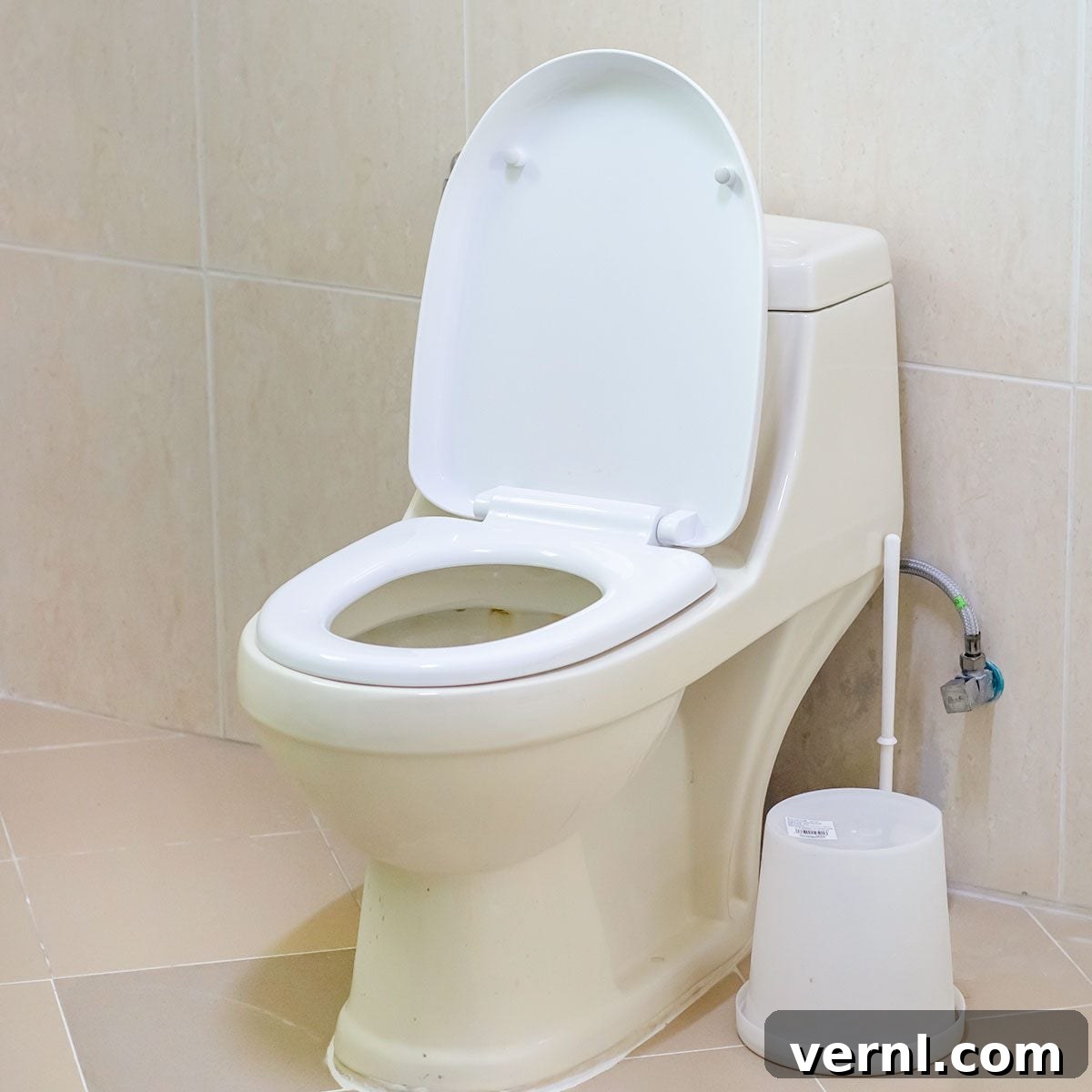
If the thought of your toilet seat rarely crosses your mind, you’re certainly not alone. For many homeowners, a toilet seat is an out-of-sight, out-of-mind fixture, often assumed to be fine as long as it doesn’t appear visibly dirty or broken. However, this common misconception can lead to overlooked hygiene issues and an uncomfortable bathroom experience. While it might seem like a minor detail, the condition of your toilet seat plays a crucial role in maintaining bathroom cleanliness and overall household hygiene.
“Toilet seats are among the most frequently used items in any bathroom, yet they are surprisingly one of the most overlooked when it comes to routine replacement,” explains cleaning expert Stephanie Leichtweis. “Even the smallest cracks, chips, or signs of surface wear can significantly compromise the seat’s hygiene, making it incredibly difficult, if not impossible, to clean thoroughly over time.” These seemingly minor imperfections are more than just cosmetic flaws; they create microscopic havens for bacteria, mold, and other unsanitary elements to thrive, transforming what should be a clean surface into a potential health hazard.
Understanding when and why to replace your toilet seat is fundamental to ensuring a hygienic bathroom environment. Beyond visible dirt, there are numerous indicators that your toilet seat has reached the end of its functional lifespan. This comprehensive guide will walk you through everything you need to know: from recognizing the subtle signs it’s time for a change to selecting the perfect replacement and easily installing it yourself. Empower yourself with the knowledge to make an informed decision, safeguarding your family’s health and comfort.
How Long Do Toilet Seats Really Last? Understanding Lifespan by Material and Usage
The longevity of a toilet seat is not a one-size-fits-all answer; it’s intricately linked to the material it’s crafted from, the quality of its construction, and the frequency of its use. While some materials offer robust durability, others may demand more frequent replacement to maintain optimal hygiene and function.
Common Materials and Their Expected Lifespan:
- Standard Plastic Seats (Polypropylene or Thermoplastic): These are the most common and generally the most affordable options. While practical, their surfaces typically begin to show noticeable wear, discoloration, and develop micro-cracks after about five to seven years of active daily use. These tiny fissures are not just an aesthetic concern; they become prime breeding grounds for bacteria and mold, rendering the seat increasingly unsanitary.
- Harder Plastic Seats (Duroplast) and Ceramic: For those seeking greater durability and a more premium feel, seats made from Duroplast or ceramic are excellent choices. Duroplast, a thermoset plastic, offers a harder, more scratch-resistant surface that mimics the feel of ceramic, often lasting up to 10 years. Ceramic seats, though less common as full seats, are exceptionally durable. Their robust nature means they can maintain their integrity and hygienic properties for a decade or even longer, provided they are not subjected to impact that could cause chipping.
- Wooden Seats (MDF or Solid Wood with Coating): Wooden toilet seats, often chosen for their aesthetic appeal and warmth, typically have the shortest lifespan when it comes to hygiene. Despite protective coatings, wood is more porous and susceptible to moisture damage and bacterial infiltration over time. These seats usually need replacement every two to three years. The coating can degrade, allowing moisture to seep into the wood, leading to swelling, cracking, and a challenging environment for cleaning.
- Foam or Cushioned Toilet Seats: “Foam or cushioned toilet seats present the most significant hygienic challenges,” warns home cleaning expert Isabella Flores. While they offer initial comfort, their soft, porous nature makes them highly vulnerable to absorbing liquids, trapping moisture, and harboring bacteria. Even if visible deterioration isn’t apparent for a few years, these seats should ideally be replaced much sooner, typically within one to two years, to proactively prevent the accumulation of unseen contaminants. Their very design, while comfortable, compromises long-term sanitation.
Other Factors That Significantly Reduce Toilet Seat Lifespan:
- Prolonged Exposure to Sunlight: Direct and consistent sunlight, especially in bathrooms with large windows, can cause plastic seats to prematurely yellow, become brittle, and crack. UV radiation breaks down the polymers in plastic, accelerating wear and tear.
- Harsh Cleaners and Bleach: While it might seem counterintuitive, using strong chemical cleaners, particularly those containing bleach or abrasive agents, can severely degrade the protective coatings and surface finish of many toilet seats. This degradation creates a rougher, more porous surface that is far more difficult to clean and more prone to bacterial growth. Always opt for mild, non-abrasive bathroom cleaners specifically designed for surfaces like plastic or ceramic.
- Lack of Slow-Close Hinges: Toilet seats without soft-close or slow-close hinges are repeatedly slammed shut. This repetitive impact creates microscopic stress cracks over time, particularly around the hinge areas. These tiny fractures, though initially invisible, can eventually propagate, leading to larger cracks and premature failure of the seat. Slow-close hinges mitigate this stress, significantly extending the seat’s life.
- Frequent Use: Unsurprisingly, toilet seats in large households, commercial settings, or high-traffic bathrooms will naturally wear out faster than those in guest bathrooms or single-person residences. Increased usage means more friction, more exposure to cleaning cycles, and a greater likelihood of accidental impacts or damage.
“It’s also worth noting that lower-priced plastic toilet seats often have a significantly shorter life span compared to their middle and upper-tier counterparts,” adds Flores. This difference is usually attributed to the quality of the plastic compounds used, the thickness of the material, and the robustness of the hinge mechanisms.
Clear Signs It’s Time to Replace Your Toilet Seat: Don’t Overlook These Indicators
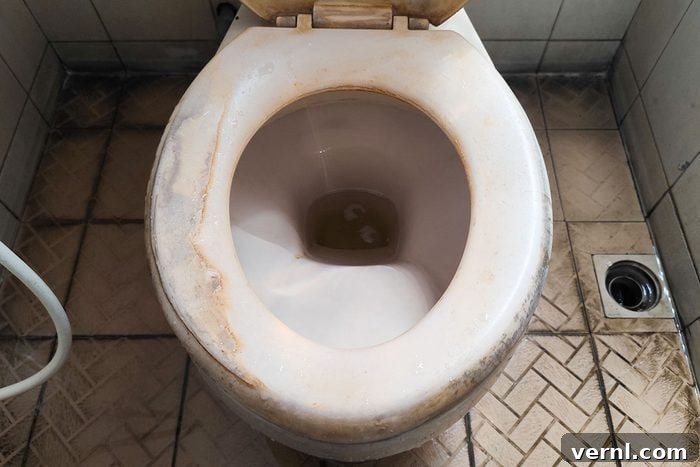
Ignoring the subtle (or not-so-subtle) warnings from your toilet seat can lead to a less hygienic and less comfortable bathroom. Here are the definitive signs that indicate it’s time for a replacement, regardless of how recently you installed it:
Visible Wear: Cracks, Chips, and a Worn-Down Finish
This is perhaps the most obvious and critical sign. Once a toilet seat develops any form of surface damage – be it fine hairline cracks, noticeable chips, or a worn-down, rough finish – it immediately becomes a breeding ground for bacteria, mold, and mildew. These imperfections create microscopic pathways and porous areas where urine, moisture, and other contaminants can seep in and become trapped. Standard cleaning products and methods, no matter how rigorous, simply cannot penetrate these fissures effectively to sanitize the seat completely. The result is a perpetually unsanitary surface, posing a direct hygienic risk to anyone who uses it.
Persistent Yellowing or Discoloration
If your toilet seat, particularly a white or light-colored one, exhibits stubborn yellowing, brown stains, or other forms of discoloration that persist even after extensive and thorough cleaning, it’s a strong indicator of irreversible surface deterioration. This yellowing often occurs due to prolonged exposure to UV light, chemical reactions with cleaning agents or bodily fluids, or the breakdown of the seat’s protective surface coating. Once this coating degrades, the underlying material becomes porous and highly absorbent, allowing stains to become deeply embedded and creating an environment where bacteria can flourish unchecked. This isn’t just an aesthetic issue; it signifies a significant hygienic compromise.
Wobbly and Shifting Lids: A Safety Hazard
A toilet seat that constantly wobbles, shifts, or doesn’t stay firmly in place is more than just an annoyance; it’s a genuine safety hazard. An unstable seat can lead to painful pinches, falls, or even unexpected breaks, especially for children or the elderly. While the initial instinct might be to simply tighten the hinge bolts, if the problem persists after multiple attempts, or if the hardware itself appears rusted, corroded, cracked, or stripped, replacement is the best solution. “Plastic hinges, commonly found on many standard seats, tend to become brittle and lose their integrity with age,” explains Isabella Flores. “This often leads to sudden, catastrophic cracking rather than a gradual deterioration, making prompt replacement essential for safety.”
Can You Repair a Toilet Seat Instead of Replacing It? The Cost-Benefit Analysis
The question of repairing versus replacing a toilet seat often arises, particularly for minor damage. However, for the vast majority of issues, repair is simply not a recommended or practical solution, primarily due to critical hygienic concerns.
Once a toilet seat’s surface is cracked, chipped, or significantly worn, its integrity as a hygienic barrier is compromised. As discussed, these imperfections create micro-environments where bacteria and moisture can accumulate and thrive, making effective cleaning impossible. Attempting to “repair” these areas with glues, fillers, or sealants usually proves futile. “Adding sealants or attempting to patch cracks might superficially improve the look, but it often traps existing bacteria and moisture underneath the repair,” advises Flores. “This creates an even more unsanitary situation, as the contaminants are now encapsulated and inaccessible to cleaning agents.”
Furthermore, from a practical and financial standpoint, the potential savings from attempting repairs are rarely justified. The cost of a new, basic toilet seat is relatively modest, typically ranging from $20 to $60. The time, effort, and materials required for a repair, coupled with the uncertainty of its effectiveness and longevity, often outweigh the benefit. It’s almost always a better investment to purchase a new seat that guarantees a fresh, clean, and structurally sound surface from the outset.
The sole exception where repair might be viable is in the case of loose hardware. If your toilet seat is simply wobbly because the hinge bolts have come loose over time, tightening them with a screwdriver or wrench can often resolve the issue entirely. However, if the bolts themselves are stripped, rusted, or the plastic components of the hinge are cracked, then tightening won’t fix the underlying problem, and replacement becomes necessary.
How Often Should You Replace a Toilet Seat? Establishing a Proactive Schedule
While visible signs of wear are definitive indicators for replacement, establishing a proactive replacement schedule can help maintain optimal bathroom hygiene and prevent issues before they become apparent. This is particularly important for high-traffic bathrooms or specific material types.
The generally accepted industry standard for replacing a standard plastic toilet seat, experiencing active daily use, is approximately every five years. This timeframe accounts for the gradual wear and tear, potential surface degradation, and the accumulation of microscopic damage that can compromise hygiene.
For wooden toilet seats and those with foam cushioning, this recommended interval drops significantly, to every two to three years. As previously discussed, these materials are inherently more susceptible to moisture absorption, bacterial growth, and structural deterioration, necessitating more frequent replacement to ensure a sanitary surface.
However, it’s crucial to remember that these are general guidelines. If you observe any of the warning signs discussed earlier—such as cracks, persistent discoloration, or instability—it is imperative to replace the seat sooner rather than later, irrespective of its age. Delaying replacement when these signs are present only exacerbates hygiene risks and can lead to discomfort or safety issues.
Beyond wear and tear, a smart practice is to replace a toilet seat when moving into a new home. “It’s always a wise decision to replace the toilet seat when you move into a new residence,” advises Stephanie Leichtweis. “This ensures a fresh, clean, and hygienic starting point, free from any contaminants or wear accumulated by previous occupants, providing immediate peace of mind for you and your family.”
How to Choose the Perfect Replacement Toilet Seat: A Buyer’s Guide
Selecting a new toilet seat involves more than just picking a color; it’s about ensuring a proper fit, optimal hygiene, enhanced durability, and desired features. Here’s a detailed guide to help you make an informed choice:
-
Determine the Correct Size: Round vs. Elongated
The first and most crucial step is to accurately measure your toilet bowl to determine if you need a round or elongated seat. Mis-sizing will result in an ill-fitting, uncomfortable, and potentially unsafe seat. To measure:
- Measure the distance from the center of the bolt holes (where the seat attaches to the toilet bowl) to the very front edge of the toilet bowl.
- Standard round seats typically measure approximately 16.5 inches (42 cm) from the bolt holes to the front.
- Elongated seats are longer, usually measuring around 18.5 inches (47 cm) from the bolt holes to the front.
- Additionally, measure the distance between the two bolt holes. Most standard toilets have bolt holes spaced about 5.5 inches (14 cm) apart, but it’s good to confirm.
-
Choose Your Material Wisely
The material significantly impacts durability, comfort, hygiene, and cost:
- Plastic (Polypropylene/Thermoplastic): “Many homeowners prefer plastic seats because they are generally low-maintenance, very easy to keep clean, and the most affordable option,” says Leichtweis. They are lightweight and come in a vast array of colors. However, cheaper plastics can be less durable and prone to scratching and discoloration over time.
- Duroplast: A higher-grade thermoset plastic that is harder, more scratch-resistant, and has a ceramic-like feel. It offers excellent durability and hygiene, often resisting yellowing better than standard plastics. It’s a great choice for those wanting plastic’s benefits with enhanced quality.
- Wood (MDF/Solid Wood): Provides a warm, classic aesthetic. Solid wood is more durable than MDF (medium-density fiberboard), which is more susceptible to moisture damage. While visually appealing, wood seats require more diligent cleaning and replacement due to their inherent porosity and potential for moisture absorption, making them less ideal for maximum hygiene.
-
Consider Advanced Features for Comfort and Hygiene
Modern toilet seats offer a variety of features that can enhance both user experience and bathroom cleanliness:
- Non-Porous Surfaces: Look for seats explicitly marketed with non-porous or glazed surfaces. These materials actively resist the absorption of moisture, stains, and odors, making them significantly easier to clean and more effective at preventing bacterial growth.
- Secure-Fit Systems: These innovative hinge designs often include specialized washers, grips, or expanding bolts that ensure the seat remains firmly in place, eliminating frustrating wobbling and shifting. This enhances safety and comfort.
- Antimicrobial Protection: Some seats incorporate antimicrobial agents directly into the material during manufacturing. These agents continuously inhibit the growth of bacteria, mold, and mildew on the seat’s surface, providing an extra layer of hygienic defense.
- Metal Hinges: While plastic hinges are common, metal hinges (often stainless steel or chrome-plated brass) offer superior durability and resistance to cracking and corrosion, especially in high-traffic environments. They contribute to a longer lifespan for the seat.
- Soft-Close (Slow-Close) Hinges: A highly popular feature, soft-close hinges prevent the seat and lid from slamming shut. This not only eliminates noise and potential finger pinches but also significantly prolongs the life of the toilet seat by preventing the micro-cracks caused by repeated impacts.
- Quick-Release Hinges: “Also consider quick-release hinges that allow complete removal of the lid and seat from the toilet bowl for deeper, more thorough cleaning underneath the hinges and around the bolt holes,” suggests Flores. “This invaluable feature is surprisingly lacking in most standard toilet lids, yet it provides immense additional sanitation benefits by allowing access to notoriously hard-to-reach areas where dirt and grime accumulate.” This allows for truly comprehensive cleaning, reducing hidden bacterial buildup.
-
Aesthetics and Color
While secondary to function and hygiene, don’t overlook the aesthetic appeal. Choose a color and style that complements your bathroom decor. White is standard and timeless, but many colors and even patterned seats are available to match your personal taste.
How to Replace a Toilet Seat Yourself: A Simple DIY Project
Replacing a toilet seat is one of the easiest and most rewarding DIY projects you can undertake, requiring minimal tools and effort. Even if you’re a beginner, you can likely complete this task in less than 15 minutes. Here’s a step-by-step guide:
Tools You’ll Need:
- Flathead screwdriver (or sometimes a Phillips head, depending on the bolt type)
- Adjustable pliers or a small wrench (for holding nuts)
- Cleaning supplies (toilet cleaner, disinfectant spray, paper towels/rags)
- Your new toilet seat!
Step-by-Step Replacement Instructions:
- Prepare and Clean the Area: Before you begin, thoroughly clean the entire toilet bowl rim area, paying special attention to the often-neglected spaces behind the bolt holes and directly underneath where the old hinges sit. Use a good toilet cleaner and disinfectant spray to ensure any grime, mineral deposits, or mold are removed, providing a perfectly clean surface for your new seat.
- Locate and Access the Hinge Bolts: Most toilet seats are secured by two bolts at the back, covered by plastic hinge caps. Gently flip up or unsnap these caps to expose the heads of the bolts. Depending on your seat, these caps might simply hinge open, or they may need a slight pry with a flathead screwdriver to pop off.
-
Remove the Old Seat:
- Once the bolt heads are exposed, look underneath the toilet bowl, where the bolts pass through. You’ll see nuts that secure the seat in place.
- Using your adjustable pliers or wrench, hold one of the bottom nuts firmly in place.
- Simultaneously, use your screwdriver to turn the top bolt counter-clockwise. Continue unscrewing until the bolt is completely loose and can be removed.
- Repeat this process for the second bolt and nut.
- Once both bolts are removed, carefully lift the old toilet seat off the bowl and set it aside for disposal.
- Perform a Final Deep Clean: With the old seat removed, you now have unimpeded access to the bolt holes and the entire ceramic rim of the toilet bowl. This is the perfect opportunity for a final, meticulous cleaning. Use your disinfectant spray and a brush or rag to scrub away any lingering grime, rust, or mineral buildup that was previously inaccessible. A truly clean foundation is essential for your new seat.
-
Install the New Seat:
- Carefully place your new toilet seat onto the toilet bowl, aligning the hinge posts with the bolt holes.
- Insert the new bolts (usually provided with the new seat) through the hinge posts and down into the toilet bowl holes.
- From underneath the bowl, hand-tighten the nuts onto the bolts. Ensure they are snug, but do not over-tighten! Over-tightening, especially with plastic bolts or nuts, can stress the plastic components of the seat or even crack the ceramic of the toilet bowl, leading to premature failure or costly damage. Tighten until the seat feels secure and doesn’t wiggle.
-
Adjust and Finalize:
- Once both bolts are tightened, gently lower the seat and lid.
- Check the alignment of the seat with the toilet bowl. If it’s slightly crooked, you might be able to subtly adjust it by slightly loosening the bolts, repositioning the seat, and then re-tightening.
- Finally, snap the hinge caps closed over the bolt heads. Give the seat a gentle push to ensure it feels stable and secure.
And just like that, you’ve successfully replaced your toilet seat, instantly upgrading the hygiene and comfort of your bathroom!
About the Experts
Our expert insights in this guide were provided by:
- Isabella Flores: A dedicated cleaning expert and professional organizer, Isabella leads the team at Sparkly Maid San Diego, where she applies her deep understanding of home cleanliness and efficiency.
- Stephanie Leichtweis: As the CEO of Ginsey Home Solutions, Stephanie brings extensive knowledge of home accessories and practical solutions. Ginsey Home Solutions is a prominent online retailer specializing in bath, kitchen, and laundry accessories.
RELATED ARTICLES YOU MIGHT FIND HELPFUL:
- See a Green Dot on Your Android Phone? Here’s What It Means
- If You Get a USPS Scam Text, You Need To Do This Immediately
- This Is How Often You Should Restart Your Phone