Car air fresheners are a staple for many drivers, offering a quick way to mask odors and give a vehicle a pleasant scent. From “new car” and linen to citrus and pine, fragrances are everywhere — even novelty gas-and-oil scents. But while most products on the market meet regulatory standards, they aren’t necessarily comfortable or harmless for everyone, especially inside small, enclosed cabins where airflow is limited.
Why Some Car Air Fresheners Cause Symptoms
Research shows that both conventional and “natural” air fresheners can release volatile chemicals into the air. A 2020 Centers for Disease Control and Prevention (CDC) study found that many car air fresheners emit a variety of volatile organic compounds (VOCs), some identified as hazardous. Frequently, manufacturers do not fully disclose all chemicals in their fragrance formulations.
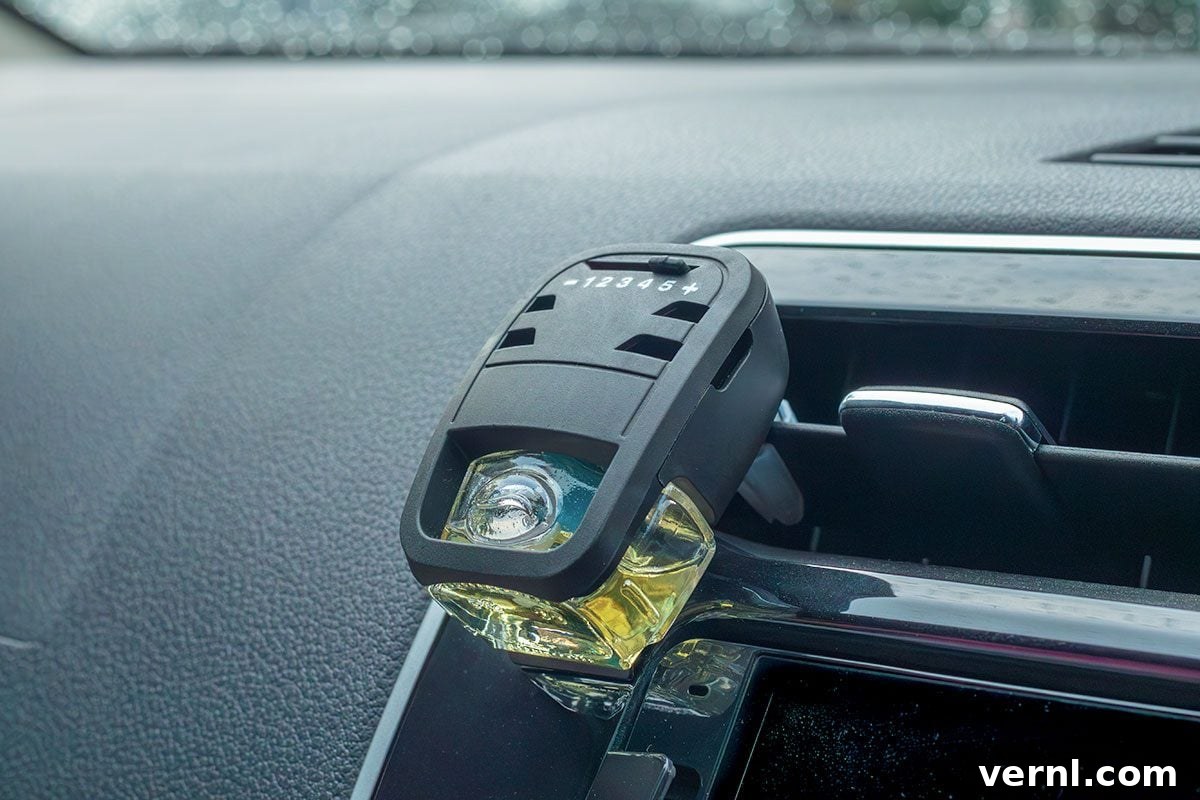
Cars are confined spaces, and pollutants can build up quickly when windows are closed. Some air fresheners, particularly vent-clip designs, introduce fragrances directly into the cabin airflow, increasing the chance occupants will inhale potentially problematic VOCs. The U.S. Environmental Protection Agency (EPA) notes that scented products contribute to indoor air pollution, and the American Lung Association warns that people with asthma, allergies, migraines, or chemical sensitivities are more likely to experience symptoms. Reported reactions include irritation of the eyes, nose, and throat, headaches, dizziness, coughing, light-headedness, and a sense of brain fog.
Drivers who spend long hours behind the wheel, those who commute daily, people who drive for work, and anyone traveling with children, pets, elderly family members, or immunocompromised passengers should be particularly mindful of fragrance exposure in a vehicle.
Which Products Pose the Greatest Risk
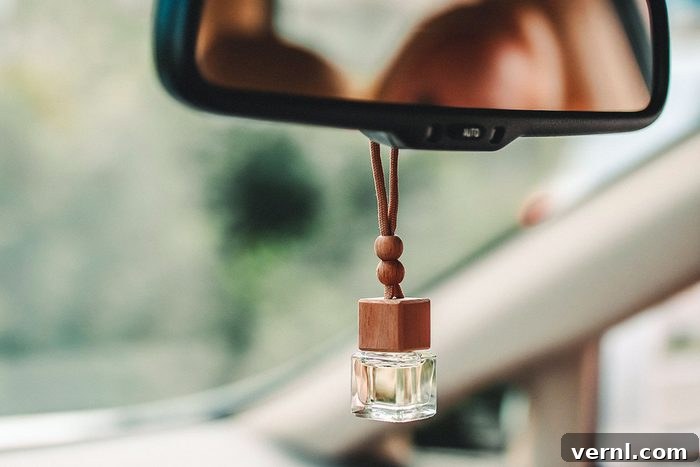
Not all air fresheners are equal. Strong, concentrated formulas marketed as “extra strength” or “long-lasting” typically release more chemicals and are designed for much larger spaces than a compact car cabin. Vent-clip dispensers can be problematic because they emit fragrance into the vehicle’s ventilation system, where the scent is circulated directly around occupants. Multiple fresheners used at once compound exposure.
Safer Ways to Keep a Car Smelling Fresh
Rather than masking odors, the healthiest approach is to remove the source. Common causes of unpleasant smells include trapped garbage, damp clothing or mats, spilled food or drinks, and a clogged or dirty cabin air filter. Regular cleaning and maintenance often eliminate the need for heavy fragrances.
If you prefer a scent in your vehicle, follow these tips to minimize health risk:
- Choose milder, low-fragrance options and avoid “extra strength” products.
- Use only one air freshener at a time, and avoid vent-mounted units that release chemicals into the HVAC system.
- Open windows periodically to introduce fresh air and reduce buildup of airborne chemicals.
- Keep the cabin clean: vacuum regularly, launder floor mats and seat covers, and address spills promptly.
- Replace the cabin air filter according to the vehicle manufacturer’s schedule to improve filtration and reduce odors.
- Consider natural odor absorbers such as baking soda or activated charcoal placed in a breathable container — these absorb odors rather than masking them with scent.
When to Remove an Air Freshener
If occupants experience throat, eye, or nasal irritation, headaches, dizziness, or increased coughing after adding a new scent, remove the product immediately and ventilate the vehicle. Persistent or severe symptoms warrant stopping use entirely and consulting a healthcare provider, especially for people with known respiratory conditions or chemical sensitivities.
Practical Advice for Drivers
For anyone who drives long distances, drives for work, or transports vulnerable passengers, prioritizing air quality in the car is important. Keep cleaning supplies on hand, schedule routine interior maintenance, change cabin filters on time, and opt for low-emission odor-control methods. These steps maintain a pleasant-smelling vehicle while reducing unnecessary exposure to potentially harmful chemicals.
Sources
- Centers for Disease Control and Prevention (CDC): Volatile Chemical Emissions from Car Air Fresheners
- Environmental Protection Agency (EPA): The Inside Story: A Guide to Indoor Air Quality
- American Lung Association: Indoor Air Pollutants and Health