When you finally get the keys to your new home, unpacking and decorating are likely top priorities. Equally important, though often overlooked, is establishing solid security. Many people assume locked doors and a porch light are enough, but residences remain vulnerable to break-ins and other crimes unless you take proactive steps.
Security advisors recommend addressing several key items right away — some on day one — to protect your property, belongings and family. Below are practical, expert-backed actions to make your new home safer.
Change Locks and Codes
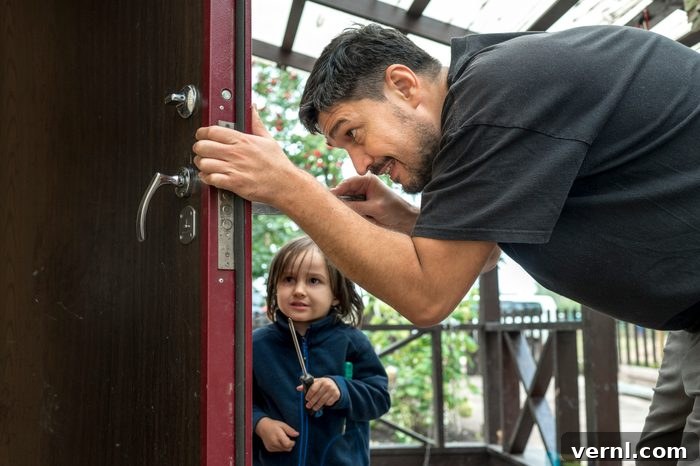
The top priority for new homeowners is to rekey or replace locks, change keypad codes and reset garage door openers. New owners inherit unknown access: previous owners, contractors, cleaners, neighbors or service providers may still have keys or app access. Real estate experts advise doing this before you sleep in the house for the first time.
Also perform a factory reset on all smart devices and network equipment — routers, cameras, doorbells, alarms and smart locks — so prior users can no longer access them. Update passwords and enable two-factor authentication where available.
Check Doors and Windows
Door and window quality matters. Use solid metal or fiberglass exterior doors and high-quality deadbolts with at least a one- to three-inch throw. Ensure sliding door latches work and consider placing a wood or metal rod in the track overnight to prevent forced opening.
Window air-conditioning units can create an entry point if they are removable. Install a protective cage or secure mounting that bolts to the exterior to deter tampering.
Walk the Exterior at Night
Inspect your property after dark to see where shadows and blind spots exist. Replace burnt-out bulbs and add targeted lighting to darker areas, but avoid excessive, blinding illumination. Motion-activated lights on each exterior side and low-voltage or solar LED path lights along walkways improve visibility for both residents and surveillance cameras, and reduce places for intruders to hide.
Put Up Signage
Signs such as “Private Property,” “No Trespassing” or alarm system placards won’t stop every intruder, but they provide a deterrent and can have legal benefits if someone trespasses and is injured. If you use a monitored alarm, request signage from the provider. Even simple deterrents like “Beware of Dog” signs can influence a criminal’s choice of target.
Clean and Organize the Property
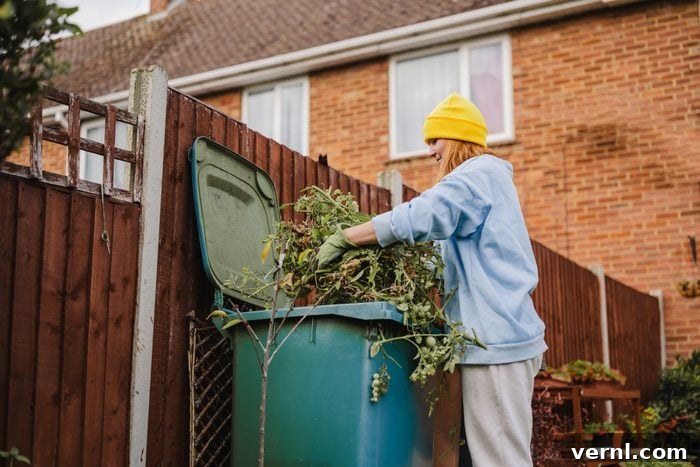
Maintain your yard and exterior spaces: remove trash, trim hedges and trees, and position bins in well-lit areas. A tidy, well-kept property signals that the homeowner is attentive and reduces hiding spots for would-be intruders. Also test smoke and carbon monoxide detectors, replace batteries, and check fire extinguisher condition and dates.
Opt for CCTV and Alarms
Video surveillance serves two purposes: visible cameras act as a deterrent, and recorded footage can assist law enforcement if a crime occurs. Systems are available at many price points; start with coverage for all entrances and exits and choose cameras with good night vision, clear resolution and motion detection. Pair cameras with an alarm system for layered protection.
Erect Barriers
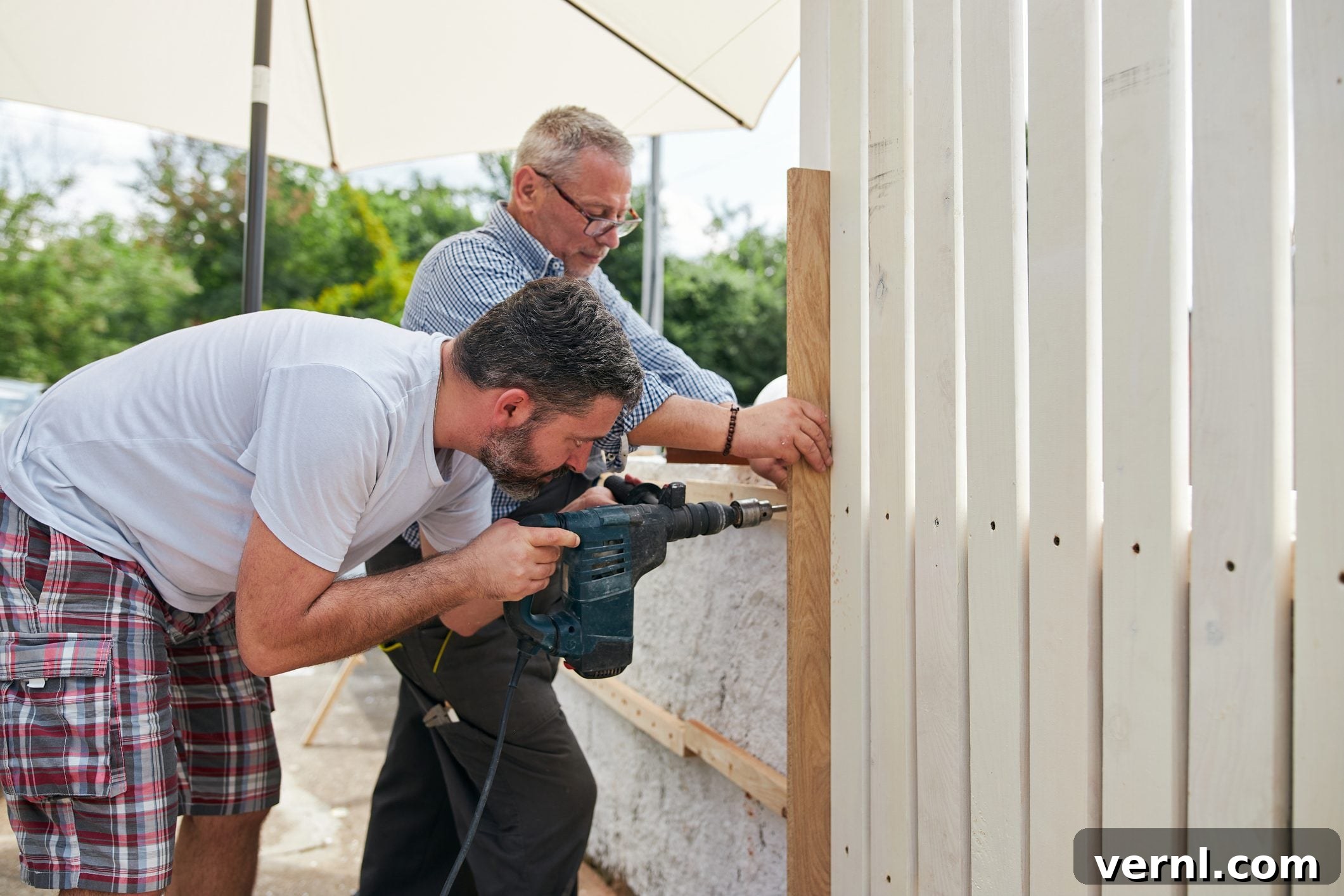
Fencing and gates add a physical barrier between your home and the street. If your property already has fencing, ensure gates lock securely and replace any corroded hardware. Landscaping can also be a deterrent: thorny or dense plants beneath windows and along property lines make access more difficult and can channel movement to visible areas.
Hire Dedicated Monitoring
For higher-risk properties or if you prefer professional oversight, consider contracting with a dedicated monitoring service. Monitoring companies review alerts 24/7 and can dispatch authorities quickly, which reduces the chance that an incident goes unnoticed. This service helps manage the volume of notifications most homeowners receive from modern smart devices.
FAQ
Should I hire a locksmith or can I change my locks myself?
Many homeowners can rekey or change locks themselves, especially with modern keyed hardware and online guides. If you want all locks keyed alike, have older or unusual hardware, or prefer professional assurance, hiring a licensed locksmith is worthwhile.
What’s the most important home security upgrade for new homeowners?
Controlling access is the single most important step: changing locks, codes and passwords immediately after moving in. Cameras and alarms are valuable, but they’re less effective if someone already holds a valid key or device that opens your home.
About the Experts
- Philip Farina is founder and chief security and safety advisor for Risky Business. He has experience in the U.S. Navy and federal law enforcement and advises on home security, safety and disaster preparedness.
- Jon Wallace is president of Premier Security in West Valley City, Utah, and a former police sergeant with two decades of law-enforcement experience.
- Andrew Gardner is founder of Leap Properties, a Houston-based real estate investment company specializing in off-market and distressed property transactions.