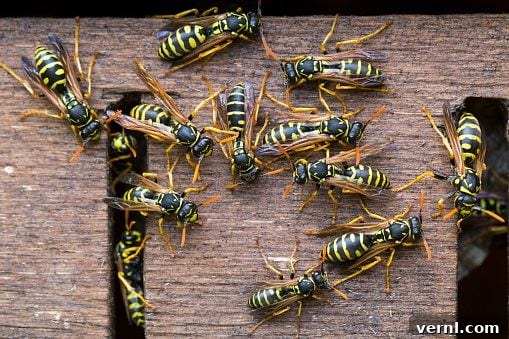
Reclaim Your Yard: The Ultimate Guide to a Safe and Effective DIY Wasp Killer
As the sun bathes your backyard in its warm glow, beckoning you towards beloved outdoor activities like grilling up a storm, enjoying family time on the swing set, or engaging in a friendly game of cornhole on the lawn, the last thing you want is an unwelcome interruption. Yet, for many homeowners, the pure joy of summer can be quickly overshadowed by the discovery of a new, buzzing resident: the notorious wasp. You’ve patiently waited all year to unpack your outdoor equipment, only to find a wasp or an entire colony has decided to make your space their home. The immediate instinct is to eliminate the wasp and its nest, but concerns about getting stung or exposing your family and pets to harsh, store-bought chemical pesticides often lead to understandable hesitation. So, what’s the best course of action for the conscientious homeowner seeking a safe yet truly effective solution?
Fortunately, the ever-evolving world of DIY hacks has presented a brilliant, budget-friendly, and surprisingly effective answer. A clever trick making waves on social media platforms offers a simple, homemade wasp killer that promises to tackle these buzzing invaders without the use of toxic chemicals. This approach prioritizes safety and ease, allowing you to reclaim your outdoor sanctuary with peace of mind. Forget complicated formulas or expensive store-bought sprays; this method uses common household items to create a potent deterrent. Let’s dive into everything you need to know to whip up this innovative solution yourself and enjoy a more peaceful, pest-free summer.
Unlock the Secret: Crafting Your Own Non-Toxic Wasp Spray
The quest for a safer alternative to conventional insecticides has led many to experiment with household items, and one particular concoction has gained significant traction for its remarkable efficacy. Popularized by TikTok handyman and entrepreneur Ceith Griffith (@ceithgriffith), this ingenious wasp-killing spray utilizes just two readily available ingredients: plain water and Dawn dish soap. While we might hesitate to label it 100% “natural” in the strictest sense, given that dish soap is a manufactured product, its non-toxic profile for humans, especially when compared to the potent chemical pesticides found on store shelves, makes it an incredibly attractive and responsible option for home use. This isn’t just a random mix; there’s real science at play here.
The Science Behind the Simplicity: Why Dish Soap Works Wonders
It might seem almost too simple to be true, but the remarkable effectiveness of dish soap against wasps lies in basic physics and biology. Wasps, like most insects, breathe through tiny pores on their bodies called spiracles, which are connected to an internal network of tubes known as tracheae. These spiracles are vital for gas exchange, allowing oxygen in and carbon dioxide out. The outer layer of a wasp’s body, its exoskeleton, is covered in a waxy coating that normally repels water, preventing the spiracles from becoming clogged.
When a wasp is sprayed with a dish soap solution, the soap acts as a surfactant. This means it dramatically reduces the surface tension of the water. This reduction in surface tension allows the soapy mixture to effectively penetrate and break down the wasp’s protective waxy coating. Once this barrier is compromised, the soapy water can then quickly enter and clog the essential spiracles, preventing respiration. Essentially, the wasp’s breathing system is blocked, leading to suffocation. Furthermore, the sticky nature of the soap can also hinder the wasp’s ability to fly and move, further incapacitating it almost immediately. This method offers a rapid, humane, yet definitive way to deal with individual wasps or smaller nests without resorting to harsh, potentially hazardous chemicals that can linger in your environment and pose risks to children, pets, and even beneficial insects like bees.
Gather Your Supplies: What You Need to Get Started
To embark on your journey to a wasp-free zone using this innovative DIY solution, the first step is to gather your minimal supplies. You’ll appreciate how simple and accessible these items are, likely already in your home:
- **An Empty Spray Bottle:** An old, clean spray bottle is perfect for this. Ensure it’s thoroughly rinsed to remove any residue from previous contents, which could potentially react with the soap or reduce its effectiveness. A bottle with a strong, adjustable stream is ideal, allowing you to switch between a fine mist for close range and a more powerful jet for reaching nests or targeting individual wasps from a safer distance.
- **Water:** Regular tap water will suffice. There’s no need for distilled or purified water; the properties of the soap are what matter most.
- **Dawn Dish Soap:** While the original hack specifically mentions Dawn, known for its powerful degreasing agents, other liquid dish soaps with similar degreasing and sudsing properties are highly likely to work just as effectively. The key is the high concentration of surfactants in the soap, which are responsible for breaking down surface tension.
That’s it! Just these three items are all you need to create your potent, yet non-toxic, wasp killer.
Mixing the Magic: The Perfect Proportions
According to Griffith’s proven method, achieving the right concentration of dish soap in water is key for maximum efficacy. The recommended ratio is simple, easy to remember, and allows for effective coverage without waste:
- **10 ounces of water**
- **2 ounces of Dawn dish soap**
Carefully measure these amounts and pour them into your empty spray bottle. Once the ingredients are in, securely close the bottle and give it a good shake to thoroughly combine them. Don’t be concerned if the mixture becomes frothy and bubbly—this is perfectly normal and actually indicates the soap is properly dissolving and mixing with the water. The presence of these bubbles signifies that the active surfactants are ready to work their magic upon contact with the wasps. For easier measurement without precise tools, you can roughly think of this as a 5:1 ratio of water to soap, which is easy to eyeball for larger batches if needed. A standard 12-ounce spray bottle would be almost perfectly filled with this mixture, providing enough solution for several applications.
@ceithgriffith Wasp spray!!#tiktoktaughtme #tiktokpartner #isitworhthemoney ♬ original sound – Ceith Griffith
Effective Application: How to Use Your Homemade Wasp Killer Safely
Once your DIY wasp spray is prepared, the next step is its careful and effective application. While this solution is non-toxic to humans, it’s still crucial to approach wasp control with caution to avoid stings. Safety should always be your top priority, as even a mild irritant can provoke an aggressive response from these insects.
Targeting Individual Wasps and Small Nests
To use your homemade wasp spray, simply aim the nozzle directly at the target. For individual wasps buzzing around your space, a direct hit will quickly immobilize them. They will typically drop to the ground within seconds, at which point you can safely dispose of them. For smaller nests, such as those built by paper wasps under eaves, porch ceilings, or in other sheltered spots, a more thorough application is required. Griffith’s video, for instance, demonstrates saturating a tiny nest approximately 35 times. The key here is complete saturation; you want to completely drench the nest and any visible wasps within it with the soapy mixture. Ensure every part of the nest and every wasp is thoroughly coated.
The dish soap will immediately begin to work, breaking down the waxy coating on the wasps and clogging their breathing apparatus. Within moments, the wasps will cease activity. The nest structure itself, often made of a paper-like material, will also begin to dissolve and weaken due to the water and soap, making its eventual removal much easier and safer once all wasp activity has ceased. Always wait a few minutes after spraying to ensure there is no lingering activity before attempting to remove the dissolved nest.
Optimal Timing for Application
Timing can play a significant role in the success and safety of your wasp removal efforts. Wasps are generally less active during cooler parts of the day, such as early morning (dawn) or late evening (dusk). At these times, most of the wasps are likely to be inside the nest, and their activity levels are significantly lower, reducing the risk of them swarming or aggressively defending their territory. Avoid spraying during the heat of the day when wasps are most active and likely to be out foraging. Always approach a nest cautiously and from a safe distance, making sure to position yourself for a quick retreat if necessary. A surprise attack during their inactive hours is far more effective and less dangerous.
Safety First: Essential Precautions
Even with a non-toxic spray, dealing with wasps carries inherent risks. Their stings are painful, and multiple stings can be dangerous. Here are essential safety tips to keep in mind:
- **Wear Protective Gear:** Long sleeves, long pants, thick gloves, closed-toe shoes, and eye protection are highly recommended, especially when dealing with a nest, regardless of its perceived size. Consider wearing a hat to protect your head and neck.
- **Maintain Distance:** Always use a spray bottle with a strong stream that allows you to apply the mixture from a safe distance. A nozzle that can jet the liquid 10-15 feet is ideal.
- **Have an Escape Route:** Always know your exit path and be prepared to retreat quickly if wasps become agitated or begin to swarm. Do not block your own escape.
- **Check for Allergies:** If anyone in your household is known to be allergic to wasp stings, it’s best to err on the side of extreme caution. In such cases, it is strongly advised to consult a professional pest control service rather than attempting DIY removal, or at least ensure an epi-pen is readily available and someone trained to use it is nearby.
- **Never Provoke:** Avoid swatting at individual wasps or unnecessarily disturbing a nest before you are ready to spray.
Beyond the DIY Spray: Advanced Wasp Control and Prevention Strategies
While the dish soap spray is incredibly effective for individual wasps and small to medium-sized nests, some situations call for more extensive measures or professional intervention. It’s vital to assess the scale of the problem and the type of wasp before proceeding with any control method.
Wasp vs. Bee: Understanding Your Buzzing Invader
Before deploying any pest control method, it’s paramount to correctly identify the buzzing insects in your yard. Are you dealing with wasps or bees? This distinction is crucial not only for effective pest management but also for ethical reasons. Bees, especially honeybees, are vital pollinators essential for our ecosystem and food supply, and they should never be harmed. If you suspect you have a beehive, contact a local beekeeper or bee removal specialist who can safely relocate them without causing harm.
Wasps, while often seen solely as pests due to their aggressive nature and tendency to sting repeatedly, also play a role in the ecosystem as predators of other insects, helping to control garden pests. However, their presence around homes, especially nest formations, is generally less desirable. Here’s how to distinguish between them: wasps generally have smooth, slender bodies with a distinct, narrow “waist,” and typically have bright yellow and black markings. Bees, in contrast, are usually hairier and more robust, often with less vivid yellow and brown or black stripes.
Tackling Larger Infestations: When to Call for Reinforcements
What if you discover a massive wasp nest, or your yard seems to be swarming with these stinging insects despite your best DIY efforts? While our dish soap spray is potent for smaller issues, large, established nests—particularly those of aggressive species like yellow jackets or bald-faced hornets—pose a significant risk. These nests can house thousands of wasps, and their defense mechanisms are formidable and highly coordinated. Attempting to remove such a nest yourself can lead to multiple stings and potentially dangerous situations.
In such scenarios, it’s often safer, more effective, and ultimately more economical to call a professional pest control service. Experts have the necessary specialized equipment, heavy-duty protective gear, and extensive knowledge of wasp behavior to safely and thoroughly remove large nests, minimizing risk to you, your family, your pets, and your property. They can also provide advice on preventing future infestations.
Prevention is Key: Keeping Wasps Away from Your Home
The best defense against wasps is often a good offense, focusing on prevention. By making your yard and home less attractive to wasps, you can significantly reduce the likelihood of an infestation in the first place:
- **Eliminate Food Sources:** Wasps are strongly attracted to sugary foods and proteins. Keep outdoor trash cans tightly sealed with heavy lids, clean up outdoor eating areas and BBQ grills promptly, and pick up any fallen fruit from trees in your yard regularly. Avoid leaving pet food outdoors for extended periods.
- **Seal Entry Points:** Conduct a thorough inspection of your home’s exterior for any cracks, gaps, or holes in siding, eaves, fascia boards, and around window and door frames. Seal these potential entry points with caulk or expanding foam to prevent wasps from building nests inside your home’s walls, attics, or other voids.
- **Maintain Your Yard:** Trim bushes, hedges, and dense foliage regularly. Overgrown vegetation can provide sheltered, ideal spots for wasps to build nests undisturbed. Remove dead wood, leaf litter, and other debris from your yard.
- **Plant Deterrents:** Certain plants are known to deter wasps with their natural aromas. Consider planting spearmint, peppermint, citronella, eucalyptus, marigolds, or wormwood around your outdoor living spaces and garden beds.
- **Use Decoy Nests:** Wasps are territorial creatures. Hanging a fake wasp nest (available commercially, or a simple DIY version made from a brown paper bag stuffed and shaped like a nest) can sometimes trick scout wasps into believing the area is already claimed by another colony, encouraging them to build elsewhere. Place these decoys early in the spring before wasps establish their own territories.
- **Target the Queen in Spring:** Spring is also the ideal time to eliminate the queen wasp, thereby preventing an entire colony from forming. Queen wasps emerge from hibernation in early spring to find suitable locations and begin building new nests. Catching and eliminating these queens early on can save a lot of trouble and prevent a large infestation later in the season. Look for lone wasps scouting around your eaves or shed.
Treating a Wasp Sting: Immediate Care and When to Seek Help
Despite your best preventative efforts and cautious application, sometimes a sting can happen. If you or someone you know gets stung by a wasp, immediate care can help alleviate discomfort and prevent complications. Unlike bees, wasps can sting multiple times, so moving away from the area after a sting is crucial. For common, non-allergic stings, follow these steps:
- **Clean the Area:** Wash the sting site thoroughly with soap and water to prevent infection.
- **Apply a Cold Compress:** Place ice wrapped in a cloth or a cold compress on the sting site. This helps reduce swelling, pain, and inflammation.
- **Pain Relief and Anti-itch:** Over-the-counter pain relievers (like ibuprofen or acetaminophen) can help manage the pain. Topical creams containing hydrocortisone or oral antihistamines can help reduce itching and swelling.
- **Monitor for Reactions:** Closely watch for signs of an allergic reaction. These can include difficulty breathing, widespread swelling away from the sting site (e.g., face, throat), hives or rash over the body, dizziness, lightheadedness, a rapid pulse, or a sudden drop in blood pressure. **If any of these severe symptoms occur, seek immediate emergency medical attention.** Even a mild allergic reaction can escalate, so prompt medical care is vital.
For more detailed advice on properly treating a wasp sting and understanding potential risks, you can refer to this comprehensive article. By combining smart prevention with effective, safe DIY solutions like the dish soap spray, you can confidently manage wasp populations and truly enjoy your pest-free outdoor spaces all season long. Stay safe out there!