
Border authorities regularly intercept goods that are not permitted to enter a country, but some seizures are more unusual than others. In Australia, officials recently dealt with a particularly striking case: a large illegal collection of live exotic cockroaches.
In early June, Australian officials announced the seizure of 100,000 live exotic cockroaches. The insects, which had been held by a commercial breeder, were estimated to be worth around $200,000. The case prompted a warning from the Australian Department of Climate Change, Energy, Environment and Water (DCCEEW) about the illegal breeding and trading of exotic cockroaches.
“We’re seeing illegal breeding and trading of exotic cockroaches, and we’re putting pet businesses and pet owners on notice,” a DCCEEW spokesperson said.
The seizure highlights a wider issue that many countries face: protecting local ecosystems from species that have not been approved for import. Even animals that may seem harmless in a home, a pet shop, or a breeding facility can create problems if they escape, reproduce, or introduce disease into the environment. For that reason, Australia maintains strict biosecurity rules governing which live animals can legally be brought into the country.
Why Are Cockroaches Illegal?
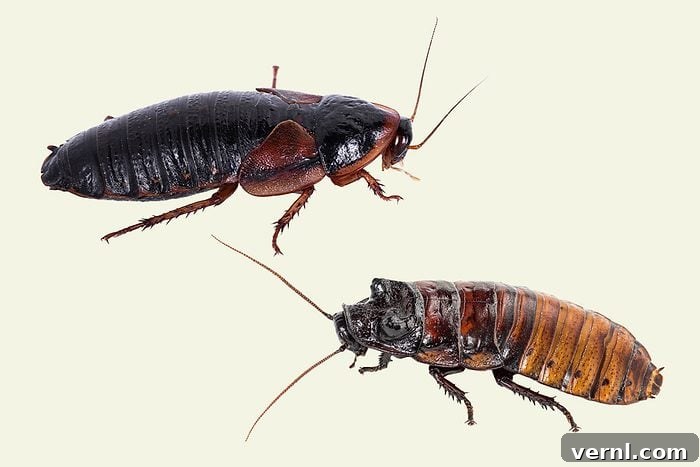
The latest seizure involved two types of cockroaches: the dubia cockroach and the Madagascar hissing cockroach. Both are well known among reptile keepers and insect enthusiasts, but that does not make them legal to import or breed in Australia.
According to the information released by Australian authorities, the issue is not that these cockroaches are being described as uniquely dangerous. The legal problem is that these species are not included on Australia’s Live Import List. That list identifies the living animals that are approved for import into the country. If a species is not on the list, it cannot be legally imported unless the rules change.
Australia’s restrictions are part of its broader biosecurity system. The country uses import controls to reduce the risk of non-native animals, insects, plants, and diseases becoming established. When a species enters a new environment, it may compete with native wildlife, spread pathogens, damage plants, or create other ecological pressures. These risks are one reason officials take illegal exotic insect trading seriously, even when the animals are being kept for pet food or private collections.
In this case, the cockroaches had already entered the illegal trade before authorities seized them. The incident serves as a reminder that pet businesses, breeders, and individual owners are expected to understand the rules before buying, selling, importing, or breeding exotic species.
Why Do People Want These Cockroaches?
One of the main reasons people seek out dubia cockroaches and Madagascar hissing cockroaches is their use as feeder insects for reptiles and other insect-eating pets. Compared with some commonly available feeder insects, these cockroaches are larger, which can make them an appealing food source for keepers who want to feed animals efficiently.
However, Australian authorities have made it clear that pet owners should not rely on illegal species. “Reptile owners who have been using dubia roaches as feeders are encouraged to seek legal alternatives such as crickets and wood roaches,” the DCCEEW spokesperson said.
There is also another reason these insects attract interest: some people keep cockroaches as pets. The Madagascar hissing cockroach, in particular, is popular with some insect keepers because of its size, unusual appearance, and distinctive hissing behavior. The species is often viewed differently from household pest cockroaches, and enthusiasts may see it as a low-maintenance invertebrate pet.
Still, personal interest does not override import law. In Australia, the key question is whether a species is legally approved. Unless dubia cockroaches or Madagascar hissing cockroaches are added to the Live Import List in the future, they remain prohibited. People who import, breed, trade, or keep them illegally may face enforcement action.
The seizure of 100,000 live exotic cockroaches is a clear warning to breeders, retailers, reptile owners, and pet collectors. Before purchasing unusual insects or using them as feeder animals, owners should check whether the species is legal in their area. Choosing approved alternatives helps protect local ecosystems and avoids the risk of penalties connected to illegal exotic pet trade.
Related
- How To Get Rid of Pet Hair in Your Home
- 5 Tips for Getting Dog Smell Out of Your House
- How To Clean a Dog Bed