
Magic Erasers: Your Go-To Guide for Sparkling Clean
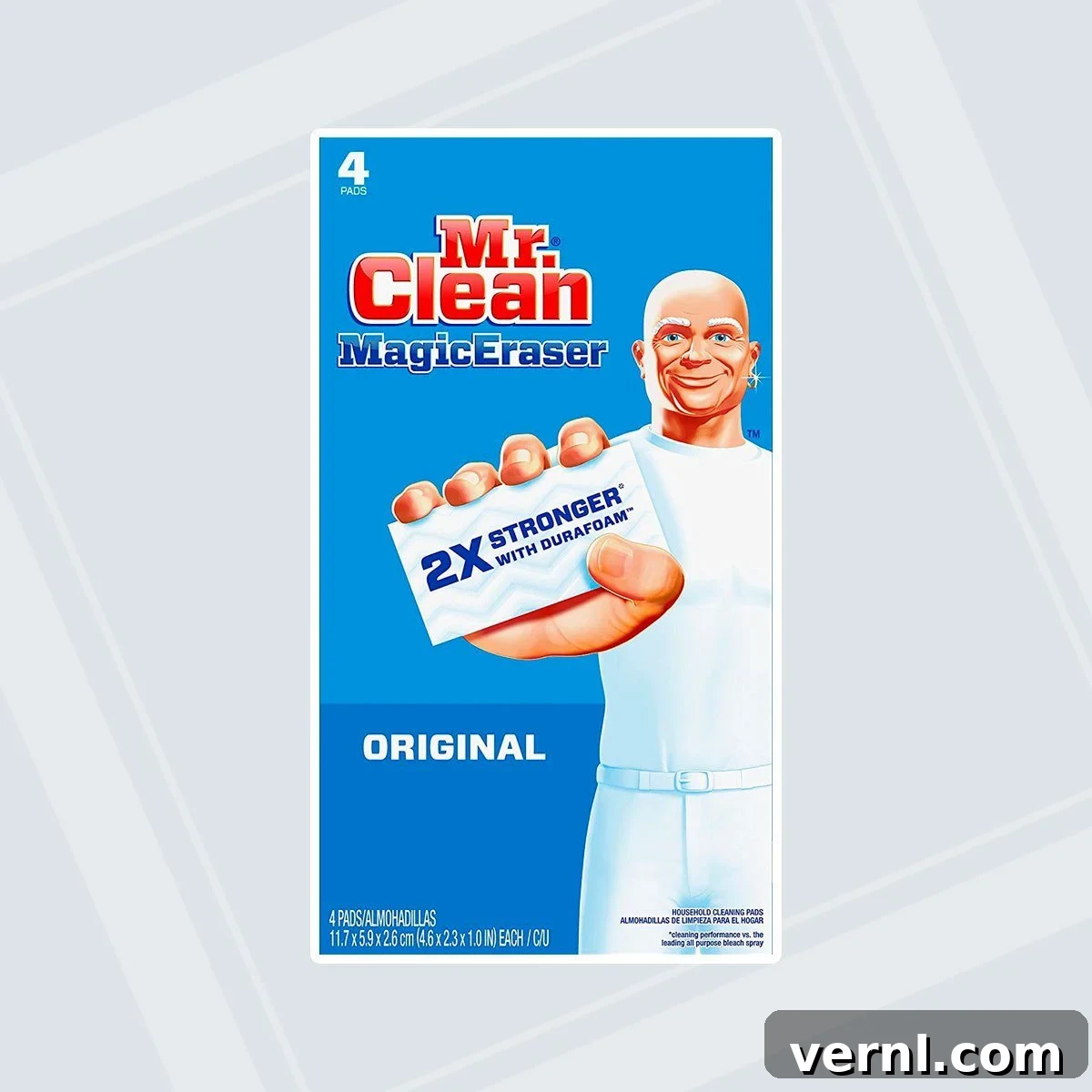
Introduced to the market in 2003, the Magic Eraser, from Mr. Clean, has become a household name. These simple, yet effective, cleaning tools utilize only water to remove a wide array of messes. This guide delves into everything you need to know about Magic Erasers – their composition, how they work, their safe usage, and areas where they should be avoided.
What Are Magic Erasers Made Of? Unveiling the Science
The secret behind the cleaning power of Magic Erasers lies in their unique composition. They are primarily made from melamine foam. This foam is created using a compound called formaldehyde-melamine-sodium bisulfite copolymer. While the name may sound complex, the properties of this material make it an excellent cleaning tool.
Melamine foam offers more than just cleaning benefits. It has applications in various fields, including:
- Sound insulation: Melamine foam can improve acoustics and reduce outside noises.
- Temperature insulation: It acts as a barrier against both hot and cold temperatures.
The structure of melamine foam is a combination of hard and soft components, including hydrogen, carbon, and nitrogen. This unique blend allows it to effectively combat stains without damaging the underlying surface. Melamine foam has been in production since the late 20th century, and its effectiveness as a cleaning tool was recognized in the early 21st century.
How Do Magic Erasers Work Their Magic? The Cleaning Process
One of the most appealing aspects of Magic Erasers is their simplicity. They require only water to lift away most stains. Unlike many cleaning products, there’s no need for harsh chemicals or soaps. This ease of use, combined with their effectiveness, makes them a popular choice for tackling household cleaning tasks.
Despite their sponge-like appearance, the cleaning action of Magic Erasers is very different. Melamine foam is a porous material. It functions as a very fine abrasive, similar to sandpaper, but gentle enough for many surfaces. The tiny air pockets within the material lift stains and grime when the eraser is dampened. This unique structure allows for effective cleaning with minimal effort.
However, it’s worth noting that Magic Erasers are not designed to last forever. Because of their porous nature, they wear down relatively quickly during use. If you have a large cleaning project in mind, it’s a good idea to have a few on hand. The delicate cell structure of the eraser effectively loosens and grabs dirt and grime, which is why they eventually break down.
Are Magic Erasers Safe? Addressing Safety Concerns
A common question is whether Magic Erasers are safe to use in your home. The answer is generally yes. While the compound name does contain “formaldehyde,” it’s crucial to understand that this is part of a chemical structure, not a separate ingredient. Magic Erasers are non-toxic and are designed for safe household use.
However, it is important to exercise caution. As they are abrasive, avoid rubbing Magic Erasers against your skin or allowing children to handle them. Proper use is key to ensuring a safe cleaning experience.
Regarding their environmental impact, some studies suggest that the microparticles released when cleaning with Magic Erasers that go down the drain may contribute to the microplastic issue in waterways, but the extent of this impact is still being researched. While Magic Erasers are not biodegradable, they often provide a safer alternative to some potentially more toxic cleaning supplies.
How to Use Magic Erasers Effectively: Step-by-Step Guide
Using Magic Erasers is straightforward. These erasers are excellent for cleaning surfaces such as countertops, floors, and fixtures. Follow these simple steps for optimal results:
- Preparation: Wet the Magic Eraser with water.
- Wring: Gently squeeze out any excess water. The eraser should be damp, not dripping.
- Cleaning: Rub the eraser gently over the surface you want to clean. Use light pressure, and avoid scrubbing too vigorously.
- Rinse (if needed): After cleaning, rinse the surface with clean water to remove any loosened dirt or eraser residue.
- Dry: Wipe the cleaned area with a clean cloth to dry it.
For more specific cleaning needs, consider using specialized Magic Eraser varieties, like the bath- and kitchen-specific versions designed for those specific areas. You can even find them in wipe form, such as Magic Eraser sheets for added convenience.
Surfaces to Avoid: Protecting Your Valuables
While Magic Erasers are incredibly versatile, it’s crucial to know where not to use them. The abrasive nature of the eraser can potentially damage certain surfaces. Always exercise caution and test in an inconspicuous area before tackling a larger area.
Here are some surfaces where you should avoid using a Magic Eraser:
- Polished Surfaces: Avoid use on polished surfaces as they may remove the finish.
- Delicate Surfaces: Delicate materials can be easily scratched.
- Easily Scratched Surfaces: Avoid on any surface that could be scratched by abrasion.
- Cars: Car paint can be damaged.
- Stainless Steel: May scratch or dull the finish.
- Glossy Walls: Can remove paint or damage the finish.
- Wood: Can damage wood finishes.
By understanding what Magic Erasers are, how they work, and how to use them safely, you can make the most of this versatile cleaning tool, keeping your home sparkling clean.