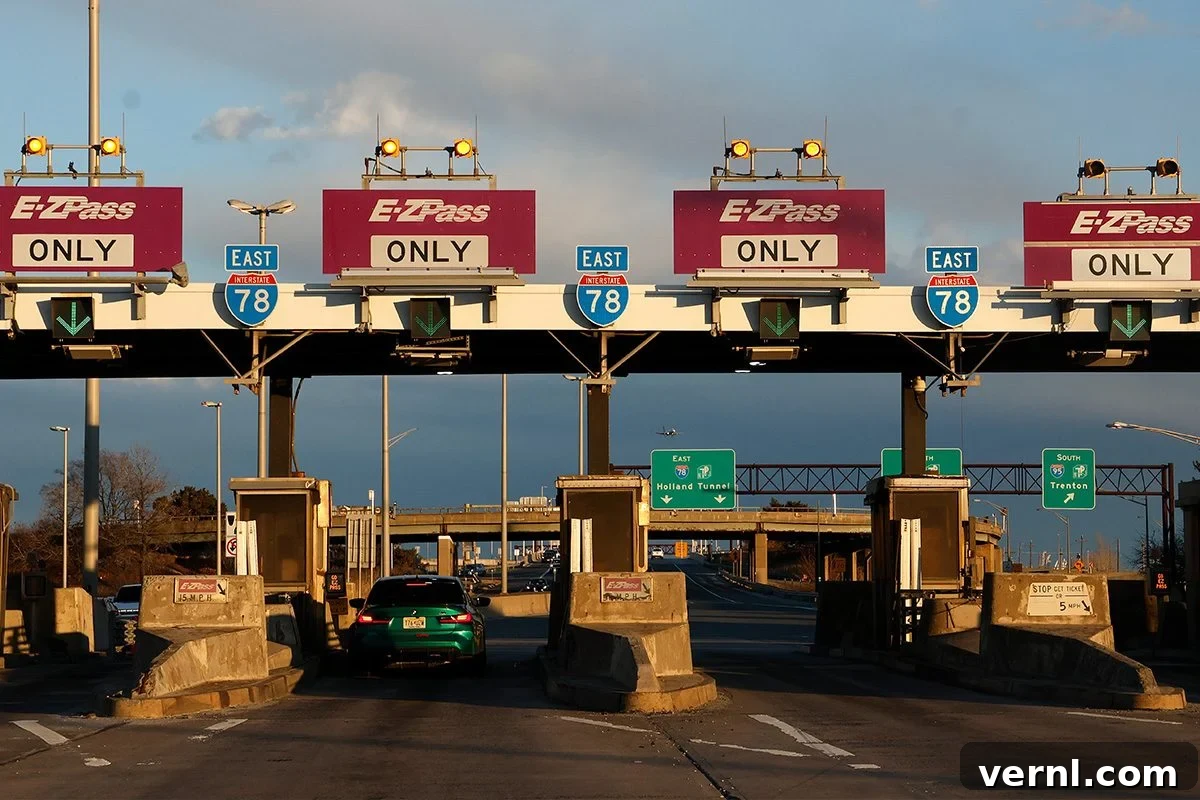
America’s highways didn’t build themselves. As car ownership grew, the automobile gave Americans unprecedented freedom to travel whenever and wherever they wanted. States recognized that to keep people and goods moving, they had to replace unpaved, deteriorating roads with modern paved highways.
I live in the Commonwealth of Pennsylvania, home of the nation’s first long-distance turnpike. I traveled the Pennsylvania Turnpike for 25 years, and it now has the unfortunate reputation of being one of the most expensive toll roads. When it opened in 1940 it was designed primarily to move commercial traffic — up to 10,000 vehicles a day. Today, despite higher tolls, the Turnpike carries roughly a half-million vehicles daily and functions much like other major commuter interstates such as I-95 or I-80.
Below, a historian and a civil engineering expert explain how turnpikes evolved into modern toll systems, why they were built and paid for, and why preserving our major roads remains vital.
The 1900s Car Boom That Changed America
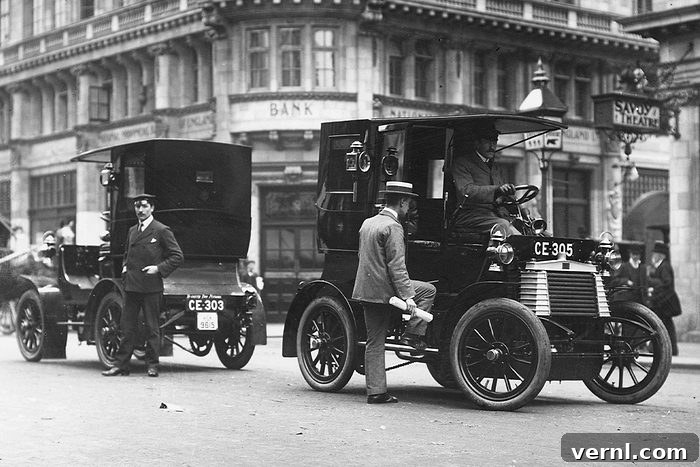
At the start of the 20th century, cars were luxury items. Henry Ford’s mass-production techniques changed that by dramatically lowering the cost of automobiles, making them attainable for middle- and working-class families. By the 1920s, the car had reshaped the economy, society, and daily life.
Car ownership loosened the old requirement to live near work. Gasoline-powered trucks and tractors began to replace horses, allowing farmers to grow more and transport goods more cheaply. The U.S. Department of Commerce estimated that, by mid-century, roughly one in six American jobs depended on the automobile industry. Increased vehicle speeds and loads, however, quickly exposed the shortcomings of existing rural roads.
Need For Better Highways
Makeshift local roads were ill-suited to faster, heavier vehicles, creating safety and reliability problems for drivers. Historian Ali Mujtuba Zaidi notes that mass-produced automobiles outpaced dirt road networks and caused an infrastructure crisis: long-distance travel could be slow and hazardous, with mud and dust frequently making roadways impassable or dangerous.
The Good Roads Movement, together with groups like the American Automobile Association, campaigned for better rural and national roads. Their efforts contributed to the Federal Aid Road Act of 1916, which provided matching funds to states for road improvements and established coordinated standards through state highway departments. Durable, paved highways became essential for commerce, safety, and the growing number of Americans traveling by car.
When Did Tolls Start?
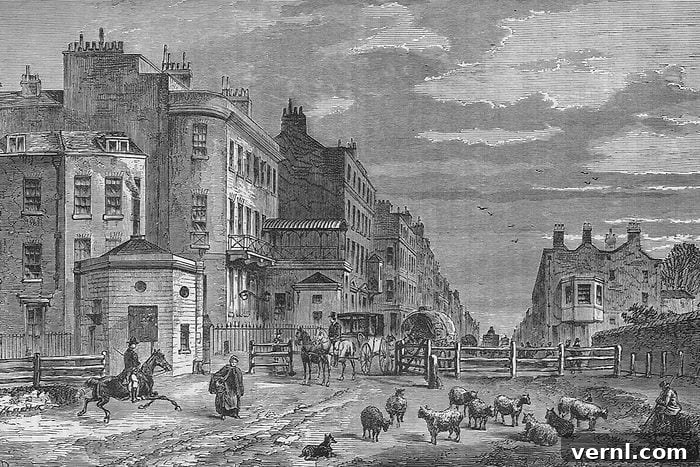
Toll roads have deep roots. In the late 18th century private companies built “turnpikes” and charged travelers a fee to use them. The Philadelphia and Lancaster Turnpike, opened in 1795, used a spiked gate — called a pike — that prevented passage until payment was made. Long before federal highway funding, states and private firms were developing modern toll roads in the early 20th century, and larger, high-speed toll expressways began appearing in the 1930s.
Toll roads provided smoother, faster, and safer alternatives to older routes while generating dedicated revenue for construction and maintenance. The Pennsylvania Turnpike, which opened in 1940 with New Deal support, became the nation’s first modern superhighway. Built to contemporary engineering standards, it served as a prototype for later interstate construction.
Federal Interstate System
The 1956 Federal Aid Highway Act brought massive federal investment funded mainly through gas taxes. The law prioritized freeways and established a standardized interstate network designed for high-speed regional travel. To preserve efficient long-distance movement, conventional toll plazas were generally excluded from new interstate routes.
Many existing highways were incorporated into the Federal Interstate System; others remained state-controlled toll roads. The interstate network standardized design and improved safety while connecting the country. Although the system also accelerated suburban growth and tourism, President Eisenhower promoted it partly for national defense and strategic mobility.
How Modern Tolls Work
Today’s tolling systems have moved away from physical booths to all-electronic collections. Overhead gantries with cameras and sensors, and vehicle transponders such as E‑ZPass, allow tolls to be collected at highway speeds without stopping. Revenue from tolls funds repairs, long-term maintenance, upgrades not covered by federal gas taxes, and debt service on construction projects.
Beginning in the 1990s, federal programs encouraged states to adopt electronic tolling to reduce emissions from idling vehicles, improve safety, and lower operating costs. Under congestion and air-quality programs, states could use federal funds to remove toll plazas and install electronic systems. Today, most major toll roads participate in interoperable transponder networks.
The Future of Toll Roads in America
The country faces a funding challenge: gas tax revenue has declined in real terms while infrastructure ages. To secure stable funding for maintenance and modernization without raising broad taxes, many states are exploring expanded tolling and variable pricing models. Experts describe a shift from flat tolls to dynamic, data-driven pricing that adjusts in real time based on traffic conditions, with the goal of managing congestion and maintaining reliable travel speeds on high-demand corridors.
FAQ
Why do some highways still charge tolls if gas taxes exist?
Gas taxes have lost purchasing power over decades and do not fully cover the costs of maintaining or replacing aging bridges and highways. The Highway Trust Fund has required supplemental funding and periodic bailouts, and tolls remain a direct user-funded mechanism to pay for road upkeep and improvements.
Do electric vehicles (EVs) affect toll road funding?
Yes. As EV adoption grows, fuel-tax revenue — which depends on gasoline sales — declines. Some states have introduced EV registration fees to offset those losses. While EVs currently represent a portion of the fleet, their growing presence motivates policymakers to diversify transportation funding sources, including tolls and mileage-based user fees.
Are tolls even legal?
Courts have long treated tolls as user fees rather than taxes, and both federal and state laws authorize tolling for specific infrastructure projects. Tolls are a legally established method for governments and authorities to fund road construction and maintenance.
Experts
Arif Gasilov is a partner at Gasilov Group, a U.S.-based sustainability and ESG consultancy. He has spoken and written about energy economics and sustainability topics in various media and holds LEED certification. He has published on utility law and infrastructure funding.
Ali Mujtuba Zaidi is a civil engineering scholar and editor focused on historical logistics, infrastructure, and engineering systems. He researches how past engineering solutions influence modern transportation networks.
Resources
ENO Center for Transportation: Toll-Roads-and-Free-Roads (report)
GovFacts: The Growing Debate Over Pay-to-Drive America (article)
History Link: President Woodrow Wilson signs the Federal Aid Road Act on July 11, 1916 (historical note)
International Bridge, Tunnel and Turnpike Association: Insights on autonomous vehicles and the need for road pricing
International Bridge, Tunnel and Turnpike Association: Infrastructure investment analysis
LegalClarity: How Are Toll Roads Legal? Federal Law and State Authority
Mineta Transportation Institute: Tolls for Transit — The legal case and real-world impacts
Pennsylvania Turnpike Commission: Historical facts about the Pennsylvania Turnpike
U.S. Department of Transportation: Federal Highway Administration — Air Quality and CMAQ program
U.S. Department of Transportation: FHWA history of toll roads and related materials
TheFreeLibrary: Shifting gears — analysis of the U.S. auto industry and its workforce