
The first time I felt sticker shock at the grocery store was right after returning from a weeks-long trip abroad. My partner had been craving a ribeye steak, but when he saw the new price — about $4 more per pound than before we left — he set it back on the shelf.
A few months later we found the same cut on sale for half the price. He bought a 13-pound slab to cut into steaks and looked for a reliable way to preserve it without risking freezer burn. That’s when we discovered the vacuum sealer.
Before that, a vacuum sealer was something we’d only vaguely heard of. Now it’s one of our most used kitchen tools. Vacuum sealing lets us buy in bulk, extend shelf life, reduce food waste, and store leftovers without worry. It also enables batch cooking: we prepare meals in advance, vacuum seal portions, and pull them out on busy nights—saving time and helping us avoid fast food and unhealthy options.
How a Vacuum Sealer Works
Vacuum sealers remove air from specially designed bags, jars, or containers and create an airtight seal. With oxygen removed, foods are protected from freezer burn and many spoilage mechanisms, often lasting several times longer than they would otherwise. Proper sealing slows bacterial growth and preserves texture and flavor.
Foods that work well with vacuum sealing include:
- Dry goods: flour, sugar, nuts, and pantry snacks.
- Items destined for the freezer: raw and cooked meats, soups, stews, berries, peaches, and blanched or cooked vegetables.
- Refrigerated foods you want to keep fresh longer without freezing.
Foods that typically don’t vacuum seal well:
- Certain fruits: bananas, avocados, and whole apples, which can bruise or brown.
- Some vegetables: mushrooms, raw onions, potatoes, cucumbers, and uncooked leafy greens, which may be crushed or degrade.
- Soft cheeses, which can be crushed and lose texture under vacuum pressure.
How Much Money Our Vacuum Sealer Has Saved Us
Like many households, we used to waste a significant amount of food—one common estimate for U.S. households is in the thousands of dollars per year. After adopting vacuum sealing, our food waste dropped dramatically. We rarely throw things away because they’ve spoiled; instead we vacuum seal leftovers and items that would otherwise go bad. That awareness also reduced impulse buys and encouraged us to consume what we already have.
On top of reduced waste, buying meat on sale and in bulk has added to our savings. Over the years, subtracting the cost of the machines and supplies we’ve purchased—machines and sealing bags—our net savings have been substantial. Beyond household budget improvements, the environmental benefits are notable: less wasted food means less water and energy used to produce food, fewer fertilizers and pesticides affecting ecosystems, and fewer greenhouse gas emissions from decomposition in landfills.
A Few More Benefits of Vacuum Sealers
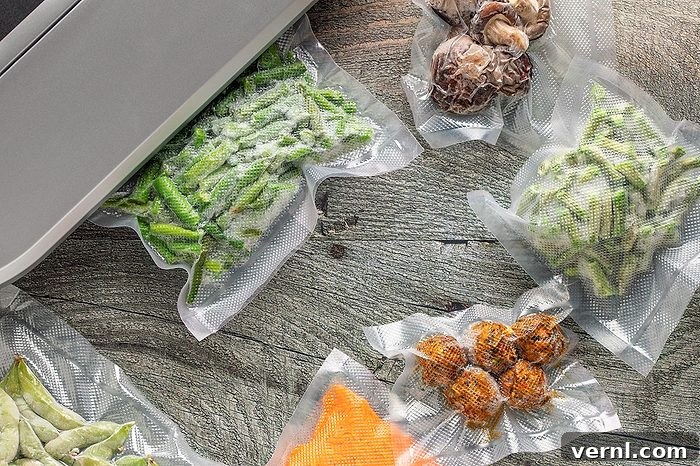
- Save space: vacuum-sealed meals take up less room in freezers and coolers, which is especially useful for camping or limited storage.
- Speed marinades: vacuum sealing accelerates the marinating process by forcing flavors into meat and vegetables.
- Protect household items: seal decorations, first-aid supplies, and textiles to keep dust and moisture out.
- Organize small parts: vacuum sealing screws, bolts, and small hardware keeps them together and easy to find.
What We Don’t Love About Vacuum Sealers
The biggest downside is increased plastic use. Even BPA-free bags still add to plastic consumption and may contribute microplastics over time. We try to mitigate this by choosing high-quality, reusable options when possible and buying bags in larger rolls to reduce overall waste.
It’s also important to remember that vacuum sealing isn’t a guarantee against spoilage. Some pathogens can survive in low-oxygen environments, so it’s essential to follow safe handling and storage practices, chill foods properly, and cook or freeze items within recommended timeframes.
Vacuum Sealers We Recommend
We began with a handheld model that lacked enough suction for many tasks and tried a small edge sealer that was passable but limited. Eventually we upgraded to a full-size countertop sealer that has been reliable for years. It has required minor repairs we could handle ourselves, and that combination of performance and serviceability made it worth the investment. For anyone choosing a vacuum sealer, consider your intended use—occasional sealing for leftovers, bulk freezing, or heavy-duty meal prep—and pick a model with the appropriate power, seal width, and bag compatibility.
Related topics
- The real reasons aluminum foil has a shiny side and a dull side
- How to use Adirondack chairs more comfortably
- Proper recycling habits: why you should think twice about crushing cans