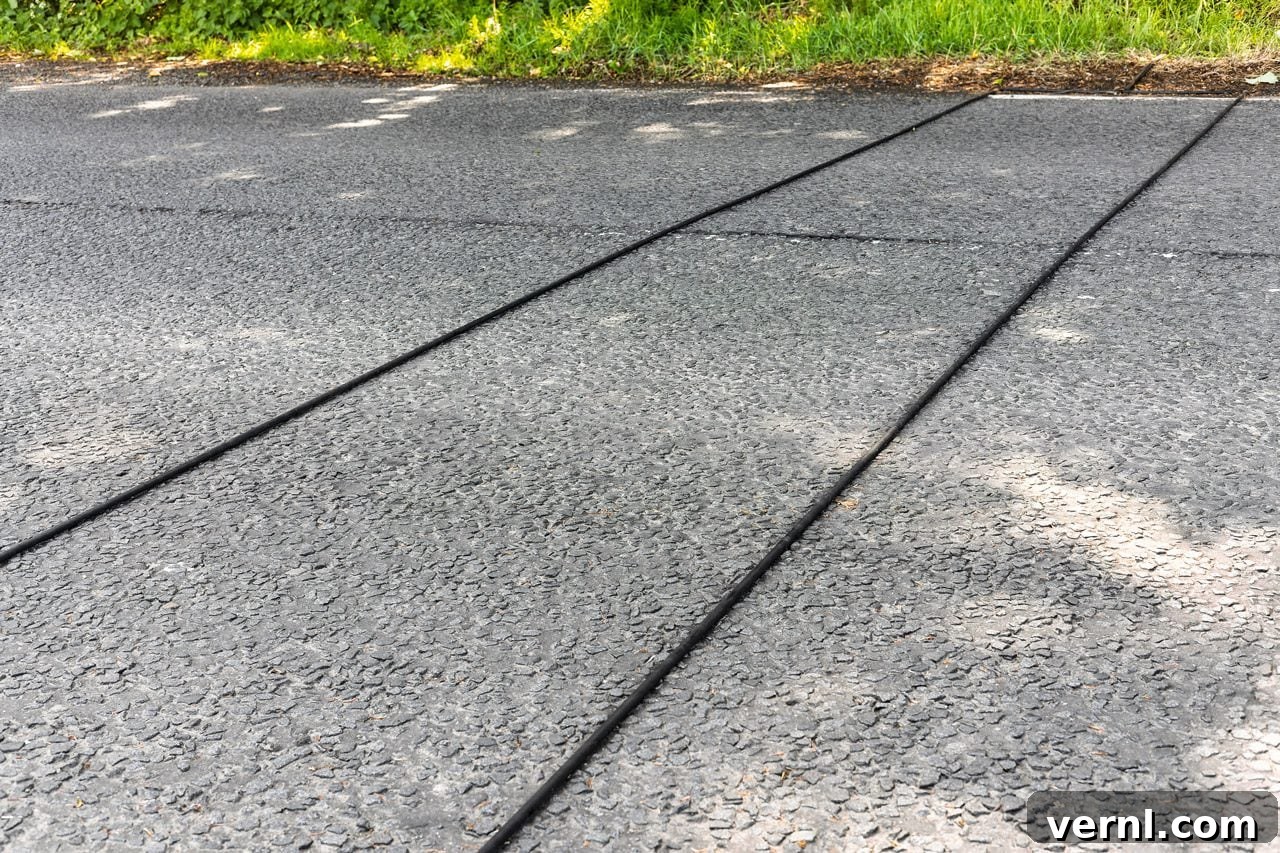
Just about every driver has seen what looks like a pair of black rubber hoses stretched across the pavement. But do you know what those actually are for?
They are not abandoned construction materials or speed-enforcement devices left by law enforcement. Transportation agencies and local governments place these tubes to collect information about how vehicles use a road. Below is a clear explanation of how the tubes work, what data they collect, who uses the data, and what drivers need to know when they encounter them.
What the Black Tubes Measure and How They Work
These black tubes are commonly called pneumatic road tubes. Each tube connects to a small counting device positioned nearby that records when vehicle axles roll over the tube. When a tire passes over a tube, it compresses the tube and sends a pressure pulse through an air line to the counter. The counter records that pulse as an axle event.
Pneumatic road tubes are a widely used option for short-term traffic counts and vehicle classification because they are relatively inexpensive and easy to maintain. Manufacturers of tube systems typically provide software to help agencies analyze the collected data.
Agencies install one or more tubes depending on the information they want. A single tube can count axle hits and provide a solid estimate of traffic volume. Two tubes placed a measured distance apart can deliver additional details such as vehicle speed and direction of travel by timing the interval between axle hits on each tube. The pattern and spacing of axle hits also help classify vehicles by type—distinguishing, for example, passenger cars from larger trucks based on axle configurations and spacing.
These tubes are focused on vehicle movement data rather than identifying individual vehicles or drivers. They do not capture license plates, photos, vehicle makes and models, or driver identities. The portable equipment is quick to deploy and remove, so crews can gather the needed data over a short monitoring period and then take the system down without permanent installation.
Why Transportation Agencies Use Them
Transportation departments and local governments across the United States rely on pneumatic tubes as a practical tool for traffic monitoring and planning. Different agencies use the data for a variety of purposes: long-range transportation planning, evaluating safety or congestion issues, neighborhood traffic assessments, and supporting decisions about road maintenance or improvements.
For example, state transportation departments use traffic counts to inform budgeting and project prioritization. Local municipalities may deploy tubes on a residential street for a week to determine traffic volume and speeds when reviewing neighborhood calming measures. The data provides engineers and planners with objective measures of how a road is being used, which supports more informed decisions about design, signals, signage, or other safety countermeasures.
Because the devices are nonintrusive and portable, they are particularly useful for short-term studies and for gathering baseline data before and after changes are made to a roadway.
What Drivers Should Do When They See Them
When properly installed, pneumatic road tubes present no hazard to drivers. At most, a vehicle will produce a slight sound or a small bump as it passes over the tube. The devices are designed to lie flat across travel lanes and endure repeated vehicle passes without interfering with traffic.
Drivers should continue to follow normal driving rules. There is no reason to brake suddenly, swerve, or try to drive around the tubes. Sudden maneuvers could create a safety risk for other road users. In short, if you see those black tubes across the road, they are there to help transportation professionals understand traffic patterns and improve roadway planning and safety.
Sources
Federal Highway Administration, “Pneumatic Road Tube”
Federal Highway Administration, “Traffic Monitoring Guidebook, Chapter 4”
Alaska Department of Transportation and Public Facilities, “Traffic Counters”
City of Chandler, Arizona, “Traffic Volumes and Calming Measures”
Town of Abington, Massachusetts, “Traffic Counter Notice”
RELATED:
- Do You Know What That Little Button on Your Seat Belt Is For?
- What Those Lines on Your Backup Camera Really Tell You
- Here’s What The Small Panel On Your Car’s Front Bumper Is For