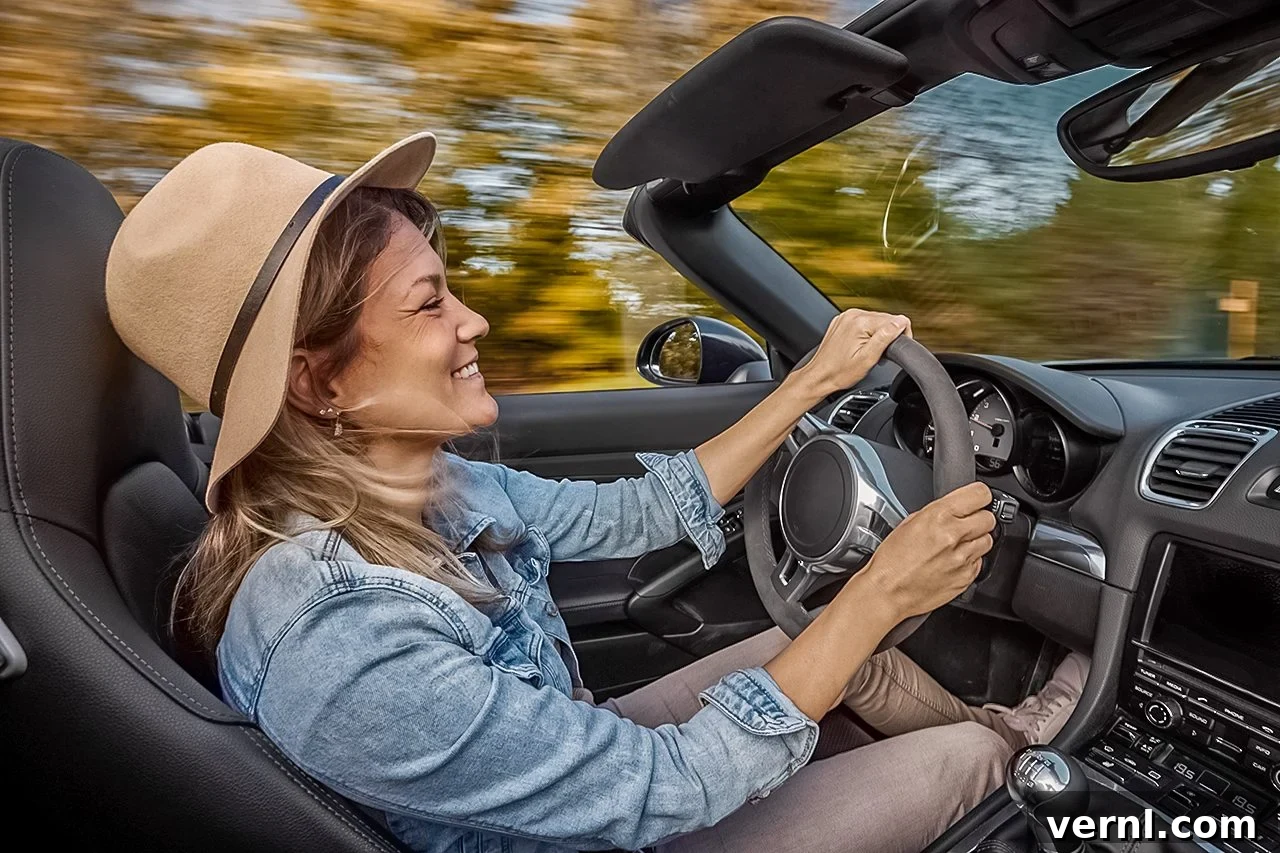
Anyone who enjoys driving knows the feeling: a particular road, a favorite car, or just the right sequence of turns can turn an ordinary commute into something memorable. That sense of enjoyment isn’t always about raw speed. A recent Castrol EDGE study, “Thrill of Driving,” examined drivers’ bodies and brains during different driving experiences to identify what makes some drives feel exhilarating and others stressful.
The study tracked participants at a closed test facility in the United Kingdom through a variety of driving scenarios: karting, high-speed track laps, off-road runs, and a passenger ride. Researchers measured physical arousal, mental focus, and whether participants perceived the experience as exciting or edging into stress. The results point to a clear conclusion: the most thrilling drives were those that combined focused attention, a sense of control, and heightened physical stimulation — but without crossing into overwhelm.
Driving Thrill Is About More Than Speed
One key takeaway was that speed alone wasn’t the dominant factor in how thrilling an experience felt. Karting, for example, produced strong responses even at relatively low speeds. The nature of karting requires constant attention, quick steering corrections, and continuous engagement from the driver. That active control and sustained focus produced a high thrill level despite modest velocities.
By contrast, simply being a passenger at high speed didn’t generate the same thrill. The study suggests that feeling fully engaged and able to influence the vehicle’s behavior matters more than how fast the car is going. Castrol describes the optimal state as “controlled immersion”: a blend of mental focus, physical engagement, and confidence in one’s ability to manage the vehicle. When these elements align, driving feels exciting rather than frightening.
Feeling in Control Can Separate Thrill From Stress
Excitement and fear can trigger similar bodily responses — a racing heart, elevated adrenaline, and heightened alertness. The crucial difference, according to the research, is whether the driver feels in control. When drivers perceived themselves as capable and comfortable handling the vehicle, arousal stayed on the positive side of the spectrum and the experience remained fun. But once people began to feel overwhelmed or uncertain, the same physiological cues shifted toward stress and anxiety.
This idea helps explain why familiar routes and responsive cars can deliver a satisfying driving experience without aggressive behavior. A responsive steering feel, predictable vehicle behavior, and confidence in one’s handling skills make it easier to remain absorbed in the drive and less likely to slip into stress. That’s why many drivers prefer a well-tuned car and a known road over simply chasing higher speeds.
Safety and Public Roads
For drivers on public roads, the study’s findings don’t imply that faster is better. Public driving introduces variables you can’t control: traffic, pedestrians, intersections, changing weather, and unexpected obstacles. Authorities like the National Highway Traffic Safety Administration emphasize that speeding increases stopping distance and heightens the risk of losing control. Speeding endangers not only the driver but everyone on the road, including emergency responders and other motorists. Maintaining appropriate speed and focus helps keep the experience enjoyable without risking safety.
Comfort levels and risk tolerance vary widely from driver to driver. It’s important to remember that the Castrol testing took place in controlled environments with professional oversight. The practical takeaway for everyday drivers is that seeking engagement through focus, skillful vehicle control, and predictable conditions will make driving feel more thrilling and less stressful than merely pushing for higher speeds.
Sources
Castrol EDGE, “The Science Behind the ‘Thrill of Driving’”
National Highway Traffic Safety Administration, “Speeding and Aggressive Driving Prevention”
RELATED:
- Do You Know What That Little Button on Your Seat Belt Is For?
- What Those Lines on Your Backup Camera Really Tell You
- Here’s What The Small Panel On Your Car’s Front Bumper Is For