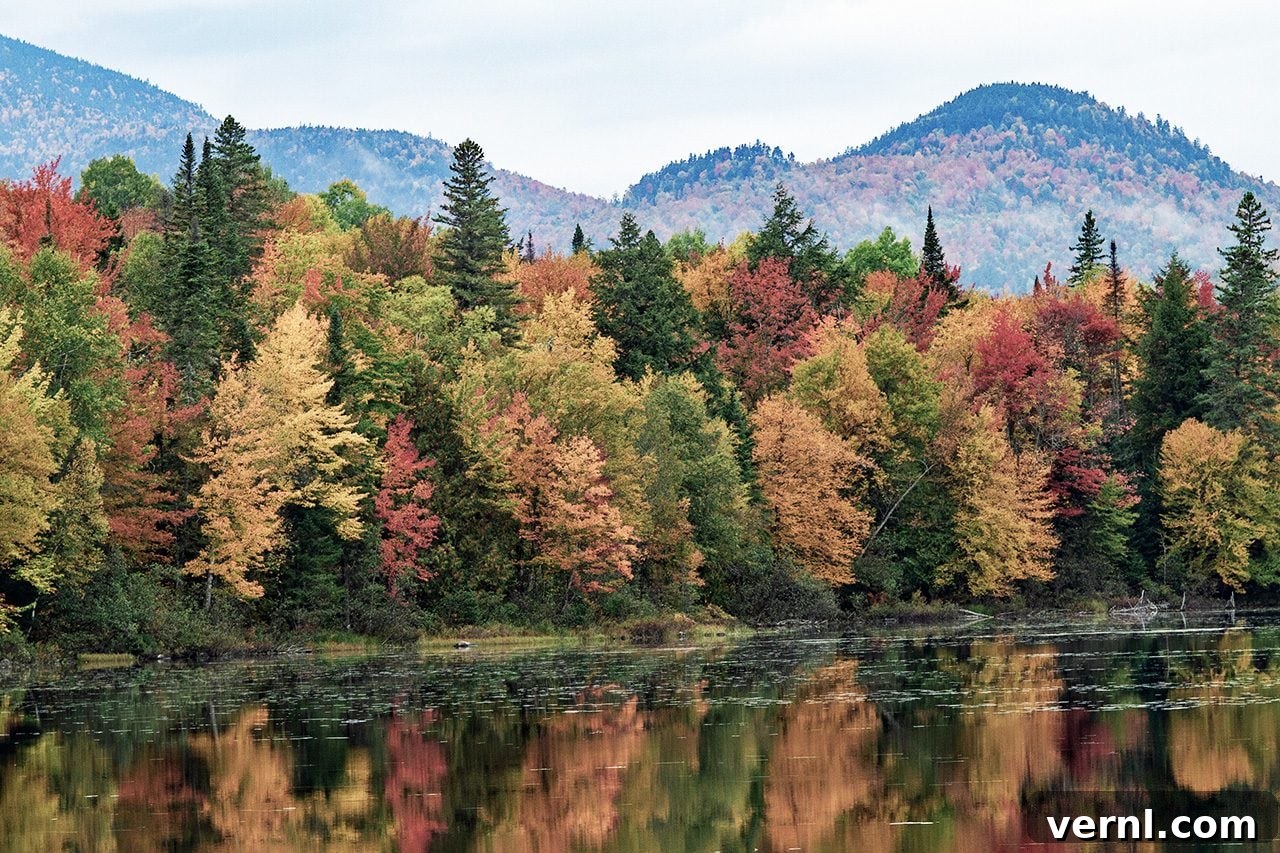
September is here and fall leaves should be right around the corner. However, foliage won’t look the same everywhere this year. In 2026, some regions of the United States may see less vibrant color than usual, with leaves turning brown or dropping earlier than normal.
This article explains what determines the intensity of fall color, which areas may have a weaker season, and where the best color is still expected. It also offers practical tips for timing a trip to see autumn foliage.
Why Weather Affects Fall Color
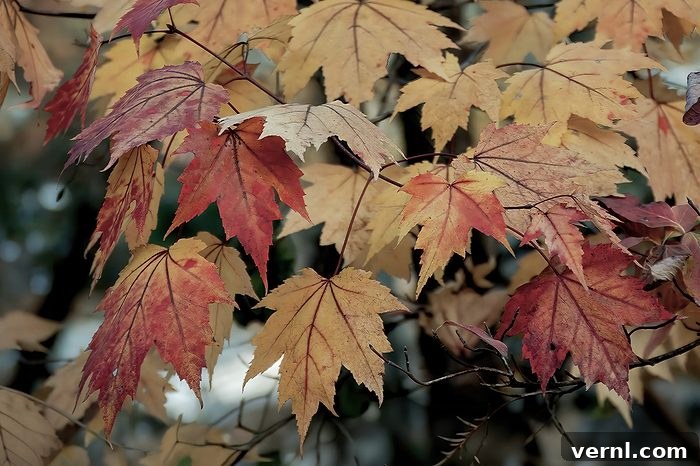
The brightness of fall foliage depends on what happens long before leaves start to change. During spring and summer, trees build up chlorophyll, the green pigment they use to turn sunlight into food. As daylight shortens in autumn, chlorophyll production slows and eventually stops, allowing other pigments—yellows, oranges, and reds—to become visible.
Weather during the growing season and into early fall plays a major role in how dramatic that color change will be. Sunny days promote sugar production in leaves, while cool, frost-free nights favor the conversion of those sugars into the pigments that produce red and purple hues. Conversely, an extended hot, dry summer can stress trees, reduce sugar reserves, and cause leaves to brown or drop prematurely, which limits the window for bright color.
Moisture is especially important. Trees that enter autumn well hydrated and healthy are more likely to hold their leaves longer and develop richer pigments. If drought conditions cause early leaf drop, even species that normally produce vivid fall color may look dull and patchy.
The process that ends a leaf’s connection to the tree also influences timing. Cooler nights in September help form a separation layer at the base of the leaf stem, reducing the flow of water into the leaf and triggering the color change. When that process occurs gradually while leaves remain attached, color has a chance to develop fully.
Where Fall Color May Be Stronger or More Spotty in 2026
Not all regions will have the same experience this season. Some areas should still see attractive displays, while others affected by heat and drought could have a more muted or uneven show.
Forecast trends for 2026 suggest that parts of the Pacific Northwest and the Upper Midwest may experience a more spotty season, with patches of good color interspersed with areas of early browning. Portions of Texas and the western Gulf Coast may also see reduced color due to prolonged heat and dry conditions. The interior West, Northern Plains, Great Lakes region, and northern New England could be mixed, with local conditions making a big difference from one county to the next.
By contrast, the central Appalachian region is expected to offer one of the more promising displays. Areas of West Virginia, eastern Kentucky, eastern Tennessee, and western Virginia typically combine elevation changes, varied tree species, and favorable late-summer and early-fall weather—conditions that can produce extended and vibrant color.
Even in regions with an overall weaker forecast, good pockets of color are still possible. Microclimates, elevation, and recent precipitation patterns can create localized areas where leaves perform better than the broader regional outlook suggests.
If you’re planning a leaf-peeping trip, monitor weather and local foliage reports as the season approaches. Peak color can shift by a week or more from year to year based on seasonal weather, and different tree species peak at different times. For the best chances of seeing peak color, consider higher elevations first, and be flexible with travel dates to follow changing local conditions.
Sources
- Farmers’ Almanac — 2026 Fall Foliage Outlook: Where Autumn Color Should Shine — And Where It May Struggle
- FOX Weather — Fall foliage forecast: Why some areas might experience a spotty season
- University of North Carolina at Chapel Hill — The science behind fall foliage
- U.S. National Park Service — Rise and Fall of Foliage
- North Carolina State University — Drought Stress in Trees: What to Expect and What to Do