
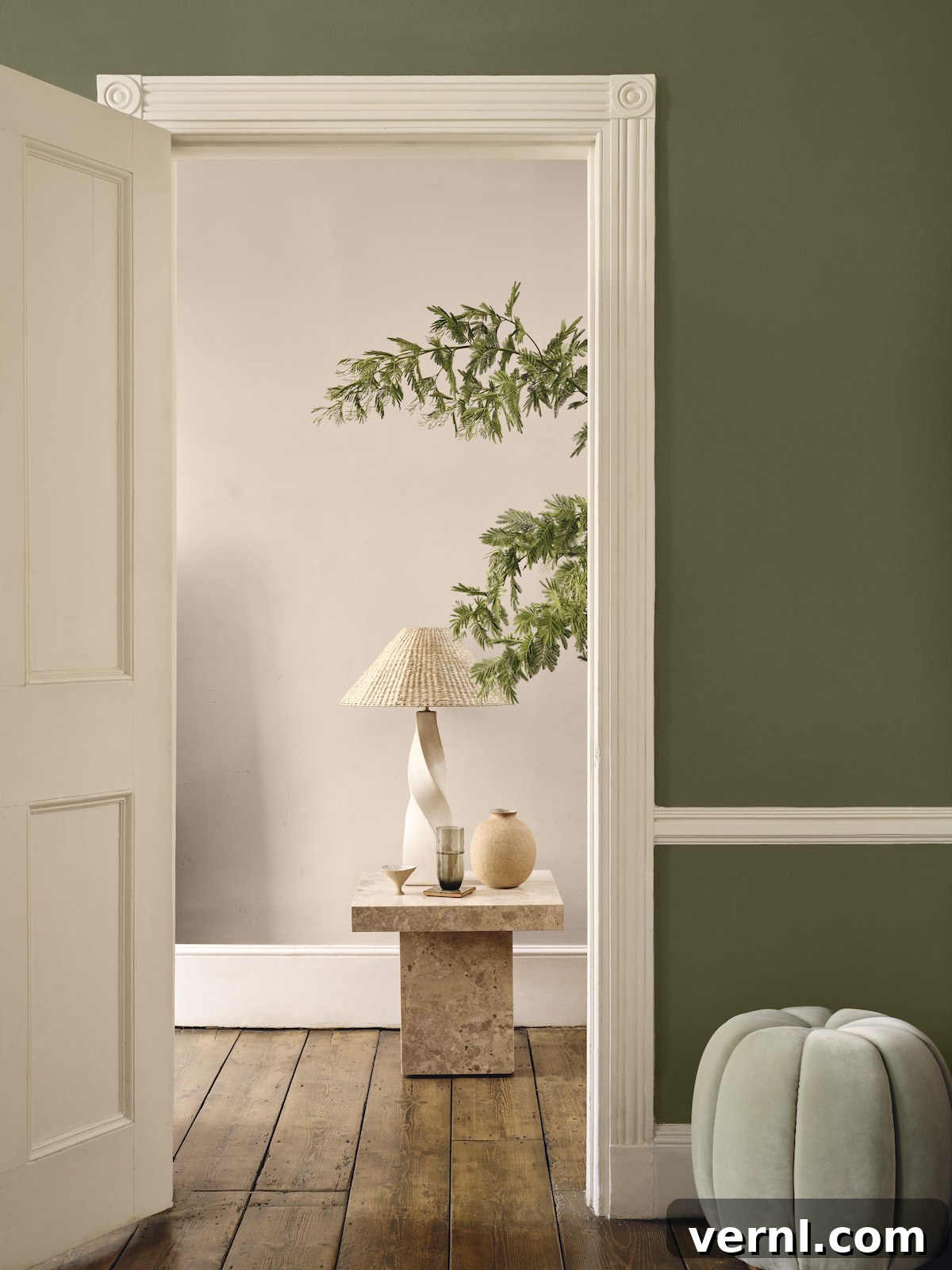
As we look toward 2025, the way we think about home design is changing. It’s less about chasing fleeting trends and more about shaping spaces that reflect how we live, how we want to feel, and what truly matters. The design buzzwords emerging for the year ahead point to a more intentional approach: balance, sustainability, comfort, and connection. These themes help create homes that support well-being, longevity, and personal expression.
Below are eight key design terms you’ll hear throughout 2025, with straightforward, practical ideas for bringing them into your home without a full renovation.
1. Biophilic Design
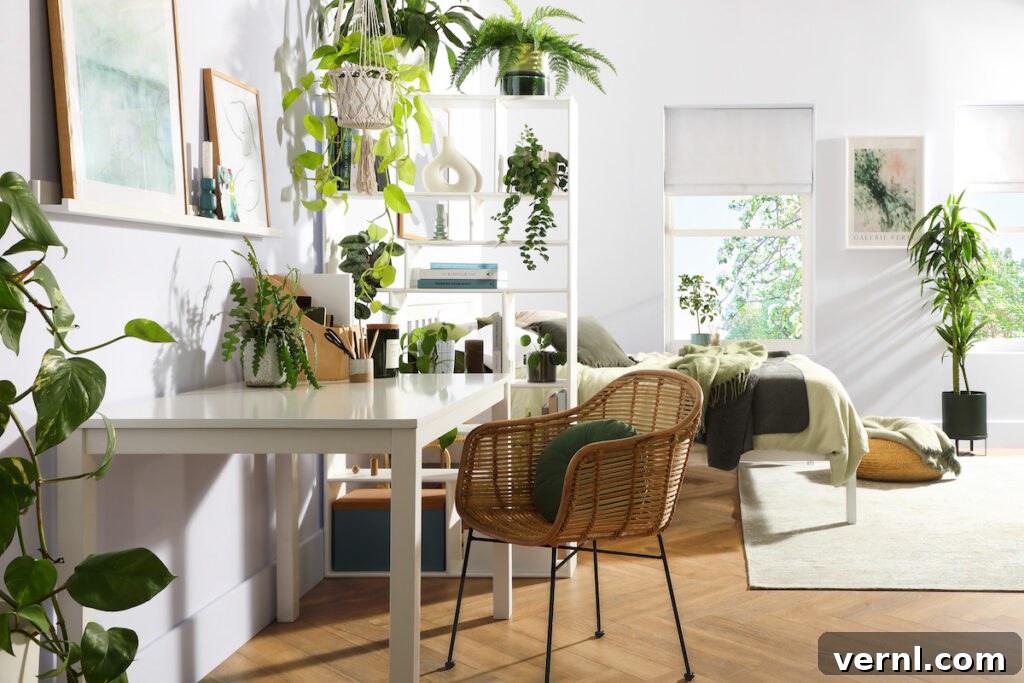
Biophilic design continues to grow in popularity. It emphasizes integrating natural elements into indoor spaces to strengthen our connection with the outdoors and improve wellbeing. Key features include abundant natural light, indoor plants, water elements, and organic materials such as wood and stone.
How to incorporate it: Place plants in light-filled corners, arrange furniture to maximise daylight, and add natural textures with wooden frames, stone vases, or woven baskets. Even small additions—like a potted plant on a desk or a wooden tray—can make a noticeable difference.
2. Sustainable Luxury
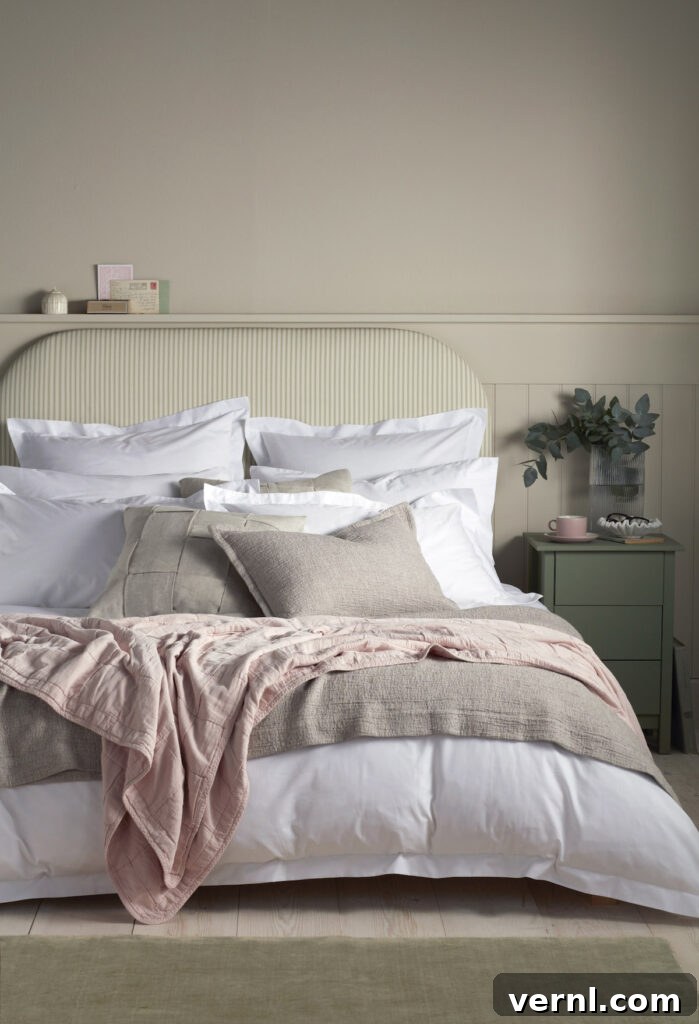
Sustainable luxury blends refined aesthetics with environmentally responsible choices. It prioritizes high-quality materials and craftsmanship that last while minimising ecological impact. The result is elegant, enduring interiors that feel both premium and conscientious.
How to incorporate it: Choose pieces made from reclaimed wood, organic textiles, or recycled metals. Support brands that emphasise ethical production and durability. Upgrading to energy-efficient appliances or smart systems enhances both comfort and environmental performance.
3. Low-VOC Materials
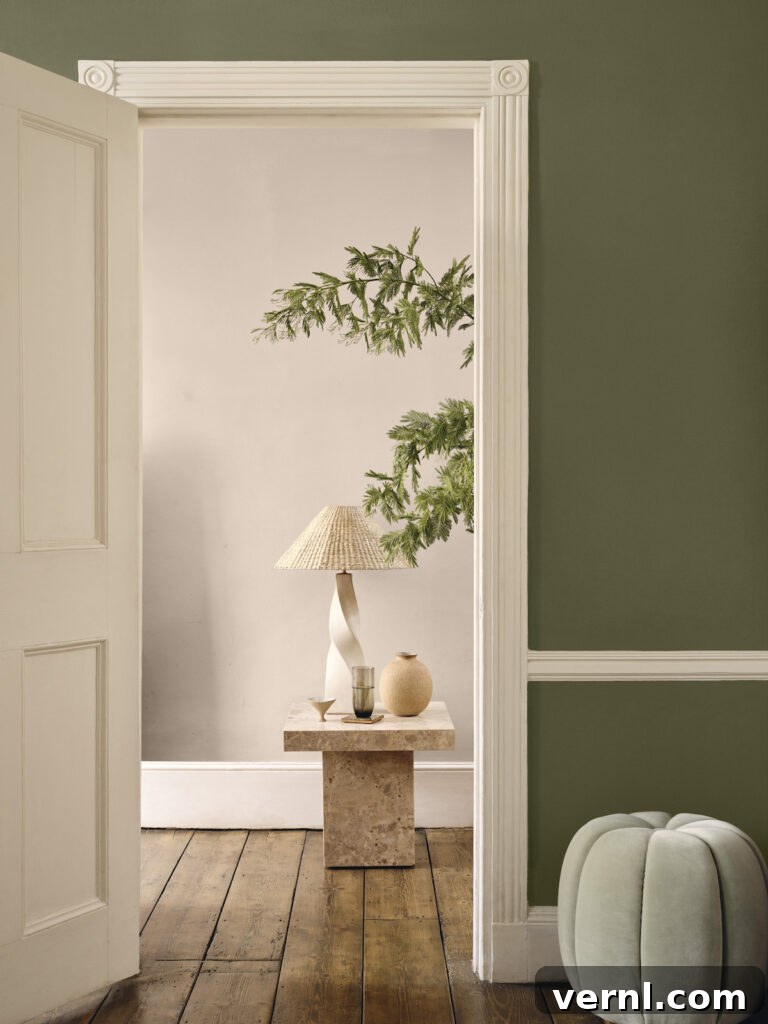
Health-focused choices are rising, and low-VOC (volatile organic compound) materials are part of that shift. From paints to flooring, low-VOC options reduce indoor air pollutants and support a healthier home environment.
How to incorporate it: When refreshing a room, pick low-VOC paints or choose sustainable flooring like cork or bamboo. These choices improve air quality and create a fresher, safer living space.
4. Wabi-Sabi
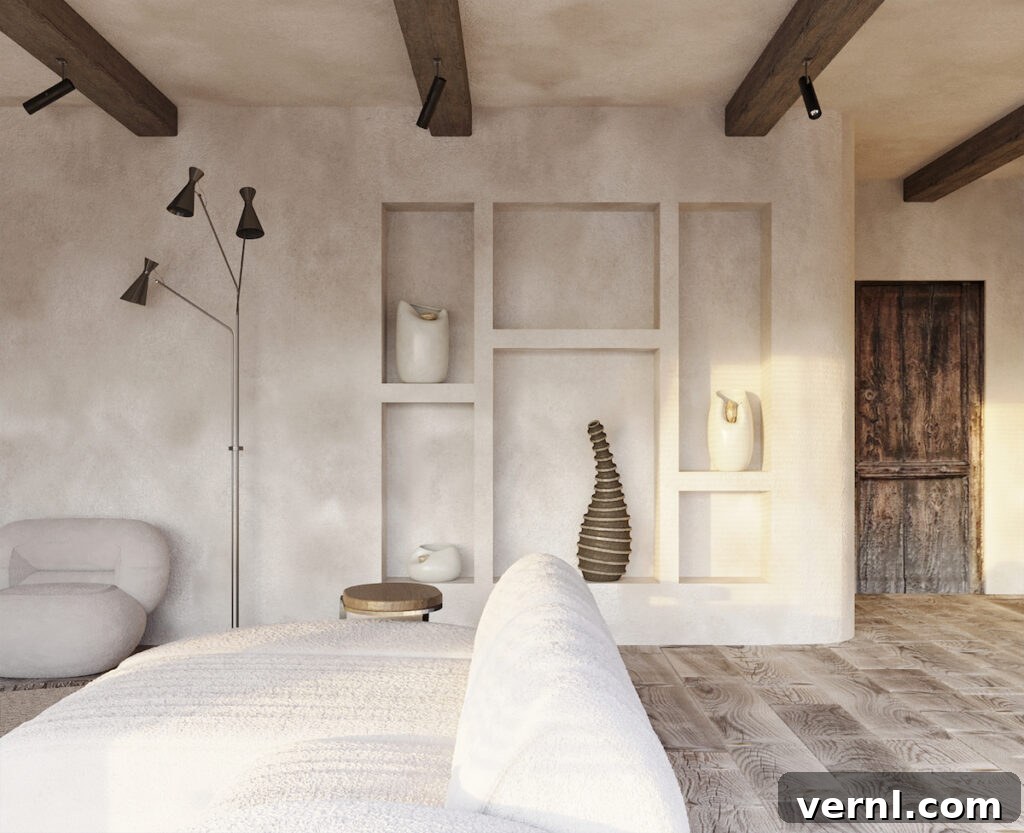
Wabi-sabi is a Japanese aesthetic that values imperfection, simplicity, and authenticity. It encourages interiors that feel lived-in and personal rather than overly polished. Embracing flaws can add warmth and character to a space.
How to incorporate it: Introduce handmade ceramics, slightly irregular wooden pieces, or vintage items that show wear. Avoid forcing symmetry; instead let texture and age tell a story about the objects you keep.
5. Circular Design
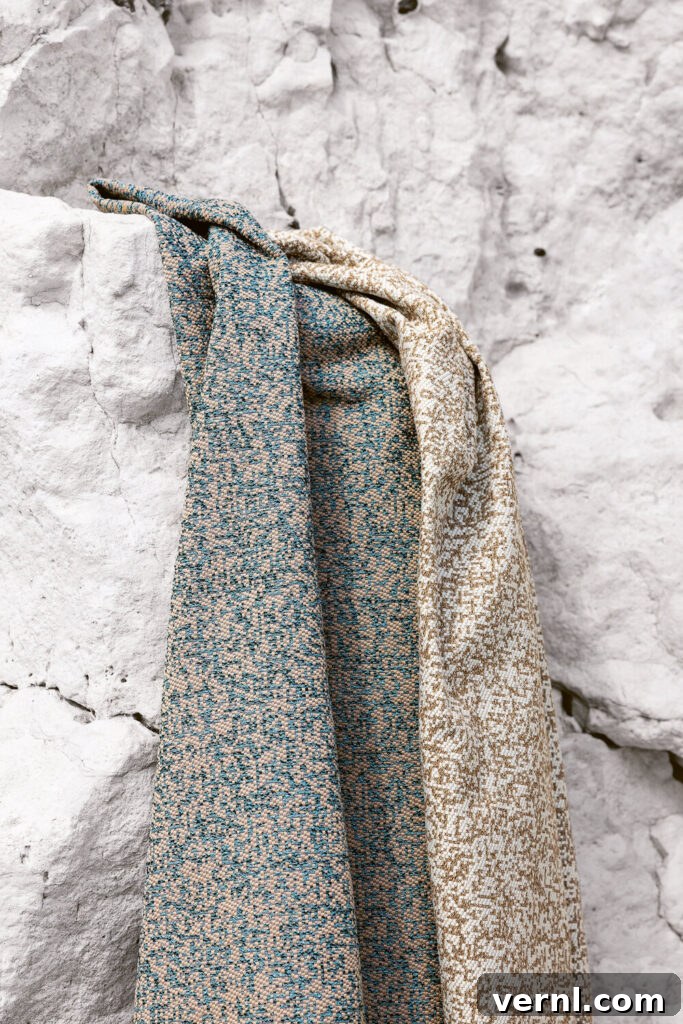
Circular design focuses on reducing waste by making products and interiors that can be repaired, reused, or recycled. This approach extends the lifecycle of items and supports a more sustainable, resource-efficient home environment.
How to incorporate it: Buy furniture and decor made from recycled or recyclable materials and consider repairability when purchasing. Opt for modular or adaptable pieces that can evolve with your needs, reducing the impulse to replace items frequently.
6. Slow Decor
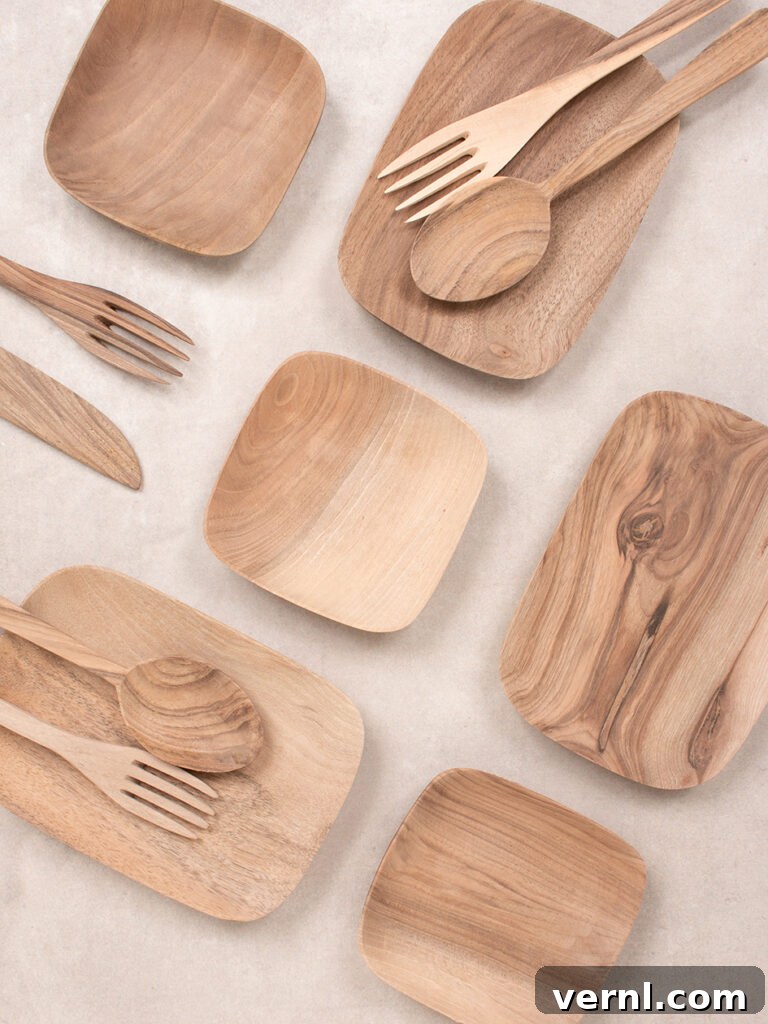
Slow decor borrows from the slow living movement and encourages thoughtful, intentional decorating. It prioritises quality, meaningful items over fast trends, allowing your home to develop character and depth over time.
How to incorporate it: Curate slowly—collect pieces that have personal significance or are made by artisans. Invest in timeless materials like handcrafted wood or vintage textiles. Let your space evolve as you find objects that truly resonate.
7. Neuroaesthetic Design
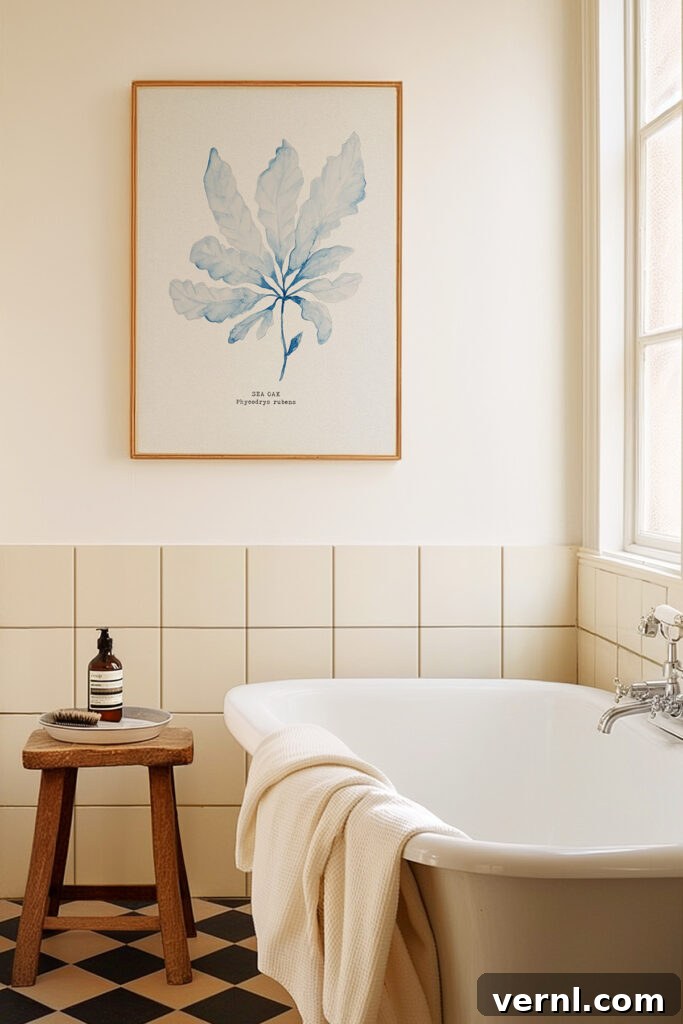
Neuroaesthetic design draws on psychology to shape environments that support mental wellbeing. By selecting colours, lighting, forms, and textures that calm and uplift, this approach aims to create spaces that reduce stress and enhance mood.
How to incorporate it: Use calming palettes such as soft blues or warm neutrals, and bring in natural materials like wood and stone. Prefer gentle curves in furniture and artwork, maximise natural light, and add soft textiles to create a soothing, restorative atmosphere.
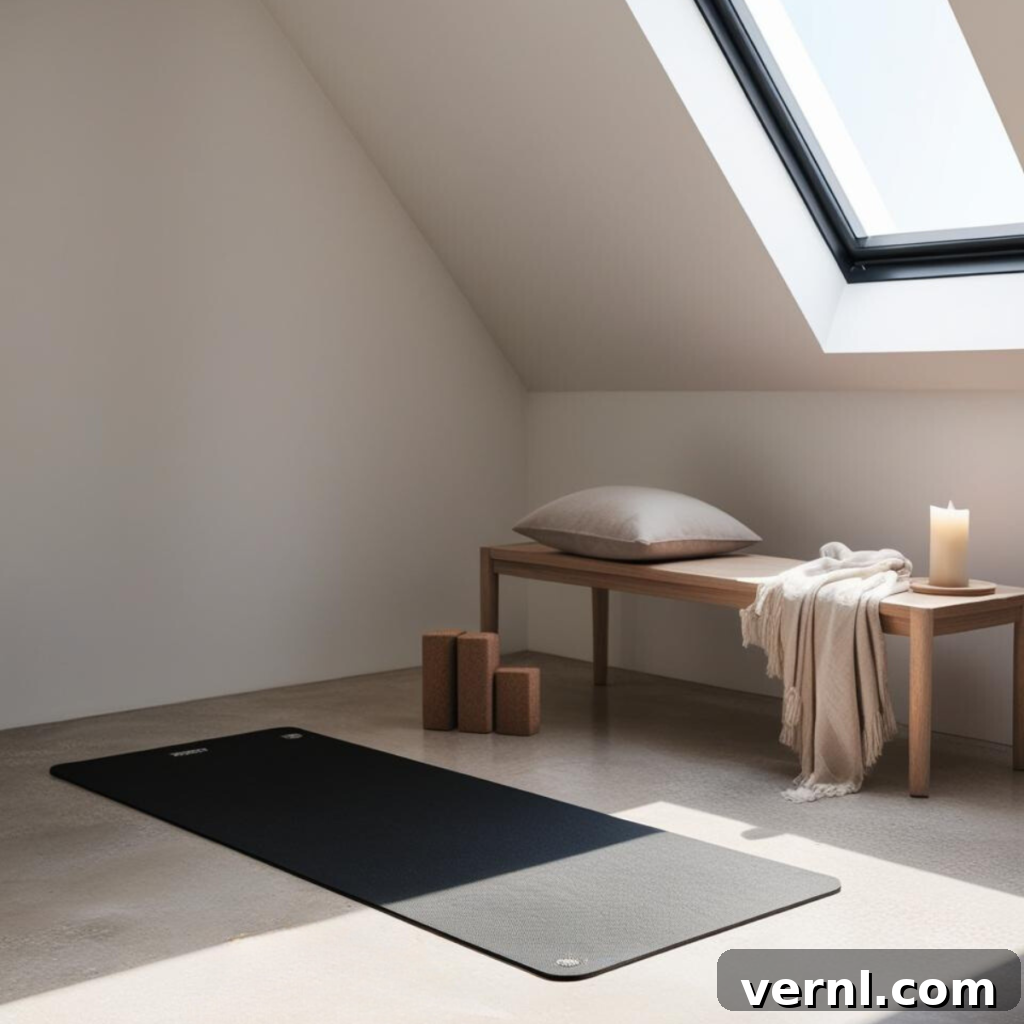
8. Adaptive Reuse
Adaptive reuse takes existing spaces or objects and gives them new functions, reducing the need for new construction and promoting sustainability. In interiors, this could mean converting an underused attic, garage, or spare room into a home office, studio, or yoga space.
How to incorporate it: Reimagine seldom-used areas before considering extensions or major works. Small changes—fresh paint, rearranged furniture, or targeted storage—often unlock new purposes for existing rooms with minimal cost and environmental impact.
Collectively, these eight concepts signal a shift in design toward wellbeing, longevity, and purpose. They encourage us to prioritise how a home feels and functions over simply following visual trends. Whether you’re drawn to biophilic touches, slow decor, or adaptive reuse, small, intentional changes can make your home more sustainable, personal, and restorative.
Which of these ideas resonates with you most, and how might you begin to apply it in your space?