

Whether you’re a professional tradesperson, a savvy DIYer, or just starting out, navigating a hardware store’s paint aisle can be overwhelming. Rows of similar-looking cans make it hard to spot the finish or intended use at a glance. A recent viral tip from a hardware store highlighted a simple visual shortcut on certain paint cans that can speed up the search: colored bands that indicate paint sheen and whether a product is formulated for interior or exterior use. While useful, this quick code is not universal, so it’s important to confirm details on the label before buying.
What Do the Colors on Do it Best Paint Cans Mean?
A video shared by a hardware retailer demonstrated colored sections on cans from the Do it Best line. On those cans, the color bands correspond to the following finishes:
- Red — flat paint
- Yellow — eggshell paint
- Blue — satin paint
- Green — semi-gloss paint
- White band near the bottom — interior paint
- Black band near the bottom — exterior paint
These color bands provide an immediate visual cue to help employees and shoppers quickly identify the type of paint. For the Do it Best Best Look interior line, for example, the cans include flat, eggshell, satin, and semi-gloss finishes, and separate cans for exterior formulations. When a store uses consistent color coding across a brand or product line, it speeds up finding the right can on crowded shelves.
Do Paint Can Color Codes Work for Every Brand?
No — color codes on paint cans are not standardized across manufacturers. Each brand can design its own packaging system, so a colored band on one brand may mean something completely different on another. Some companies use color solely to separate product lines rather than indicating sheen or application.
Because of these differences, the color-code shortcut is most reliable for the specific paint line shown in the original retailer’s demonstration. For other brands or stores, the colored band might not match the same scheme. Always read the printed label to confirm the sheen and whether the product is intended for interior or exterior surfaces. Labels may also include tint-base information such as white base, neutral base, or deep base; these terms refer to the base used to mix the final color and are unrelated to sheen.
What Do Flat, Eggshell, Satin, and Semi-Gloss Mean?
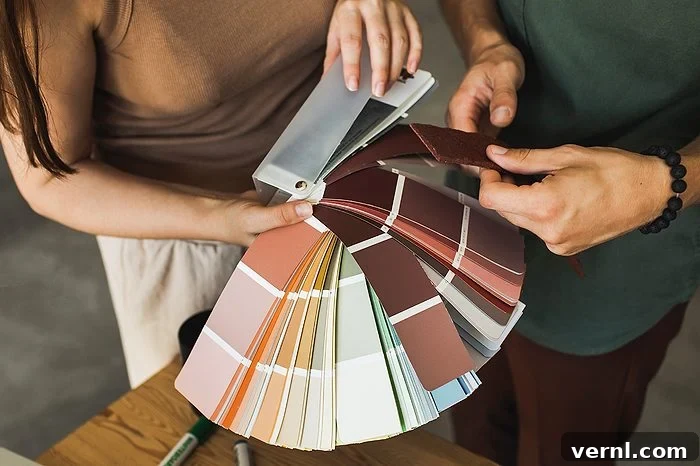
Sheen describes the amount of light a paint finish reflects and influences both appearance and durability. Understanding common sheens helps pick the right product for each room or surface:
- Flat: Very low sheen that hides surface imperfections. Common in low-traffic areas and ceilings.
- Eggshell: A subtle, soft sheen that balances appearance and washability. Often used in living rooms or bedrooms.
- Satin: A noticeably smoother finish with more reflectivity and better cleaning properties. Suitable for high-traffic rooms, halls, and family areas.
- Semi-gloss: A higher sheen that stands up well to repeated cleaning and moisture. Frequently used for trim, doors, cabinets, and bathrooms.
Brands may use slightly different names or break out additional sheen levels like matte or low-luster. For practical shopping, the color band can help narrow options quickly, but the printed sheen label on the can is the definitive source of that information.
Tips for Matching and Buying Paint
- Always check the brand, product line, sheen, base, and color formula when matching an existing can. Relying on color bands alone can lead to a mismatch.
- Confirm interior versus exterior formulation; exterior paints have additives for UV and weather resistance that interior paints do not.
- Look for tint-base designations (white, neutral, deep) if you need a precise color match or plan to tint a base for a specific shade.
- When in doubt, open the can or ask a store associate to verify the printed label and any technical specifications listed on the packaging.
Sources
- Video demonstration by a hardware retailer showing color-coded Do it Best paint cans
- Product information from the Do it Best paint line
- General manufacturer guidance on paint sheens and finishes