
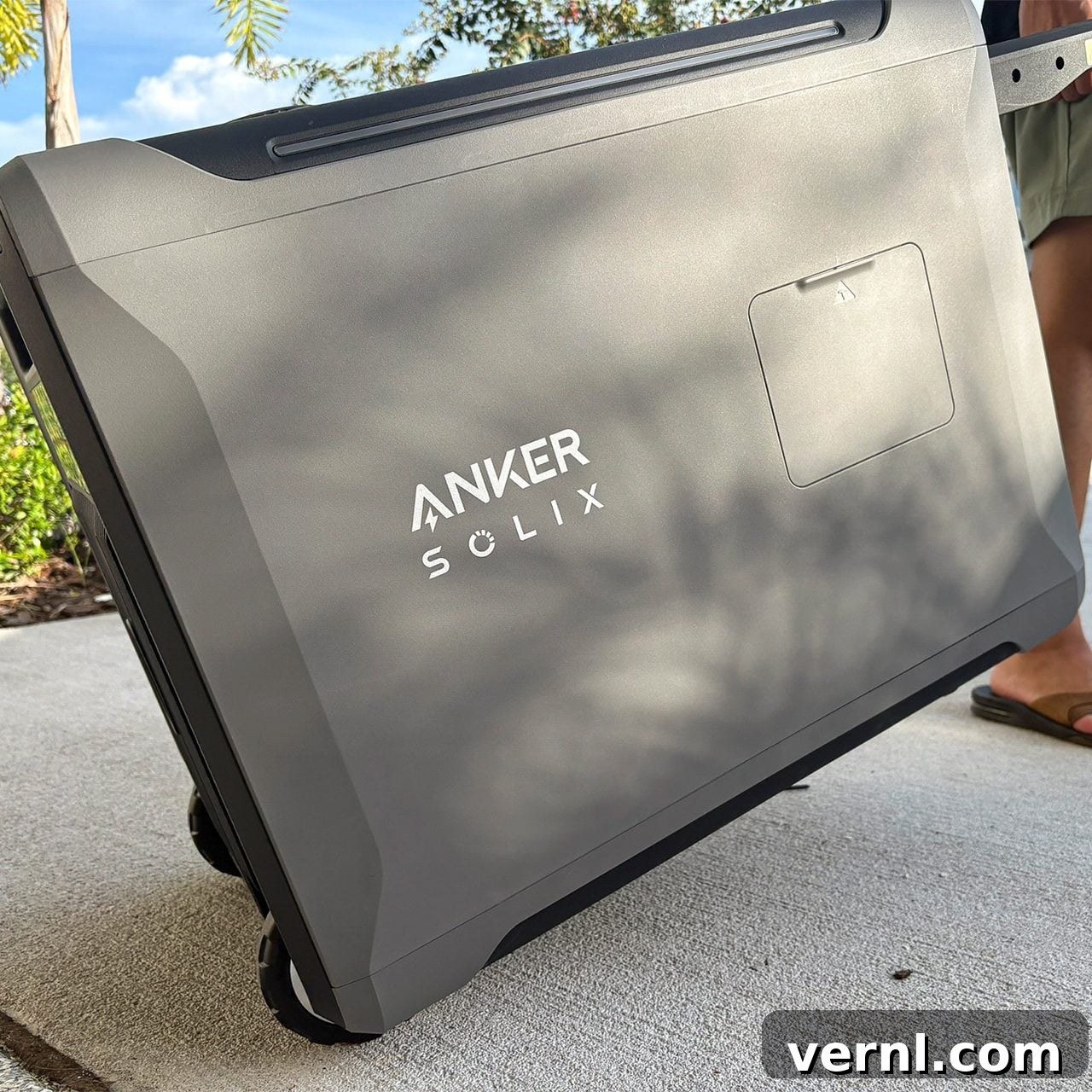
What Is the Anker Solix Tri-Fuel Generator?
The Anker Solix Smart Generator 5500 is a 224cc four-stroke portable inverter generator that runs on gasoline, propane or natural gas. It delivers up to 4,500 watts of DC charging power on gasoline or propane and 4,000 watts on natural gas. For conventional 120V AC use it provides up to 3,600 rated watts via a NEMA TT-30R and a NEMA 5-20R outlet.
The high DC output is especially useful if you own compatible Anker battery equipment. Instead of converting generator output to AC and back to DC to charge batteries, the generator can feed DC power directly into an Anker Solix E10 system, which is designed to accept up to 4,500 watts of DC input.
You can use the generator as a standalone portable unit, but the seamless integration with Solix battery systems is what sets this model apart for anyone building a hybrid battery-and-generator home backup setup.
How I Tested It
I tested the Anker Solix Smart Generator 5500 for more than a month at my Florida home. Tests included gasoline and propane operation, manual and app-based starting, Eco and higher-output modes, portability, noise measurements, and its integration with an Anker Solix E10 whole-home battery system. My longest continuous run was about two hours, and I monitored generator output while the house drew power. I have not yet tested the unit on a natural-gas hookup because that requires professional plumbing work.
My Home Backup Setup
My home has rooftop solar and an Anker Solix E10 whole-home battery system: two E10 power modules and three battery expansion modules, plus the hardware to manage backup power. Licensed electricians handled the installation. The battery equipment cost about $14,000 and professional installation added roughly $4,500, so the complete system is a substantial investment beyond the generator itself.
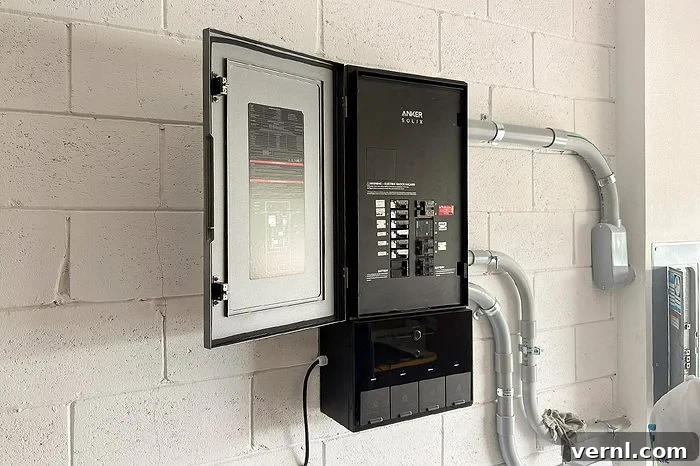
During an outage the batteries power the house while rooftop solar replenishes them during daylight. The generator serves as an additional charging source when solar isn’t sufficient, including at night. In practice the generator supplies up to about 4.5 kW of DC charging power to the E10 system while the batteries handle active household loads.
Testing Process
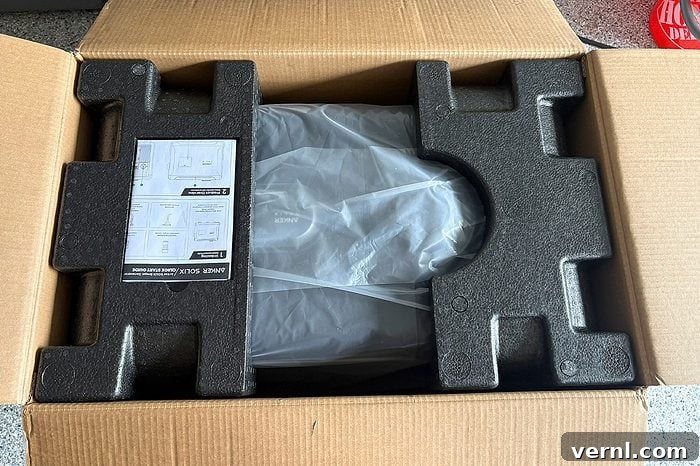
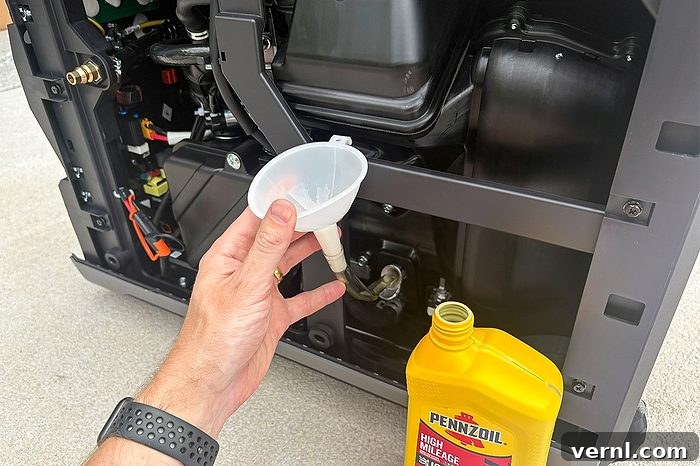
Setup was straightforward. The unit arrived well packed, required minimal assembly, and I was able to connect the startup battery, add engine oil and be ready within about 20 minutes (not counting a quick trip to the store for oil). Starting options include a physical fuel selector, electric push-button start, app-based remote start and a manual pull start as a backup. All starting methods worked reliably during testing.
I alternated between gasoline and propane and saw DC charging output reach roughly 4.5 kW on those fuels, matching Anker’s specifications. I encountered no app glitches, connection failures or overload issues during the test period.
Pros
- Simple setup and user-friendly operation
- Tri-fuel compatibility: gasoline, propane and natural gas
- Up to 4,500W direct DC charging when paired with compatible Anker batteries
- Strong app and remote-control features
- Automatic operation when integrated with the Solix E10
- Thoughtful cable, connector and fuel hardware design
- Durable construction with handy wheels and a large handle for transport
- Clear physical controls and useful operating modes (Turbo, Eco, Quiet)
- Can operate as a standalone 120V generator outside the Solix ecosystem
Cons
- Noticeably loud at higher output levels
- More expensive than many conventional portable generators
- Its most compelling features are tied to Anker’s battery ecosystem
- Complete whole-home Solix systems are a major financial commitment
- Natural-gas hookup requires professional installation
- Rated AC output is 3,600W despite higher DC charging capability
Features
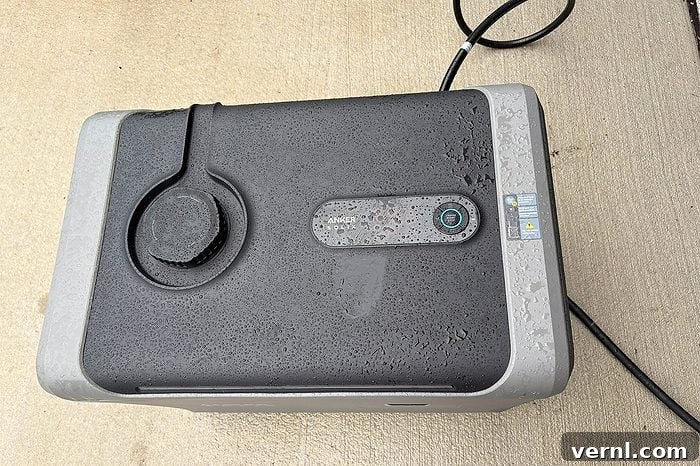
- Tri-fuel operation: Gasoline, propane and natural gas support provides flexibility for different outage scenarios. Natural gas is especially attractive for long-term backup if you have a permanent supply connection.
- 4,500W DC output: High DC charging power on gasoline and propane enables rapid battery recharge when paired with compatible Anker systems.
- 3,600W AC output: Standard 120V AC outlets supply rated continuous AC power independent of battery integration.
- Remote app controls: The Anker app enables remote start/stop, monitoring, scheduling and maintenance alerts. Connectivity includes Wi‑Fi and Bluetooth.
- Automatic Solix integration: When connected to an E10, the generator can start and stop automatically based on battery state of charge, reducing the need to manually manage runs.
- Operating modes: Turbo, Eco and Quiet modes help balance noise, fuel use and output. Eco mode is significantly quieter and suitable for overnight charging in many situations.
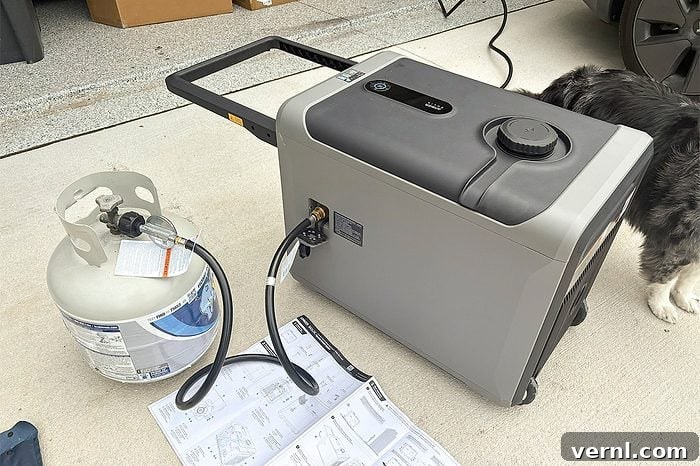
- Thoughtful physical design: Locking power connectors, protected DC cable routing, robust propane fittings and spill-reducing fuel filler details make real-world use easier.
- Weather protection: NEMA 3R rating, waterproof covers and a water sensor that shuts the unit down if water reaches a set level add protection in wet conditions.
- Portability: At about 110 pounds the unit rolls easily on two wheels and uses an oversized swing-out handle for leverage.
Product Comparison
A close alternative is the EcoFlow Smart Generator 4000, which is lighter and less expensive but offers dual-fuel operation and lower DC charging output. If you want a budget standalone generator, there are options that give more AC wattage for less cost. If you’re building a hybrid battery-plus-generator system, the Anker’s fast DC charging, automatic E10 integration and natural-gas option make it an appealing choice.
A Closer Look at the Anker Solix Battery System
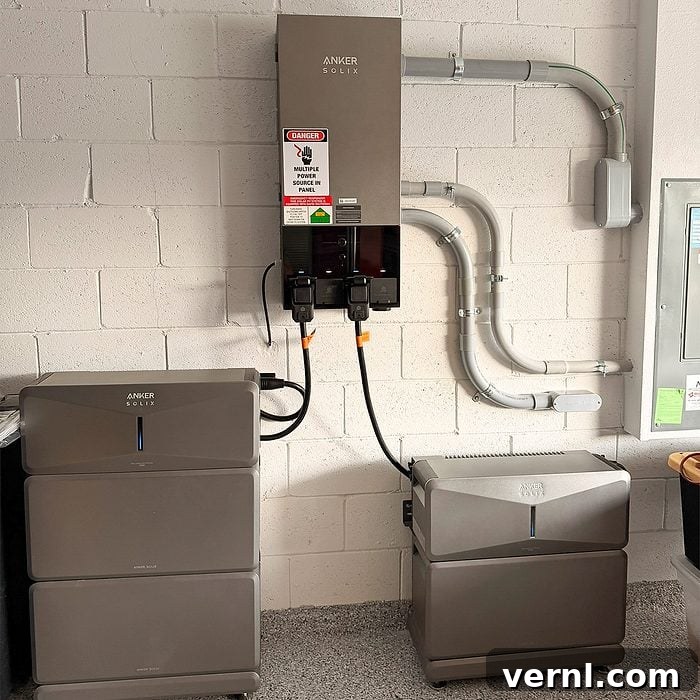
My experience with the Smart Generator 5500 is inseparable from using it with the Solix E10. The E10 platform is modular and scalable; systems can range from smaller installations up to many kilowatt-hours of capacity depending on configuration. My two E10 modules with three expansion batteries provided a sizeable backup bank, and integrating the generator lets the E10 manage loads and start the generator only when charging is needed.
How the Battery and Generator Work Together
The generator connects to the E10 via a dedicated DC charging cable. The E10 monitors battery state of charge and can start the generator to restore capacity, then stop it once batteries reach the preset level. That arrangement avoids running a fuel-burning generator continuously and reduces the need for the generator to handle every startup surge from heavy loads. In my testing this automated interaction worked smoothly and made the whole backup system much easier to manage.
Is the Battery Worth Adding to the Generator?
If you’re buying the generator primarily for its integration with Anker batteries, the E10 compatibility is a major advantage. The combined solution is best for people who want a broader home-energy strategy—especially those with solar. However, the full Solix ecosystem is a significant investment and may not be necessary for everyone.
What an Electrician Says About Using a Generator for Home Backup
Professional input emphasized the value of a natural-gas option and the importance of proper installation. Connecting a generator to a home’s gas supply or wiring should be handled by a qualified professional. Backfeeding household wiring without a transfer switch or interlock is dangerous and illegal. Proper sizing matters too: a generator that’s too small or unnecessarily large can cause problems or extra expense. Pairing a generator with battery storage reduces the need for the generator to meet every instantaneous load, which can simplify sizing and fuel use.
Final Verdict
After extensive testing, the Anker Solix Smart Generator 5500 impressed me with thoughtful design, reliable starting, strong app controls and excellent integration with the Solix E10 battery system. The generator is easy to set up and operate, and pairing it with the E10 lets the batteries handle household loads while the generator focuses on efficient recharging. Noise at high output and the overall cost of a complete Solix ecosystem are the main downsides. If your priority is a smart, integrated generator that can run gasoline, propane or natural gas and act as a fast DC range extender for battery backup, this model is a strong contender.
FAQ
Can I run my house on a 5500 watt generator?
Not usually the entire home. The Anker Solix Smart Generator 5500 provides 3,600W of continuous AC power, which will keep many essential circuits running but typically won’t support everything at once. When paired with a battery system it can indirectly support more of the home by charging batteries that supply peak demands.
Is Anker Solix a good generator?
Based on testing, it’s a capable and well-designed unit, especially if you plan to pair it with an Anker Solix battery system. It offers tri-fuel compatibility, reliable electric and remote starting, automatic operation with E10, and useful app-based monitoring.
What can I plug into a 5500 watt generator?
Typical essentials include refrigerators, lights, electronics, fans, chargers and some small appliances. Account for running and starting watts of appliances with motors or compressors. The unit has one NEMA 5-20R outlet and one TT-30R outlet and is rated at 3,600W continuous AC output.
How many hours will a 5500 watt generator run?
Runtime depends on load, fuel type and operating mode. Anker states the generator can produce up to 17 kWh from its 10-liter gasoline tank under certain conditions; actual runtimes will vary with use and settings.
What should you not plug into a generator?
Don’t exceed the generator’s continuous or starting-watt limits, and avoid plugging in 240V appliances directly to its 120V outlets. Never backfeed a generator into household wiring without proper transfer equipment installed by a professional. Always operate a fuel-burning generator outdoors and away from openings.
Why You Should Trust This Review
The generator was evaluated through more than a month of hands-on testing in a hurricane-prone region, including use with an Anker Solix E10 whole-home battery system installed by licensed electricians. Tests covered setup, noise, fuel types, app connectivity, integration with solar and batteries, and real-world performance under load. Professional electricians also contributed installation insights and safety guidance for fuel and interconnection options.