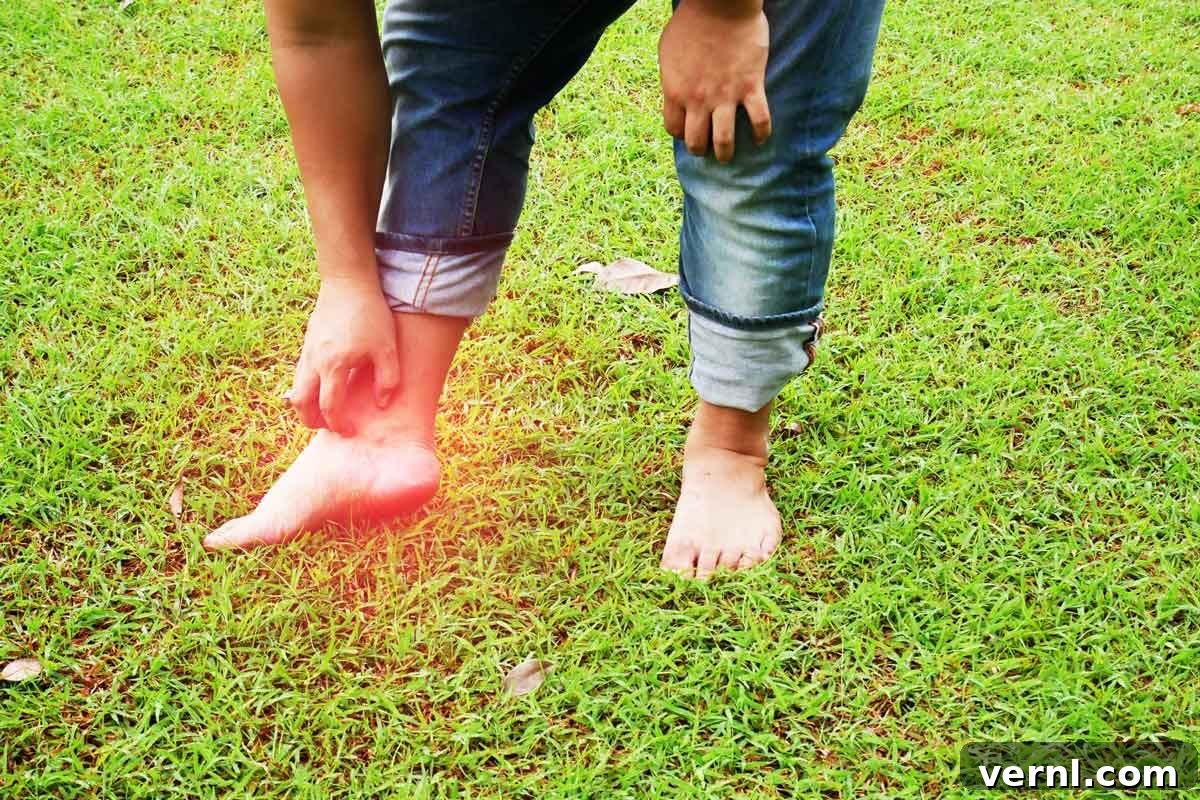
With over 12,000 recognized ant species thriving across the globe, approximately 1,000 of these fascinating insects call North America home. Scientists estimate that ant colonies have traversed the Earth for an astonishing 145 million years, since the early-to-late Cretaceous period. Today, these ubiquitous creatures have successfully colonized every continent except Antarctica and a handful of isolated islands, demonstrating their incredible adaptability and resilience. While often perceived as mere nuisances, ants play vital roles in ecosystems worldwide, from aerating soil to serving as scavengers and predators.
It’s a common misconception that all ants are harmless. Did you know that virtually all ants possess the ability to bite, yet only a select few species found in the U.S. pose a significant biting or stinging threat to humans? Ant bites, though rarely fatal and typically not considered life-threatening, can certainly be an unwelcome experience. Encounters leading to bites or stings primarily occur when an ant, or its nest, feels disturbed or directly threatened. The resulting reaction can vary widely, ranging from an almost imperceptible sensation to an intensely painful experience, largely dependent on the specific ant species involved and the circumstances of the interaction. Much like humans defending themselves when feeling endangered, ants will employ their natural defenses if they perceive a threat.
Do Ants Bite or Sting? Understanding Their Defensive Mechanisms
The answer is unequivocally yes, ants can bite, and many species can also sting. Understanding the distinction between these two defensive actions is key to identifying the perpetrator and managing the resulting discomfort. When an ant bites, it typically uses its powerful mandibles – its jaws – to pinch or grip the skin. This action alone can be painful, especially from larger ant species. However, some ants have evolved a more potent defense mechanism: a stinger. These stingers, usually found in female ants, are located at the end of their abdomen and are used to inject a noxious venom. This venom is a complex cocktail of chemicals designed to incapacitate prey or deter predators, and in humans, it can cause a range of reactions from mild irritation to severe pain.
Interestingly, some of the most formidable ant species possess a dual defense strategy. They will first latch onto the skin with their strong mandibles, effectively biting and securing their grip, before arching their body and deploying their sharp stinger to inject venom into the wound. This combined approach makes their defensive actions particularly potent and memorable. The nature of the venom varies between species; some ants inject formic acid, a common organic acid, while others deliver more complex alkaloid venoms. These chemical differences largely determine the type and severity of the human reaction.
Identifying Ant Biters and Stingers: A Closer Look at Common Species
Pinpointing the exact species responsible for an ant bite or sting can be challenging, but understanding the common culprits in your region can help. Here’s a closer look at ants known for their defensive behaviors:
Ant Species Known for Both Biting and Stinging
- Imported Fire Ants (Solenopsis invicta): These highly aggressive ants are perhaps the most notorious for their painful stings. Originating from South America, they are now widespread in the southern United States. Fire ants build distinctive dome-shaped mounds in open areas. When disturbed, they emerge in large numbers, biting to secure a grip and then stinging repeatedly, injecting an alkaloid venom. The initial sensation is a burning itch, which gives these ants their name. Characteristic symptoms include red welts that soon develop into pus-filled pustules, often arranged in a circular pattern. These pustules can be intensely itchy and, if scratched, may lead to secondary bacterial infections. Their venom can also trigger severe allergic reactions in sensitive individuals, making them a significant public health concern.
- Harvester Ants (Pogonomyrmex and Pheidole species): Known for their large size and potent sting, harvester ants are primarily found in arid and semi-arid regions of North America, where they forage for seeds. Their nests are often marked by large, cleared areas surrounded by debris. While they are generally not aggressive unless their nest is directly threatened, their sting is exceptionally painful, often described as comparable to a bee or wasp sting. The venom from certain harvester ant species is potent enough to be fatal to small animals, though it rarely poses a life-threatening risk to humans unless a severe allergic reaction occurs. The pain can last for several hours, accompanied by swelling and redness.
- Acrobat Ants (Crematogaster species): These small, light brown to black ants are easily identified by their heart-shaped abdomen, which they raise over their head when disturbed, resembling an acrobat. They typically nest in wood, often in decaying timber or insulation, and are common household pests. Acrobat ants will bite and, less commonly, sting when threatened. Their bite and sting are generally mild, causing only a temporary, localized reaction like a small red bump and mild irritation. They are more of a nuisance pest, primarily known for trailing indoors in search of food and water.
- Pavement Ants (Tetramorium caespitum): These small, dark brown to black ants are a familiar sight in urban and suburban environments, typically nesting under pavements, stones, and foundations. They are common household invaders, particularly during warmer months. Pavement ants possess both mandibles for biting and a small stinger. However, due to their size, their bites and stings are usually not potent enough to penetrate human skin, or if they do, they cause only a very mild, fleeting sensation, often described as a faint pinch or prick. They are generally considered harmless to humans in terms of their bite/sting.
Ant Species That Primarily Bite
- Carpenter Ants (Camponotus species): Among the largest ants in North America, carpenter ants are typically black, red and black, or entirely red. They do not sting but possess incredibly strong mandibles designed for excavating tunnels in wood to build their nests. Unlike termites, they do not eat wood but chew through it, often causing significant structural damage to homes. When their nests are disturbed, or they feel threatened, carpenter ants can deliver a deep, painful bite that can easily break the skin and draw blood. Some species may also spray formic acid into the wound, intensifying the pain and causing a stinging sensation. Their bites are a defensive measure, and they are not typically aggressive unless provoked.
- Crazy Ants (Nylanderia fulva and others): Named for their erratic, seemingly aimless foraging movements, crazy ants are typically small, dark-colored ants with long legs and antennae. Several species are known, including the invasive Tawny crazy ant. While they don’t sting, they can bite. Their bites are generally considered mild, often causing little to no pain, or a very brief, slight irritation. The primary concern with crazy ants is not their bite, but rather their tendency to infest homes and electrical equipment in incredibly large numbers, leading to widespread nuisance and potential damage.
- Field Ants (Formica species): A diverse genus with many species, field ants are common in lawns, gardens, and forested areas, often building distinctive soil mounds. They vary in size and color, from red to black. Field ants are generally non-aggressive and will only bite if their nest is disturbed or if they are directly handled. Their bite, while noticeable, is typically mild, causing a temporary pinching sensation and minimal irritation. Some species, like carpenter ants, can also spray formic acid into the bite wound, leading to a more pronounced stinging and burning sensation and potentially a small red mark.
- Leafcutter Ants (Atta and Acromyrmex species): Primarily found in tropical and subtropical regions, some species extend into the southern US. These ants are famous for their impressive colonies and their habit of meticulously cutting pieces of leaves, which they carry back to their nests to cultivate a fungus garden – their sole food source. Leafcutter ants possess exceptionally strong, sharp mandibles. While they are not venomous stingers, their bite can be incredibly powerful and painful, easily drawing blood and capable of leaving a significant mark, especially from the larger soldier ants. They will bite vigorously if their colony is threatened, and their grip can be tenacious.
Note: A few ant species, such as the Western thatching ant (a type of field ant), employ a particularly irritating defense. They bite to create a small wound and then spray formic acid directly into it. This chemical spray can cause a burning sensation, redness, and in some individuals, lead to the formation of blisters on the skin, requiring careful attention.
Understanding Ant Bite Symptoms: What to Look For
The appearance and sensation of an ant bite or sting can vary depending on the ant species, the individual’s sensitivity, and the number of encounters. However, there are common visual cues and symptoms to help you identify and react appropriately.
After being bitten or stung by most types of ants, the most typical initial reaction is the development of a raised red bump or a slightly swollen welt at the site of contact. This localized redness and swelling are a natural response by your body’s immune system to the irritants or venom injected by the ant. Soon after, an itching sensation often begins, which can range from mild to intensely irritating. In some cases, a small amount of localized pain or tenderness may also be present.
The dreaded fire ant sting, however, produces a much more distinct and often severe skin response due to its potent alkaloid venom. According to Dr. Neha Pathak of WebMD, “The fire ant sting typically causes red hive-like lesions that burn and itch. Painful pus-filled lesions can also occur.” These characteristic pustules, filled with a cloudy fluid, are unique to fire ant stings and are a clear indicator of the culprit. They often appear within 24 hours of the sting. You might also notice multiple marks forming a cluster or even a circular pattern, which is a tell-tale sign that you’ve been stung multiple times by these aggressive ants, as they tend to bite to grip and then pivot to sting repeatedly in a radius around the initial bite. These pustules can persist for several days and are highly susceptible to secondary bacterial infection if scratched or ruptured, leading to potential scarring.
Bites from other ants, like carpenter ants, might result in a more immediate, sharp pain and a puncture mark or small laceration due to their powerful jaws, followed by redness and minor swelling. If formic acid is sprayed into the wound, a burning sensation will be prominent, and blisters may form. Generally, for non-stinging ants, the reactions are less severe and typically resolve more quickly than fire ant stings, often leaving only a transient red mark or small welt.
Effective Management and Treatment of Ant Bites
Prompt and appropriate treatment for ant bites and stings can alleviate discomfort, prevent complications, and ensure your safety. While most reactions are mild and manageable at home, it’s crucial to know when to seek professional medical help.
Immediate First Aid for Mild Reactions
For individuals experiencing a mild local response to an ant bite or sting—such as a red bump, swollen welt, itching, or minor pain—the following steps can provide effective relief:
- Clean the Area: Immediately wash the affected skin thoroughly with soap and water. This helps to remove any residual venom, irritants, or bacteria from the ant, reducing the risk of infection.
- Apply a Cold Compress: Place a cold compress, ice pack (wrapped in a cloth), or a cool, damp cloth directly over the bite site for 15-20 minutes at a time. The cold helps to constrict blood vessels, reduce swelling, numb the area to alleviate pain, and lessen itching. You can repeat this several times a day as needed.
- Elevate the Affected Limb: If the bite is on an arm or leg, elevating the limb can help reduce swelling by promoting fluid drainage away from the affected area.
- Over-the-Counter Remedies:
- Antihistamine Creams: Apply an over-the-counter antihistamine cream, such as one containing hydrocortisone (0.5% or 1%) or diphenhydramine, directly to the bite site. These creams can significantly reduce itching and inflammation. Follow product instructions carefully.
- Oral Antihistamines: For more widespread itching or discomfort, oral antihistamines (e.g., diphenhydramine, loratadine, cetirizine) can be taken to help reduce the body’s histamine response.
- Pain Relievers: Over-the-counter pain relievers, such as nonsteroidal anti-inflammatory drugs (NSAIDs) like ibuprofen or naproxen, or acetaminophen, can help manage pain and reduce inflammation.
- Avoid Scratching: While tempting, scratching the bite area can break the skin, introduce bacteria, and lead to secondary infections, which can worsen symptoms and potentially cause scarring. Keep fingernails short and clean.
When to Seek Professional Medical Attention
While most ant bites resolve without incident, there are circumstances when consulting a doctor is advisable:
- Persistent or Worsening Local Reactions: If the swelling, redness, or pain at the bite site increases rather than subsides after a day or two, or if the redness begins to spread beyond the immediate area.
- Signs of Infection: Look for signs such as increased redness, warmth, pus or discharge from the bite, fever, or red streaks extending from the bite. These indicate a potential bacterial infection that may require antibiotics.
- Multiple Bites: If you’ve sustained numerous bites, especially in sensitive areas like the face or neck, or if the bites cover a large area of the body.
- Bites on Vulnerable Individuals: Children, the elderly, or individuals with compromised immune systems may have a higher risk of complications and should be monitored more closely.
Recognizing and Responding to Allergic Reactions (Anaphylaxis)
A small percentage of individuals can develop a severe, life-threatening allergic reaction, known as anaphylaxis, to insect venom, including that from certain ants like insect bites. This systemic reaction requires immediate emergency medical intervention. It’s critical to recognize the signs and act swiftly:
- Shortness of Breath or Difficulty Breathing: This can manifest as wheezing, gasping for air, or a sensation of tightness in the chest or throat.
- Difficulty Swallowing: A feeling of the throat closing up or hoarseness.
- Gastrointestinal Distress: Nausea, vomiting, abdominal cramps, or diarrhea.
- Widespread Skin Reactions: Hives (itchy red welts) that appear over large areas of the body, generalized itching, or flushing.
- Cardiovascular Symptoms: A weak or rapid pulse, dizziness, lightheadedness, or fainting, which can indicate a dangerous drop in blood pressure.
- Swelling: Significant swelling of the face, lips, tongue, or throat.
If you or someone you are with experiences any of these symptoms after an ant bite or sting, do not hesitate—call 911 immediately or go to the nearest hospital emergency room. Time is of the essence in anaphylaxis. If you carry an EpiPen (epinephrine auto-injector) due to a known severe allergy, use it right away as prescribed, even if you are already calling for emergency services. Epinephrine works by rapidly counteracting the effects of anaphylaxis, buying crucial time until professional medical help arrives.
Prevention Strategies
The best way to handle ant bites is to prevent them from happening. Here are some effective strategies:
- Identify and Remove Ant Nests: If you discover ant mounds or nests on your property, particularly fire ant mounds, exercise caution. Consider professional pest control for removal, especially for aggressive species.
- Seal Entry Points: Inspect your home’s foundation, windows, and doors for cracks and openings. Seal any gaps to prevent ants from entering your living spaces.
- Maintain Cleanliness: Keep your kitchen and pantry clean. Store food in airtight containers, promptly clean up spills and crumbs, and regularly empty trash cans. Ants are attracted to food sources.
- Wear Protective Clothing Outdoors: When gardening, hiking, or working in areas where ants are prevalent, wear long pants, socks, and closed-toe shoes to minimize exposed skin.
- Be Cautious in Ant-Prone Areas: Avoid sitting or lying directly on grass, especially in regions known for fire ants. Watch your step and avoid disturbing ant trails or mounds.
- Educate Children: Teach children to identify ant mounds and to avoid touching or disturbing them, as children are often more vulnerable to multiple bites.
In conclusion, while ant bites and stings are a common occurrence, they are typically mild and effectively managed with basic first aid. However, understanding the specific ant species, recognizing the symptoms of more severe reactions, and knowing when to seek urgent medical care, particularly for allergic responses, is paramount. By taking preventative measures and being prepared, you can minimize your risk and confidently address any unwelcome encounters with these persistent, tiny inhabitants of our world.