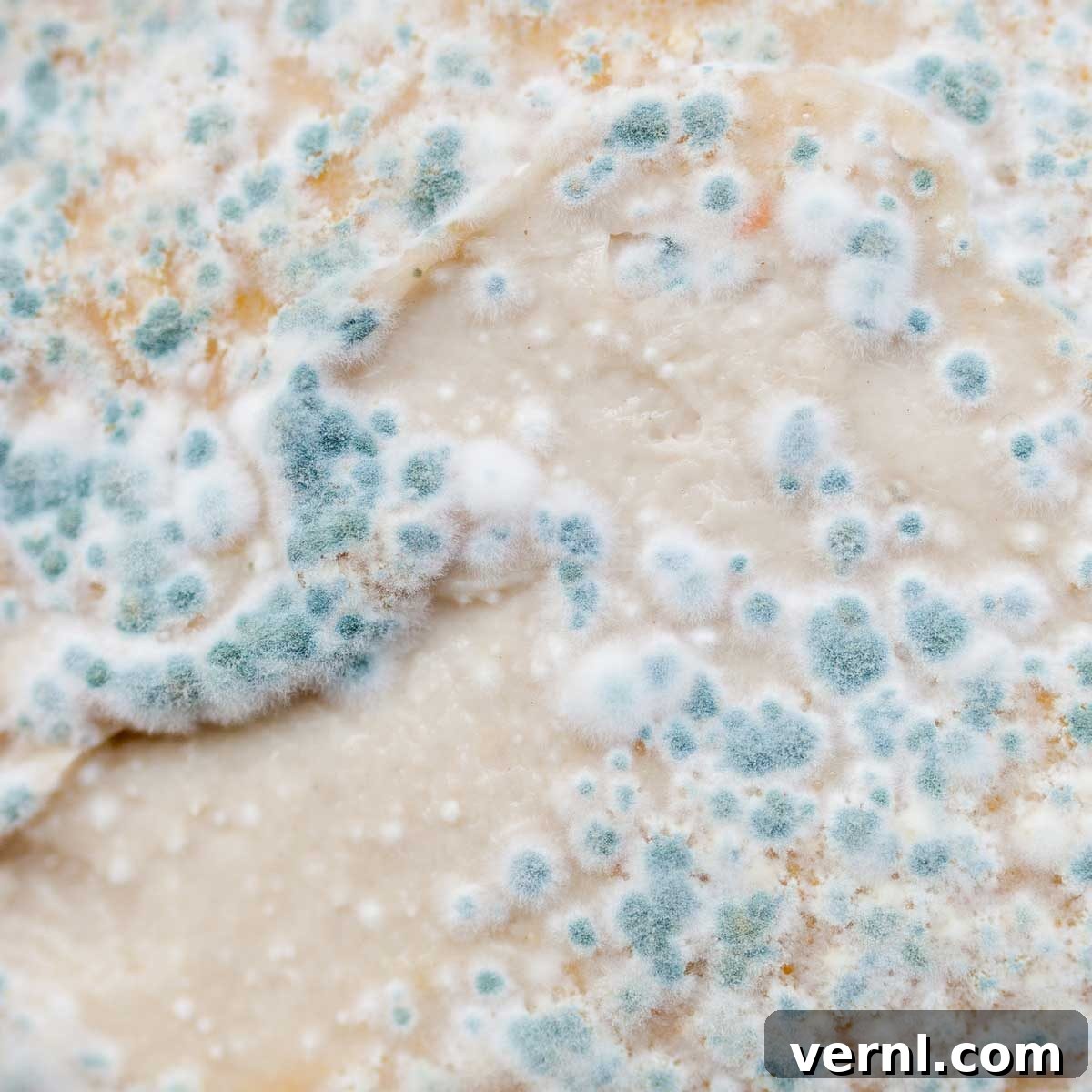
Household mold is not just an unsightly nuisance; it’s a critical indicator of excessive moisture and compromised indoor air quality within your living space. While some molds are largely benign for most individuals, certain species pose significant health risks. Among these, various species of Aspergillus mold stand out as particularly concerning. It’s imperative to address all indoor mold growth promptly, but understanding the specific nature of hazardous molds like Aspergillus can empower homeowners to better safeguard their family’s health.
To shed light on this pervasive issue, we consulted Michael Rubino, a distinguished mold and air quality expert, environmental wellness advocate, and founder of HomeCleanse. Rubino shared invaluable insights into Aspergillus mold, elucidating its growth mechanisms, preferred habitats, potential dangers, and effective strategies for its elimination and prevention.
Understanding Aspergillus Mold: A Common Yet Complex Fungi
Rubino begins by explaining that “Aspergillus is considered a ‘common mold’ and is found in homes worldwide.” This extensive genus comprises at least 250 known species, first documented in 1729 by the Italian priest and biologist Pier Antonio Micheli. While many Aspergillus species are linked to serious health concerns, some exhibit surprising utility. For instance, Aspergillus niger is remarkably responsible for nearly all global production of citric acid, showcasing the diverse nature of this fungal family.
According to Rubino, this family of mold “forms long, flask-shaped spores that can create dense layers or ‘walls’ of growth. Growth can appear white, yellow, brown, or even black. Colonies can appear as greenish-gray flat patches, or they can appear more elevated and textured.” The distinct appearance can vary significantly depending on the specific species, the substrate it’s growing on, and environmental conditions. Aspergillus spores are predominantly airborne and are often found in higher concentrations indoors than outdoors, making indoor environments a primary concern for exposure.
The Biology of Aspergillus Growth
Aspergillus thrives in damp, humid environments, reproducing through the release of microscopic spores. These spores are incredibly resilient and can remain dormant for extended periods, only to activate and begin colonizing a surface once sufficient moisture is present. Their ability to adapt to various substrates, from building materials to organic matter, makes them a ubiquitous presence in many homes. Understanding these biological fundamentals is crucial for both identification and effective remediation.
Identifying Aspergillus Mold: The Importance of Professional Testing
Visually identifying a specific mold species like Aspergillus is extremely challenging, if not impossible, for the untrained eye. If you observe unusual growth and suspect Aspergillus mold, Rubino unequivocally states that professional testing is the most reliable method for confirmation. He advocates for a comprehensive dust test:
“Gravity brings particles like mold spores, mycotoxins, and endotoxins down to horizontal surfaces like floors, door frames, and furniture. Where dust collects, so do these indoor contaminants. Testing this dust will help determine what’s hanging out in your home.”
This method offers a broad overview of the microbial environment within your home, detecting not just visible mold but also the invisible spores and harmful byproducts that often go unnoticed. A positive test result for Aspergillus, or any mold, warrants further investigation. Rubino advises that at this juncture, it’s essential to engage a qualified mold inspector. This expert can “determine where those sources of mold are and provide a more in-depth understanding of the situation occurring in the home,” pinpointing the root cause of the infestation and assessing its full extent.
Why Visual Identification Isn’t Enough
While some molds might have distinct colors or textures, many species, including different types of Aspergillus, can look similar to other molds or even common dirt. Relying solely on visual cues can lead to misidentification, incorrect remediation strategies, and potentially ongoing health risks. Professional testing not only confirms the presence of Aspergillus but can also provide insights into its concentration and the presence of mycotoxins, which are critical details for effective health and remediation planning.
Where Aspergillus Mold Commonly Thrives in Your Home
Aspergillus species exhibit a remarkable versatility in their growth preferences. Many flourish rapidly in carbon-rich environments, such as neglected compost piles, decaying leaves, and decomposing vegetables. High-starch foods like bread, potatoes, and grains are also frequently targeted growth areas in kitchens and pantries. However, other resilient species can proliferate in relatively low-nutrient settings, provided there’s sufficient moisture. These areas commonly include damp walls, saturated carpets, moist insulation, and even damp fabrics like curtains or pillows.
Rubino highlights several key household areas where Aspergillus is frequently discovered:
- HVAC Systems: These systems can circulate spores throughout the home if not properly maintained, especially if moisture accumulates in ducts or drip pans.
- Bathrooms: Constant humidity and water exposure make areas around sinks, showers, faucets, and showerheads prime locations for mold growth.
- Kitchens: Appliances like dishwashers and refrigerators (especially water dispensers and drip trays), inside cabinets, and under sinks are common hidden spots.
- Carpets and Upholstery: If these porous materials become damp from spills, leaks, or high humidity, they provide an ideal breeding ground.
- Stored Food: Grains, breads, cheeses, and other perishable items can easily harbor Aspergillus if not stored correctly or if past their prime.
- Basements and Crawl Spaces: These areas are notoriously prone to dampness, leaks, and poor ventilation, making them hotbeds for mold development.
- The Attic: Leaky roofs or inadequate ventilation can lead to condensation and moisture accumulation, facilitating growth in attic insulation and wooden structures.
- Windows and Windowsills: Condensation on windows and frames, particularly during colder months, provides the necessary moisture for spores to germinate.
A proactive approach to inspecting these areas, especially after water events or in humid conditions, can help detect mold growth early and prevent widespread contamination.
Understanding the Health Implications of Aspergillus Mold Exposure
“Indoor microbial growth can impact health by lowering indoor air quality and creating unwanted exposures,” Rubino explains. Mold, including Aspergillus, releases microscopic spores into the air. When these spores are inhaled, they can trigger a wide range of immune responses and adverse health reactions. These reactions can span from typical allergy-like symptoms to more profound issues such as brain fog, chronic fatigue, and even severe respiratory conditions.
While healthy individuals are generally at a lower risk of severe infection from inhaling Aspergillus spores, those with compromised immune systems face a significantly elevated threat. Rubino warns that “individuals with compromised immune systems could also develop Aspergillosis, a severe condition that affects the lungs and can spread to other organs.” Aspergillosis is a group of diseases caused by Aspergillus, and its manifestation depends largely on the individual’s immune status and overall health.
Forms and Symptoms of Aspergillosis
Aspergillosis commonly manifests as respiratory infections, which can sometimes disseminate throughout the body or form “fungal balls” (aspergillomas) within existing cavities, most often in the lungs. Common symptoms associated with these mold-related infections include persistent fevers, shortness of breath, a chronic cough (sometimes producing blood), and chest pain. These conditions necessitate prompt medical attention and typically require treatment with antifungal medications. Other forms of Aspergillosis can affect sinuses, skin, and even the brain, underscoring the serious systemic threat this mold can pose.
Is Aspergillus Mold Dangerous? An Expert’s Perspective
Rubino emphatically states that Aspergillus mold is dangerous. “Its ability to impact health and lower our indoor air quality makes it something we absolutely do not want in our homes.” He further elaborates, “Although Aspergillus is allergenic, its toxicity may vary depending on the species and environmental conditions.” The primary concern with Aspergillus, beyond its allergenic properties, is its capacity to produce mycotoxins.
“These [mycotoxins] are naturally toxic to the human body, which is why they are regulated in food products.” However, a critical gap exists: “Unfortunately,” Rubino continues, “there are no regulations for the air we breathe.” This lack of air quality standards for mycotoxins means that occupants can be unknowingly exposed to harmful levels in their homes. He warns that “exposure [to Aspergillus mycotoxins] may result in asthma attacks, lung infections, and respiratory inflammation,” highlighting the severe and often chronic health issues associated with prolonged exposure to these airborne toxins.
The Silent Threat of Mycotoxins
Mycotoxins are secondary metabolites produced by certain fungi, including many species of Aspergillus. They are potent toxins that can suppress the immune system, cause neurological damage, and contribute to a wide array of systemic health problems. Unlike living mold spores, mycotoxins are not alive and cannot be “killed.” They must be physically removed from an environment to eliminate the health risk. Their microscopic size allows them to become airborne easily, attaching to dust particles and circulating throughout a home, posing a continuous threat even after visible mold growth has been addressed.
Comprehensive Strategies for Aspergillus Mold Removal and Prevention
Addressing Aspergillus mold, or any mold, effectively requires a dual approach: thorough remediation of existing growth and diligent prevention of future infestations. The scale of the problem often dictates whether a homeowner can tackle it themselves or if professional help is required.
Professional Mold Remediation: When to Call the Experts
For small, isolated areas of household mold (generally less than a few square feet), homeowners might consider DIY removal. However, for any suspected Aspergillus mold growth larger than a few feet across, or if it’s deeply embedded in porous materials or affects HVAC systems, calling in mold removal professionals is not just recommended, it’s often essential. Rubino stresses the universal principle for all mold remediation: “All mold, regardless of species, should be remediated the same way – quickly and correctly.” He emphasizes the importance of knowing the specific type of mold present to adequately budget and prioritize the remediation efforts, noting that “fast-spreading or species that can release mycotoxins should be at the top of the list.”
When selecting a remediation company, Rubino advises looking for three crucial pillars:
- Proper Source Remediation: The company must effectively address and remove the mold sources themselves.
- Root Cause Identification: They should identify and resolve the underlying problems that led to the mold growth in the first place (e.g., leaks, ventilation issues).
- Complete Contamination Elimination: All present contamination, including spores and mycotoxins, must be thoroughly eliminated from the affected areas.
It’s critical to understand that professional remediation goes beyond simply cleaning visible mold. As Rubino explains, “Even remnants of dead mold can cause ongoing exposure and potential health risks.” Just like weeds that regrow if not removed by the root, mold develops root-like structures called hyphae. If these are not fully eradicated, the mold can easily return. After the remedial team completes their work, Rubino strongly advises re-testing to ensure complete removal of the mold, as well as “other contaminants, such as mycotoxins and bacteria,” for peace of mind and family safety.
DIY Mold Removal: Proceed with Caution
If you’re contemplating DIY mold remediation, Rubino provides a crucial guideline: “Only work on areas under 10 square feet.” Anything larger demands professional expertise due to the potential for widespread contamination and health risks. He also strongly recommends contacting an expert before you begin, as they can offer tailored advice and guidance for your specific situation. Attempting to tackle larger infestations without proper training and equipment can inadvertently spread spores, worsening the problem.
For those undertaking small-scale DIY removal, Rubino outlines key factors for success and safety:
- Personal Protective Equipment (PPE) and Engineering Controls: Always use appropriate PPE, including N95 respirators, gloves, and eye protection, to prevent exposure to spores. Implement containment measures (e.g., plastic sheeting, negative air pressure) to prevent cross-contamination.
- Resolve the Source: The underlying moisture source that caused the growth must be fixed immediately and permanently. Without addressing the leak or humidity issue, mold will inevitably return.
- Remove Porous Materials: Materials like drywall, insulation, carpets, and upholstered furniture that have sustained mold growth are often impossible to clean thoroughly. These porous items must be removed, bagged, and disposed of properly.
- Decontaminate All Surfaces: Non-porous surfaces should be decontaminated using appropriate remediation protocols based on the specific surface type. This often involves cleaning with specialized mold-killing agents or botanical fungicides.
- Deep Clean Surrounding Areas: The space surrounding the active growth must be deeply cleaned to capture and remove any airborne particles released during the remediation process. This includes HEPA vacuuming and wiping down all surfaces.
Rubino concludes with a pragmatic piece of advice: “If you aren’t confident that you can tick off each box, the professional route is the way to ensure all the contamination is removed.” Prioritizing safety and thoroughness is paramount when dealing with mold.
Proactive Mold Prevention: Maintaining a Healthy Home Environment
As the adage wisely states, an ounce of prevention is worth a pound of cure. Rubino emphasizes that the most effective way to prevent mold growth, including Aspergillus, “is to mitigate moisture and regularly clean to eliminate particles like dust, spores, and organic matter from the home.” A proactive approach creates an environment where mold cannot thrive.
He suggests several actionable steps for ongoing mold prevention:
- Control Indoor Humidity: Maintain indoor humidity levels between 35-50% using dehumidifiers in damp areas and proper ventilation throughout the home.
- Address Moisture Intrusion Immediately: Fix all leaks, plumbing issues, and structural defects that allow moisture to enter your home without delay.
- Routinely Clean Appliances: Regularly clean and dry kitchen and laundry appliances, paying close attention to seals, filters, and drip pans where moisture can collect.
- Thoroughly Dry Appliances: Ensure appliances like dishwashers and washing machines are completely dry when not in use. Leaving doors ajar can help air circulate.
- Adopt Effective Cleaning Practices: Utilize botanical cleaning products with surfactants, a HEPA (High-Efficiency Particulate Air) vacuum cleaner, and microfiber towels for routine cleaning. These tools effectively capture and remove microscopic mold spores and dust.
- Clean Washable Items: Wash all machine-washable items, including curtains, rugs, and bedding, with a laundry additive like EC3 to help remove microscopic particles and mold spores.
- Manage Shower Moisture: After showering, separate the shower curtain and liner to allow them to dry fully. Squeegee shower walls and doors to remove excess water.
- Maintain a Clean Home: Regular cleaning and dusting remove the organic matter that mold feeds on.
- Ensure Proper Drying of Wet Items: Hang bath mats, towels, wash rags, loofahs, and any other wet items to dry thoroughly after each use.
- Utilize Air Purifiers: Employ high-quality air purifiers with HEPA filters to capture airborne mold spores, dust, and other contaminants.
- Upgrade HVAC Filters: Upgrade to the highest-rated MERV (Minimum Efficiency Reporting Value) filter your HVAC unit can handle and change them promptly according to manufacturer recommendations. This significantly improves air filtration.
- Minimize Porous Materials: Where possible, try to avoid porous materials like carpeting in moisture-prone areas of the home, opting for hard-surface flooring instead.
- Declutter Regularly: Clutter can trap moisture and dust, creating hidden breeding grounds for mold. Regular decluttering improves air circulation and makes cleaning easier.
By integrating these preventative measures into your regular home maintenance routine, you can significantly reduce the risk of Aspergillus mold growth and cultivate a healthier indoor environment for your family.
Source
Michael Rubino is a mold and air quality expert, environmental wellness advocate, and founder ofHomeCleanse, a revolutionary company dedicated to combating the global health epidemic caused by poor air quality and toxic indoor environments. He is also Chair of Change the Air Foundation and Host of Never Been Sicker podcast.