
Vehicle engineering, choosing the right model from the start, and—most importantly—careful, attentive maintenance are the foundation of long vehicle life. Over nearly 60 years working on cars as a GM and ASE Master Technician, I’ve seen powertrains that truly earned the label “bulletproof,” and others that turned into costly, avoidable headaches.
Some design choices that seemed promising at the time proved to be mistakes in practice. A notable example is when Oldsmobile converted a durable 350 cu. in. gasoline V8 into a diesel and paired it with a transmission not intended for that torque. The result was a famously problematic combination that cost owners a lot in repairs.
Most vehicles built since the 2010s are engineered to last many years when they receive proper care. Consumer Reports notes the average vehicle age on U.S. roads is over 12 years, which reflects both improved manufacturing and owners keeping cars longer. Below, experts and technicians share how to choose a car likely to last and how to care for it so it stays on the road for many more miles.
What Makes a Car Last a Long Time?
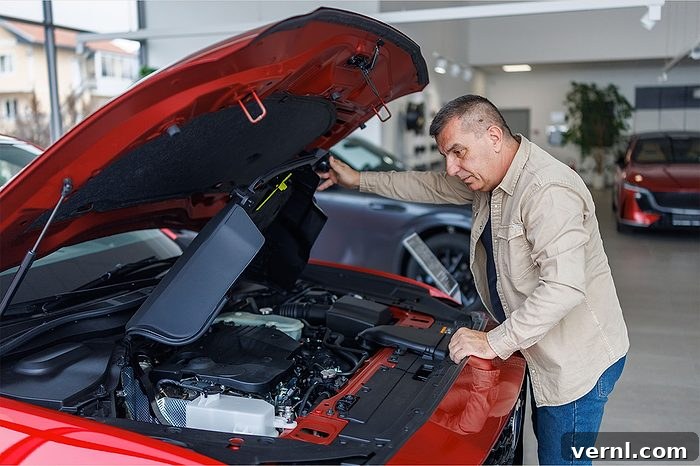
Longevity starts with thoughtful design and quality manufacturing, and continues with consistent ownership and maintenance that goes beyond the bare minimum. How you drive—highway miles versus stop-and-go city trips—and the conditions you drive in, such as extreme heat, cold, or dusty environments, significantly affect a car’s useful life.
“Mazda vehicles often use larger-displacement engines compared to some competitors,” says Jon Leverett, Project Manager at Mazda U.S.A. “A larger engine usually doesn’t have to work as hard during acceleration or cruising, which reduces stress on the powertrain and contributes to long-term durability.”
Research Reliability Ratings
Before buying, consult established reliability sources and ratings. High marks from organizations and publications that study dependability tend to indicate fewer unexpected repairs and lower lifetime ownership costs. Look for consistency across multiple reputable outlets and long-term owner reports.
“Always buy a brand that is known for reliability,” says Luke Oswald, an automotive specialist. “Many Asian brands and certain European makers have strong records.” Gary Hindenes, owner of a long-running repair shop, adds, “Toyota and Honda are among the most durable brands we see. Issues tend to arise only when vehicles hit very high mileage, weren’t serviced regularly, or were in accidents.”
Brands Known for Durability
Certain manufacturers have a strong reputation for building long-lasting vehicles. Brands frequently noted for reaching 200,000 miles and beyond with fewer major failures include Honda, Lexus, Mazda, Toyota, Subaru, and many Ford and Chevrolet trucks. These manufacturers often rely on proven, less complex powertrain designs that are easier and cheaper to maintain over time.
If you have the skills and tools, routine DIY maintenance can extend a vehicle’s life. Regularly flushing and replacing fluids, changing filters, replacing worn belts before they fail, and installing a fresh battery every few years are examples of practical steps. Addressing repairs promptly and keeping a close maintenance schedule can allow cars to last 15 to 20 years or more.
Consider the Transmission
The transmission is one of the most demanding components on a vehicle. Some designs are notably robust, while others have reputations for reliability issues. Continuously variable transmissions (CVTs) and certain dual-clutch systems have shown problems in some brands and model years, so research specific transmission types and their track records before buying.
Reviewing Vehicle History
Vehicle history reports are an essential part of evaluating a used car. They reveal maintenance records, accident history, ownership changes, and recurring problems. A clean history report doesn’t guarantee trouble-free ownership, but it gives confidence that a vehicle has likely been cared for properly.
Independent pre-purchase inspections and professional assessments from certified mechanics or inspection services add another layer of protection. These inspections can uncover issues that a history report alone may miss.
Pre-Purchase Inspection (PPI) — Worth It?
Yes. A comprehensive pre-purchase inspection is strongly recommended for any used car purchase, particularly for vehicles equipped with advanced safety systems. A trusted mechanic should verify the VIN, check for structural damage or prior repairs, and run an OBD-II scan to detect diagnostic trouble codes that aren’t obvious during a visual inspection.
Inspecting electronics, ADAS components, suspension, and the drivetrain helps avoid surprises after purchase. Spending on a thorough inspection can prevent far larger repair costs down the road.
FAQ
How many miles can a well-maintained car last?
With modern engineering and regular maintenance, it’s common for vehicles to reach 200,000 to 300,000 miles or more. Longevity depends on design, build quality, driving habits, and how diligently the car is serviced.
Does regular maintenance really extend a vehicle’s lifespan?
Absolutely. Quality engineering paired with routine upkeep keeps wear to a minimum and prevents minor issues from becoming major failures. Regular oil changes, fluid flushes, filter replacements, and timely repairs all contribute to long-term reliability.
Can AI help me find a car built for longevity?
Yes. AI tools can aggregate and summarize data from reliability studies, owner forums, technical service bulletins, recall databases, and expert reviews quickly, helping you compare models and identify potential problem areas before you buy.
About the Experts
Cole Reiken is Managing Director of BlueDriver, a maker of consumer and professional diagnostic tools that help identify mechanical and electrical issues. He brings decades of experience in automotive diagnostics and technology.
Gary Hindenes owns a long-standing automotive repair shop and has nearly thirty years of experience rebuilding and maintaining engines and drivetrains for local customers.
Jon Leverett is a project manager at Mazda U.S.A., working on new-vehicle launches and offering insight into vehicle design, reliability, and market trends.
Luke Oswald is an automotive specialist with extensive experience in vehicle valuation and inspections, advising buyers on safety and long-term ownership considerations.