
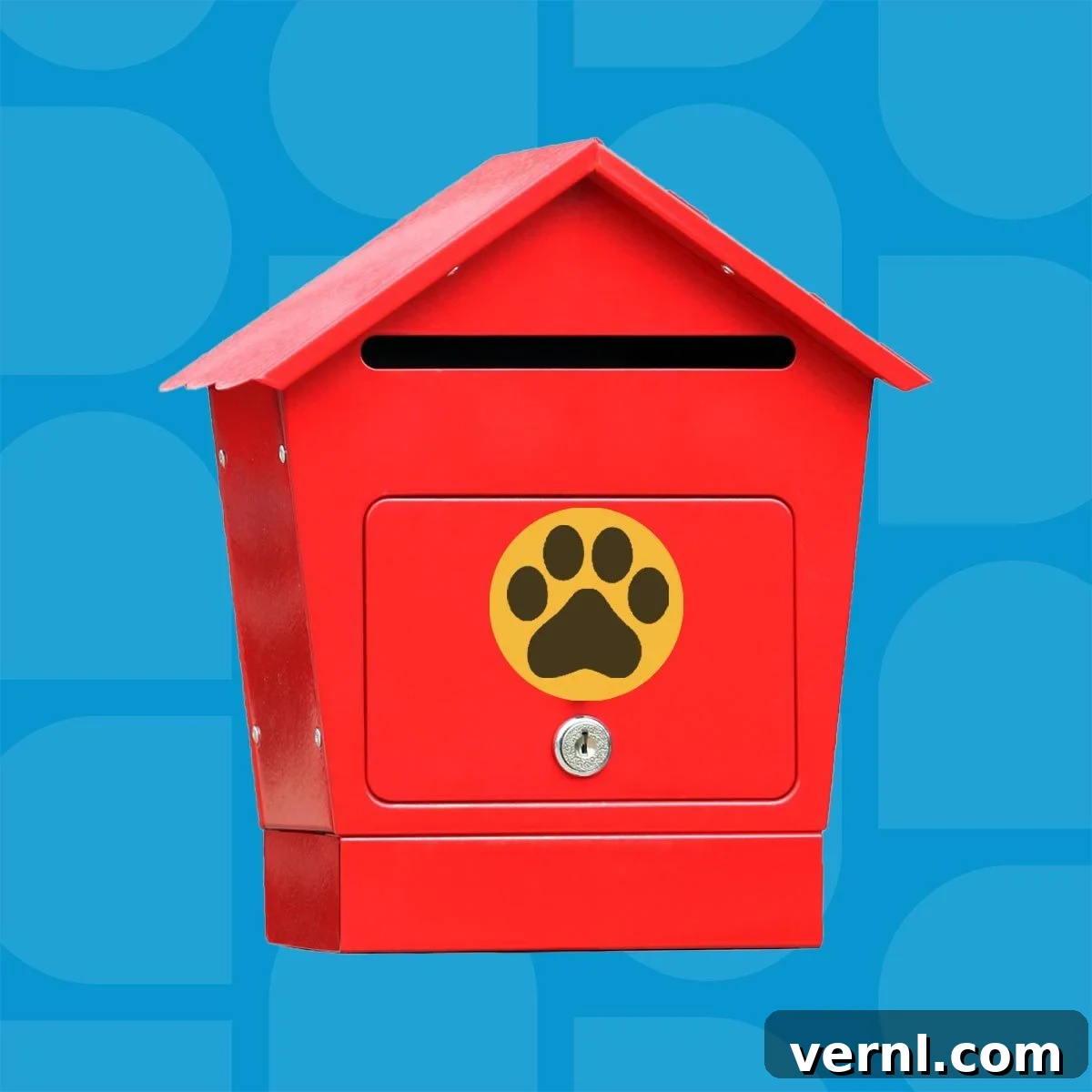
Unraveling the Mystery: What That Paw Print on Your Mailbox Really Means
Have you ever spotted a subtle, often weathered paw print sticker or symbol adorning your mailbox and found yourself wondering about its purpose? What might initially appear as a charming, whimsical decoration or a nod to a beloved furry friend often carries a far more significant and practical message. For many postal services and mail carriers, these innocent-looking paw prints serve as a vital, unspoken warning signal—a clear indicator that a dog resides on the property. This small symbol plays a crucial role in the daily routine of mail delivery, acting as an early alert for the dedicated individuals who ensure our letters and packages arrive safely.
The presence of a paw print is not a universal system adopted by every postal service worldwide, but it is a common and highly effective method utilized by numerous local post offices. The primary goal is simple yet profoundly important: to enhance the safety of mail carriers. In a profession that involves approaching countless homes daily, often interacting with unfamiliar environments and unexpected situations, staying aware of potential animal encounters is paramount. Even the friendliest of dogs can react unpredictably to a stranger entering their territory, making these paw print warnings an indispensable tool for proactive safety. They allow mail carriers to approach properties with an elevated sense of awareness, enabling them to take necessary precautions and avoid potentially hazardous encounters.
The Unspoken Warning: Paw Prints as a Postal Safety Signal
When a post office or individual mail carrier places a paw print on a mailbox, it’s typically a deliberate act of communication. This isn’t just a random sticker; it’s part of a system designed to protect both postal workers and, by extension, the residents and their pets. The intent behind this symbol is to provide a concise, immediate visual cue for anyone delivering mail to that address. It means, quite simply, “Be aware: a dog lives here.”
This system helps mail carriers to mentally prepare before they even step out of their vehicle. They might consider alternative approaches, check for visible signs of the dog, or simply be more vigilant as they approach the porch or mailbox. This heightened awareness is crucial because, despite our best efforts as pet owners, dogs can sometimes be found outside, behind an unsecured gate, or even unexpectedly present when a door is opened. The paw print acts as a constant reminder, helping to prevent the element of surprise that can often lead to unfortunate incidents. It’s a low-tech yet highly effective solution in an environment where quick decisions and constant vigilance are essential for safety.
Why Are These Warnings Necessary? The Daily Challenges of Mail Delivery
Mail carriers face unique occupational hazards, and encounters with dogs are regrettably among the most common. Each day, they navigate diverse neighborhoods, encountering hundreds of properties, each with its own set of variables—different gate latches, varying levels of visibility, and of course, a wide array of domestic animals. Dogs, regardless of breed or temperament, often possess a strong instinct to protect their home and family. To a dog, a mail carrier, even a familiar one, can be perceived as an intruder or a threat, especially if they are approaching the front door or a designated delivery spot.
The statistics surrounding dog-related incidents involving postal workers are sobering. The U.S. Postal Service, for instance, reports thousands of dog attacks on its carriers annually. These incidents can range from minor nips and scratches to severe bites requiring medical attention, leading to physical injury, emotional trauma, and lost workdays. Beyond the immediate physical harm, such encounters can also create a climate of fear and anxiety for carriers, impacting their ability to perform their duties efficiently and confidently. Therefore, any system that helps to mitigate these risks, no matter how simple, is immensely valuable. The paw print is a proactive measure designed to reduce the frequency and severity of these incidents, ensuring that mail delivery remains a safe profession. It underscores the importance of creating a safer environment for those who serve our communities daily, highlighting a shared responsibility between postal services and pet owners to minimize potential hazards.
Decoding the Paw Print: Does It Label Your Dog as Aggressive?
It’s a natural reaction for many dog owners to feel a pang of concern or even offense upon discovering a paw print on their mailbox. The immediate question often is, “Does this mean the postal service thinks my dog is dangerous or aggressive?” The good news is, not necessarily! It’s vital to understand that a paw print on your mailbox is rarely an accusation of aggression. Instead, it serves as a universal “heads-up” – a gentle reminder for mail carriers to exercise extra caution. It’s a precautionary measure, not a condemnation of your beloved pet’s character.
Even the friendliest, most well-behaved dogs can exhibit protective behaviors when a stranger approaches their territory. A wagging tail can quickly turn into an excited leap, a playful bark can escalate into territorial vocalizations, and what a dog perceives as playful interaction can be intimidating or even frightening to a mail carrier who has to navigate countless such encounters every single day. Some dogs jump out of excitement, others bark territorially, and some simply get too close for comfort. From a mail carrier’s perspective, whose job requires them to be swift and efficient, any sudden movement or unexpected approach from a dog, regardless of its underlying intent, represents a potential risk. Therefore, the paw print simply signals the need for increased vigilance, allowing the carrier to be prepared for various scenarios, ensuring the safety of both themselves and your pet. It allows them to assess the situation before potentially walking into an uncomfortable or dangerous encounter.
Ensuring Harmony: Essential Steps for Responsible Dog Owners
If you’ve noticed a paw print on your mailbox, or even if you haven’t but know you have a dog, taking proactive steps is key to ensuring that mail deliveries proceed smoothly and safely for everyone involved. Responsible dog ownership means being mindful of how your pet’s presence might impact others, especially those who regularly visit your property. Here are comprehensive steps you can take to foster a safe environment for mail carriers and prevent any potential issues:
- Keep Your Dog Secure During Delivery Times: This is arguably the most crucial step. Make it a routine to keep your dog either indoors, in a securely fenced yard that cannot be accessed by the carrier, or in a designated secure area (like a kennel or dog run) during the usual mail delivery hours. Even if your dog is incredibly friendly and has never shown any aggression, an unexpected bark, a sudden jump, or even just an excited approach can startle a mail carrier, leading to unforeseen consequences. Knowing your dog is safely contained provides peace of mind for both you and the delivery personnel.
- Ensure an Accessible and Safe Mailbox Location: Consider the placement of your mailbox. If you have a curbside mailbox, ensure there are no obstacles (like overgrown bushes or parked cars) that would force the carrier to get out of their vehicle and walk near your property where your dog might be. For door delivery, ensure that the path to your mailbox or mail slot is clear of any potential hazards, including your dog. If your dog has a habit of running to the door or jumping when the doorbell rings, consider installing a mail slot on your door or a mailbox at the curb, if permissible by your local postal regulations. This minimizes direct interaction and reduces the chance of accidental encounters.
- Communicate Proactively with Your Mail Carrier: Building a good rapport with your local mail carrier can be incredibly beneficial. If you typically keep your dog indoors and it poses no risk to the delivery personnel, a brief, friendly conversation with your carrier can alleviate their concerns. Let them know your dog’s routine, temperament, and where they are usually kept during delivery times. This open communication can help them feel more comfortable and confident when approaching your home. If there are any changes in your dog’s routine or behavior, inform your carrier promptly.
- Invest in Training and Socialization: While not a direct solution for every delivery, a well-trained and socialized dog is generally less reactive to strangers and unfamiliar situations. Basic obedience commands like “stay,” “sit,” and “leave it” can be invaluable if your dog is unexpectedly out during a delivery. Consistent socialization helps your dog learn to calmly accept the presence of strangers around your property.
- Regularly Check Fencing and Gates: If your dog spends time in a fenced yard, regularly inspect the fence for any weaknesses, holes, or gaps that your dog could exploit. Ensure that gates are always securely latched and that your dog cannot dig underneath them. A securely contained dog is a safe dog, and it gives assurance to anyone approaching your home.
- Consider Clear Signage (If Appropriate): While the paw print itself is a warning, you might also consider adding a polite sign that says “Dog on Property” or “Please Do Not Open Gate” if your dog is frequently in the yard. Avoid overly aggressive “Beware of Dog” signs unless truly necessary, as these can sometimes escalate perceived threats.
- Respect Delivery Times: If you know your mail typically arrives around a certain time, make an extra effort to ensure your dog is secured during that window. This small habit can make a significant difference in preventing incidents.
By implementing these steps, dog owners contribute significantly to the safety and well-being of their mail carriers, ensuring that this essential service continues without incident and with mutual respect.
Beyond Safety Alerts: Other Meanings of Mailbox Paw Prints
While the primary function of a paw print on a mailbox often relates to postal safety, it’s also important to acknowledge that not every paw print carries the same official weight or purpose. In some instances, a paw print is purely decorative, a charming embellishment chosen by the homeowner to express their love for animals or to add a touch of personality to their property. These could be painted, stickered, or even embossed features that are simply part of the mailbox’s design.
Moreover, paw prints can serve as heartfelt tributes to beloved pets who have crossed the rainbow bridge. Many pet owners choose to honor the memory of a cherished dog or cat by incorporating paw prints into their home decor, including their mailbox, as a symbol of remembrance and affection. Animal rescue organizations, pet grooming businesses, or local veterinary clinics might also use paw prints as part of their branding or promotional efforts, sometimes distributing stickers or magnets that find their way onto mailboxes as a form of community engagement or awareness.
If you are unsure about the meaning of a paw print on your mailbox—whether it’s an official postal warning or simply a decorative item—the best course of action is to inquire. A quick, polite conversation with your local post office or your mail carrier can clarify its intent. This simple step can provide peace of mind and help ensure that you are fully aware of any safety protocols or expectations associated with your home.
Local Variations and the Broader Context of Postal Safety
It’s worth noting that the system of using paw prints as warnings is not uniformly implemented across all postal services or even within every local branch of a national postal service. While many find it an effective and low-cost solution, other postal districts may employ different methods to alert carriers about dogs on a property. These can include:
* **Digital Alerts:** Some modern postal systems use handheld scanners or tablets that provide carriers with real-time digital notes or alerts about specific addresses, including warnings about dogs.
* **Physical Notes/Cards:** Older systems might rely on physical cards or notes kept by the carrier, detailing potential hazards for each route.
* **Verbal Warnings:** Sometimes, it’s simply a verbal heads-up passed along by a seasoned carrier to a new one.
* **No Specific System:** In some areas, there might not be a formal system in place, relying solely on a carrier’s personal observations and experience.
Regardless of the specific mechanism, the underlying goal remains consistent: the safety of postal workers. These varied approaches highlight a shared commitment across postal networks to protect their employees from potential hazards inherent in their daily duties. For homeowners, this means being aware of local practices and, when in doubt, assuming that any indication of a dog’s presence on your mailbox is a prompt for increased awareness and caution. It underscores the broader context of community safety and the importance of responsible pet ownership in ensuring that essential services can be delivered without fear or incident.
At the end of the day, a paw print on a mailbox, whether an official warning or a personal decoration, represents a small but significant symbol. When it serves as a safety alert, it plays a vital role in protecting both beloved pets and the dedicated mail carriers who serve our communities. It ensures that you continue to receive your deliveries without issue, fostering a harmonious relationship between residents, their animals, and the essential services that connect us all. By understanding its implications and taking responsible action, we can all contribute to a safer, more respectful environment for everyone involved.