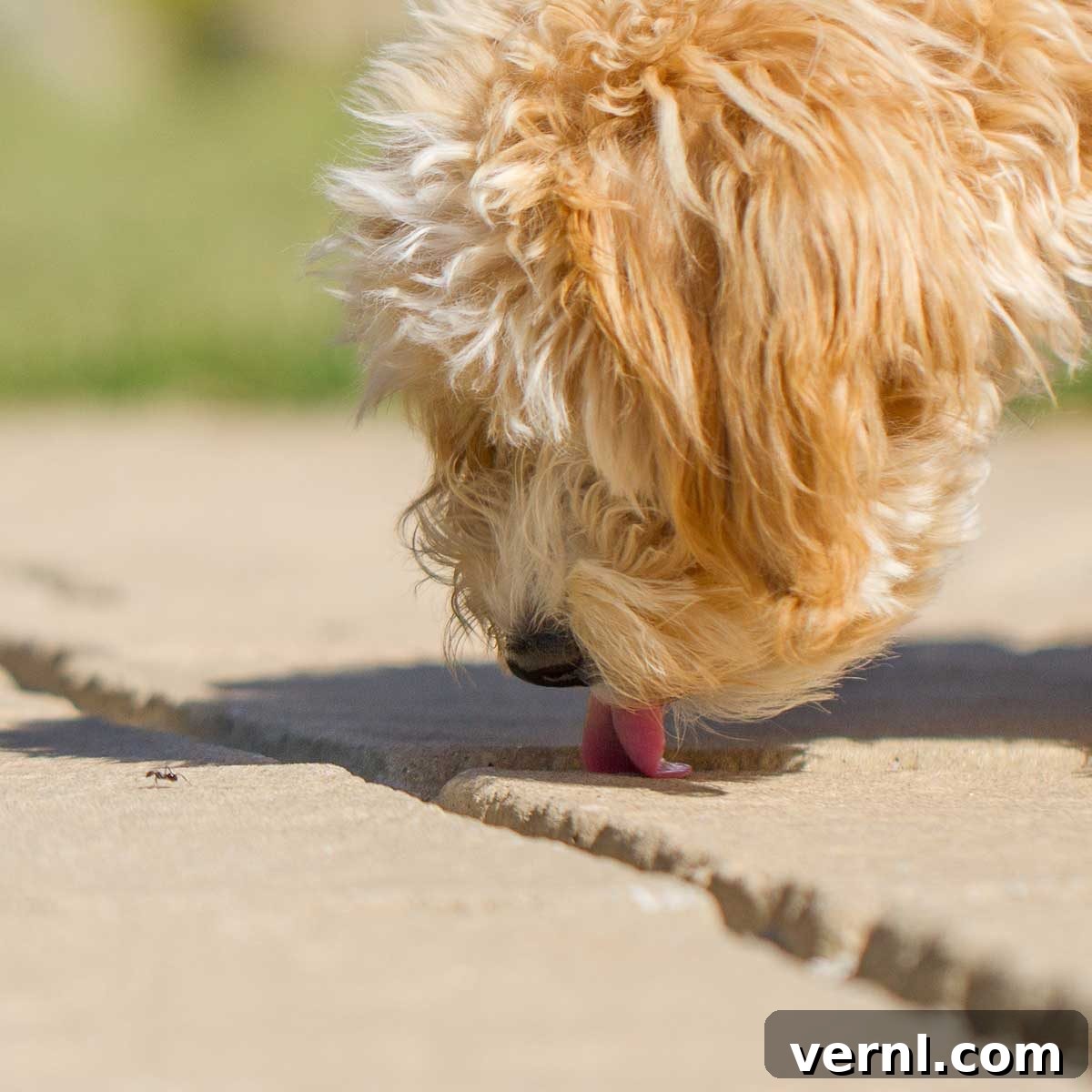
Comprehensive Guide to Pet-Safe Ant Control: Protecting Your Home and Furry Friends
Ants are more than just a nuisance; these tiny invaders can contaminate food supplies, compromise the integrity of wooden structures in your home, and frankly, test your patience. While a plethora of potent ant poisons exist on the market, their use often comes with a significant caveat for pet owners. Ingesting these chemicals can be incredibly harmful, even fatal, to beloved cats and dogs. The good news is that you don’t have to choose between a pest-free home and your pet’s safety. With a strategic approach and the right knowledge, you can effectively eradicate ants while ensuring your furry companions remain out of harm’s way.
This comprehensive guide delves into pet-friendly pest removal solutions, offering practical advice and expert insights. We’ve consulted Dr. Tina Wismer, Senior Director of Toxicology at the ASPCA Animal Poison Control Center, to provide you with the most reliable strategies for dealing with ants safely.
The First Line of Defense: Proactive Ant Prevention
The most effective and inherently pet-safe method for controlling ants is to prevent them from entering your home in the first place. Ants are primarily drawn indoors by the promise of food, water, and shelter. By making your home less appealing, you significantly reduce the likelihood of an infestation, thus minimizing the need for any pest control products.
Eliminate Food Sources and Maintain Impeccable Cleanliness
Ants are relentless foragers, and even the smallest crumb or sugar spill can attract an entire colony. Worker ants diligently scout for sustenance, returning to their queen and the rest of the colony with their findings. Therefore, meticulous kitchen hygiene is paramount:
- Wipe Down Surfaces Regularly: After every meal preparation or snack, thoroughly clean countertops, tables, and stovetops.
- Sweep and Vacuum Daily: Pay close attention to areas where food is consumed or prepared, ensuring no crumbs or food particles are left on floors or under appliances.
- Store Food Securely: Keep all food items, including pet food, in airtight containers. This includes dry goods like flour, sugar, cereals, and even pet kibble. Avoid leaving open bags or loosely sealed containers.
- Clean Pet Bowls: Wash your pet’s food and water bowls daily. Leftover pet food can be a major draw for ants.
- Manage Trash: Use trash cans with tight-fitting lids and empty them frequently, especially before going to bed. Store outdoor trash cans away from your home’s foundation.
Seal Entry Points and Block Access
Even the cleanest homes can fall victim to ants if there are easy entry points. Take the time to inspect your home for potential access routes and seal them off:
- Caulk Cracks and Gaps: Examine your foundation, walls, and window frames for any cracks, no matter how small. Seal these openings with caulk.
- Repair Screens: Mend any tears or holes in window and door screens.
- Weatherstripping: Ensure doors and windows have proper weatherstripping to prevent ants from crawling underneath.
- Trim Vegetation: Keep tree branches and shrubs trimmed away from your home’s exterior. Ants often use these as bridges to access your house.
While maintaining a spotless home can be challenging, especially with a busy schedule, these preventative measures are the cornerstone of a pet-safe ant control strategy. If, despite your best efforts, you still find ants parading through your kitchen, it’s time to consider targeted solutions.
Strategic Baiting: Identifying Trails and Safe Placement
When prevention alone isn’t enough, baiting is a highly effective method for eliminating ant colonies. The key lies in understanding how baits work and ensuring they are deployed safely, especially with pets in the household.
Understanding Ant Trails and Baiting
Ants operate with remarkable efficiency, creating distinct trails to and from food sources. These trails are essentially highways for worker ants, guiding them to discovered sustenance. Baiting capitalizes on this behavior: worker ants collect the bait (which they perceive as food), carry it back to the colony, and share it with the queen and other ants, ultimately destroying the colony from within.
Your first step in effective baiting is to:
- Identify the Trail: Observe where the ants are coming from and where they are going. This could be a tiny crack in the wall, under a door, or leading directly to a forgotten spill.
- Locate the Food Source: Pinpoint what is attracting them. Even if you’ve cleaned, there might be a minuscule residue or a hidden crumb.
Once you’ve identified the trail, you can strategically place ant bait stations along it. However, a critical distinction must be made: not all ant baits are pet-friendly.
Keeping Ant Killers Securely Away From Pets
The type of ant killer and its placement are crucial for pet safety. Dr. Wismer highlights the varying risks: “Indoor ant killers come as bait stations, liquid baits, gels, and sprays. These can vary in risks for your pets.”
Indoor Ant Control: Sprays, Baits, and Gels
Ant Sprays: For many pet owners, the idea of spraying chemicals around the house can be alarming. However, spray products can be safe for pets once they are completely dry. “Remove pets from the area, spray, and once dry, they can have access again,” advises Dr. Wismer. This is because the active ingredients in most household insecticide sprays dissipate or become chemically bound to surfaces once dry, making them inaccessible or non-toxic to pets during casual contact. Always ensure adequate ventilation during and after spraying, and give the treated area ample time to dry thoroughly before allowing pets back in.
Bait Stations and Gels: These products are designed to be ingested by ants, not pets. The Environmental Protection Agency (EPA) often suggests using low-toxicity stations. Products like Combat ant killing gels and stations are often recommended because they are formulated to be highly attractive to ants while presenting a low order of toxicity to larger animals, including household pets. The insecticide mixture within these stations is typically contained, making it less accessible to curious paws and mouths.
To ensure maximum safety for your pets:
- Strategic Placement: Place bait stations in areas completely inaccessible to your pets. This means behind heavy appliances (refrigerators, stoves), deep within the back of cabinets, under sinks, or elevated on high shelves.
- Avoid Pet Zones: Never place bait stations or gel baits near your pet’s food and water bowls, sleeping areas, or where their toys are stored. Pets are naturally curious and will investigate anything new in their territory.
- Monitor and Conceal: Periodically check bait stations. If they appear disturbed or moved, reposition them more securely. Consider using childproof safety locks on cabinets where baits are stored.
Always read the product label thoroughly before use. Manufacturers often provide specific instructions and warnings regarding pet safety. Look for labels that explicitly state “pet-safe when used as directed” or provide clear guidance on safe application around animals.
Outdoor Ant Control: A Greater Challenge for Pet Safety
Outdoor ant killers pose a potentially greater risk to pets due to the broader application areas and often more potent chemical formulations. Dr. Wismer cautions, “Outdoor ant killers can be more problematic. Bifenthrin products (both liquid and granules) if ingested by pets can cause tremors and seizures.” Granular products, in particular, can resemble pet food or treats, making them highly attractive and dangerous if ingested.
If you must use outdoor ant control products:
- Choose Wisely: Opt for granular products that are clearly labeled as pet-safe, or consider professional pest control services that specialize in pet-friendly outdoor treatments.
- Restrict Access: After application, keep your pets away from the treated areas for the recommended period, often until the product has dried or settled into the soil.
- Consider Natural Barriers: For outdoor perimeter control, consider using natural deterrents or creating physical barriers that don’t pose a chemical threat.
Emergency Protocol: When Pets Ingest Poison
Accidents can happen, even with the most careful planning. If you suspect your pet has ingested any ant poison, immediate action is crucial:
- Contact Your Veterinarian Immediately: They are your primary resource for any pet health emergency.
- Call the ASPCA Animal Poison Control Center: Their helpline (888-426-4435) is available 24/7. This center specializes in toxicology and can provide expert guidance.
- Have Packaging Ready: “It would be very helpful to have the packaging available when placing the call so the toxicity can be assessed quickly,” emphasizes Dr. Wismer. The product’s ingredients, concentration, and manufacturer information are vital for determining the appropriate course of action.
- Do NOT Induce Vomiting Unless Instructed: Inducing vomiting without professional guidance can sometimes do more harm than good, depending on the type of poison ingested.
Embracing Truly Pet-Safe Ant Killers and Natural Solutions
For those seeking completely non-toxic alternatives, several methods effectively eliminate ants without any chemical risk to pets.
Diatomaceous Earth: A Natural, Physical Barrier
One of the most highly recommended pet-safe ant killers is diatomaceous earth (DE). This fine, off-white talc-like powder is composed of the fossilized remains of microscopic aquatic organisms called diatoms. Its main ingredient is silica, but its effectiveness against insects comes from its abrasive and absorbent properties, not chemical toxicity.
How it Works: When ants (or other insects) come into contact with diatomaceous earth, the microscopic sharp edges of the diatoms scratch their exoskeletons. The powder then absorbs the waxy outer layer of their bodies, causing them to dehydrate and eventually die. It’s a physical mode of action, making it harmless to mammals (pets and humans) if ingested, provided it’s food-grade.
Using Diatomaceous Earth Safely:
- Choose “Food-Grade”: This is crucial. Food-grade diatomaceous earth has undergone a purification process and is safe for internal consumption (though it’s best not to inhale large quantities, even of food-grade DE, as it can be an irritant). Avoid “filter-grade” or “pool-grade” DE, which is chemically treated and unsafe.
- Application: Lightly dust a fine layer of DE along ant trails, near entry points (windowsills, doorframes), and into cracks or crevices where ants are active. A thin, barely visible layer is most effective; thick piles will be avoided by ants.
- Reapplication: DE loses effectiveness when wet, so reapply after cleaning or if it gets damp.
- Inhalation Caution: While non-toxic, inhaling fine dust can irritate lungs. Apply in a well-ventilated area, and consider wearing a mask during application.
The Simple Sugar Water Trap: A Low-Tech Solution
For minor ant infestations, a homemade sugar water trap can be surprisingly effective and completely pet-safe.
How it Works: This method lures worker ants to a highly attractive sugar source. Once they’ve congregated, you remove them. It’s a continuous process that reduces the number of foragers, eventually impacting the colony.
Making and Using the Trap:
- Prepare the Sponge: Soak a large, absorbent sponge in a solution of sugar water (e.g., 1 part sugar to 2 parts water).
- Placement: Place the soaked sponge near the active ant trail.
- Wait and Collect: Allow the sponge to sit for several hours, or even a full day. Ants will be attracted to the sugar and will gather on the sponge to feed.
- Eliminate Ants: Once the sponge is swarming with ants, carefully pick it up and rinse it thoroughly under hot, running water, or squeeze it into a bucket of hot, soapy water to drown the ants.
- Repeat: Resoak the sponge in sugar water and replace it in the same location. Continue this process daily until you no longer observe ants gathering on the sponge.
Other Natural Deterrents and Solutions
- Vinegar and Lemon Juice: Ants dislike the strong scent of vinegar and citrus. You can spray a diluted solution of white vinegar and water (50/50) directly on ant trails to disrupt their pheromone pathways, or use it as a cleaning agent on surfaces. Lemon juice can also be used similarly. While generally harmless to pets, avoid spraying directly on them or allowing them to drink large quantities of undiluted vinegar.
- Boiling Water: For outdoor ant nests that are easily accessible and not near desirable plants, pouring boiling water directly into the nest entrance can be an effective and immediate solution. Ensure no pets are nearby during application, and be aware of where the hot water will run.
About Our Expert
- Dr. Tina Wismer is the esteemed Senior Director of Toxicology at the ASPCA Animal Poison Control Center. Her expertise is invaluable in guiding pet owners toward safe and effective pest control practices.
Maintaining a Pet-Safe, Ant-Free Home
Achieving and maintaining an ant-free home while prioritizing pet safety is an ongoing process that requires vigilance and consistency. By combining proactive prevention strategies with carefully chosen pet-safe control methods, you can protect your living space from ant invasions without compromising the health and well-being of your beloved pets.
Remember to always start with prevention, maintain cleanliness, and seal entry points. If chemical solutions become necessary, choose products designed for low toxicity and implement strict placement protocols to keep them out of reach of curious paws. When in doubt, lean on natural alternatives like food-grade diatomaceous earth and simple sugar traps. And most importantly, always have the contact information for your veterinarian and the ASPCA Animal Poison Control Center readily available for any unforeseen emergencies.
With these strategies in hand, you can confidently tackle ant infestations, ensuring your home remains a safe and comfortable haven for every member of your family, including the four-legged ones.