The Vital Role of Bees: Protecting Our Planet’s Most Important Pollinators
The gentle hum of bees flitting from flower to flower is a quintessential image of nature at peace. Yet, for many, the sight of a bee buzzing too close to a backyard barbecue can quickly turn that tranquil scene into an unwelcome disturbance. While it’s natural to want to shoo away these winged visitors, especially when food is involved, understanding the profound impact bees have on our very livelihood is crucial. Far from being mere pests, bees are indispensable architects of our ecosystem, playing a role so vital that their survival directly influences our own.
This comprehensive guide delves into the essential work bees perform, the alarming threats they face globally, and practical steps you can take to foster a thriving environment for these incredible creatures, all while comfortably enjoying your outdoor spaces.
The Unsung Heroes of Our Ecosystem: What Bees Truly Do
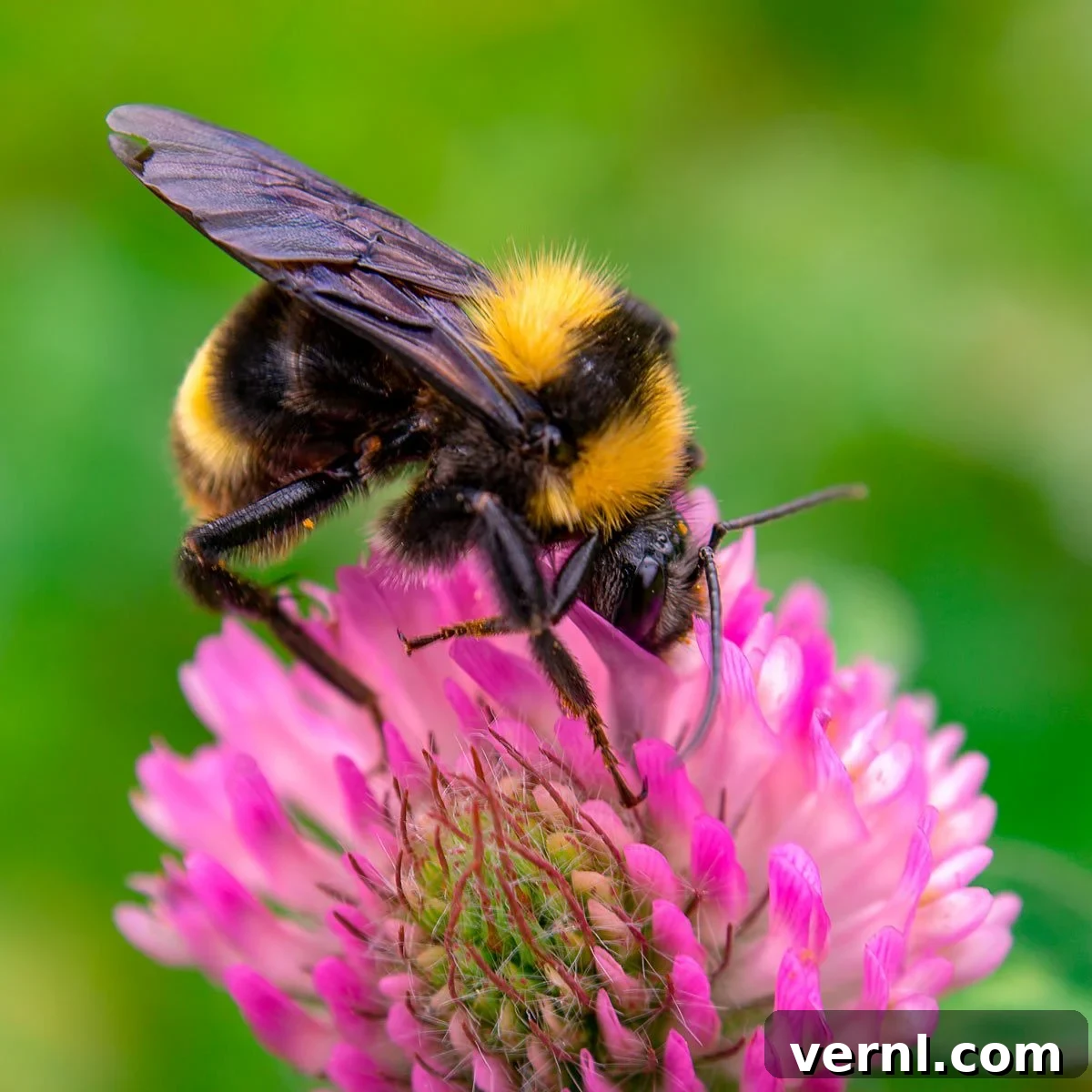
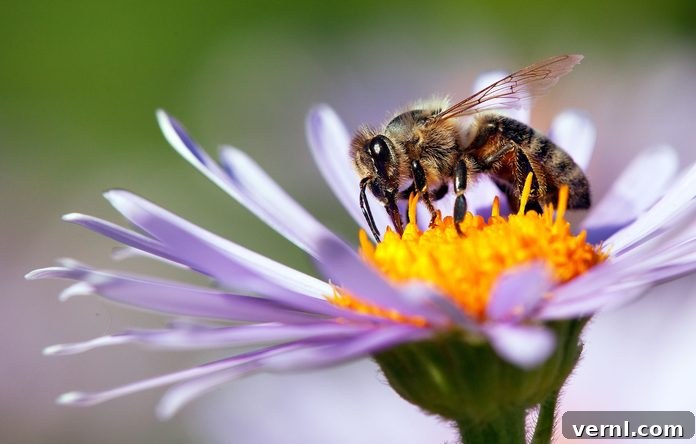
At the core of a bee’s existence, particularly that of the industrious honey bee and countless native bee species, lies an extraordinary purpose: pollination. This fundamental biological process is the engine of our natural world, facilitating the reproduction of flowering plants and, consequently, the production of much of the food we eat.
According to the Department of Entomology at Pennsylvania State University, pollinators like bees are instrumental in fertilizing plants. This fertilization leads directly to “the formation of seeds and the fruit surrounding seeds,” which are cornerstones of our global food supply. Without the diligent work of bees, the vast majority of fruits, vegetables, and nuts that adorn our tables would simply cease to exist. Indeed, a staggering three-quarters of our major food crops depend on pollinators. This reliance extends to an estimated 300,000 species of plants, encompassing roughly 80 to 95 percent of all plant species on Earth. The absence of these tiny workers would precipitate a catastrophic decline in crop yields, threatening food security on an unprecedented scale.
While bees are the most renowned pollinators, they are not alone in this vital task. Other creatures such as butterflies, various species of beetles, and even certain flies contribute significantly to pollination. Some birds and bats also play a role, particularly in tropical ecosystems. However, it is the diverse array of bee species – from social honey bees to solitary mason bees and bumblebees – that are uniquely adapted and celebrated as nature’s primary and most efficient pollinators for a wide spectrum of plants, forming the backbone of healthy ecosystems and agricultural productivity.
The Alarming Decline: Why Bees Are in Peril
Despite their critical importance, bee populations worldwide have been experiencing a distressing and alarming decline for many years. This crisis, often referred to as “colony collapse disorder” in the context of honey bees, extends to numerous wild and native bee species, posing a severe threat to both ecological balance and human well-being.
A study published by the University of Vermont revealed a startling 23 percent decline in the wild bee population between 2008 and 2013 alone. This significant reduction was particularly severe in 139 counties across key agricultural regions of the United States, including parts of California, the Pacific Northwest, the Midwest, west Texas, and the fertile Mississippi River valley. These areas, vital for agricultural output, experienced the most pronounced losses. Given that approximately 39 percent of U.S. croplands, encompassing beloved apple orchards and festive pumpkin patches, are reliant on pollinators, this decline represents a profound threat to our agricultural economy and access to nutritious food.
The causes of this global bee decline are multifaceted and interconnected. Habitat loss, driven by expanding urbanization and large-scale monoculture farming, removes the diverse floral resources and nesting sites bees need to survive. The widespread use of pesticides, particularly neonicotinoids, has been identified as a major contributor, directly harming bees’ nervous systems, impairing their foraging abilities, and compromising their reproductive health. Climate change introduces further stress through unpredictable weather patterns, altered flowering times, and increased susceptibility to diseases. Furthermore, the spread of parasites, such as the Varroa mite, and various pathogens continue to decimate bee colonies. Addressing these complex threats requires a concerted effort from individuals, communities, and governments alike.
How You Can Help: Simple Steps to Save Our Bees
The health of our planet and our food supply hinges on the well-being of bees. By actively engaging in bee conservation, we contribute to agricultural income and ensure a consistent supply of nutritious food. While industrial-level changes are crucial, your personal landscape offers a powerful platform for positive impact. There are tangible ways you can help save the bees right in your own backyard.
1. Embrace Coexistence: The “Leave Them Be” Philosophy
The most immediate and impactful action you can take is to simply don’t kill them. Bees are not inherently aggressive; most stings occur when they feel threatened or their nest is disturbed. Observe them from a respectful distance. If a bee is simply foraging, it poses no threat. Understanding their behavior helps to reduce fear and promotes coexistence. Remember, we need them far more than we need to be rid of them.
2. Create Safe Havens: Building Bee Homes and Habitats
If you find bees congregating too close to your patio or high-traffic areas, consider providing an alternative, more suitable home for them. This doesn’t necessarily mean becoming a beekeeper. You could build or purchase a beehive and strategically place it farther away from your immediate outdoor living spaces. While such a hive might not yield honey or beeswax for your personal use, it provides a crucial nesting site for honey bees. For solitary native bees, which often don’t live in large colonies, consider installing a “bee hotel” – a structure with hollow tubes or drilled blocks of wood. These simple accommodations offer vital shelter and nesting opportunities, encouraging beneficial pollinators to thrive in your area without disturbing your family activities.
3. Cultivate a Bee-Friendly Garden: A Buffet for Pollinators
One of the most effective and aesthetically pleasing ways to help bees is to plant the flora they adore. Introducing bee-friendly plants into your landscape transforms your garden into a vital food source and sanctuary. Opt for native plants that are well-adapted to your local environment, as they often provide the best nectar and pollen. Diversity is key: plant a variety of flowers that bloom at different times of the year – from early spring to late autumn – to ensure a continuous food supply. Examples include lavender, coneflowers, clover, sunflowers, cosmos, and fruit-bearing trees and shrubs. Critically, avoid using pesticides in your garden, as these chemicals are highly toxic to bees. Additionally, provide a shallow water source, like a bird bath with pebbles or marbles for bees to land on, allowing them to drink safely.
4. Support Sustainable Practices Beyond Your Garden
Your influence extends beyond your property line. Support local beekeepers by purchasing their honey and beeswax products. Choose organic produce when possible to minimize demand for pesticide-intensive farming. Advocate for policies that protect pollinators and promote sustainable agriculture in your community. Every choice, big or small, contributes to a larger movement for bee conservation.
Managing Bee Interactions: Enjoying Your Outdoors While Protecting Pollinators
It’s entirely possible to enjoy your patio and outdoor gatherings without conflict, even with a buzzing population nearby. While the initial instinct might be to eliminate them, adopting humane deterrent strategies can allow both humans and bees to coexist peacefully.
When hosting outdoor events, proactive measures can significantly reduce unwanted bee attention. Keep all food and sugary drinks covered when not actively serving. Promptly clean up any spills, as the sweet residue can be highly attractive. Consider strategically placing natural bee deterrents around your patio. Bees are often repelled by certain scents, such as peppermint oil, citronella (in candles or sprays), and cloves. You can place bowls of sliced cucumbers or crushed garlic, or even burn citronella candles, to create a scent barrier. Planting bee-deterring plants like mint, citronella grass, or marigolds near your outdoor living spaces can also help guide them away.
It’s also important to distinguish between bees and wasps. Wasps, particularly yellow jackets, are often more aggressive around human food and garbage, while bees are typically focused solely on nectar and pollen from flowers. If you have an active bee nest or swarm that poses a direct threat due to its proximity to your home or a high-traffic area, avoid attempting to remove it yourself. Instead, contact a local beekeeper or professional pest control service that specializes in humane bee relocation. They can safely move the colony to a more suitable environment, ensuring the bees’ survival while resolving your immediate concern.
For more specific tips on how to keep bees away from your personal space without harming them, a wealth of resources is available to help you maintain a harmonious balance.
Conclusion: A Future Buzzing with Life
Bees are far more than just insects; they are foundational to life on Earth as we know it. From the vibrant produce in our grocery stores to the lush biodiversity of our natural landscapes, their tireless work as pollinators underpins our very existence. The alarming decline in bee populations presents a stark warning, but it also offers an opportunity for collective action. By understanding their vital role, protecting their habitats, making mindful choices in our gardens and homes, and supporting broader conservation efforts, each of us can contribute significantly to securing a future where these tiny, powerful creatures continue to thrive. Let’s embrace coexistence and ensure that the gentle, life-giving buzz of bees remains a constant melody in our world.