
As a master herbalist, my journey into natural pet care was profoundly shaped by a harrowing experience with conventional flea preventatives. While many pet owners rely on these widely available products, my path diverged sharply after a traumatic event involving one of my own beloved dogs. This personal challenge fueled my dedication to researching and developing safer, natural alternatives, not just for my pets, but to share with others seeking a holistic approach to pet wellness.
Many years ago, a routine visit to our veterinarian led to my young terrier being prescribed a single flea and tick tablet from a prominent brand. What seemed like a simple preventative quickly escalated into a life-threatening emergency. Within hours, we were rushing to the veterinary clinic, my boy fighting for his life due to a severe adverse reaction to the medication. Thankfully, he survived, but the incident served as a stark, unforgettable reminder of the critical importance of understanding what we introduce into our pets’ bodies.
In the twelve years since that terrifying day, my dogs have remained flea-free and have collectively encountered only three ticks. This remarkable record was achieved without ever applying a single chemical flea product – a commitment I intend to uphold indefinitely. My experience inspired me to delve deep into the world of holistic veterinary medicine and conduct extensive personal research into herbal remedies and natural solutions.
Through dedicated study and hands-on experience with various herbs and natural compounds, I discovered readily available products and formulated my own effective remedies. These strategies not only helped get rid of fleas on a dog naturally but, more importantly, proactively kept fleas away from the outset, providing a peace of mind that chemical treatments couldn’t offer.
While my dog’s extreme reaction to oral flea medication is not universally common, it occurs with enough frequency to warrant serious attention from regulatory bodies. The U.S. Food and Drug Administration (FDA) released a fact sheet detailing the potential adverse effects associated with isoxazoline-class medications, highlighting concerns such as neurological reactions including tremors, ataxia, and seizures. It’s crucial for pet owners to understand that a severe reaction can manifest at any time, even if a pet has previously tolerated the drug without incident. This same cautious approach extends to topical products, with the Environmental Protection Agency (EPA) having issued warnings about the potential risks associated with spot-on flea and tick treatments. For me, the choice is clear: why expose our cherished companions to pesticides when an array of safer, proven natural alternatives exists?
Here, I am delighted to share the culmination of my research and experience: my favorite tried-and-tested natural flea control methods. These strategies focus on creating an environment where fleas simply cannot thrive, both on your pet and within your home and yard.
Effective Natural Remedies for Flea Prevention and Control in Dogs
Achieving comprehensive flea control naturally often requires a multi-pronged approach. Fleas are persistent pests with a complex life cycle, meaning targeting them at various stages and locations is key to success. My strategy involves treating not just my pets, but also my yard and home, making the entire property as inhospitable to fleas as possible. This holistic approach ensures that adult fleas are repelled or eliminated, and their eggs and larvae are prevented from developing, breaking the cycle of infestation.
Here are some of the most effective natural options I rely on:
Cedarwood: A Potent Natural Repellent and Killer
Cedarwood stands out as one of my absolute favorite natural flea preventatives and killers. Its distinct, strong aromatic scent is a powerful deterrent to a wide array of crawling and biting pests, including fleas, ticks, mosquitoes, and even ants. Beyond mere repulsion, cedarwood oil acts as a natural insecticide by suffocating fleas and other insects upon contact. This dual action makes it incredibly valuable in a natural pest management strategy.
There are numerous cedar-based products specifically formulated for flea and tick control that are deemed safe for dogs, cats, and humans when used as directed. My personal go-to, particularly before walks during peak flea season, is Cedarcide Original spray. This versatile brand also offers a range of products designed for various applications, including sprays for indoor use, as well as outdoor sprays, mulches, and granules for yard treatment. I frequently use the outdoor spray on my lawn not only for fleas but also to manage prolific ant populations, showcasing its broad-spectrum efficacy.
Diatomaceous Earth (DE): A Non-Toxic Mechanical Killer
Diatomaceous earth (DE) offers a wonderfully non-toxic and natural method for controlling fleas on dogs and within the home environment. This fine, white powder is composed of the fossilized remains of microscopic aquatic organisms known as diatoms. At a microscopic level, DE particles are incredibly sharp, acting like tiny shards of glass that scratch and penetrate the waxy exoskeletons of fleas and other insects. This mechanical action causes them to dehydrate and eventually die. Because its action is physical rather than chemical, fleas cannot develop resistance to DE.
It is absolutely imperative to use only food-grade diatomaceous earth for pet and indoor applications. Industrial-grade DE is treated differently and can be harmful. For application, lightly sprinkle food-grade DE on your dog’s bedding, carpets, rugs, and any other areas where fleas might be hiding or congregating. You can also carefully brush a small amount into your dog’s coat for added protection, taking extreme care to avoid their head, eyes, and face, as it can be drying and irritating to mucous membranes. A crucial warning: DE is a very fine powder and should not be inhaled by you or your pets, as it can cause respiratory irritation. Always apply in a well-ventilated area and consider wearing a mask.
I particularly favor DE because of its broad safety profile; it’s safe for both cats and dogs once settled, and its efficacy extends to outdoor use. Applied strategically in your yard, it can effectively kill infestations of fleas, ticks, ants, and various other crawling insects, providing a comprehensive barrier against pests.
Natural Flea Sprays: DIY and Commercial Options
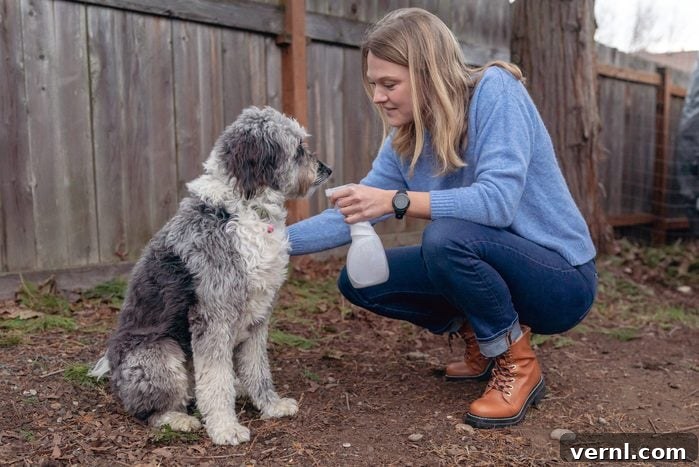
The market offers a respectable selection of natural flea sprays, but if you’re comfortable with herbal preparations, crafting your own can be an empowering and highly effective option. Over the years, I’ve observed that the efficacy of different products can vary based on individual pets, geographic location, and even seasonal changes. What proves highly effective one year might require slight adjustments the next, making experimentation a valuable part of the process.
I often prefer to prepare my own blend, relying on a very simple, essential oil-free recipe that harnesses the power of common herbs:
Ingredients
- One quart (approximately 1 liter) of filtered water;
- 1/2-cup raw apple cider vinegar (ACV) with the mother, known for its acidity and repellent properties;
- One generous sprig of fresh rosemary, prized for its insect-repelling scent;
- One generous sprig of fresh sage, another powerful aromatic repellent;
- One generous sprig of lavender, known for its calming properties and natural insecticidal qualities;
- One generous sprig of lemongrass (optional), adds an extra layer of repellent strength, particularly against mosquitoes and fleas.
Steps
- Combine all ingredients except the apple cider vinegar into a saucepan.
- Cover the saucepan with a lid and bring the mixture to a rolling boil over medium-high heat.
- Once the mixture reaches a boil, immediately remove it from the heat. Allow it to steep and cool completely in the covered saucepan overnight. This extended steeping time allows the therapeutic properties and aromatic compounds of the herbs to infuse thoroughly into the water.
- The following morning, strain out all the spent herbs from the liquid. Compost the herbs and then add the apple cider vinegar to the richly infused herbal water.
- Decant the finished spray into a clean spray bottle and store it in the refrigerator to maintain its freshness and potency.
This homemade herbal flea repellent can last for up to two weeks when refrigerated. I recommend applying it liberally to your dog’s coat before every outdoor excursion, paying special attention to the legs, belly, and tail area. It can also be safely used on their bedding as an additional layer of protection, creating an unfavorable environment for fleas.
For times when I’m short on time or traveling, I have experimented with various commercial products. One notable option that has yielded positive results is the Vet-formulated Kin+Kind spray, which has proven to be a reliable repellent.
Flea Prevention From the Inside Out: Nutrition and Gut Health
The concept of making your dogs inhospitable to fleas from the inside involves two fundamental pillars: superior nutrition and robust gut health. As a canine nutritionist, I firmly believe that a strong, healthy internal system is the first line of defense against parasites. My dogs thrive on a balanced, species-appropriate diet, specifically formulated to meet their biological needs. This dietary foundation is then augmented with a high-quality probiotic to support optimal gut health.
For my own companions, I rely on Adored Beast, which provides a solid, species-appropriate blend of beneficial bacteria. For dogs who might be particular about powdered supplements, alternative options like probiotic chews can be excellent. The principle is simple: healthy animals with strong immune systems and balanced gut microbiomes are inherently less appealing and more resistant to parasitic infestations.
Furthermore, you can actively make your dog taste bad to fleas by incorporating garlic into their daily diet. The notion that garlic is toxic for dogs is a pervasive myth stemming from an outdated study in the 1980s that has since been repeatedly and thoroughly discredited by modern research. When given in appropriate, small amounts, garlic acts as a natural systemic repellent. The compounds in garlic are metabolized and released through the skin and breath, creating an odor that fleas find highly unpleasant, effectively making your dog an unappetizing host.
Coconut Oil: Dual-Action Repellent and Skin Nourisher
Coconut oil is a remarkable natural remedy that offers both flea-killing properties and significant benefits for your dog’s skin and coat. When rubbed directly into your dog’s skin, it effectively kills fleas due to its high concentration of lauric acid. Lauric acid acts by dissolving the waxy protective coating on the flea’s exoskeleton, leading to dehydration and death. Beyond its insecticidal action, coconut oil is deeply nourishing, moisturizing dry skin, reducing itchiness, and promoting a healthy, shiny coat. Its natural antibacterial and antifungal properties can also help alleviate various skin irritations.
Coconut oil makes an excellent option to alternate with Diatomaceous Earth (DE) for a well-rounded internal and external prevention strategy. For instance, during peak flea season, you might apply DE one week and then switch to coconut oil the following week. This rotation ensures different mechanisms are at play and provides continuous protection while also offering diverse benefits to your pet’s skin and overall well-being.
Grooming: The Foundation of Flea Management
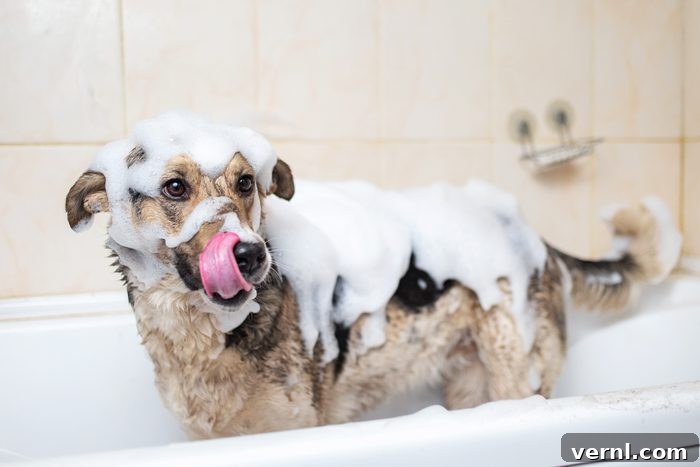
Consistent and thoughtful grooming is a fundamental pillar of natural flea control. A high-quality, natural flea shampoo can effectively dislodge and wash away fleas that have managed to bypass other defenses. Look for shampoos containing ingredients like cedarwood oil, peppermint oil, or citrus extracts, which are natural repellents. Coupled with the time-honored tradition of using an old-fashioned flea comb, you can physically remove any lingering fleas from your dog’s coat. When using a flea comb, always have a bowl of soapy water nearby to dip the comb into, trapping and killing any fleas you capture.
It’s vital to remember not to bathe your dogs too frequently. Over-bathing, even with natural shampoos, can strip their coat of essential natural oils and disrupt the delicate pH balance of their skin. This can lead to dry, irritated skin, making them more susceptible to skin issues and potentially even more attractive to parasites like fleas. A balanced grooming routine focuses on effectiveness without compromising skin and coat health.
Natural Collars and Spot-ons: Convenient Herbal Protection
The market for natural flea and tick collars and spot-on products has expanded significantly, offering pet owners more choices than ever before. While some of these products are genuinely effective and safe, others can be dubious at best. The key to successful utilization lies in thorough research and a critical evaluation of the ingredients.
If you opt for this route, make it a priority to investigate the active and inactive ingredients to ensure they are derived from natural sources and are proven safe for your specific pet. Look for products that utilize well-known botanical repellents such as essential oils of cedarwood, peppermint, lemongrass, or geranium. As a starting point, the Dr. Mercola brand consistently offers high-quality, reliable natural pet products. I have personally used their natural flea collars and spot-on for dogs with consistently good results, finding them to be an effective part of a comprehensive natural flea prevention strategy.
General Yard and Home Maintenance for Flea Prevention
Targeting fleas within your living environment – both indoors and outdoors – is just as critical as treating your pets directly. A successful natural flea control plan addresses all potential breeding grounds and hiding spots, ensuring a truly integrated pest management approach.
Yard Maintenance
For your yard, one highly effective and eco-friendly solution is the application of flea-killing nematodes. These microscopic, beneficial parasitic worms are a natural predator to flea eggs and larvae in the soil, effectively disrupting the flea life cycle before adult fleas can emerge. They are completely safe for pets, humans, and plants, making them an ideal choice for a family-friendly yard. Apply them when the soil is moist, typically after rain or watering, for optimal results.
As mentioned earlier, Cedarcide products and Diatomaceous Earth can also be strategically applied outdoors. Whichever method you choose, focus your application efforts on areas where your dogs spend the most time, such as shaded lounging spots, dog runs, or under trees, as these are prime locations for flea activity. If you’re dealing with a persistent problem, more targeted and frequent applications may be necessary.
Incorporating cedar mulch into your flower beds and around shrubs serves a dual purpose: it not only enhances the aesthetic appeal of your landscaping but also acts as a natural flea and tick repellent due to its strong aroma. Furthermore, simple yard hygiene practices are surprisingly impactful. Keeping your lawn cut short reduces hiding places for fleas, and maintaining a generally tidy yard, free of leaf litter, overgrown brush, and debris, eliminates potential breeding grounds.
Home Maintenance
Inside your home, regular vacuuming is arguably one of the most powerful weapons in the fight against fleas. Vacuuming frequently and thoroughly – paying special attention to carpets, rugs, upholstery, and the crevices around baseboards and furniture – can physically remove flea eggs, larvae, pupae, and adult fleas. The powerful suction can even destroy some fleas outright.
To amplify the effectiveness of your vacuuming, try a clever trick: cut off an extra piece of an herbal flea collar (or a small sachet of dried cedar chips or strong herbs like rosemary) and place it inside your vacuum bag or canister. As you vacuum, the scent will be dispersed, and any fleas or eggs sucked up will be exposed to the natural repellent, helping to kill them before they can escape. After vacuuming, always dispose of the vacuum bag or empty the canister contents into an outdoor trash bin immediately to prevent any trapped fleas from re-infesting your home.
Regular and diligent vacuuming truly works wonders in reducing flea populations within your home. Additionally, it’s a good practice to regularly wash your pet’s bedding in hot water and spray it with a gentle, natural repellent, such as the homemade herbal spray, to maintain an unfriendly environment for fleas.
Adopting a natural and holistic approach to flea prevention is not just about avoiding harsh chemicals; it’s about fostering overall pet health and creating a safer living environment for everyone. By combining diligent grooming, thoughtful nutrition, and effective natural remedies for both your pets and your surroundings, you can proactively protect your beloved companions from fleas and ticks, ensuring their well-being and your peace of mind.