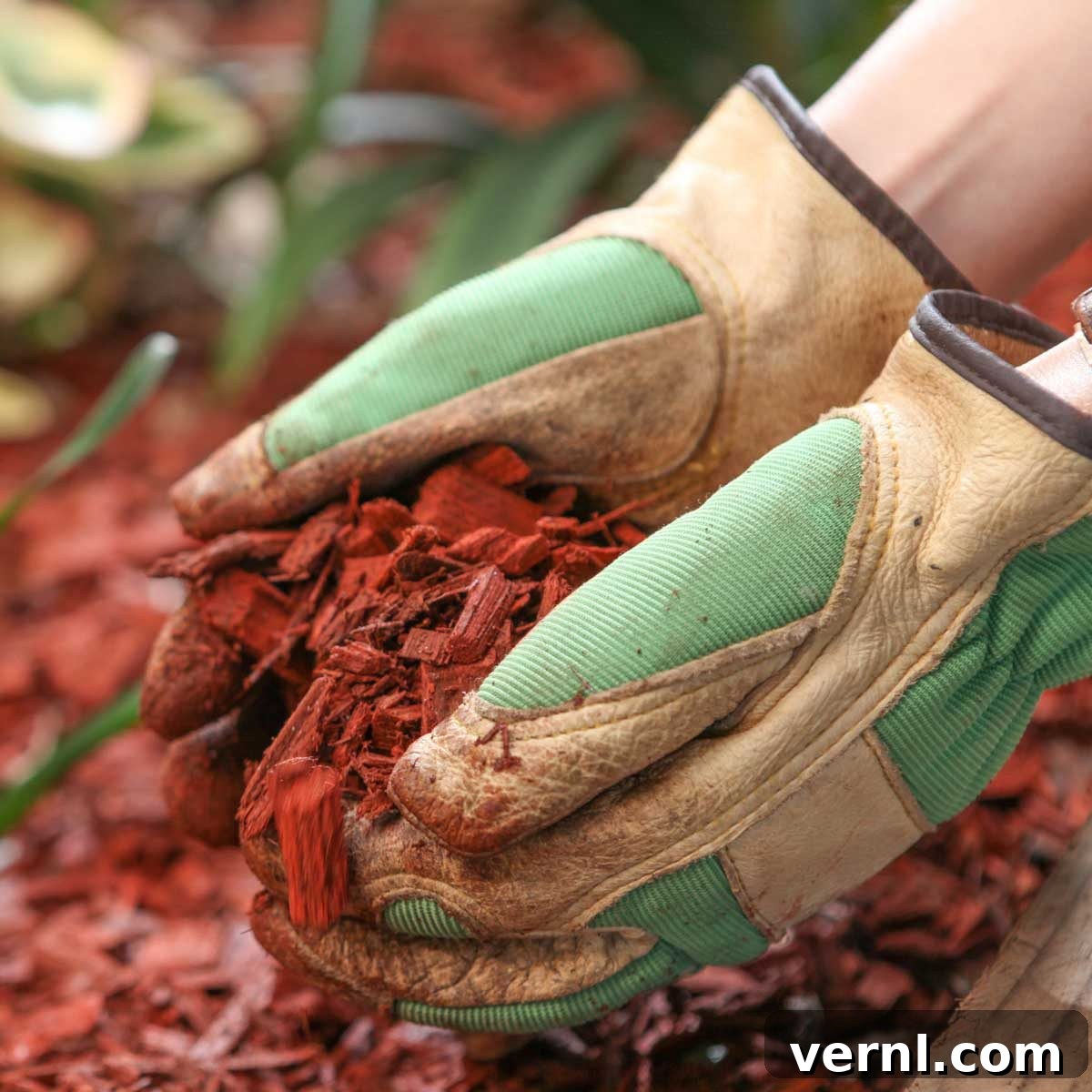
The question of how often to remove and replace mulch in your garden or landscape beds is a common one, and the short answer often surprises many: rarely. For most homeowners and gardeners, a complete overhaul of your mulching strategy is seldom necessary. Instead, the focus should typically be on replenishing organic mulches as they naturally break down over time, enriching your soil in the process. Inorganic mulches, such as stones, marble chips, or lava rock, have a longer lifespan and usually only require removal for specific landscaping projects, excavation work, or in situations where practical considerations dictate, like when your dog develops a taste for it. Beyond these scenarios, the laborious task of raking up existing mulch and replacing it entirely is generally unwarranted.
However, this doesn’t mean your mulch beds are entirely hands-off. Regular inspection and thoughtful maintenance are key to ensuring your mulch continues to perform its vital functions effectively. This includes understanding the specific needs of different mulch types, knowing when to top up organic layers, and how to refresh the appearance of older mulch without undertaking a full replacement.
The Enduring Benefits of Mulching Your Garden
Before delving into the specifics of mulch maintenance, it’s worth reiterating why mulching is such a fundamental practice in gardening and landscaping. A well-applied layer of mulch offers a multitude of advantages, contributing significantly to plant health, soil vitality, and the overall aesthetic appeal of your outdoor spaces.
Soil Health and Fertility
Perhaps the most significant benefit of organic mulch is its positive impact on soil health. As organic materials like wood chips, bark, or leaves decompose, they gradually release essential nutrients into the soil. This natural process acts as a slow-release fertilizer, continuously feeding the soil and improving its structure. It enhances aeration, making it easier for plant roots to penetrate, and promotes the activity of beneficial soil organisms such as earthworms, microbes, and fungi. These organisms are crucial for nutrient cycling and creating a robust, living soil ecosystem.
Superior Moisture Retention
Mulch acts as a protective barrier on the soil surface, significantly reducing water evaporation caused by sun and wind. This means the soil stays moist for longer periods, even during hot, dry spells. For gardeners, this translates into less frequent watering, conserving water resources, and ensuring plants have consistent access to the hydration they need to thrive. It’s particularly beneficial in arid climates or during periods of drought, providing a critical buffer against stress for your plants.
Effective Weed Suppression
A properly applied layer of mulch is one of the most effective non-chemical methods for controlling weeds. By blocking sunlight from reaching weed seeds, mulch prevents them from germinating and growing. For any weeds that do manage to sprout, the mulch layer makes them much easier to pull. This reduces the time and effort spent on weeding, allowing gardeners to focus on other aspects of plant care and enjoyment.
Temperature Regulation
Mulch provides insulation for the soil. In summer, it helps to keep soil temperatures cooler, preventing sensitive roots from overheating and reducing stress on plants. In winter, it insulates the soil from freezing temperatures, protecting roots from frost damage and temperature fluctuations. This thermal regulation creates a more stable and hospitable environment for root development throughout the year.
Aesthetic Enhancement
Beyond its practical benefits, mulch also plays a crucial role in enhancing the visual appeal of your garden. A neat, uniform layer of mulch creates a polished and cohesive look, defining garden beds and making plants stand out. It can add color, texture, and contrast to your landscape, transforming an ordinary garden into a beautiful and well-maintained outdoor sanctuary.
Understanding Organic Mulches: Replenishment and Renewal
Organic mulches are derived from natural materials that were once living, such as wood, bark, leaves, and straw. Their inherent characteristic is that they are designed to decompose, returning valuable organic matter to the soil. This decomposition is a feature, not a flaw, but it does necessitate periodic replenishment.
The Natural Cycle of Decomposition
The process by which organic mulches break down is a complex and fascinating aspect of nature. Microorganisms, fungi, and insects like earthworms actively consume and transform the mulch material into nutrient-rich humus. This continuous infusion of organic matter into the soil is what gradually improves its structure, increases its water-holding capacity, and boosts its fertility. It’s a fundamental aspect of healthy soil management, turning what might seem like waste into a valuable resource for your plants.
When and Why to Replenish Organic Mulch
Because organic mulches are constantly undergoing decomposition, they will naturally diminish in volume over time. For most types of wood-based mulches, you can expect to replenish them every three to four years. However, this timeframe is not rigid and can vary significantly based on several factors.
Factors Influencing Decomposition Speed
- Mulch Type: Finer materials like shredded leaves or grass clippings break down much faster, often requiring annual replenishment. Coarser, denser mulches like large bark nuggets or cedar chips decompose more slowly, lasting longer.
- Climate: Warm, humid climates with ample moisture accelerate decomposition, as microorganisms are more active. In cooler or drier regions, the process tends to be slower.
- Soil Activity: Gardens with a rich, active soil ecosystem teeming with earthworms and beneficial microbes will break down mulch more quickly than compacted or less biologically diverse soils.
- Original Mulch Depth: A thicker initial layer of mulch will naturally last longer before needing a top-up, simply because there’s more material to decompose.
Aside from natural decomposition, mulch also needs to be replenished when some of it physically washes away. This problem is particularly common in areas with sloped terrain, during heavy rainfalls, or in garden beds located near drainpipes and downspouts. Lightweight bark chips are especially prone to displacement by water, scattering across paths or being carried away. Shredded mulches, with their interlocking fibers, tend to hold their position better, offering greater stability on inclines.
Addressing Mulch Wash-Away
To mitigate mulch loss on slopes, consider using shredded bark or wood products that interlock, or even incorporating jute netting beneath the mulch to help anchor it. Building small berms or terraces can also reduce erosion and keep mulch in place. For areas near drainage points, directing water flow away from mulched beds or using heavier, less mobile inorganic mulches might be practical solutions.
Popular Organic Mulch Varieties and Their Characteristics
The choice of organic mulch greatly influences its longevity and specific benefits.
Wood Chips and Shredded Bark
These are among the most popular options, derived from various tree species. Cedar and cypress mulches, for example, are known for being rot-resistant and breaking down more slowly than other organic mulches. They also possess natural oils that can be less attractive to certain insects, though claims of universal insect repellency are often exaggerated. Many municipalities offer free wood chip mulch, often a byproduct of tree maintenance. While a cost-effective option, its quality can vary, sometimes containing debris from foliage and pine needles. This is usually biodegradable and not harmful, but some gardeners find it detracts from a clean, uniform look.
Shredded Leaves and Composted Materials
Shredded leaves are an excellent, free, and readily available mulch source. They break down relatively quickly, typically needing annual replenishment. Oak leaves are an exception, decomposing more slowly and potentially lasting a couple of years. Composted leaves, along with other composted organic materials, offer an additional boost of nutrients to the soil as they break down, making them highly beneficial for enriching garden beds.
Straw and Grass Clippings
Straw is particularly favored in vegetable gardens for its ability to suppress weeds and retain moisture, though it needs frequent replenishment. Grass clippings, if applied in thin layers, can also serve as mulch, but caution is advised to avoid thick, matting layers that can become anaerobic and harbor diseases. Always ensure grass clippings are free of herbicides before applying them to garden beds.
Managing Inorganic Mulches: Removal and Maintenance
Inorganic mulches, such as gravel, pebbles, river rock, lava rock, and even recycled rubber, do not decompose. This characteristic makes them incredibly durable and long-lasting, requiring virtually no replenishment. Their role is primarily aesthetic, temperature regulation, and weed suppression.
Types and Their Durability
Stones and gravel provide excellent drainage and can be very effective in xeriscaping or areas where a permanent, low-maintenance solution is desired. Rubber mulch, made from recycled tires, is another durable option that maintains its color for many years. Landscape fabric, often used beneath inorganic mulches, acts as an additional weed barrier and prevents stones from sinking into the soil.
Reasons for Inorganic Mulch Removal
Unlike organic mulches, inorganic materials rarely need to be replaced due to decomposition. However, there are specific scenarios where removal becomes necessary:
- Landscaping Changes: If you’re redesigning your garden, adding new beds, or altering pathways, the existing inorganic mulch might need to be removed to accommodate the new layout.
- Excavation or Construction: Any underground work, such as laying pipes, installing irrigation, or building foundations, will necessitate temporary or permanent removal of the mulch in that area.
- Contamination or Accumulation: Over time, inorganic mulches can accumulate debris, fallen leaves, or soil, making them look dirty. While often cleanable, sometimes a complete removal and replacement might be chosen for a fresh start, or if the material has migrated excessively.
- Pet Issues: As humorously mentioned, if your dog starts eating the mulch, especially rubber or small pebbles, it can pose a health risk, prompting removal.
Maintenance for Lasting Appeal
While durable, inorganic mulches aren’t entirely maintenance-free. They can accumulate dust and debris, and weeds can still sprout through gaps or from wind-blown seeds landing on top. Regular sweeping, raking, or even rinsing with a hose can keep them clean. Occasionally, pulling stray weeds is necessary. For deeper cleaning, a leaf blower or even a pressure washer on a low setting can revitalize their appearance.
Reinvigorating Your Mulch: Beyond Simple Replenishment
One of the main reasons gardeners consider replacing mulch is due to aesthetic changes. Over time, organic mulches, especially wood-based varieties, tend to fade, turning a dull grayish hue. This natural process is not a problem for plant health, but for those who value vibrant color in their landscape, it can be less appealing.
Combatting Fading and Discoloration
Fading is primarily caused by exposure to ultraviolet (UV) light from the sun and the natural decomposition process. The colorful pigments in fresh mulch gradually break down, leading to a muted appearance. While some embrace this weathered look, others prefer the crisp, rich tones of new mulch.
The Debate Over Dyed Mulches
To counteract fading, many manufacturers offer dyed mulches, available in shades of red, black, or brown. These mulches retain their color longer than natural varieties. However, dyed mulches come with caveats. While many modern dyes are plant-based and considered safe, some older or cheaper products might use chemical dyes that can leach into the soil. There’s ongoing debate about their potential impact on soil organisms, particularly earthworms, and potential effects on plant health, although conclusive evidence of significant harm is often limited. When in doubt, opting for natural, undyed mulch is the safest choice for your garden’s ecosystem and your family’s pets.
Techniques for Aesthetic Revival
Instead of removing and replacing all your faded mulch, consider these revitalizing techniques:
- Raking and Turning: A simple solution for mildly faded mulch is to rake it thoroughly. This brings the less-exposed, more colorful layers from underneath to the surface, instantly refreshing its look.
- Top Dressing: For more significant fading, apply a thin, fresh layer (about 1 inch) of new mulch over the existing, older layer. This provides a fresh burst of color without the need to remove and dispose of the underlying material, saving time and resources.
Essential Mulching Tips for a Thriving Garden
Applying mulch correctly is just as important as choosing the right type. Avoiding common mistakes can prevent problems and maximize the benefits for your plants.
The Critical Rule of Mulch Depth
The most common mulching mistake is applying too much. An overly thick layer of mulch, often exceeding 3-4 inches, can be detrimental. It can prevent rainwater from penetrating the soil, especially during lighter rainfalls, starving plants of essential moisture. Thickly applied organic mulches can also stick together, forming a dense mat that repels water. Furthermore, deep organic mulch layers can become moldy and decompose anaerobically (without oxygen), releasing chemicals that are harmful to plants, sometimes referred to as “sour mulch.”
To avoid these issues, aim for a mulch layer of approximately two to three inches deep for most plants. For larger trees, a slightly deeper layer of three to four inches might be acceptable, but never create a “mulch volcano” around the trunk. A thin layer of one to two inches is often sufficient for annuals and delicate perennials.
Strategic Mulch Placement
While mulch is beneficial, its placement around plants is crucial. Always keep mulch several inches away from plant stems and tree trunks. Mulch piled directly against a stem or trunk can trap moisture, encouraging rot, fungal diseases, and providing an ideal hiding place for pests like voles and insects that can damage bark. Instead, create a shallow “saucer” or ring of mulch around the plant, leaving a small, open space around the stem. This saucer will help to collect irrigation water and direct it down to the roots, ensuring efficient watering.
Understanding Nitrogen Depletion
Fresh wood chips, particularly those that are not aged, can cause a temporary shortage of nitrogen in the soil, a phenomenon known as “nitrogen robbing” or “nitrogen tie-up.” This occurs because the microorganisms responsible for breaking down the carbon-rich wood chips require nitrogen. They draw nitrogen from the surrounding soil to fuel their activity, temporarily making it unavailable to plants. This effect is more noticeable when mulching annuals and perennials, which have a high nitrogen demand, compared to woody plants that are less sensitive. To mitigate this, consider:
- Using aged or partially composted wood chips.
- Adding a layer of nitrogen-rich compost or a slow-release nitrogen fertilizer beneath the fresh wood chips.
- Mixing a nitrogen-rich organic material, like grass clippings, with the wood chips.
Choosing the Right Mulch for the Job
Different mulches excel in different situations:
- Weed Suppression: Shredded bark, wood chips, and landscape fabric are excellent.
- Moisture Retention: Straw, shredded leaves, and finely shredded bark are highly effective.
- Pest Control: While not a guarantee, cedar and cypress mulches are often touted for their natural pest-deterring properties, though their effectiveness can vary.
- Vegetable Gardens: Straw, grass clippings (thin layers), and compost are popular for their soil-enriching properties and ease of integration into the soil at the end of the season.
- Ornamental Beds: Wood chips, bark nuggets, and decorative gravel offer long-lasting aesthetic appeal.
Final Thoughts on Mulch Longevity and Care
Ultimately, how often you interact with your mulch depends on its type, your gardening goals, and your aesthetic preferences. While complete removal and replacement are rarely necessary, understanding the dynamics of organic decomposition and the durability of inorganic options allows for intelligent maintenance. By focusing on replenishment, smart application, and occasional aesthetic rejuvenation, you can keep your garden beds looking pristine and functioning optimally for years to come, without the constant labor of a full mulch overhaul. Embrace the cycle of nature for organic mulches and the enduring stability of inorganic ones, and your garden will thank you.
Next: Discover everything you need to know about using gravel mulch in the garden.