
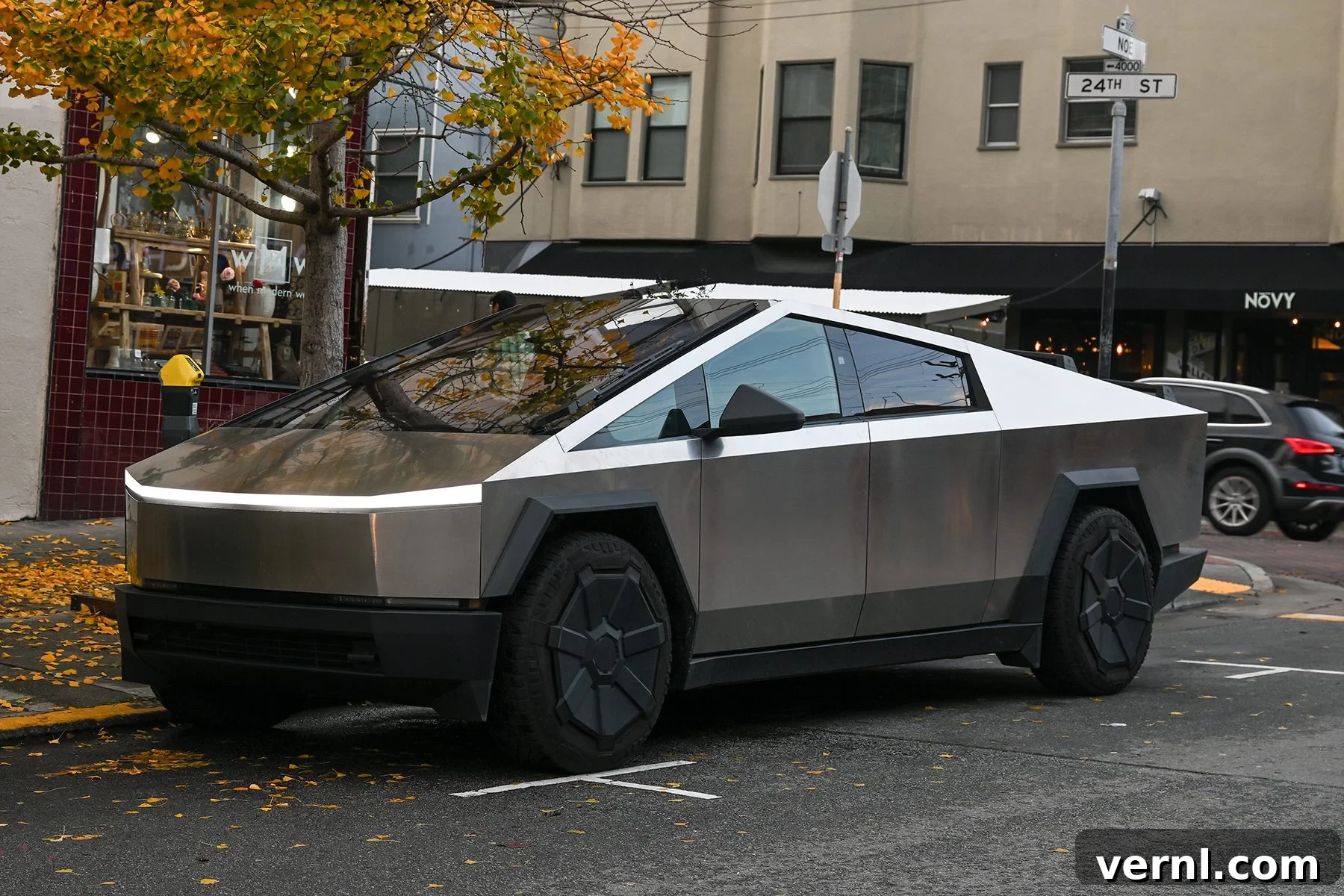
Tesla Cybertruck Recalls: A Comprehensive Overview of Safety Challenges and Solutions
The Tesla Cybertruck, with its strikingly futuristic, angular design and bold promises of revolutionary performance and unparalleled durability, has been a focal point of discussion and anticipation within the automotive world since its initial unveiling in 2019. Its journey from an audacious concept to its first customer deliveries in November 2023 was filled with immense public interest, polarizing opinions, and a unique position at the forefront of the electric vehicle revolution. Yet, as with any groundbreaking vehicle that pushes technological and manufacturing boundaries, the Cybertruck’s early operational phase has encountered its share of challenges. A notable aspect of this period has been a series of recalls, underscoring the complexities inherent in bringing such an innovative and high-profile product to market. To date, the Cybertruck has experienced a total of six distinct recalls, reflecting the rigorous safety standards and continuous improvement cycles prevalent in the modern automotive industry.
While vehicle recalls are a commonplace and necessary part of the automotive landscape—affecting manufacturers across the spectrum from luxury brands to mass-market producers—those involving Tesla often attract a disproportionately higher level of media attention and public scrutiny. This intensified focus is partly attributable to Tesla’s highly dedicated global fanbase and its equally vocal critics, who keenly follow every development. Furthermore, Tesla’s pioneering use of over-the-air (OTA) software updates for many of its remedies introduces a new dimension to recall management, distinguishing its approach from traditional automakers. These recalls, whether resolved digitally or through physical service interventions, serve as vital indicators of ongoing safety considerations and the critical role of regulatory oversight. Let’s explore a detailed chronological history of the Tesla Cybertruck’s recalls, examining each specific issue, its potential risks, and Tesla’s implemented solutions.
January 2024: Instrumental Panel Readability Issue
The first significant recall affecting the Cybertruck, initiated early in January 2024, addressed a crucial safety concern related to the vehicle’s digital instrumental panel. This particular issue was not isolated to the Cybertruck but extended across a broader range of Tesla vehicles, highlighting a systemic software or design oversight. The core problem stemmed from the inadequate visibility and size of essential warning lights, specifically the indicators for the brake system, park status, and the antilock brake system (ABS). These critical safety alerts were determined to be excessively small and, consequently, challenging for drivers to discern quickly and clearly while operating the vehicle. In dynamic driving conditions, the inability to instantly recognize or read such vital warnings poses a significant risk, potentially leading to delayed driver responses during emergencies or an unawareness of critical system malfunctions.
Tesla promptly acknowledged the potential hazard, recognizing that compromised visibility of these indicators could impede drivers from receiving timely notifications about essential vehicle operational states, thereby elevating the risk of accidents. To rectify this safety lapse, Tesla initiated a software-based recall. This allowed for an immediate and widespread resolution through an over-the-air update, which adjusted the display parameters to make these warning lights more prominent, legible, and easier to interpret. This enhancement significantly improved overall driver awareness and safety, underscoring the vital importance of clear, intuitive interface design, particularly for safety-critical information presented within the sophisticated cockpits of modern vehicles.
April 2024: Faulty Accelerator Pedal Mechanism
Just a few months following its initial recall, in April 2024, the Cybertruck faced its second safety campaign, this time concerning a fundamental mechanical component: the accelerator pedal. The recall was prompted by the discovery of a manufacturing defect where the accelerator pedal was found to be susceptible to dislodging or coming loose when subjected to high force or stress. This critical failure could manifest during rapid acceleration, sudden maneuvers, or even under routine but firm pedal pressure, where the pedal might experience unusual lateral or vertical forces. A loose or detached accelerator pedal constitutes a severe safety hazard, as it directly compromises a driver’s ability to precisely control the vehicle’s speed. Imagine attempting to accelerate out of harm’s way or maintain a consistent speed on a highway, only for the pedal to malfunction, leading to an unpredictable or unresponsive vehicle. Such a scenario could easily result in a loss of vehicle control, dramatically increasing the likelihood of collisions.
In response to this grave issue, Tesla took decisive and immediate action, engineering a robust solution. The company initiated a physical recall to ensure the proper reinforcement and securement of the accelerator pedal mechanism in all affected vehicles. This repair, involving a visit to a service center, directly addressed the root cause of the problem, effectively preventing the pedal from dislodging and restoring predictable, reliable vehicle control for drivers. The nature of this mechanical recall highlighted the intricate challenges of large-scale manufacturing and the paramount importance of robust design, stringent quality control, and rigorous testing for all vehicle components, especially those directly interfacing with driver inputs and impacting vehicle dynamics.
June 2024 (First Recall): Detachable Trim Pieces
June 2024 proved to be an exceptionally busy month for the Cybertruck’s recall schedule, with two distinct issues requiring urgent attention. The first recall in June involved certain exterior trim pieces of the vehicle. The Cybertruck’s distinctive, angular aesthetic incorporates various trim elements, and it was discovered that these pieces could potentially detach from the vehicle while in motion. The risk associated with detached trim pieces is multifaceted: primarily, they pose a significant road hazard to other motorists. A piece of flying debris, especially originating from a vehicle as substantial and unique as the Cybertruck, could cause damage to windshields, bodywork, or even directly injure other drivers, motorcyclists, or pedestrians. Secondly, the detachment could expose internal components to environmental elements, potentially leading to further damage, corrosion, or compromised structural integrity over time. While seemingly a cosmetic issue, its potential to cause injury or further accidents elevated it to a serious safety concern.
Recognizing the potential for this issue to escalate into a serious safety hazard, Tesla swiftly initiated a recall. The company’s remedy involved either reinforcing the existing trim parts to ensure their secure attachment or replacing them entirely with improved components engineered to withstand various driving conditions, aerodynamic forces, and road vibrations. This recall underscored the meticulous standards applied to every aspect of a vehicle’s design and manufacturing, emphasizing that even non-structural or aesthetic elements must be securely integrated to prevent hazards to the public. It also reflected Tesla’s proactive commitment to addressing both obvious and more subtle safety risks identified post-launch, reinforcing the brand’s dedication to product integrity.
June 2024 (Second Recall): Front Windshield Wiper Motor Failure
The second recall announced in June 2024 tackled another critical component vital for driver safety and visibility: the front windshield wiper motor. Tesla identified a significant flaw where the wiper motor was susceptible to failure resulting from electrical overstress. This defect meant that the windshield wipers, which are absolutely essential for maintaining clear visibility in adverse conditions, could unexpectedly cease functioning mid-operation. The implications of such a failure are particularly severe during inclement weather—be it heavy rain, snow, sleet, or even dense fog—where unobstructed visibility is not merely a convenience but a paramount requirement for safe driving. A sudden and unexpected loss of wiper function can effectively blind a driver, dramatically increasing the risk of accidents by impeding their ability to see the road ahead, identify other vehicles, and react to obstacles or sudden changes in traffic.
To mitigate this substantial safety risk, Tesla promptly recalled affected vehicles. The prescribed solution involved replacing or repairing the faulty wiper motors, ensuring that the new or rectified units could reliably withstand normal operational stresses without succumbing to electrical overload. This recall highlighted the intricate balance between advanced electrical systems and fundamental mechanical reliability within modern vehicles. It also demonstrated the critical importance of every component, no matter how seemingly mundane, in contributing to the overall safety profile of a sophisticated electric truck like the Cybertruck. Ensuring reliable visibility under all driving conditions is a non-negotiable aspect of vehicle safety, and Tesla acted decisively to uphold this fundamental standard, ensuring drivers have unimpeded vision.
September 2024: Loss of Backup Camera Feed
The Cybertruck’s fifth recall, announced in September 2024, focused on a software-related issue that directly compromised driver safety and convenience: the intermittent or complete loss of the backup camera feed. Modern vehicles, and particularly advanced models like those from Tesla, are heavily reliant on sophisticated technological features that serve both convenience and critical safety functions. The backup camera has become an indispensable tool, offering drivers crucial visual information about their immediate surroundings when reversing. This significantly reduces blind spots, minimizes the risk of collisions with unseen objects, parked vehicles, pedestrians, or even small children. A malfunction leading to the loss of this vital feed severely compromises a driver’s ability to safely maneuver the vehicle in reverse, especially in tight spaces or busy environments.
Given Tesla’s core expertise in software development and its robust over-the-air update capabilities, the remedy for this recall was a firmware update. This digital solution allowed Tesla to remotely push the necessary patch directly to affected vehicles, correcting the software glitch responsible for the inconsistent or absent backup camera feed. This approach powerfully showcased one of Tesla’s key advantages in recall management: the ability to resolve certain software-centric issues without requiring owners to bring their vehicles to a physical service center. This minimizes inconvenience for owners and significantly speeds up the resolution process. This recall underscored the growing and profound reliance on sophisticated software systems in modern automotive safety and the critical need for robust coding, rigorous testing, and continuous validation to prevent such critical operational failures.
November 2024: Risk of Loss of Drive Power
The latest, and perhaps most significant and potentially concerning, recall for the Cybertruck was issued in November 2024. This recall addresses a critical mechanical and electrical fault: the risk of an unexpected and sudden loss of drive power to the wheels. This severe issue originates from a faulty drive inverter, which is a vital component responsible for converting the high-voltage direct current (DC) power from the battery into alternating current (AC) power needed to drive the electric motors. A malfunction in this crucial drive inverter means that the driver could suddenly lose the ability to apply torque to the wheels via the accelerator pedal. While the vehicle would not immediately come to a complete halt, it would begin to slow down due to kinetic energy dissipation and potentially regenerative braking (if active), rendering it impossible for the driver to maintain speed or accelerate. This scenario significantly amplifies the risk of a rear-end collision, particularly on high-speed roads, highways, or in dense urban traffic, as following vehicles might not anticipate a sudden, uncommanded deceleration from a vehicle in front.
Tesla has confirmed that this particular recall impacts approximately 2,400 Cybertrucks produced within a specific window, between November 6, 2023, and July 30, 2024. This production range covers a substantial portion of the early Cybertruck units delivered. While Tesla stated it is currently unaware of any reported collisions, crashes, or injuries directly linked to this specific drive inverter defect, the potential for serious safety incidents is undeniably high. Owners of affected trucks can expect to be notified, with Tesla commencing the free replacement of the faulty drive inverter starting on or shortly after December 9, 2024. This physical component replacement underscores that while software fixes are a unique strength for Tesla, critical hardware issues still necessitate traditional service interventions. This recall emphasizes the complex interplay of advanced power electronics and robust mechanical systems in modern electric vehicles, and the crucial role each plays in ensuring both vehicle safety and peak performance.
The Broader Implications of Cybertruck Recalls for Tesla and the Industry
The series of recalls for the Tesla Cybertruck, while a common occurrence for any newly introduced vehicle model, carries significant implications for both Tesla as a company and the broader automotive industry. For Tesla, each recall—whether resolved through a convenient OTA software update or a more traditional physical service visit—contributes to the ongoing narrative surrounding the quality control, engineering rigor, and development cycle of its innovative products. In an era of intense competition and evolving consumer expectations, maintaining unwavering consumer confidence, especially for a vehicle as iconic, polarizing, and highly anticipated as the Cybertruck, is paramount. While the capability to push software fixes remotely can undoubtedly soften the immediate impact of some recalls by minimizing owner inconvenience, hardware-related issues still demand traditional service interventions, which can pose considerable logistical challenges for a high-volume manufacturer operating at a global scale.
Furthermore, these incidents serve as a powerful reminder that even cutting-edge electric vehicles, despite their advanced technology, sophisticated software, and innovative designs, are not immune to the fundamental engineering, manufacturing, and supply chain challenges that confront the entire automotive sector. The diligent oversight provided by regulatory bodies such as the National Highway Traffic Safety Administration (NHTSA) in the United States ensures that potential defects are systematically identified, thoroughly investigated, and proactively addressed, thereby safeguarding public safety. As the automotive industry continues its rapid and transformative transition towards widespread electrification, increased connectivity, and advanced autonomous capabilities, the processes for vehicle design, rigorous testing, and comprehensive post-launch support will only become more critical and complex. The Cybertruck’s recall history, therefore, serves as a valuable and ongoing case study in the continuous evolution of vehicle development, safety standards, and consumer protection in the 21st century automotive landscape.
Conclusion: Prioritizing Safety in Automotive Innovation
The Tesla Cybertruck’s journey from a bold, futuristic concept presented on stage to a tangible vehicle now driving on our roads has been nothing short of extraordinary and trailblazing. However, its initial phase has also served as a clear and unambiguous demonstration that innovation, no matter how revolutionary or disruptive, must always proceed hand-in-hand with an unwavering commitment to safety, meticulous quality control, and rigorous testing. The Cybertruck’s sequence of recalls, which have addressed issues ranging from minor exterior trim components to potentially critical losses of drive power, vividly underscore the continuous and inherent challenges in bringing complex new technologies and manufacturing processes to the mass market.
While these recall events are indeed a normal and expected part of the automotive product lifecycle, Tesla’s often proactive approach to identifying and swiftly addressing them—frequently leveraging its unique and industry-leading over-the-air update capabilities—is absolutely crucial for maintaining driver trust, upholding brand reputation, and ultimately ensuring public safety. Ultimately, these recalls should not be viewed merely as a list of problems or setbacks, but rather as a testament to an ongoing process of continuous improvement, adaptation, and adherence to stringent safety benchmarks. They highlight the rigorous safety standards that all vehicles, including those from pioneering and innovative brands like Tesla, must consistently meet. As the Cybertruck continues to evolve and mature, these early challenges will undoubtedly contribute to the development of an even more refined, robust, and reliable vehicle, continually reaffirming that the pursuit of groundbreaking design and performance must always be meticulously balanced with the paramount importance of occupant and general road safety for everyone.
Sources and Further Reading
- NHTSA.gov: Instrumental panel recall (24V-051)
- NHTSA.gov: Faulty Accelerator Pedal recall (24V-276)
- NHTSA.gov: Trim Pieces recall (24V-457)
- NHTSA.gov: Windshield Wiper Motor recall (24V-456)
- NHTSA.gov: Backup Camera Feed recall (24V-718)
- NHTSA.gov: Loss of Drive Power recall (24V-832)