Sunroofs vs. Moonroofs: A Comprehensive Guide to Open-Air Driving Features
The journey of the automobile, from its nascent stages to the sophisticated machines we drive today, has been marked by a constant evolution in design, comfort, and functionality. Early horseless carriages, often simple and utilitarian, were open-air vehicles, more a novelty than a practical mode of transport. As automotive technology advanced and the need for greater protection from the elements became clear, closed-body cars emerged, becoming more affordable and widespread after World War I. By the early 1920s, these enclosed motor vehicles dominated American roads, setting a new standard for daily commuting.
Yet, the inherent human desire for the sensation of the open road, the fresh air, and the sunlight persisted. This yearning led to innovative solutions, such as the introduction of sliding “sunshine” roofs in the late 1920s. These early precursors to modern sunroofs offered a taste of the open air without the full commitment of a convertible. The mid-20th century, particularly the 1950s and 60s, became the golden age for convertibles, celebrated for their unrestricted open-air experience. During this period, the more modest sliding roofs temporarily receded in popularity.
However, the tides turned again in the 1970s. Significant advancements in factory air conditioning made convertibles less essential for cooling, while increasingly stringent government rollover safety regulations and economic pressures of auto manufacturing led to the decline of most convertible models. This shift reignited demand for alternatives that could offer an open-air feel without compromising structural integrity or comfort. This resurgence paved the way for the modern sunroof and moonroof. While often used interchangeably in common parlance, these two popular automotive features have distinct differences that are important for car buyers and enthusiasts to understand.
What’s the Difference Between a Sunroof and a Moonroof?
Understanding the distinction between a sunroof and a moonroof is key to appreciating their unique features and benefits. Although both offer an enhanced driving experience by bringing more light and air into the cabin, their design, functionality, and historical evolution set them apart.
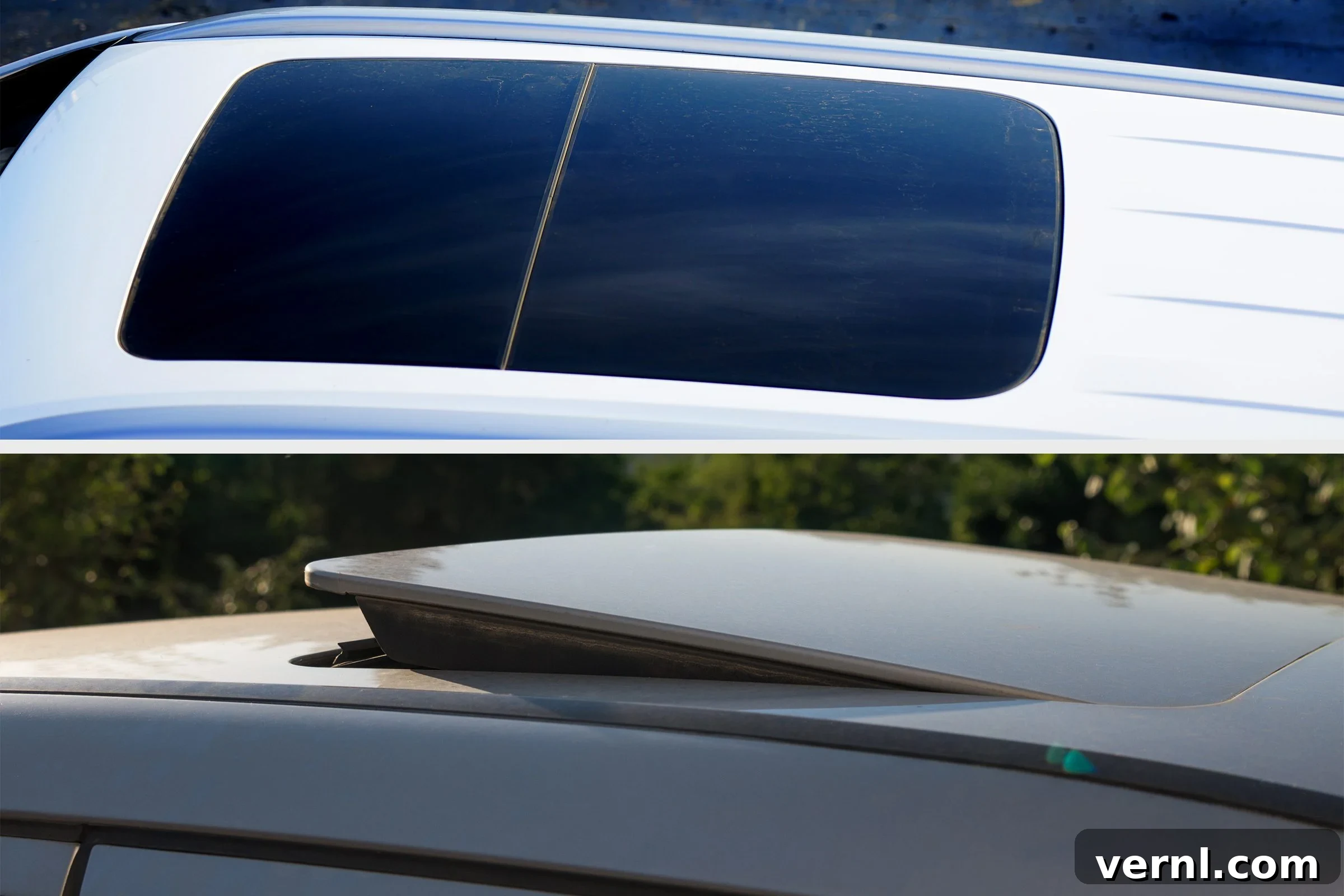
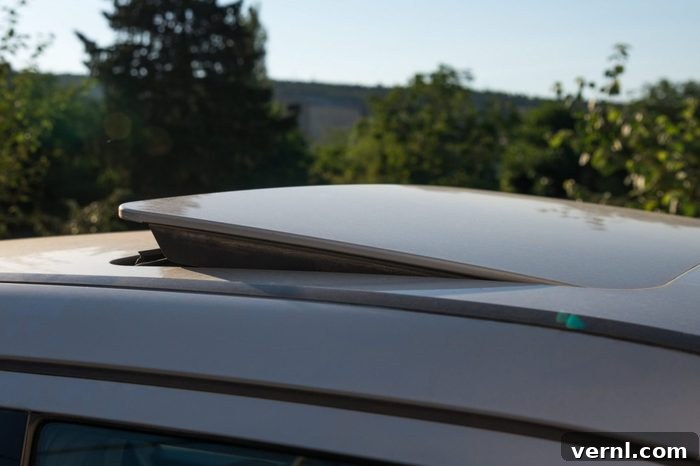
- Sunroofs: Design and Functionality. Historically, sunroofs were solid panels, typically painted to match the car’s body, that could be manually popped open or completely removed. This design provided a clear opening to the sky. While traditional solid panel sunroofs still exist, modern aftermarket installations and some factory options now frequently feature glass or acrylic sheets, allowing light in even when closed. They generally offer a simpler mechanism, often tilting up for ventilation or sliding back to expose the opening.
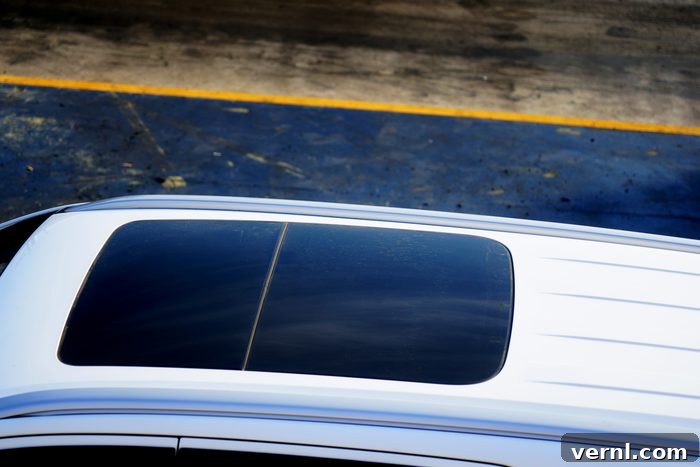
- Moonroofs: Transparency and Advanced Operation. In contrast, a moonroof was initially conceived as a fixed, transparent glass panel. Today’s moonroofs are predominantly made from tinted glass, designed to slide open on an internal track system. They are typically operated by sophisticated motor-driven cables, offering a seamless and convenient user experience. The tinted glass helps to filter sunlight and reduce glare while still providing an expansive view of the sky.
- Integrated Sunshades. A defining feature of modern moonroofs is their built-in manual or power-operated retractable sunshade or panel. This allows occupants to control the amount of light and heat entering the passenger compartment, providing comfort and privacy, especially on very sunny days. Traditional sunroofs often lack this integrated shading, sometimes requiring separate accessories or offering less effective manual covers.
- Light Transmission When Closed. Unlike solid panel sunroofs that completely block the sky when closed, moonroofs, by their very nature of being transparent glass, allow ambient light to filter into the passenger compartment at all times. This creates a brighter, more open cabin environment even when the roof is fully sealed, contributing to a sense of spaciousness.
- Size and Scope. Moonroofs are generally larger than traditional sunroofs, often extending further back into the roofline. This expansive glass area aims to provide a more panoramic view for both front and rear passengers, enhancing the open-air experience for everyone in the vehicle. Panoramic moonroofs, in particular, can span nearly the entire length of the roof.
- Security and Durability. A significant difference lies in their security and durability. While a solid panel sunroof offers robust protection and is less prone to breakage, a glass moonroof, like any window, can be more susceptible to theft or damage. Although tempered and laminated safety glass is used, it remains a less impenetrable barrier compared to a solid metal roof section.
- Cost Implications. The cost of factory-installed moonroofs tends to be significantly higher due to their complex mechanisms, larger glass panels, and integrated features. An average factory-installed moonroof might add approximately $1,500 to the vehicle’s price. A simpler pop-up sunroof, on the other hand, averages around $650, making it a more budget-friendly option for those seeking basic open-air functionality.
- Repair and Maintenance Expenses. The sophistication of moonroofs also translates to higher repair costs. Damage to the motor, complex track system, or drive cables can lead to significant expenses, often exceeding $1,000, depending on the specific vehicle make, model, and trim level. Simpler sunroof mechanisms generally incur lower repair costs.
Types of Sunroofs and Moonroofs Beyond the Basics
While the terms “sunroof” and “moonroof” define the fundamental differences, the automotive industry has innovated various types that fall under these categories, each offering a unique experience:
- Pop-Up Sunroofs: These are the simplest form, manually operated to tilt upwards at the rear, allowing for ventilation. Some can also be completely removed and stored. They are typically smaller and less expensive.
- Spoiler Sunroofs: These slide over the exterior roof of the car when opened, sitting like a spoiler. They provide a large opening and are often electrically operated.
- Inbuilt Sunroofs: These slide between the car’s headliner and outer roof panel, disappearing seamlessly into the roof structure when opened. They offer a very clean look but require more complex mechanisms and can impact headroom slightly.
- Tilt-and-Slide Sunroofs: A common modern type, these can tilt up for ventilation and also slide back into the roof, combining the functions of pop-up and inbuilt designs. Most modern glass sunroofs operate this way.
- Panoramic Sunroofs/Moonroofs: These are expansive, multi-panel glass roofs that often cover the entire roof area, sometimes with a fixed rear panel and a movable front section. They provide an incredible amount of natural light and an open feeling, making the cabin feel significantly larger. They are almost always electrically operated and come with integrated power sunshades.
- Removable Panel Sunroofs: Some sports cars and T-top vehicles feature solid or glass panels that can be manually removed and stored, offering a truly open experience similar to a convertible without the full body redesign.
Pros and Cons of a Moonroof
Pros
- Enhanced Mood and Ambiance: The influx of fresh air and sunshine from an open moonroof can significantly improve the driving experience, contributing to a happier and more carefree mood. It transforms the vehicle interior into a more invigorating space.
- Constant Connection to the Sky: Even when closed, the transparent glass of a moonroof offers an infinite visual connection to the sky, allowing natural light to flood the cabin. This can make the interior feel more spacious and less claustrophobic.
- Convertible-Like Feel with Added Comfort: Moonroofs provide a close approximation to the feeling of being in a convertible, offering an open-air experience without the common drawbacks like excessive wind noise, severe sunburn, or hair disruption.
- Superior Safety and Security: Compared to a fabric convertible top, a moonroof, being an integrated glass panel within the car’s metal roof structure, offers significantly better safety in the event of a rollover and enhanced security against theft.
- Aesthetically Pleasing Addition: Visually, a moonroof can be a highly satisfying addition to any vehicle, contributing to a sleek and modern exterior profile and a premium interior feel.
- Potential Increase in Resale Value: A moonroof is often considered a desirable feature, especially in higher trim levels, and can contribute positively to the resale value of your vehicle, making it more attractive to potential buyers.
Cons
- High Installation and Repair Costs: The advanced mechanisms and larger glass panels of moonroofs mean they are typically more expensive to install as an option and can incur substantial costs for repair or replacement of components like motors, tracks, or the glass itself.
- Potential Headroom Reduction: The mechanical assembly and track system required for a sliding moonroof are housed within the roof lining, which can marginally reduce interior headroom, particularly for taller occupants.
- Impact on Vehicle Dynamics and Fuel Economy: The additional weight of the moonroof’s glass and mechanical components, often situated high on the vehicle, can slightly affect the car’s center of gravity, potentially altering handling characteristics and marginally reducing fuel economy.
- Risk of Leakage: Like any opening in a car’s body, moonroofs are prone to leakage. This can occur due to degraded seals, clogged drain tubes, or mechanical misalignment, leading to water ingress and potential interior damage.
Pros and Cons of a Sunroof
Pros
- Enhanced Views When Open: When fully open or removed, a sunroof offers improved, unobstructed views of your surroundings, providing an immersive open-air experience.
- Optimized Airflow and Reduced AC Use: Opening a sunroof, especially in conjunction with lowered windows, significantly increases cabin airflow. This can effectively cool the interior on warm days, reducing reliance on the air conditioner and potentially saving fuel.
- Improved Cell Phone Reception: In some areas, an open sunroof can lead to slightly better cell phone reception by providing a clearer line of sight to cell towers, bypassing some of the vehicle’s metal shielding.
- Better Security Than Glass or Fabric Tops: For solid panel sunroofs, the non-glass construction offers superior security against breakage compared to a glass moonroof and provides far more protection than a fabric convertible top against vandalism or attempted break-ins.
- More Affordable Installation and Repair: Generally, simpler sunroof designs, particularly pop-up models, are less expensive to install as an aftermarket accessory and typically incur lower costs for repairs compared to the more complex moonroof systems.
- Minimal Impact on Headroom: Many sunroof designs, especially pop-up or external-sliding spoiler types, have a minimal impact on interior headroom since their mechanisms do not intrude significantly into the cabin space.
- Potential Boost to Resale Value: Similar to moonroofs, having a sunroof can be a desirable feature for many buyers and may contribute positively to the resale value of your vehicle.
Cons
- Increased Noise Levels: When open, sunroofs can generate considerable air turbulence and wind noise, especially at higher speeds, which can detract from cabin quietness and make conversations difficult.
- View Blocked When Closed (Solid Panels): Traditional solid panel sunroofs completely block the view of the sky when closed, offering no natural light transmission, which can make the cabin feel darker compared to a moonroof.
- Inconvenient Storage for Removable Panels: Sunroofs that require manual removal must be safely stored, often in the trunk or a specially designed compartment, which can consume valuable cargo space and be inconvenient.
- Vulnerability to Leakage: Like moonroofs, sunroofs are susceptible to leakage, primarily from degraded or improperly seated seals. Regular inspection and maintenance of these seals are crucial to prevent water damage to the interior.
Sunroof Installation: DIY vs. Professional
If your vehicle wasn’t originally equipped with a moonroof or sunroof, the option to add one exists through DIY kits or specialized aftermarket installation shops. However, this is a modification that warrants serious consideration due to its impact on vehicle integrity and complexity.
Our unequivocal advice: Leave this to the professionals.
The roof of any vehicle is far more than just a cover; it’s an integral structural component contributing significantly to the car’s overall rigidity, crashworthiness, and occupant safety. Cutting a hole in the roof, especially if it involves severing cross-support beams welded to the underside, inherently weakens the entire body assembly. This compromise can have severe implications for safety in the event of a collision or rollover, potentially compromising the vehicle’s ability to protect its occupants.
Furthermore, installing a power-sliding moonroof is a highly intricate process. It necessitates the addition of extensive wiring harnesses, advanced electronics, relays, and often requires significant body repairs to integrate the new components seamlessly and ensure a watertight seal. Such modifications require specialized tools, expertise, and a deep understanding of automotive structural design and electrical systems. Think long and hard before attempting such a complex project, and always defer to certified professionals if you harbor even the slightest doubt about your capabilities.
Basic Steps for Installing a Pop-Up Sunroof (Use Extreme Caution)
For those determined to undertake a DIY pop-up sunroof installation, perhaps on an older or less structurally critical vehicle, here are the general steps. Remember, this is a challenging task with irreversible consequences if done incorrectly:
- 1. Kit Selection and Measurement: Begin by accurately measuring your vehicle’s roof to find a pop-up sunroof kit that is an exact and appropriate fit for your specific make, model, and year. Do not guess or approximate.
- 2. Safety First: Always wear eye protection. This is non-negotiable, as metal shavings and debris can cause severe injury. Work gloves are also highly recommended.
- 3. Interior Preparation: Carefully remove any interior trim securing the headliner (the fabric covering the ceiling). Then, remove the headliner itself, along with any wires, lamps, or electronics hidden behind it. Label everything for reinstallation.
- 4. Exterior Protection: Cover the exterior roof surface generously with painter’s tape. This protects the paint from scratches and provides a surface for marking.
- 5. Template Placement: Position the kit’s cutout template on the taped roof. Carefully determine the exact desired location for the sunroof, usually centered over the front seats. Secure the template with additional tape to prevent any shifting.
- 6. Precise Tracing: Using an exacto knife, meticulously trace around the template, cutting only into the painter’s tape, not the vehicle’s paint. This creates your precise cutting guide.
- 7. Pilot Holes – The Point of No Return: Drill one-quarter-inch pilot holes at the four corners of your traced line, ensuring they are about an inch inside the line. Beware: Once these holes are drilled, the modification is irreversible! Proceed with absolute certainty.
- 8. Careful Cutting: Slowly and carefully cut along the scribed line using a jigsaw with a fine-tooth metal blade or, preferably, a nibbler tool. A nibbler creates less distortion and fewer metal shavings. Take your time to ensure a clean, straight cut.
- 9. Panel Removal: Wearing robust work gloves, carefully remove the cut metal panel. The edges of the newly exposed sheet metal will be extremely sharp.
- 10. Edge Finishing: Remove any small pieces of leftover metal. Use a metal file to smooth out all sharp edges, burrs, or jagged spots along the cut line. This is crucial for safety and for proper seal adherence.
- 11. Rust Protection: Sand the exposed metal edges thoroughly, then clean them to remove all dust and debris. Apply a high-quality automotive primer to all exposed metal to prevent rust. Once dry, spray on a protective coat of clear coat. Allow both primer and clear coat to fully dry and cure according to manufacturer instructions.
- 12. Weather Seal Installation: Depending on your specific kit, the weather seal might already be attached to the sunroof frame, or it may need to be installed separately around the roof opening. Follow the manufacturer’s instructions precisely for seal placement and adhesion.
- 13. Frame Assembly: Remove the glass or solid panel from the sunroof frame. Carefully drop the outer roof assembly/frame into the prepared opening from the exterior of the vehicle, ensuring it sits flush and properly aligned.
- 14. Interior Support: From inside the car, slide the lower support inner frame into position, aligning it with the outer frame. Secure both frames together using the supplied hardware, tightening evenly to ensure a secure fit and proper compression of the weather seal.
- 15. Headliner Preparation: If your kit includes adhesive strips to secure the headliner, install them now around the perimeter of the new opening on the interior side. Do not remove the protective covering on the side that will face the headliner yet.
- 16. Reinstall Interior Components: Carefully reinstall all wires, electronics, lamps, and any other components that were removed from behind the headliner.
- 17. Headliner Trimming and Fitting: Reinstall the headliner, carefully trimming it to fit precisely around the newly installed sunroof frame. Take your time to achieve a neat and professional finish.
- 18. Headliner Adhesion: Once the headliner is perfectly fitted, remove the protective covering from the adhesive strips and carefully press the headliner firmly onto them, ensuring a secure bond.
- 19. Final Interior Assembly: Reinstall all interior trim pieces, any remaining wires, lamps, and electronics.
- 20. Finishing Trim: If the kit came with interior or exterior finishing trim pieces, install them now for a clean, factory-like appearance.
- 21. Leak Test: Place the sunroof panel into the assembly. Crucially, perform a thorough leak test by gently pouring water around the exterior seals to ensure no water penetrates the cabin. Address any leaks immediately.
The Final Word: Maintaining Your Open-Air Feature
Whether you choose a sunroof or a moonroof, both are wonderful accessories that enhance the driving experience. To ensure they continue to function properly and remain leak-free for years, regular maintenance is essential. Neglecting these vital components can lead to costly repairs and discomfort.
Here are key maintenance tips:
- Regular Cleaning and Lubrication of Tracks: Regularly vacuum and clean the tracks and guides where the sunroof or moonroof slides. Debris, dust, leaves, and other environmental particles can accumulate, obstructing the mechanism and causing it to bind or become sluggish. After cleaning, lubricate any moving parts, such as the slide rails and gear mechanisms, with a specialized dry lubricant. Avoid oily lubricants that can attract more dirt.
- Seal Inspection and Cleaning: At least once a year, or more frequently if you live in a dusty or harsh environment, meticulously clean the drain channels and rubber seals with a clean, damp cloth. Inspect the seals for any signs of cracking, drying, tearing, or deformation. Damaged seals are a primary cause of leaks and should be replaced promptly.
- Drain Tube Maintenance: The drain tubes, typically located at the four corners of the sun or moonroof assembly, are crucial for channeling away any water that bypasses the main seal. These tubes can become clogged with debris, leading to water backing up and leaking into the car’s interior. Clean the drain tube openings using a soft, flexible one-eighth-inch plastic tube or a pipe cleaner. Avoid stiff wires that could puncture the drain tubes.
- Flush Drain Tubes: Once the openings are clear of debris, flush the drain tubes by slowly pouring about a cup of water at a time into the drain channel around the sunroof. Observe underneath your vehicle; you’ll know the drain is clear and open when water steadily drips from the drain tube exits, usually located behind the front wheels or near the rear bumper. If water pools or overflows in the channel, the drain tubes are still clogged and require further attention.
By following these maintenance practices, you can significantly extend the life and functionality of your sunroof or moonroof, ensuring you continue to enjoy the benefits of light, air, and an enhanced driving experience without the worry of operational issues or leaks.