Combat Dry Air: Transform Your Slow Cooker into a Simple Humidifier
As the colder months roll in, many of us experience the unwelcome effects of dry indoor air. This lack of moisture isn’t just uncomfortable; it can significantly impact our well-being and even our homes. From parched skin and chapped lips to irritated eyes and scratchy throats, the consequences of dry air are widespread. It can also exacerbate seasonal allergies, make you more susceptible to colds, flu, and other respiratory illnesses, and even damage wooden furniture or musical instruments. While a dedicated humidifier is a popular and effective solution, what if you don’t own one, or need a quick, cost-effective alternative to alleviate these common winter woes?
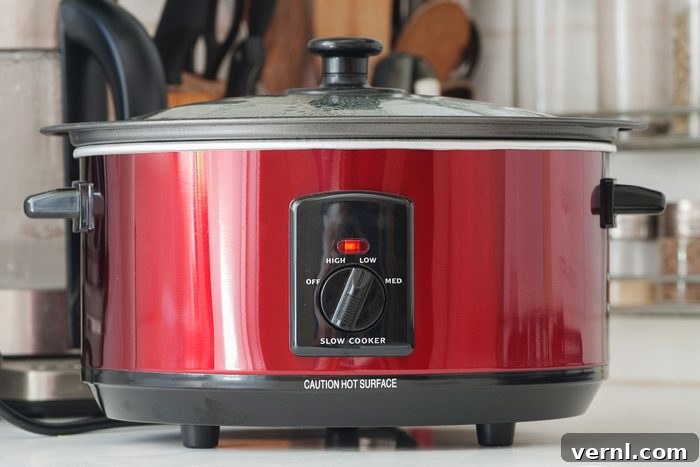
The good news is, you might already have a surprisingly effective tool in your kitchen: your slow cooker, often known by the popular brand name, Crock-Pot. Yes, it’s true! This versatile appliance isn’t just for preparing delicious meals; it can be repurposed to bring much-needed moisture back into your living space, making your home feel more comfortable and healthy throughout the dry season. It’s a remarkably simple, efficient, and budget-friendly DIY solution that leverages the gentle, consistent heat of your slow cooker to release a steady stream of steam into the air.
Why Dry Air is a Problem and How Humidification Helps
Understanding the impact of dry air is the first step toward appreciating the value of proper humidification. When indoor humidity levels drop below the ideal range of 30-50%, you might notice a variety of issues affecting your health, comfort, and even your household items:
- Skin and Hair Health: Dry air acts like a sponge, stripping essential moisture from your skin, leading to dryness, flakiness, itching, and an overall dull appearance. Your hair can also become brittle, prone to breakage, and full of static electricity.
- Respiratory Comfort: Low humidity dries out the delicate mucous membranes in your nasal passages and throat. This can make you more vulnerable to common colds, the flu, and other respiratory infections, as your body’s natural defense mechanisms are compromised. For individuals with asthma or allergies, dry air can significantly worsen symptoms, leading to congestion, coughing, and difficulty breathing.
- Overall Comfort and Well-being: Beyond physical symptoms, dry air contributes to general discomfort. Static electricity shocks become more frequent, and the overall feeling of a dry environment can be unpleasant.
- Home and Furnishing Integrity: Your home’s wooden elements, such as furniture, hardwood floors, and even musical instruments, are susceptible to damage from extreme dryness. Low humidity can cause wood to contract, leading to unsightly cracks, warping, and structural damage over time. Houseplants may also suffer, showing signs of wilting or browning leaves.
Introducing moisture into the air combats these problems head-on, creating a more comfortable, healthier, and potentially more durable environment for both you and your belongings. Humidifiers work by releasing water vapor, increasing the relative humidity to optimal levels. A slow cooker achieves this through a natural evaporation process, offering a continuous, gentle stream of moisture without the need for complex filters, costly refills, or intricate settings.
Transforming Your Slow Cooker into a Humidifier: A Simple Guide
If you’re ready to improve your indoor air quality and make your home more comfortable this winter, turning your slow cooker into a DIY humidifier is incredibly straightforward. Here’s how you can set it up effectively and safely, step-by-step, to enjoy the benefits of balanced humidity:
Step One: Strategic Placement and Initial Setup
The first and crucial step involves choosing the right location for your slow cooker humidifier. For maximum benefit and efficient distribution of moisture, place it in a central area where people gather frequently, such as your living room, family room, or even a spacious bedroom. Ensure the slow cooker is positioned on a stable, flat, and heat-resistant surface, well away from the edge of counters or tables where it could be accidentally knocked over. It’s equally important to keep it out of direct reach of small children and curious pets to prevent accidental burns or spills.
Once you’ve found the ideal spot, fill the slow cooker pot with clean, fresh water. While tap water is generally acceptable, if you live in an area with hard water, consider using distilled water. This can significantly minimize the buildup of mineral residue (limescale) inside the pot and reduce the potential for “white dust” being dispersed into the air. After filling, place the lid securely on top and set your slow cooker to the “high” heat setting. This initial high heat will bring the water to a steaming temperature more quickly, kick-starting the humidification process.
Step Two: Releasing the Moisture for Optimal Humidity
Once you observe steam beginning to escape from under the lid, or if the lid itself is visibly fogged and steaming, your slow cooker is ready to start humidifying your space. At this point, carefully remove the lid. Be mindful of the hot steam escaping as you lift it. Immediately after removing the lid, switch the slow cooker setting from “high” to “low.” The low setting is crucial here; it will maintain a consistent, gentle simmer, allowing the water to evaporate steadily and release moisture into the air without boiling too vigorously. This continuous, low-level steam is perfect for gradually increasing and maintaining comfortable humidity levels in your room. Ensure the lid remains off to allow the steam to disperse freely and effectively throughout the room.
Step Three: Monitoring Water Levels and Reheating
Just like any dedicated humidifier, your slow cooker will require regular attention to ensure it continues to function effectively and safely. Periodically check the water level in the pot. As water evaporates, the level will naturally drop. When it starts to get noticeably low, simply add more fresh water to replenish it. It’s important never to let the slow cooker run completely dry, as this could damage the appliance. If, after some time, you notice that the water isn’t as warm or steamy as it once was, or if the room isn’t feeling as humid as desired, you can briefly place the lid back on the slow cooker and switch it to “high” again for about 15-30 minutes. Once it’s producing good steam again, remove the lid and return it to the “low” setting. This ensures a continuous and efficient humidification process throughout the day, keeping your indoor environment consistently comfortable.
Step Four: Enhancing Your Home with Aromatherapy (Optional)
Beyond simply adding moisture, your slow cooker humidifier offers a wonderful opportunity to infuse your home with pleasant, natural scents using essential oils. This adds an element of aromatherapy, which can have various positive effects on your mood, focus, and overall well-being. Add a few drops of your preferred essential oils directly to the warm water in the slow cooker. Remember, essential oils are potent, so a little truly goes a long way, especially with pure, high-quality varieties. Here are some popular choices and their potential benefits:
- For Clearing Sinuses and Boosting Respiration: Eucalyptus oil is renowned for its invigorating and decongestant properties, making it excellent for respiratory support during cold and flu season. Peppermint oil can also provide a similar refreshing and stimulating effect.
- For Relaxation and Calm: If you’re looking to create a serene and tranquil atmosphere, a few drops of lavender essential oil are perfect. It’s widely celebrated for its calming, stress-relieving, and sleep-promoting qualities, ideal for unwinding after a long day or setting a peaceful bedtime ambiance.
- For a Cozy, Uplifting, and Seasonal Ambiance: For a warm, inviting, and cheerful scent, consider adding sweet orange oil. Its bright, citrusy aroma can uplift your mood and energize your space. For an extra touch of seasonal comfort and a delightful, festive fragrance, you can even drop a few cinnamon sticks directly into the water along with the orange oil, transforming your home into a fragrant haven.
- For Focus and Clarity: Lemon or Rosemary essential oils are known to help improve concentration, enhance mental alertness, and reduce mental fatigue, making them great for workspaces or study areas.
- For Purification and Freshness: Tea Tree oil is valued for its purifying properties, helping to cleanse the air and create a fresher environment, especially useful in homes with pets or stale odors.
Always use high-quality, pure essential oils from reputable sources for the best and safest results. Avoid synthetic fragrances or “fragrance oils,” which can contain harmful chemicals and do not offer the therapeutic benefits of pure essential oils.
Safety Precautions and Best Practices
While using a slow cooker as a humidifier is a simple and generally safe DIY method, it’s crucial to prioritize safety to prevent accidents and ensure optimal performance:
- Stable and Safe Placement: Always place your slow cooker on a stable, flat, and heat-resistant surface. Ensure it’s positioned away from the edge of counters or tables where it could be easily knocked over, and at a safe distance from curtains, drapes, or any other flammable materials.
- Protection from Children and Pets: The slow cooker and its contents will become hot. Keep the appliance, especially when in use, well out of reach of small children and pets to prevent accidental burns, scalding, or spills.
- Electrical Safety: Before use, inspect the power cord for any signs of damage, fraying, or wear. Ensure the cord is not a tripping hazard and avoid running it under rugs or furniture. Never immerse the electrical heating base of the slow cooker in water.
- Monitor Water Levels Diligently: It is paramount never to let the slow cooker run completely dry, as this can severely damage the heating element and pose a fire risk. Always monitor the water level every few hours, especially during prolonged use, and refill it as needed.
- Adequate Ventilation: While the goal is to add humidity, ensure your home isn’t overly sealed. Good air circulation helps distribute the moisture evenly throughout the room and prevents excessive condensation on windows or walls, which can lead to mold growth.
- Continuous Operation Guidelines: Slow cookers are designed for long cooking times, so running them on a low setting for several hours for humidification is generally safe. However, it’s always best to refer to your specific appliance’s user manual regarding continuous operation limits and recommendations. Avoid leaving it unattended for extremely long periods, such as overnight, without ensuring sufficient water levels.
Maintaining Your Slow Cooker Humidifier for Longevity
To ensure your slow cooker remains effective, clean, and ready for both its humidifying and cooking tasks, regular maintenance is essential. This is particularly important if you’re using tap water (due to mineral content) or essential oils (which can leave a residue):
- Daily Rinse: After each humidification session, empty any remaining water from the slow cooker pot and give it a thorough rinse with warm water. This prevents stagnant water and minor buildup.
- Weekly Deep Cleaning: For a more thorough clean, especially if you notice mineral residue (limescale) building up or an oily film from essential oils, fill the pot with equal parts white vinegar and water. Let this solution soak for an hour or two, or for stubborn buildup, you can even run the slow cooker on a low setting for about 30 minutes with the vinegar solution. After soaking, scrub gently with a non-abrasive sponge or cloth to dislodge any residue, then rinse the pot thoroughly with warm, soapy water to remove all vinegar and oil traces. This process will keep your slow cooker sparkling clean and ready for its next task.
- Wipe Down Exterior: Periodically wipe the exterior of the slow cooker”s base with a damp cloth to remove any dust, splashes, or fingerprints, keeping it clean and presentable.
Conclusion: Embrace a More Comfortable Winter
Don’t let dry winter air diminish your comfort, compromise your health, or damage your home’s furnishings. Your trusty slow cooker offers an incredibly simple, effective, and budget-friendly way to introduce much-needed moisture into your living space. By following these easy steps and optionally incorporating the aromatic benefits of essential oils, you can effortlessly transform your home into a more inviting, healthier, and fragrant oasis. Embrace the numerous advantages of proper indoor humidity, from softer, more hydrated skin and easier breathing to reduced static and protected wooden items. Give this innovative use of a common kitchen essential a try and experience the remarkable difference a little extra moisture can make during the dry season!