
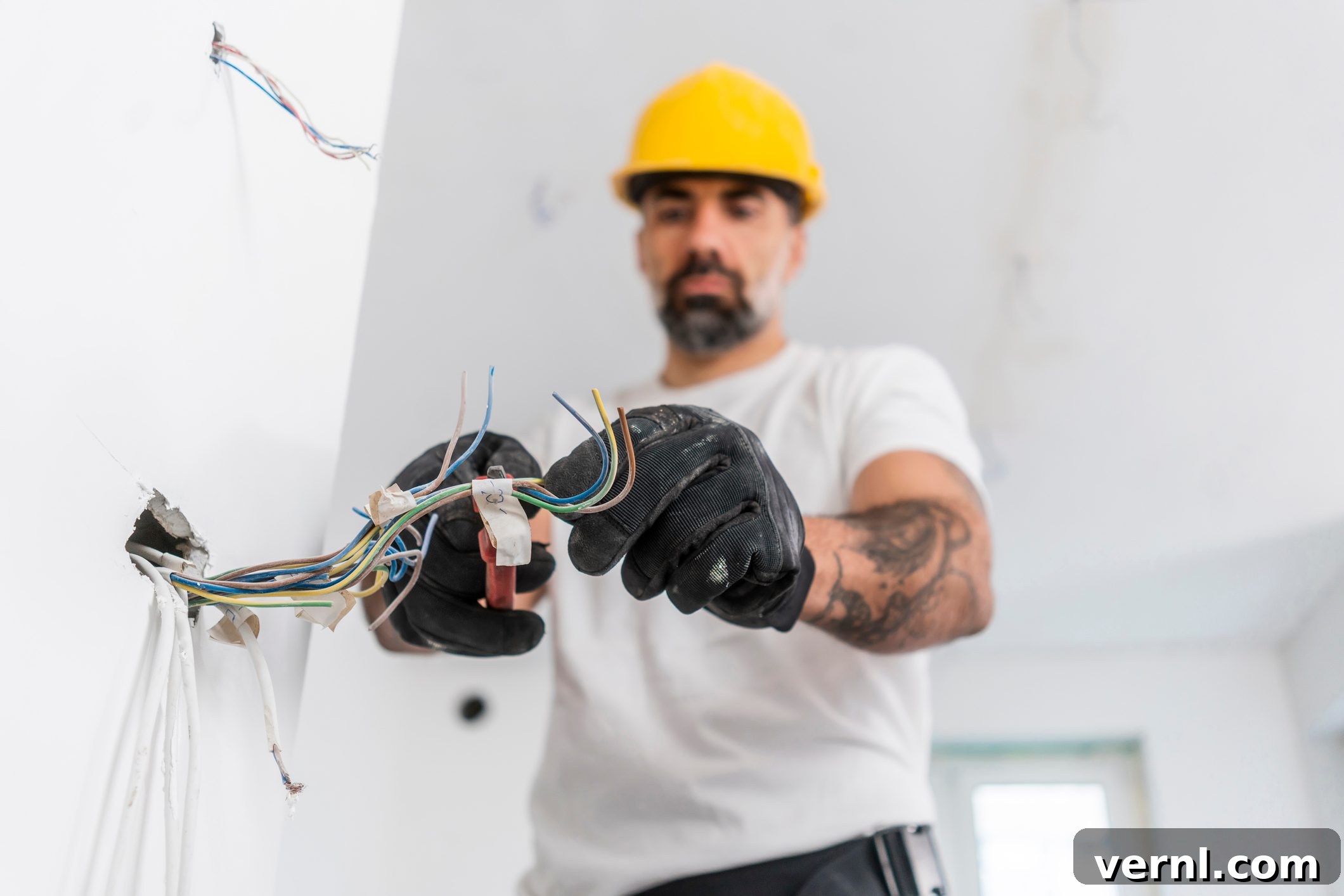
Your home is a cherished sanctuary, a place filled with memories and comfort. Perhaps it’s nestled in a vibrant neighborhood, boasting all the essential features your family holds dear. Its half-century charm might be part of its unique character, but beneath the surface, the electrical system could be showing its age. To truly embrace modern living, powering today’s appliances and sophisticated technology efficiently and safely, a comprehensive electrical upgrade or complete rewiring might be necessary. This pivotal enhancement transforms not just functionality but also enhances the safety and value of your property.
Undertaking such a significant electrical transformation is not a task for the faint of heart or the inexperienced DIY enthusiast. It demands the expertise of a professional, specifically a licensed electrical contractor. This guide is meticulously crafted to walk you through the critical considerations when selecting the right professional for your home’s rewiring project. Our aim is to equip you with the knowledge needed to ensure a smooth process, culminating in a happy, satisfied homeowner with a properly and safely updated electrical system.
Is Rewiring a House a DIY Project? Understanding the Risks and Realities
The allure of a do-it-yourself project can be strong, promising cost savings and the satisfaction of personal accomplishment. However, when it comes to the complete rewiring of an existing home, this is overwhelmingly NOT a DIY endeavor for the vast majority of homeowners. This type of project is fraught with complexities, requiring not just advanced technical knowledge and hands-on experience, but also a profound understanding of stringent electrical codes, safety protocols, and local permitting requirements. Unless you possess professional-level electrical qualifications, substantial practical experience, and an abundance of spare time to dedicate to an intricate and lengthy process, it is strongly advised to seek professional assistance.
Attempting to rewire your home without the requisite expertise poses significant risks, including:
- Safety Hazards: Improper wiring can lead to electrical fires, shocks, and serious injuries, not just during the installation process but for years to come.
- Code Violations: Electrical work must adhere to national and local electrical codes. Non-compliance can result in failed inspections, costly rework, and potential issues with insurance claims.
- Complexity: Identifying existing circuits, calculating load requirements, upgrading the service panel, running new wires through walls, and ensuring proper grounding are incredibly complex tasks.
- Permitting Issues: Major electrical work invariably requires permits and inspections by local authorities. Unpermitted work can lead to fines and legal complications, and may even hinder future home sales.
For these compelling reasons, the complete rewiring of a home remains firmly within the domain of licensed and experienced electrical contractors.
The Indispensable Role and Responsibilities of an Electrical Contractor
Before embarking on the journey to hire a contractor for your home’s electrical overhaul, it’s paramount to establish clear expectations regarding their scope of work and professional responsibilities. A proficient electrical contractor does far more than just run wires; they are project managers, safety experts, code specialists, and problem solvers.
It’s important to remember that your rewiring project, while central to your life, is one of many that a contractor manages. They are tasked with balancing multiple client commitments, overseeing their skilled workforce, navigating unforeseen challenges, and ensuring overall operational efficiency. Beyond their general business acumen, certain specific duties and commitments are integral to their role:
- Comprehensive System Assessment: A cornerstone of any successful rewiring project begins with a detailed, on-site evaluation of your home’s existing electrical infrastructure. This involves meticulously inspecting the current wiring, service panel, outlets, switches, and fixtures. The contractor should then clearly communicate what portions of the existing system can be safely retained, which components absolutely require replacement, and any upgrades mandated by the latest electrical codes. This initial assessment lays the groundwork for an accurate scope of work and estimate.
- Collaborative Project Planning and Review: A responsible contractor will schedule a thorough meeting with you to delve into your specific project requirements, budget constraints, and desired timeline. This is your opportunity to articulate your vision and goals. Are you simply aiming to bring your home’s electrical system up to current code for a potential sale, or are you planning to reside there for many years, desiring a robust system capable of supporting cutting-edge smart home technology, electric vehicle charging, or sophisticated entertainment setups? Your contractor needs this clarity to design a system that precisely meets your future needs and aspirations.
- Accurate Appliance and Equipment Power Analysis: Modern homes are filled with an array of appliances and electronic equipment, each with varying power demands. The contractor must gather nameplate information from all your existing major appliances (such as refrigerators, ovens, washing machines, dryers, and HVAC units) and any new ones you plan to install. This crucial data allows them to accurately calculate the total electrical load, ensuring the new system can safely and efficiently power everything without overloading circuits. This step prevents future issues like tripped breakers or insufficient power supply.
- Rigorous Project Preparation and Compliance: The preparatory phase is as vital as the actual wiring. This includes drafting all necessary documentation, such as a detailed contract outlining the scope of work, materials, timeline, and payment schedule, alongside comprehensive plans and specifications. Crucially, the contractor is responsible for applying for all required electrical permits from local authorities and coordinating with the electric utility company, especially if your main service panel is undergoing an upgrade or replacement. They ensure that all work adheres to local building codes and industry standards, paving the way for smooth inspections.
- Transparent and Consistent Communication: Effective communication is the bedrock of any successful home renovation project. Both you and your contractor share an obligation to respond to inquiries and address concerns promptly. The path to a successfully completed rewiring project is undeniably a two-way street. Establishing an agreed-upon frequency and method for project updates—be it weekly meetings, phone calls, or emails—will prevent misunderstandings and keep the project on track. When reflecting on the project’s success, efficient and clear communication will stand out as much as the technical expertise and hard work involved.
- Final Walkthrough and Comprehensive Inspection: Upon completion of the electrical work, a thorough final walkthrough is essential. Before this occurs, ensure the contractor has arranged for the local electrical inspector to conduct their final review and issue the necessary approvals. During your walkthrough, any “punch list” items (minor tasks or adjustments still needed) should be identified and addressed. Consumer protection agencies universally advise against making the final payment until all work is completed to your satisfaction, all required inspections have passed, and you have received all relevant documentation, including warranties.
How to Find and Hire the Right Electrical Contractor: A Comprehensive Guide
Engaging an electrical contractor for a complete home rewiring is not a trivial transaction; it often initiates what could become a long-term relationship, built on trust and mutual respect. The importance of exercising due diligence and taking ample time in selecting a reputable, licensed, and experienced contractor cannot be overstated.
Beyond consulting licensing agencies and consumer guides (which offer invaluable tips on contractor hiring), keep the following comprehensive advice in mind:
- Seek a Proven Track Record and Verifiable References: Start by tapping into your personal network. Speak with neighbors, friends, and family who have recently undergone significant electrical work and were thoroughly satisfied with the outcome. Their firsthand experiences can provide invaluable insights. When you identify prospective contractors, always request a list of their previous customers and professional references. Go beyond just calling them; ask specific questions about the contractor’s punctuality, communication skills, adherence to budget and timeline, quality of work, and how they handled any unexpected issues. Online reviews on reputable platforms can also offer a broader perspective, but always verify them.
- Verify Licensing, Insurance, and Regulatory Compliance: This is arguably the most critical step. Electrical contractors are typically licensed at the city, county, or state level. Always begin by checking with your local city’s licensing department; they will guide you to the correct regulatory body. To obtain and maintain a license, contractors often must pass written examinations, demonstrate proof of comprehensive liability insurance (to cover damages to your property), worker’s compensation insurance (to protect you from liability if a worker is injured on your property), bonding (which protects you if the contractor fails to complete the work or defaults on payments), and ongoing continuing education. Licensing programs are explicitly designed to protect consumers. Engaging unlicensed individuals, often referred to as “handypeople” for complex electrical work, is a grave error that can lead to catastrophic consequences, including dangerous installations and no recourse through regulatory agencies if problems arise. Furthermore, meticulously check with the licensing agency for any complaints filed against the contractors or, more severely, any involvement in enforcement actions or lawsuits.
- Obtain Multiple, Detailed Bids and Evaluate Them Carefully: Competition fosters better pricing and clearer proposals. Interview at least three different contractors. Clearly communicate that you are soliciting multiple bids. This encourages them to provide their most competitive and detailed proposals. Also, inform them that you are conducting thorough background checks through licensing agencies. When comparing bids, resist the temptation to automatically choose the lowest price. A significantly lower bid might indicate shortcuts, substandard materials, lack of proper insurance, or an incomplete scope of work. Look for comprehensive bids that clearly itemize costs for labor, materials, permits, and a detailed scope of work.
- Review the Contract with a Fine-Tooth Comb: Never proceed without a written contract. This legally binding document should clearly define the scope of work, including all tasks to be performed (e.g., service panel upgrade, number of new outlets, wiring type). It must stipulate the total project cost, a detailed payment schedule (typically with an initial deposit, progress payments, and a final payment upon satisfactory completion and inspection), and a projected timeline for project completion. Ensure it includes provisions for change orders (how additional work or unexpected issues will be handled and priced) and specifies warranty details for both labor and materials. A clear termination clause is also important.
- Confirm Permits and Inspections: A reputable contractor will handle all necessary permitting and arrange for required inspections by local authorities at various stages of the project (rough-in, final). Ensure these costs are included in the bid and that the contractor commits to obtaining all approvals before work begins and at completion.
- Gauge Communication Style and Responsiveness: During the interview process, pay close attention to how the contractor communicates. Are they responsive to your questions? Do they explain technical details in an understandable way? A contractor who communicates clearly and promptly during the quoting phase is likely to maintain that standard throughout the project.
- Trust Your Gut Feeling: Ultimately, the selection often comes down to trust. You are entrusting this individual with access to your home and the critical responsibility of safely and professionally upgrading its electrical heart. Choose the contractor who inspires confidence, demonstrates professionalism, and with whom you feel a strong sense of reliability. The answers to “Who can I trust with the keys to my home?” and “Who can I trust to complete this complex project professionally and on time?” should serve as your ultimate guide.
By diligently following these steps, you significantly increase your chances of partnering with an exceptional electrical contractor, ensuring your home’s rewiring project is executed flawlessly, safely, and to your complete satisfaction, providing peace of mind and enhanced comfort for years to come.