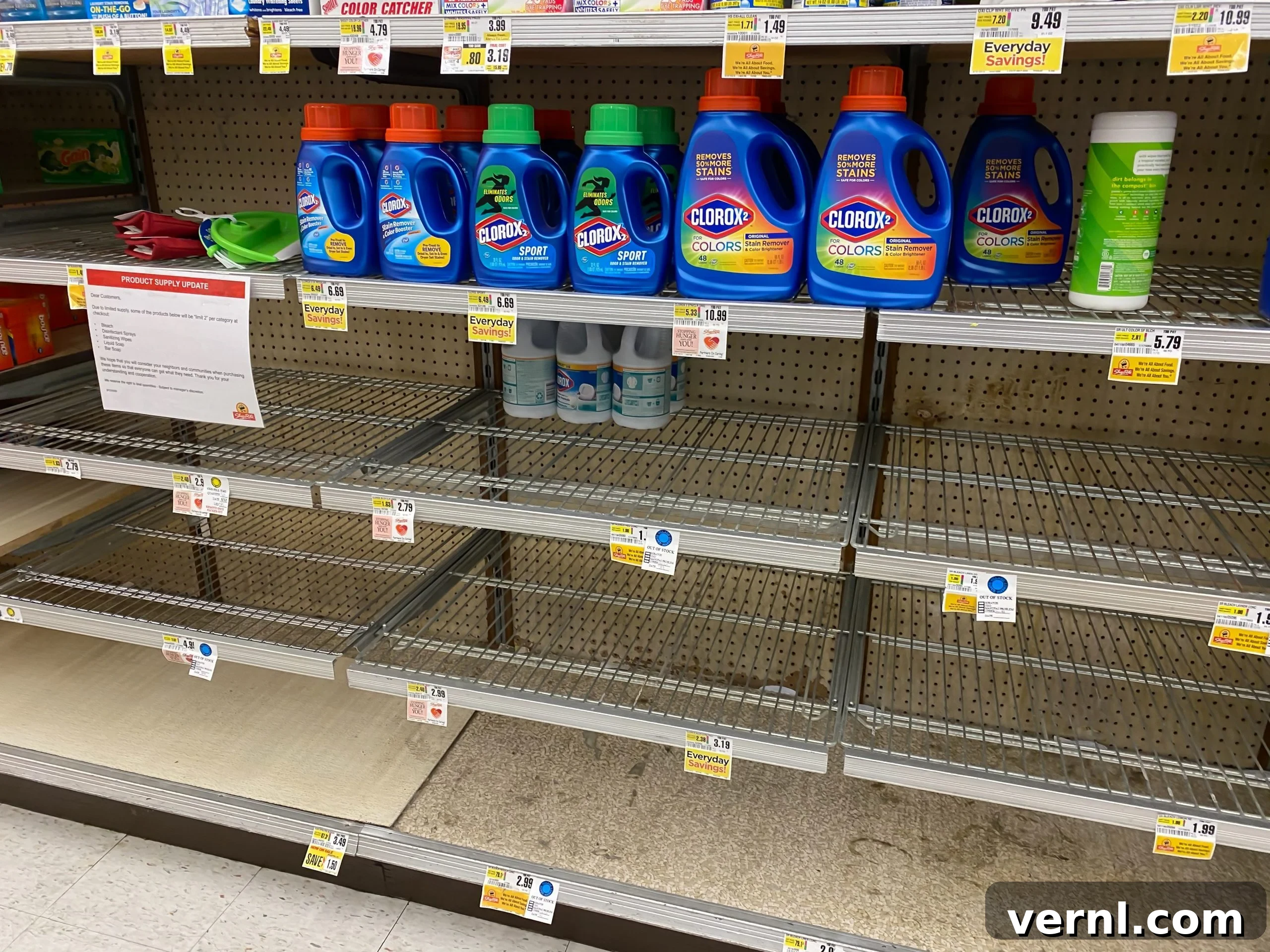
If you’ve recently found yourself struggling to locate bleach on store shelves or online, you’re certainly not alone. Across the nation, consumers are experiencing a noticeable shortage of this common household cleaning staple. However, this scarcity doesn’t mean you have to compromise on cleanliness or resort to ineffective methods. In fact, this period offers a perfect opportunity to explore a variety of powerful, often more natural, and readily available alternatives that can effectively clean and disinfect your home. Understanding the reasons behind the bleach shortage can help you better navigate your cleaning routine, while discovering expert-recommended substitutes ensures your living spaces remain pristine and hygienic.
This comprehensive guide delves into the underlying causes of the current bleach scarcity and, more importantly, provides detailed insights into what experts suggest you can use instead to maintain a spotless and healthy home environment.
Why Is Bleach in Short Supply? Understanding the Global and Local Impact
The persistent shortage of bleach, a product once taken for granted, can largely be attributed to the ripple effects of the global COVID-19 pandemic. The pandemic has served as a catalyst, exacerbating existing vulnerabilities within the intricate global supply chain network. One of the primary factors is the widespread disruption to essential workers. Many individuals involved in the manufacturing, packaging, and transportation sectors have been impacted by illness or quarantine measures, leading to significant labor shortages. This reduction in workforce capacity directly translates to slower production lines and considerable shipping delays, affecting the journey of products from factories to your local store.
Beyond logistical challenges, consumer behavior has also played a crucial role. As awareness around hygiene and disinfection intensified during the pandemic, there was a dramatic surge in demand for cleaning agents like bleach. People understandably stocked up on these products to safeguard their homes against the coronavirus, leading to shelves being cleared almost as soon as they were restocked. Gabrielle Martin, a supervisor at the professional cleaning company Bio Recovery, confirms this trend, stating, “There definitely has been an increased pressure to get supplies due to the pandemic. And since bleach is found in most chloride cleaning products, it did face a major shortage that has been continuing throughout this year.”
Furthermore, the economics of supply and demand, coupled with rising operational costs, have also impacted bleach availability and pricing. When you do manage to find bleach, you might notice its price tag is considerably higher than before. Leading bleach manufacturers, such as Clorox, have openly acknowledged implementing price increases to offset the escalating costs associated with transportation, raw materials, and labor. This combination of reduced supply, heightened demand, and increased operational expenses creates a perfect storm, making bleach a harder-to-find and more expensive commodity.
Beyond Bleach: Effective and Accessible Cleaning Alternatives
The good news is that if you’re struggling to find bleach, or if its inflated price has you exploring other options, there’s no need to despair. Your home can remain impeccably clean and disinfected using a myriad of highly effective alternatives. Many of these substitutes are not only safer and more eco-friendly but might already be staples in your kitchen or pantry. Embracing these natural cleaning powerhouses can simplify your routine, reduce exposure to harsh chemicals, and even leave your home smelling naturally fresh. Let’s explore three expert-recommended alternatives that promise to deliver outstanding cleaning results without the harshness or scarcity of bleach.
1. Lemon Juice: Nature’s Refreshing Disinfectant
Lemon juice stands out as an exceptional, natural alternative to bleach, especially when it comes to disinfecting and deodorizing. Danesh Deonarain, owner of the Galaxy Maids cleaning company, highly recommends it, emphasizing its potency as an alternative to bleach. Its effectiveness stems from its natural acidity (citric acid), which acts as a powerful antibacterial agent, capable of breaking down grime and killing various types of bacteria and germs. What’s more, lemon juice leaves behind a pleasant, clean scent, a refreshing change from the strong chemical odor associated with bleach.
Finding lemon juice is incredibly easy; you can purchase bottled lemon juice at virtually any grocery or discount store for an affordable price, usually less than $5. For those who prefer the freshest option, simply squeezing fresh lemons into a bowl or container provides an equally effective and aromatic solution. Lemon juice is particularly versatile for kitchen-related uses, where its natural degreasing and disinfecting properties truly shine.
Deonarain elaborates, “Lemon juice is perfect for kitchen-related uses. You can substitute for bleach with lemon juice to disinfect garbage disposals, cutting boards, and countertops.” To use, simply apply lemon juice directly to the surface, or wipe down areas with half a lemon. Allow it to sit for a few minutes to let the acid work its magic, then wipe away with a clean rag or sponge soaked in warm water. This method effectively sanitizes surfaces, cuts through grease, and eliminates lingering food odors. Beyond the kitchen, lemon juice can also be used to brighten whites in laundry, remove rust stains, and even polish chrome fixtures, making it a truly multi-functional cleaning agent that rivals bleach without the harsh chemicals.
2. Essential Oils: Aromatic Powerhouses for a Clean Home
For those seeking an aromatic and equally effective bleach alternative, essential oils offer a compelling solution. Gabrielle Martin of Bio Recovery is a strong advocate for using essential oils in cleaning routines. These concentrated plant extracts are renowned for their natural antibacterial, antifungal, and antiviral properties, making them excellent choices for sanitizing various surfaces throughout your home. The beauty of essential oils lies in their potency; only a few drops are needed to create a powerful cleaning solution, which means a single bottle can last for a considerable time.
Martin advises, “With essential oils such as thyme, cinnamon, and tea tree oil, you only need a few drops diluted with water.” Essential oils come in a range of prices, but many high-quality options can be found for less than $8 per bottle. To harness their cleaning power, a simple yet effective method is to create a spray solution: combine about 10-15 drops of your chosen essential oil with three cups of water in a spray bottle. Shake well before each use, then spray directly onto home surfaces. After allowing the solution to sit for a moment, simply wipe away with a clean microfiber cloth or paper towel.
Among the various options, Martin particularly recommends tea tree oil as her top choice due to its potent antibacterial properties and its proven ability to kill germs. Tea tree oil, along with thyme oil, is highly effective at breaking down organic matter, making them superb for tackling stubborn grime, grease, and dirt on countertops, sinks, and other high-traffic areas. Other beneficial essential oils for cleaning include eucalyptus oil (known for its antiviral properties and ability to clear stuffiness), lavender oil (a gentle disinfectant with calming aromatics), and citrus oils like orange or grapefruit (excellent degreasers and mood lifters). Always remember to dilute essential oils properly and perform a patch test on an inconspicuous area before widespread use, especially on delicate surfaces, to ensure compatibility and prevent potential damage.
3. White Vinegar: The Versatile and Affordable Cleaning Champion
White vinegar is perhaps one of the most celebrated and versatile natural cleaning agents available, offering a broad spectrum of uses that can easily replace many bleach-dependent tasks. Not only can it disinfect your home effectively, but it also leaves surfaces sparkling clean, from gleaming walls to streak-free windows. Its magic lies in its acetic acid content, typically around five percent, which is strong enough to dissolve mineral deposits, cut through grease, eliminate stains, and kill common household germs and bacteria. Deonarain affirms its broad utility, stating, “It’s great for kitchen and general use.”
Utilizing white vinegar for general cleaning is incredibly simple and cost-effective. The most common method involves creating a balanced solution by mixing equal parts white vinegar and water in a spray bottle. For an extra boost of cleaning power, especially when tackling greasy surfaces, you can add a few drops of dish soap to the mixture. Once your solution is ready, simply spray it onto surfaces such as countertops, stovetops, appliance exteriors, and bathroom fixtures, then wipe away with a clean cloth or paper towel. The vinegar smell typically dissipates quickly as it dries, leaving behind a fresh, clean scent.
Beyond everyday cleaning, white vinegar is also an excellent agent for more challenging tasks. Charles Leduc, the chief operations officer at Mold Busters, specifically recommends white vinegar for mold removal, particularly in moisture-prone areas like bathrooms and showers. For stubborn mold infestations, he suggests creating a potent paste by mixing equal parts white vinegar and baking soda. This dynamic duo combines vinegar’s acidic mold-killing properties with baking soda’s abrasive and deodorizing capabilities. Apply the paste directly to moldy areas, allow it to sit for a while, and then scrub thoroughly with a heavy-duty scrub sponge before rinsing. This method is not only effective but also significantly safer than using harsh bleach in enclosed spaces.
The accessibility and affordability of white vinegar make it a household staple, often costing less than $3 for a large jug. Its five percent acidity mirrors that of many commercial cleaning sprays, providing robust cleaning power to eliminate mineral deposits, hard water stains, mildew, and germs without the harsh chemicals. While incredibly versatile, it’s worth noting that vinegar should be avoided on natural stone surfaces like marble or granite, as its acidity can etch and damage them. For most other common household surfaces, white vinegar is an unparalleled, environmentally friendly, and budget-conscious choice for maintaining a pristine and hygienic home.
As you adapt to the current climate of cleaning supplies, remember that effective household maintenance doesn’t have to rely solely on traditional, and sometimes scarce, products like bleach. By incorporating these readily available, natural, and powerful alternatives—lemon juice, essential oils, and white vinegar—into your routine, you can ensure your home remains impeccably clean, disinfected, and smelling wonderfully fresh, all while embracing more sustainable cleaning practices.