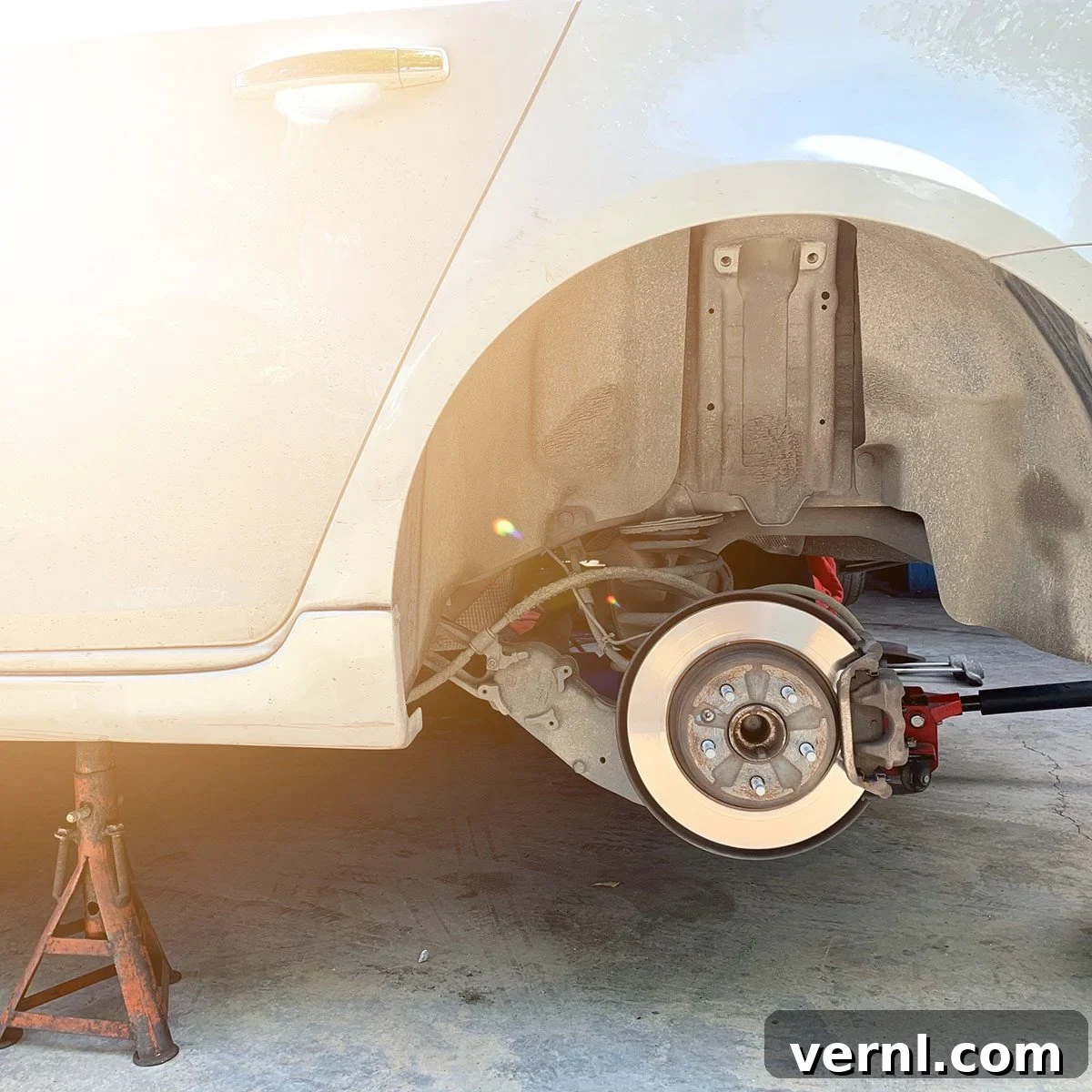
Your car’s brake system is arguably its most critical safety feature, responsible for bringing your vehicle to a halt reliably and efficiently. Composed of an intricate network of interconnected parts, brakes are designed with an inherent feedback mechanism: they often produce noise when components begin to wear or malfunction. This auditory warning is invaluable, as it alerts you to potential issues before they escalate into dangerous situations. Hearing a minor squeak is undoubtedly preferable to discovering a brake problem when you’re unable to stop in an emergency.
While some brake noises are perfectly normal and require no immediate action, persistent or unusual sounds can signal that your brake hardware requires lubrication, or that critical components within the system are nearing the end of their lifespan and need servicing. Adopting a proactive approach to brake maintenance is crucial. If your brakes are consistently noisy, or if the sound seems to be worsening, it’s always best to inspect them promptly. When it comes to your vehicle’s stopping power, prioritizing safety is non-negotiable.
Understanding How Your Car’s Brakes Work
To fully grasp why your brakes might be making noise, it’s essential to understand their fundamental operation. When you press the brake pedal, you initiate a complex hydraulic process that ultimately translates into friction, slowing and stopping your vehicle.
- Brake Pedal and Master Cylinder: The brake pedal is connected to the master cylinder, which converts your foot’s mechanical force into hydraulic pressure. This cylinder contains brake fluid and pistons that move when the pedal is depressed.
- Brake Lines: The pressurized brake fluid travels through rigid brake lines and flexible hoses to each wheel.
- Brake Calipers: At each wheel, the brake calipers receive this fluid pressure. Calipers house one or more pistons that, when activated by the fluid, push against the brake pads.
- Brake Pads: Brake pads consist of a friction material bonded to a steel backing plate. As the caliper pistons extend, they clamp these pads against the brake rotors.
- Brake Rotors: The brake rotors (or discs) are large, metallic discs that rotate with your wheels. When the pads clamp down on the rotors, intense friction is generated.
- Friction and Heat: This friction converts the kinetic energy of your moving vehicle into heat. It is this controlled generation and dissipation of heat that slows your wheels down and eventually brings your car to a complete stop.
The efficiency and quiet operation of this system rely on all these components working in perfect harmony. Any disruption in this delicate balance, such as worn parts or improper lubrication, can manifest as noticeable noise.
Why Are My Brakes Squeaking? Decoding Brake Noises
Brake noises, specifically squeaking, squealing, or screeching, often occur when brake pads vibrate at a specific frequency against the rotor. This vibration, similar to how a violin string produces sound, is amplified by the brake components and can be quite loud. While alarming, this sound does not always indicate impending brake failure. In many cases, it’s merely an acoustic byproduct of the braking process.
However, it’s crucial to differentiate between a common squeak and other, more serious noises. If your brakes produce a harsh grinding sound, or if they grab suddenly and unevenly, or if your car pulls noticeably to one side when braking, these are significant red flags. Such symptoms suggest a potentially severe problem that compromises your vehicle’s stopping ability. In these situations, you should immediately have a qualified mechanic inspect your brake system. Ignoring these warnings could lead to dangerous driving conditions.
Specific Causes of Brake Noise: A Deeper Dive
Understanding the root cause of brake noise is key to addressing it correctly. Here are the most common reasons your brakes might be vocalizing their concerns:
Temperature Changes and Environmental Factors
- Morning Rust: After a car sits overnight, especially in humid conditions or after rain, a thin layer of surface rust can form on the rotors. When you first apply the brakes in the morning, the pads scrape against this rust, creating a temporary squeal. As the pads and rotors warm up and the rust is worn away, the noise typically dissipates. This is a common and usually harmless occurrence.
- Cold Temperatures: Brake pads tend to be stiffer in cold weather, which can lead to increased noise until they warm up.
Brake Pad Wear Indication and Material Composition
- Wear Indicators: Many modern brake pads are equipped with a small, metal wear indicator tab. When the friction material wears down to a critical minimum thickness, this tab comes into contact with the rotor, producing a distinct, high-pitched squeal. This is a deliberate design feature, serving as an audible alert that your brake pads are due for replacement.
- Brake Pad Friction Materials: The composition of your brake pads significantly influences their performance, noise levels, and longevity.
- Semi-Metallic Pads: These pads contain fine metal fibers (e.g., copper, iron, steel) and provide excellent stopping power and heat dissipation. However, they are often noisier than other types and can cause increased wear on rotors due to their abrasive nature. They also tend to produce more brake dust.
- Non-Asbestos Organic (NAO) Pads: Made from a blend of fibers (such as glass, rubber, carbon, or Kevlar) and resins, NAO pads are generally quieter and produce less dust. They offer good initial bite and reduced vibration. However, they tend to wear out faster than semi-metallic pads and may not perform as well under extreme heat or heavy braking.
- Low-Metallic NAO Pads: A hybrid option, these pads combine organic materials with a small percentage of metallic fibers. They aim to balance the stopping power of semi-metallic pads with the quieter operation of organic pads. They often have excellent stopping performance but can still be noisy and produce a moderate amount of dust.
- Ceramic Pads: The most expensive option, ceramic pads are made from a dense ceramic material with copper fibers. They are renowned for their quiet operation, minimal dust production, and long lifespan. Ceramic pads provide consistent stopping power across a wide range of temperatures and are gentler on rotors. They are an excellent choice for daily drivers seeking comfort and cleanliness.
Worn, Broken, or Missing Brake Hardware
Beyond the pads and rotors themselves, the supporting brake hardware plays a crucial role in silent and efficient braking. This hardware includes shims, anti-rattle clips, springs, and retaining pins. When these components are worn, broken, missing, or improperly installed, they can lead to significant noise:
- Vibration: Without proper tension and support from shims and clips, brake pads can vibrate excessively within the caliper assembly, leading to squealing.
- Dragging Pads: Worn or missing hardware can cause the pads to not retract fully after braking, allowing them to constantly drag lightly against the rotors. This constant contact generates heat, uneven wear, and persistent noise.
- Uneven Wear: If pads are not held firmly in place, they can wear unevenly and more quickly, contributing to both noise and reduced braking performance.
- Loose Fasteners: Caliper bolts or other fasteners that have become loose can allow the caliper to shift, causing clunking sounds or uneven pressure on the pads.
Other Common Causes of Brake Noise
- Improper Installation: Even new pads can squeal if they or their associated hardware are not installed correctly, or if crucial components are omitted during the process.
- Glazed Rotors or Pads: Excessive heat can cause the surface of rotors or pads to become “glazed” – smooth, hard, and shiny. This hard surface reduces friction and can lead to squealing or a sensation of reduced stopping power.
- Warped Rotors: While true rotor “warping” is rare, uneven heat distribution can cause inconsistencies in the rotor’s surface, leading to a pulsating brake pedal and a thrumming or grinding noise when braking. This often feels like the car is vibrating during deceleration.
- Contamination: Oil, grease, or brake fluid on the friction surfaces of the pads or rotors can significantly reduce friction and cause a squealing or grinding noise. This contamination often requires pad and rotor replacement as it’s difficult to completely remove.
How to Fix Squeaking Brakes: DIY or Professional?
Addressing squeaking brakes can often be a manageable DIY task, especially when it involves replacing worn brake pads and their associated hardware. Many automotive supply stores offer tool rental programs, allowing you to borrow specialized tools like caliper compression tools, making the job more accessible for the average homeowner. However, it’s crucial to know your limits and understand when professional intervention is necessary.
Beyond simple pad replacement, signs that indicate your rotors need attention include a glazed (smooth and shiny) or scored (grooved) surface from excessive pad wear, or a brake pedal that pulsates up and down when you apply the brakes. These symptoms suggest the rotors need to be either refinished (machined down to a smooth surface) or entirely replaced. Research your vehicle’s specific requirements and your comfort level to determine if rotor replacement is a DIY project you can confidently undertake.
Safety First: Regardless of the brake job, always prioritize safety. Wear appropriate personal protective equipment, including a dust mask, safety glasses, and gloves, to protect yourself from brake dust, debris, and chemicals. Ensure your vehicle is securely supported on jack stands and follow all manufacturer’s safety guidelines.
Pro Tips for Fixing Squeaking Brakes and Ensuring Longevity:
- Always Replace Brake Hardware: When installing new brake pads, it’s paramount to replace all associated anti-rattle clips, shims, and springs. These small but vital components maintain proper pad positioning and tension, effectively dampening vibrations that cause squealing. Many applications also benefit from covering the backing plates of new pads with a specialized anti-squeal lubricant, high-temperature silicone insulation gel, or Teflon shims designed to absorb braking vibrations.
- Thorough Cleaning of Hardened Steel Parts: Caliper slide pins, often made of hardened steel, are critical for smooth caliper movement. Clean these parts meticulously by soaking them in a non-chlorinated brake cleaner (avoid general degreasers, which can leave residues) and scrubbing with a plastic brush. Do not use a file or wire brush, as this can damage the hardened finish and lead to premature wear or corrosion.
- Lubricate All Contact Points: Rust and corrosion can impede the smooth movement of brake components. Clean all mating surfaces and contact points where brake pads interface with the caliper bracket, and where slide pins move within their bores. Apply a specialized brake grease or anti-seize compound to these areas. This ensures proper movement, prevents binding, and significantly reduces the likelihood of noise.
- Avoid Lubricant on Friction Surfaces: This may seem obvious, but it’s crucial: never allow lubricants, greases, or anti-seize compounds to come into contact with the friction material of the brake pads or the rotor surface. Contamination will severely reduce braking performance and cause persistent noise.
- Final Rotor Cleaning: After completing the brake installation and before reinstalling the wheel, place a pan beneath the rotors. Give the rotors (not the pads) a thorough cleaning with brake cleaner. This step removes any residual grease, fingerprints, or contaminants that may have accumulated during the installation process, ensuring optimal initial braking and proper “bed-in” of the new pads.
When to Consult a Professional Mechanic:
While DIY brake work can save money, some situations absolutely require professional expertise. If you experience any of the following, seek professional help immediately:
- Grinding, Clunking, or Pulsating: These noises often indicate severe wear, warped rotors, or damaged caliper components.
- Brake Pedal Feels Spongy or Goes to the Floor: This could signal a brake fluid leak or master cylinder failure, which is extremely dangerous.
- Car Pulls to One Side When Braking: This suggests uneven caliper function, a stuck caliper piston, or a problem with brake lines.
- ABS Warning Light: If your Anti-lock Braking System light illuminates, it indicates a fault within this critical safety system.
- Lack of Confidence: If you’re unsure about any step of the repair process, or if you don’t have the proper tools, it’s always safer to trust your brakes to a certified mechanic.
Regular brake inspections, typically every 12,000 to 15,000 miles or annually, are a cornerstone of preventative maintenance. Addressing minor issues like squeaking early can prevent more costly repairs and, most importantly, ensure your continued safety on the road.