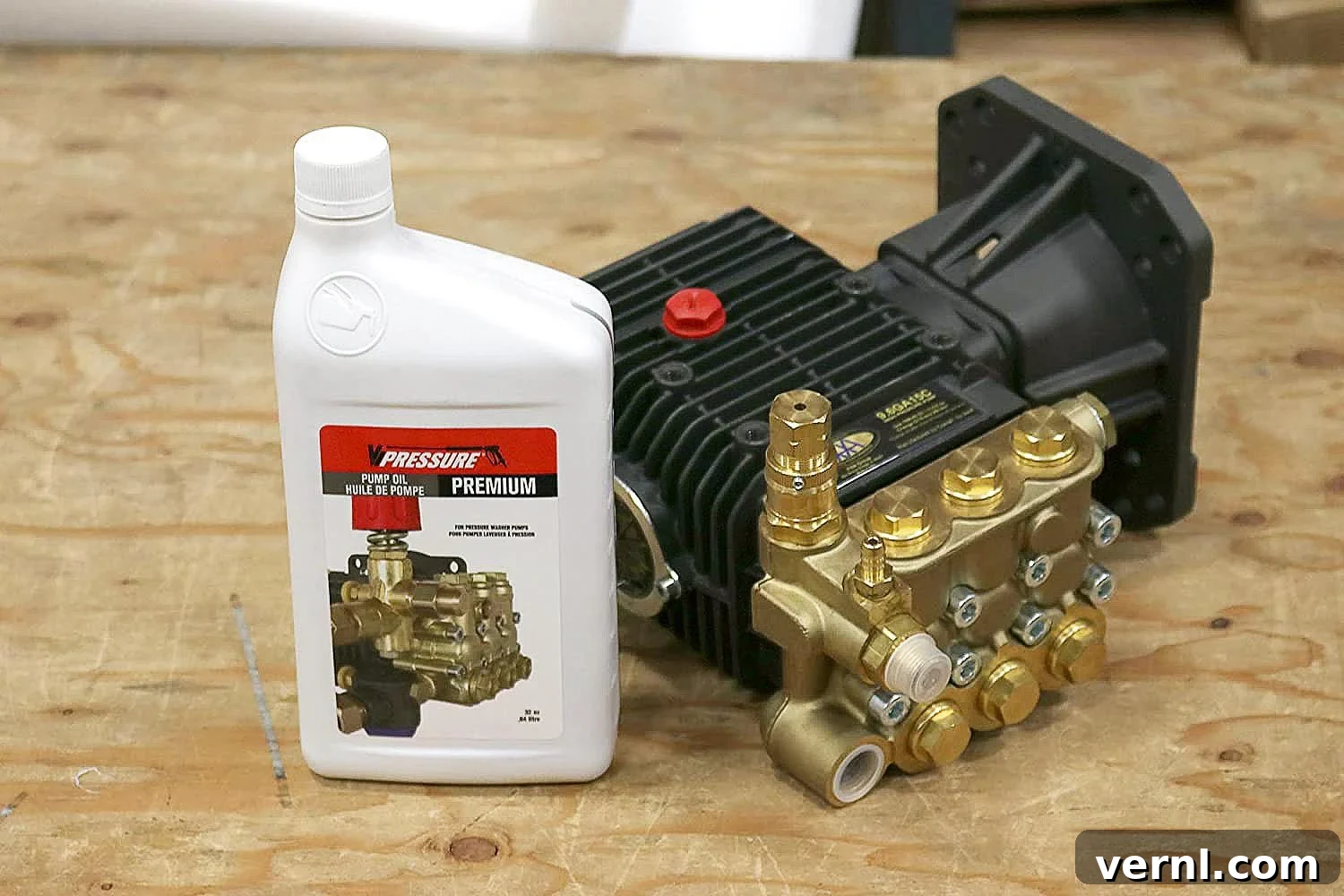
The Ultimate Guide to Pressure Washer Oil: Unraveling the Mystery
For years, I meticulously believed in the singular “right” oil for my gas-powered pressure washer. This conviction led me to adhere strictly to specific recommendations, often fearing that any deviation could lead to mechanical catastrophe. My journey through pressure washer ownership was marked by this rigid adherence, a testament to how deeply ingrained this belief was.
That perception began to shift dramatically after a casual conversation with my neighbor, Bill. Bill, a septuagenarian at the time, was the proud owner of a pressure washer that had faithfully served him for over a quarter-century. His machine, remarkably, still ran with the vigor of a much younger model. The secret to its longevity, according to Bill, was refreshingly simple and entirely contrary to my deeply held notions.
He revealed that he simply topped off his washer with “whatever grade of motor oil he had conveniently available.” This often meant a mix-and-match approach: sometimes 10w-30, other times 0w-30, occasionally synthetic, and just as frequently petroleum-based. To prove his point, he casually fired up his pressure washer, and it started instantly, purring with smooth, consistent power. I was genuinely astonished.
Bill’s pragmatic approach shattered my preconceived notions and ignited a desire to delve deeper into the intricacies of pressure washer oil. His quarter-century-old machine, running flawlessly on a seemingly haphazard oil regimen, was irrefutable proof that perhaps my understanding was incomplete. This experience prompted me to conduct thorough research, seeking to uncover the true science behind pressure washer lubrication and determine which oil types genuinely matter. Here’s what I uncovered, distilling complex information into actionable insights.
Does Pressure Washer Oil Type Truly Matter? Absolutely, But Not Always How You Imagine
Yes, the type of oil you use in your pressure washer is important, but its significance might be less stringent than many enthusiasts or even some manufacturers lead you to believe. Like all internal-combustion engine machines, gas-powered pressure washers are complex pieces of equipment that rely heavily on proper lubrication to function efficiently and last for years. They incorporate two distinct systems, each requiring specific oil types for optimal performance and protection.
Firstly, the engine—the heart of your gas pressure washer—requires engine oil to cool, lubricate, and protect its intricate internal engine parts. This oil reduces friction between moving components, dissipates heat generated by combustion, and helps clean the engine by suspending contaminants. Secondly, and often overlooked, is the pump. This vital component, responsible for pressurizing water, also uses a specialized oil to cool and lubricate its internal mechanisms. This built-in pump is a high-precision device, and its lubrication needs are distinct from those of the engine.
Using the incorrect oil in either of these critical areas can lead to severe consequences, ranging from diminished performance and premature wear to catastrophic machine failure. Therefore, understanding the distinct characteristics of different motor oils and their specific roles within your pressure washer is paramount. Let’s break down what truly matters when it comes to selecting the right oil for each part of your machine.
Not as Crucial as Perceived: Mineral vs. Synthetic Engine Oil
When it comes to engine oil, you’ll primarily encounter two main categories: mineral-based and synthetic. While hybrid options exist, for the sake of clarity and simplicity, we’ll focus on these two. Mineral-based motor oil is derived directly from refined crude petroleum, a naturally occurring resource. Synthetic oil, on the other hand, is a man-made lubricant engineered chemically in a factory, offering tailored molecular structures.
The primary distinguishing factor often cited between the two is purity; synthetic oils typically contain fewer impurities and offer more consistent molecular structures. This difference has led to a widespread belief among some pressure washer owners that synthetic oil is indispensable for their machines. The reasoning often stems from the fact that most pressure washer engines, unlike automotive engines, lack built-in oil filters. Without a filter to capture debris and impurities, some argue that contaminants from mineral oil could rapidly accumulate, leading to severe engine damage or accelerated wear.
However, practical experience and anecdotal evidence, much like my neighbor Bill’s long-running machine, suggest a different reality. The truth is, your pressure washer’s engine is designed to operate effectively with both synthetic and conventional (mineral) motor oils, provided they meet the manufacturer’s other specifications (like viscosity). In my own experience, I’ve used both types in my pressure washer over the past decade with absolutely no discernible difference in performance or longevity. Similarly, my father exclusively used non-synthetic oil in his pressure washer for nearly a quarter-century, and it consistently ran flawlessly.
While synthetic oils often boast superior performance in extreme temperatures and extended drain intervals in high-stress applications like modern car engines, these benefits are often overkill for the typical operational demands of a pressure washer. For most residential and even light commercial use, the choice between mineral and synthetic engine oil will likely have a negligible impact on your pressure washer’s lifespan, as long as you adhere to regular oil change schedules.
Moderately Important: Understanding Oil Viscosity (SAE Grades)
If you’ve ever purchased motor oil, you’ve undoubtedly noticed a series of numbers and letters prominently displayed on the container, such as “5W-30” or “10W-30.” These markings refer to the oil’s SAE (Society of Automotive Engineers) grade and critically, its viscosity. Viscosity is essentially the oil’s resistance to flow; a lower number indicates thinner oil, while a higher number signifies thicker oil. This property is moderately important for your pressure washer’s engine, as it dictates how well the oil flows at different temperatures and how effectively it lubricates engine components.
Different machines have varying viscosity requirements, primarily based on their engine design, internal tolerances, and the typical ambient temperature range in which they are used. The “W” in multi-grade oils like 10W-30 stands for “Winter,” indicating the oil’s cold-weather performance. The number before the “W” represents the oil’s viscosity at low temperatures, while the second number (e.g., 30) denotes its viscosity at operating temperature (typically 100°C).
For most gas pressure washer engines, commonly recommended grades include SAE 5W-30 or SAE 10W-30. SAE 5W-30 offers better cold-start performance, making it suitable for colder climates or year-round use where temperatures drop significantly. SAE 10W-30 is a robust all-around choice for moderate to warmer climates. However, the definitive guide for your specific model remains your pressure washer’s owner’s manual. Manufacturers conduct extensive testing to determine the ideal oil viscosity for their engines, ensuring optimal lubrication, fuel efficiency, and longevity. Always consult your manual first to confirm the exact viscosity grade recommended for your machine’s engine.
Absolutely Critical: Non-Detergent Pump Oil
While there might be some flexibility regarding engine oil, the oil for your pressure washer’s pump is an entirely different matter and requires strict adherence to specific types. When it comes to lubricating the pump, it is absolutely crucial to use non-detergent motor oil. This is not merely a recommendation; it is a critical requirement to prevent internal clogging, premature wear, and eventual pump malfunction.
Standard engine oils typically contain detergent additives designed to suspend contaminants and keep engine parts clean. While beneficial for an engine, these detergent additives can be detrimental to a pressure washer pump. The tight tolerances and specific design of a pressure washer pump mean that detergents can cause foaming and emulsification (mixing oil with water), leading to ineffective lubrication. Over time, these additives can also cause seals to swell, internal components to corrode, or simply create sludge that clogs the delicate internal passages of the pump, causing it to malfunction or seize.
Therefore, never, under any circumstances, use regular automotive engine oil in your pressure washer pump. You must ensure that the oil you choose is explicitly labeled as “non-detergent oil” and matches the viscosity grade recommended in your owner’s manual. Often, SAE 30 non-detergent oil is specified for pumps. This specialized oil ensures proper lubrication, heat dissipation, and prevents the formation of damaging deposits, thereby extending the life and maintaining the efficiency of your pressure washer pump.
Very Important: The Right Category of Oil – Avoid These Mistakes
Beyond viscosity and the detergent factor, using the correct category of oil is paramount to the health and longevity of your pressure washer. Making a serious enough oil-related mistake can swiftly ruin your machine, often beyond repair. It’s imperative to understand which types of oils are utterly incompatible with your pressure washer’s engine and pump.
Firstly, never put two-cycle engine oil into a pressure washer. Two-cycle (or 2-stroke) oil is designed to be mixed directly with gasoline and burned during the combustion process. Its lubricating properties are intended for engines where oil is consumed alongside fuel, not for engines with a separate oil sump like those found in most gas pressure washers. Using two-cycle oil in a four-cycle pressure washer engine will lead to inadequate lubrication, rapid wear, excessive smoke, and ultimately, engine failure. It simply lacks the necessary properties to cool and lubricate your pressure washer engine properly over an extended period.
Secondly, avoid using diesel engine oil. While diesel engine oils are designed for robust engines, they possess a different additive package and viscosity profile optimized for the specific demands of diesel combustion and higher compression ratios. These properties are not suitable for the smaller, air-cooled gasoline engines typically found in pressure washers. Diesel engine oil may not provide the correct lubrication film, temperature stability, or protection against specific types of wear that gasoline engines require, potentially leading to premature engine damage.
Sticking to oils specifically formulated for four-cycle gasoline engines (for the engine) and non-detergent pump oil (for the pump) will safeguard your investment and ensure your pressure washer operates reliably for years.
What Oil Does My Pressure Washer Specifically Use? The Owner’s Manual is Your Bible
While general guidelines and educated guesses can get you by in a pinch, the absolute best and most reliable source for determining the correct oil for your pressure washer is its owner’s manual. The engineers who designed and built your machine have painstakingly tested various oils and operating conditions to specify the ideal lubrication requirements. Relying on their expertise is always the smartest approach, as it eliminates guesswork and maximizes the chances of your machine performing optimally and lasting its intended lifespan.
I cannot stress this enough: always check the manual first. If you’ve misplaced your physical copy, don’t despair. The internet is a vast resource, and most manufacturers provide digital versions of their owner’s manuals readily available for download on their official websites. A quick search using your pressure washer’s brand and model number will almost always yield the necessary documentation. This digital access means you’re rarely without the crucial information you need for proper maintenance.
However, there might be rare instances where, for some inexplicable reason, you cannot locate any manufacturer recommendations – perhaps for an older model or a lesser-known brand. In such exceptional circumstances, and only as a last resort, you can fall back on widely accepted general recommendations for gas pressure washers:
- For the Engine: Use SAE 10W-30 motor oil. This is a common multi-grade oil suitable for a wide range of operating temperatures and engine designs typically found in pressure washers.
- For the Pump: Use SAE 30 non-detergent oil. This specific type is crucial for pump longevity, preventing the issues associated with detergent additives as discussed previously.
These recommendations serve as a robust fallback, but they should never supersede the specific guidance provided by your machine’s manufacturer.
Essential Pressure Washer Maintenance: When and How to Change Your Oil
Knowing which oil to use is only half the battle; knowing when and how to change it is equally important for the longevity of your pressure washer. Regular oil changes are vital for both the engine and the pump, as oil degrades over time and loses its lubricating and protective properties. Neglecting oil changes can lead to increased friction, overheating, accumulation of sludge, and ultimately, premature failure of critical components.
When to Change the Oil:
- Engine Oil: For most new pressure washers, the first engine oil change is recommended after the initial 5 to 10 hours of use (the break-in period). This is crucial for removing any metal shavings or manufacturing debris that might have accumulated. After the initial change, aim for every 25 to 50 hours of operation or at least once annually, whichever comes first. If your pressure washer sees infrequent use, changing the oil at the beginning of each season is a good practice.
- Pump Oil: Pump oil usually has a longer service interval than engine oil, but it still requires attention. A common recommendation is to change pump oil every 100 hours of operation or once annually. Always check your owner’s manual for precise recommendations, as pump designs and capacities can vary.
How to Change the Oil (Briefly):
The process for changing both engine and pump oil is relatively straightforward, but always consult your manual for specific locations of drain plugs and fill caps.
- Warm Up the Machine: Run the pressure washer for a few minutes to warm the oil. Warm oil drains more easily and carries away more contaminants.
- Safety First: Ensure the machine is turned off, cooled down slightly (but still warm), and the spark plug wire is disconnected to prevent accidental starting.
- Position for Drainage: Place a drain pan beneath the drain plug (usually located at the bottom of the engine crankcase and pump housing). You might need to tilt the machine slightly to ensure all oil drains out.
- Drain the Oil: Remove the drain plug and allow all the old oil to drain completely. Reinstall the drain plug securely once done.
- Refill with New Oil: Using a funnel, slowly add the recommended type and amount of new oil through the fill cap. For the engine, use the dipstick to check the level, ensuring it’s between the “add” and “full” marks. For the pump, fill to the specified level, often indicated by a sight glass or a specific measurement in the manual.
- Secure and Check: Replace the fill caps and dipstick. Reconnect the spark plug wire.
Properly disposing of used oil is also critical. Never pour it down drains or onto the ground. Take it to an automotive service center or a local recycling facility that accepts used motor oil.
Recommended Pressure Washer Oils for Optimal Performance
Based on extensive experience and thorough research, here are some reliable oil options that meet the crucial requirements for both the engine and pump of your gas pressure washer. Remember to always cross-reference with your specific owner’s manual for the most accurate recommendation.
Reliable Non-Synthetic Engine Oil (e.g., SAE 10W-30)
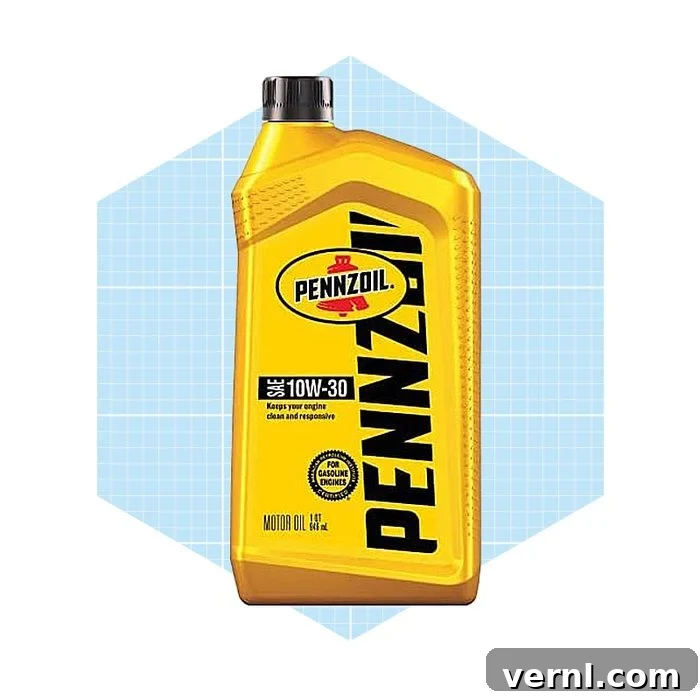
For consistent, dependable performance without the premium cost of synthetics, a quality conventional motor oil like this Pennzoil 10W-30 oil has consistently delivered excellent results in various small engines, including pressure washers. Its balanced formulation provides robust protection against wear, sludge, and heat, ensuring your engine runs smoothly and efficiently season after season. It’s a fantastic all-around choice for general use in moderate climates, embodying reliability and value.
High-Quality Synthetic Engine Oil (e.g., SAE 5W-30 or 10W-30)
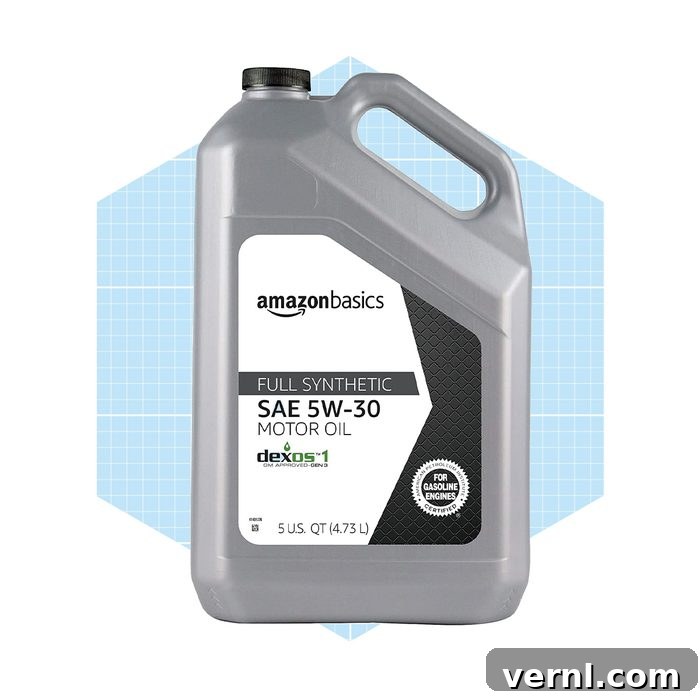
If you prefer the enhanced protection and potentially better cold-weather performance that synthetic oils offer, or if your pressure washer operates in extreme temperature fluctuations, a full synthetic option is a great choice. Brands like Amazon’s own, which produces this AmazonBasics Full Synthetic Motor Oil, provide excellent lubrication and thermal stability. While it may not drastically change how your pressure washer runs compared to a good conventional oil in typical use, synthetic oil can offer an extra layer of confidence, especially during prolonged or demanding tasks.
Specialized Non-Detergent Pump Oil (e.g., SAE 30)
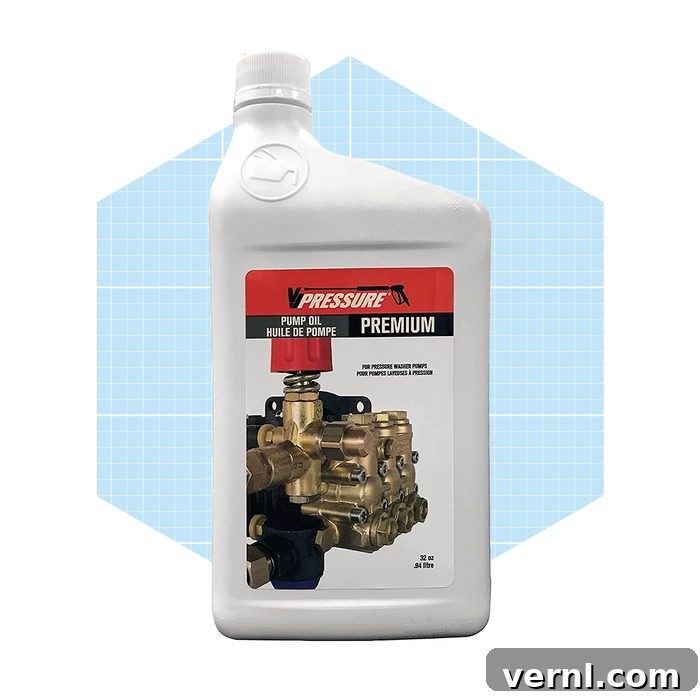
For the pump, there is no substitute for a dedicated non-detergent oil. This is the crucial lubricant that ensures the internal mechanisms of your pump remain free from clogs and operate under optimal conditions. This specific pump oil is a prime example of the type you should be using. It has consistently delivered reliable performance in my pressure washer for over a decade, preventing any lubrication-related issues. Its non-detergent formula protects the pump’s seals and internal components, extending its operational life significantly.
Conclusion: Simplicity and Specificity for Pressure Washer Longevity
Ultimately, the world of pressure washer oil doesn’t have to be overly complex. While the initial confusion is understandable, the key takeaway is a balance of simplicity and specificity. For your engine, a quality 10W-30 or 5W-30 oil (synthetic or conventional) that aligns with your climate and manufacturer’s recommendation is perfectly adequate. The real non-negotiable factor lies with the pump: always use a dedicated, non-detergent pump oil, typically SAE 30. Trust your owner’s manual above all else, and when in doubt, default to these general, tried-and-true specifications.
By understanding the distinct lubrication needs of both the engine and the pump, avoiding incompatible oil types, and adhering to a regular maintenance schedule, you can ensure your gas pressure washer remains a powerful, reliable tool for many years to come, just like Bill’s quarter-century-old workhorse.