Discovering Ductless Air Conditioners: Your Ultimate Guide to Mini-Split Systems
In the quest for optimal home comfort, especially when battling fluctuating temperatures, a ductless air conditioner, often referred to as a mini-split system, emerges as a remarkably versatile and efficient solution. These innovative units offer a quick and effective way to cool a room when the heat is unbearable and provide cozy warmth during the colder months, all without the need for extensive ductwork. If you’re considering an upgrade to your home’s climate control, or looking for a targeted solution for specific areas, delving into the world of ductless air conditioners might just be the smart choice for you.
What Exactly is a Ductless Air Conditioner?
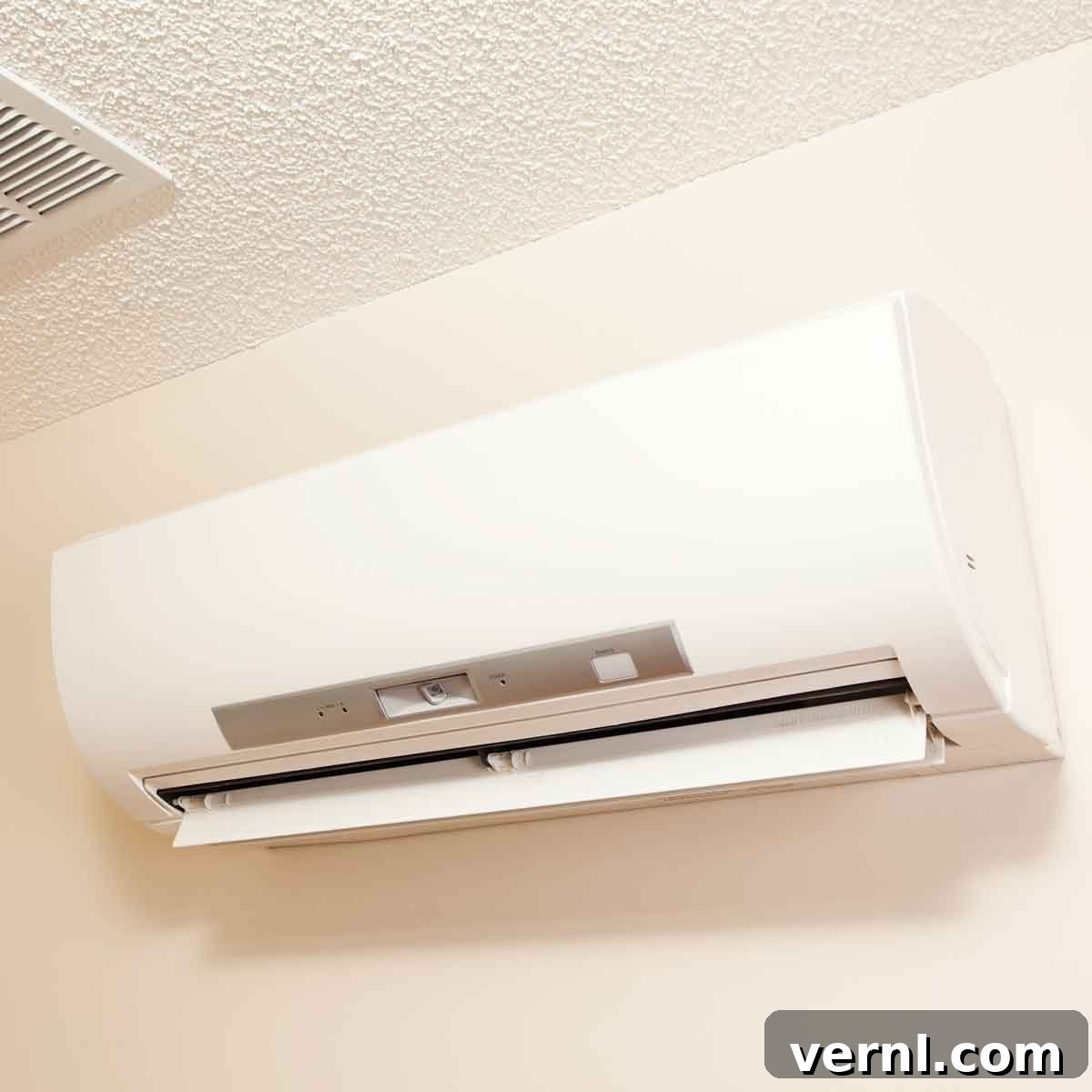
A ductless air conditioner is a sophisticated HVAC system designed to efficiently cool and heat your living spaces without relying on traditional air ducts. Unlike bulky portable air conditioners that occupy valuable floor space, or window units that obstruct views and create security vulnerabilities, mini-split systems feature sleek, wall-mounted, ceiling-recessed, or floor-standing indoor units that blend seamlessly into your décor. They are aptly named “mini-splits” because they represent a compact evolution of traditional central air conditioning systems, which are known as “split systems” due to their indoor and outdoor components.
The beauty of a ductless system lies in its ability to provide targeted climate control. Instead of cooling or heating an entire house, which can be inefficient and costly, mini-splits allow you to manage the temperature of individual rooms or zones. This not only enhances personal comfort but also leads to significant energy savings by preventing the conditioning of unoccupied areas. Their discreet design and powerful performance make them an increasingly popular choice for homeowners seeking both comfort and efficiency.
How Do Ductless Air Conditioners Work Their Magic?
At the heart of most mini-split systems lies a highly efficient heat pump mechanism, which allows them to deliver both cooling and heating functions. A heat pump doesn’t generate heat; instead, it transfers it. In cooling mode, the system extracts heat from the indoor air and expels it outside. In heating mode, it reverses the process, drawing heat from the outdoor air (even in cold temperatures) and transferring it indoors. This makes mini-splits an excellent solution for year-round climate control in various settings, from a single room to an entire garage or a small apartment.
Just like their larger, more traditional counterparts, a ductless air conditioner consists of two primary components working in tandem:
- An outdoor compressor/condenser unit, which is responsible for compressing the refrigerant and releasing or absorbing heat from the outside air.
- An indoor air-handling unit, which contains the evaporator coil and fan, distributing conditioned air directly into the room.
These two essential units are connected by a slim conduit that typically runs through a small, unobtrusive hole in an exterior wall. This conduit houses all the necessary connections: the power cable, refrigerant tubing (which circulates the refrigerant between the indoor and outdoor units), a suction tube, and a condensation drain line. The minimal invasiveness of this connection is one of the key advantages of ductless systems, as it eliminates the need for extensive renovations or the installation of bulky ductwork.
Exploring the Diverse Types of Ductless Air Conditioner Systems
Ductless air conditioner systems, commonly known as mini-splits, offer a variety of indoor unit designs to cater to different aesthetic preferences, room layouts, and cooling/heating requirements. Each type is engineered to deliver conditioned air effectively and integrate seamlessly into your living or working environment.
Wall-Mounted Mini-Splits: The Ubiquitous Choice
The most recognizable and widely installed mini-split air conditioning system is mounted to the wall, typically high up near the ceiling. These units are characterized by their sleek, rectangular design and often feature motorized vanes at the bottom that direct the airflow downwards and outwards, ensuring even distribution throughout the room. Wall-mounted systems are exceptionally versatile and are often the go-to choice for cooling and heating individual rooms, additions, or converted spaces. Their installation is relatively straightforward, and they are available in a wide range of capacities and aesthetic finishes to complement any interior design.
Ceiling-Recessed Mini-Splits: Hidden Comfort
Also known as a cassette unit, a mini-split recessed into the ceiling offers an incredibly discreet climate control solution. These units are designed to be largely invisible, with only a decorative grille visible at ceiling level, making them ideal for large rooms, open-concept floor plans, or commercial spaces where aesthetics are paramount. Ceiling cassettes are engineered to push conditioned air in four directions simultaneously, providing superior air distribution and rapidly achieving desired temperatures across expansive areas. Installation requires approximately 10 inches of clearance above the ceiling to house the unit’s body, making them suitable for properties with adequate attic or ceiling space.
Floor-Mounted Mini-Splits: Accessible and Efficient
A floor-mounted mini-split is installed at the bottom of the wall, typically a few inches above floor level, rather than resting directly on it. These units are anchored securely to the wall and are designed to direct airflow upwards toward the ceiling. Their unique placement makes them particularly effective in rooms with sloped ceilings, limited wall space, or in areas where a high wall-mounted unit might be impractical. A significant advantage of floor-mounted units is their convenient floor-level position, which greatly simplifies maintenance tasks like filter cleaning and allows for easy operation, whether via a remote control or directly on the unit. This accessibility can be a major benefit for individuals with mobility challenges.
Beyond these primary types, some manufacturers also offer compact ceiling-concealed duct units for those who prefer an even more integrated look, delivering conditioned air through small, hidden vents, essentially offering a mini-ducted system that still leverages the efficiency of a ductless outdoor unit.
Crucial Factors to Consider When Choosing a Ductless Air Conditioner
Selecting the right ductless air conditioning system involves more than just picking a brand. To ensure optimal performance, energy efficiency, and long-term satisfaction, several key factors must be carefully evaluated. Making an informed decision will not only guarantee comfort but also maximize your investment.
Achieving the Correct Capacity: BTU Rating Explained
The British thermal unit (Btu) rating is the universally accepted measure of an air conditioner’s cooling (and heating) capacity. Choosing the correct Btu capacity is paramount; an undersized unit will struggle to effectively condition the space, running constantly and inefficiently, while an oversized unit will cycle on and off too frequently (short-cycling), leading to poor dehumidification, uncomfortable temperature swings, and increased wear and tear. Accurate sizing ensures the system operates efficiently and provides consistent comfort. Here’s a general guideline for Btu ratings based on square footage, though specific needs may vary:
- 9,000 Btu for areas up to 450 square feet
- 12,000 Btu for areas 400 to 650 square feet
- 18,000 Btu for areas 600 to 1,000 square feet
- 24,000 Btu for areas 800 to 1,300 square feet
- 30,000 Btu for areas 1,500 to 2,000 square feet
- 36,000 Btu for areas 2,000+ square feet
When calculating the required Btu, it’s also important to consider factors such as ceiling height, insulation levels, the number of windows and their orientation, local climate, and the presence of heat-generating appliances or occupants in the room.
Understanding Energy Efficiency Ratings: SEER and HSPF
Energy efficiency is a critical consideration for any HVAC system, directly impacting your utility bills and environmental footprint. For mini-splits, there are two primary metrics to understand, and generally, the higher the number, the greater the energy efficiency and the lower your operating costs:
- The Seasonal Energy Efficiency Ratio (SEER) measures the cooling efficiency of the unit over an entire cooling season. As of recent regulations, the U.S. Department of Energy requires mini-splits to have a SEER of 15 or more. Systems bearing the Energy Star label typically boast significantly higher SEER ratings, often between 20 and 25, indicating superior energy performance and greater savings.
- The Heating Seasonal Performance Factor (HSPF) measures the heating efficiency of a heat pump over an entire heating season. An HSPF rating of 8 to 10 is generally considered ideal for good heating efficiency. The Energy Star certification program awards its label to systems with an HSPF of 8.2 or higher, signifying excellent heating performance.
Investing in a unit with higher SEER and HSPF ratings may incur a slightly higher initial cost, but the long-term savings on energy bills can quickly offset this difference, making it a wise financial decision.
Noise Levels and Smart Features
While mini-splits are generally quieter than window units, noise levels can still vary between models and manufacturers. Check the decibel (dB) rating for both the indoor and outdoor units. A quieter unit will contribute significantly to your indoor comfort, especially in bedrooms or living areas. Additionally, many modern mini-split systems come equipped with smart features such as Wi-Fi connectivity, allowing for remote control via a smartphone app, programmable thermostats, and integration with smart home ecosystems. These features enhance convenience, optimize energy usage, and provide greater control over your home’s climate.
Brand Reputation and Warranty
Researching reputable brands known for their reliability, customer service, and innovative technology is always recommended. Furthermore, pay close attention to the warranty offered on both the compressor and other parts of the system. A comprehensive warranty indicates a manufacturer’s confidence in their product and provides peace of mind.
Outstanding Advantages of Ductless Air Conditioners
Choosing a mini-split system often proves to be a wise decision for a myriad of reasons, offering distinct benefits that enhance comfort, efficiency, and overall living quality. Their unique design and operational flexibility position them as a superior choice for many homeowners.
- Unmatched Individual Room Temperature Control (Zoning): One of the most compelling advantages of ductless mini-splits is their ability to create individualized comfort zones. This means you can precisely control the temperature in different rooms or areas of your home, catering to diverse preferences without affecting the entire house. For instance, if one family member prefers a cooler bedroom while the rest of the home is maintained at a warmer temperature by a central AC, a mini-split can keep their room perfectly chilled without unnecessarily increasing the electric bill for the entire residence. This intelligent zoning capability eliminates energy waste and enhances personalized comfort.
- Exceptional Energy Efficiency: Ductless systems are renowned for their high energy efficiency. They typically operate at 30 percent less power than traditional window units or older through-the-wall air conditioners. This superior efficiency stems from several factors, including the absence of ductwork (which can lose up to 30% of conditioned air through leaks and poor insulation) and the use of inverter technology. Inverter compressors can vary their speed, allowing the unit to precisely match the cooling or heating load, avoiding the energy-intensive on/off cycles of conventional systems. This translates directly into significant savings on your utility bills.
- Compact and Discreet Size: The indoor units of mini-splits are designed with aesthetics in mind. They are typically slim, often only about seven inches deep, with flat, modern fronts, making them far less bulky and obtrusive than less efficient window units or large swamp cooler air systems. The outdoor units are also considerably smaller than central AC condensers. This compact design allows for flexible placement and helps them blend more seamlessly into your home’s architecture. The size of your mini-split system will, of course, depend on the specific cooling or heating demands of the space.
- DIY-Friendly Installation (with caveats): While professional installation is often recommended, especially for the refrigerant lines, certain aspects of mini-split installation are accessible to a competent DIY enthusiast. The primary hook-up between the outdoor and indoor unit typically requires only a three-inch hole through the wall for the conduit. Many mini-split system manufacturers offer pre-charged line sets and varying lengths of connecting conduit, allowing the outdoor unit to be conveniently located up to 50 feet (on average) from the indoor unit. For the specialized task of cutting and charging the refrigerant line, it’s advisable to hire a professional HVAC technician to ensure proper sealing and optimal performance, even if you handle the mounting and basic wiring yourself.
- Versatile Installation Options: The design flexibility of mini-splits allows for numerous installation configurations to suit virtually any room or architectural style. You can hang an indoor unit flush to a wall, discreetly mount it to a drop ceiling (cassette style), or suspend it from a ceiling, providing adaptability that traditional systems cannot match.
- Convenient Remote Control and Smart Features: Modern mini-split systems almost universally come with remote controls, offering convenient operation from anywhere in the room. This is particularly advantageous for units mounted on ceilings or other difficult-to-reach locations. Many models also integrate with Wi-Fi and smart home platforms, allowing you to control your system, program schedules, and monitor energy usage from your smartphone, even when you’re away from home.
- Enhanced Home Security: Unlike window units that require a large opening and can be easily removed, creating a potential security concern, the opening required for a mini-split system’s conduit is remarkably small. This minimal penetration significantly reduces the risk of unauthorized entry, making your home more secure.
- Improved Air Quality: Many mini-split systems feature advanced multi-stage filtration systems that can effectively remove allergens, dust, pollen, and other airborne particulates from your indoor environment. Some even incorporate features like ionizers or active purification technologies, contributing to cleaner and healthier air quality, a benefit often overlooked in traditional systems.
- Quiet Operation: Compared to the often noisy operation of window or portable units, mini-splits are remarkably quiet. The loudest component, the compressor, is located outdoors, and indoor units operate at very low decibel levels, ensuring a peaceful and undisturbed indoor environment.
Considering the Disadvantages of Ductless Air Conditioners
While mini-split systems offer a compelling array of benefits, it’s also important to consider potential drawbacks to make a fully informed decision. Understanding these factors will help you assess if a ductless system is the right fit for your specific needs and budget.
- Initial Cost: One of the most significant considerations for prospective buyers is the initial investment. A ductless air conditioning system generally costs more upfront than a traditional window unit or even a central HVAC system (when considering single-zone units). For instance, a 9,000 Btu single-zone system might range between $700 and $1,000 for the unit itself, while a 12,000 Btu unit could cost $1,500 to $2,000. These figures do not include installation costs, which can significantly increase the total price, especially if professional installation is required for multiple zones or complex setups. However, it’s crucial to balance this initial outlay against the long-term energy savings and enhanced comfort provided by a more efficient system.
- Importance of Proper Placement and Installation: While some aspects of mini-split installation are DIY-friendly, the overall process demands precision and attention to detail. The average DIYer can install the mini-split units themselves, but there are several critical considerations that, if overlooked, can lead to poor performance, inefficiency, or even system failure.
Firstly, meticulous planning of unit placement is essential. You must accurately measure where the indoor unit will be placed in relation to the outdoor unit to ensure the connecting conduit reaches without excessive length or kinks. The indoor unit must be mounted securely to a sturdy wall or ceiling, capable of supporting its weight. The conduit housing the refrigerant lines and electrical connections must be safely and professionally connected between both units, ensuring no leaks or power issues. Proper sealing of the wall penetration is also vital to maintain home insulation and prevent moisture intrusion.
Secondly, the direction and unobstructed flow of air from the indoor unit are paramount. If the unit blows air directly down into a corner, it may not effectively cool or heat the entire room. Strategic placement in a central location or where airflow can reach all desired zones is crucial. Consider whether the airflow needs to be aimed down, up, or in multiple directions, especially in rooms with open floor plans, to ensure uniform temperature distribution.
Installation can be labor-intensive and often takes a good part of a day, if not longer, to properly mount both the indoor and outdoor units. While mini-splits are compact, indoor units can weigh around 20-30 pounds, and outdoor units can weigh 60 pounds or more, often requiring two people to lift and secure them in place. Improper installation can have severe consequences, including the unit pulling away from the wall, inefficient operation, or, critically, refrigerant leaks, which are harmful to the environment and the system’s performance. For these reasons, hiring a certified HVAC professional for at least the refrigerant line connections and system commissioning is highly recommended.
- Aesthetic Impact: Despite their sleek designs, indoor mini-split units are still visible boxes protruding from your wall or ceiling. While significantly less obtrusive than window units, some homeowners may find their presence aesthetically disruptive, particularly in highly stylized or minimalist interiors. Although manufacturers are continuously improving designs and offering various finishes, the rectangular form factor remains a consideration. For those who prioritize an absolutely seamless look, ceiling-recessed units or mini-ducted systems might be preferred, but they come with their own installation complexities.
- Regular Maintenance Requirements: Like all HVAC systems, mini-splits require regular maintenance to operate efficiently and extend their lifespan. This includes routine cleaning or replacement of air filters, cleaning of the indoor coil, and ensuring the outdoor unit is free from debris. While these tasks are generally straightforward, they do require consistent attention, and neglecting them can lead to reduced efficiency, poor air quality, and potential breakdowns.
Why Choose a Ductless Air Conditioner? The Ultimate Comfort and Savings Solution
The decision to invest in a ductless air conditioner ultimately boils down to two compelling factors: unparalleled comfort and significant long-term savings. These systems excel in situations where traditional HVAC setups fall short, providing a flexible, efficient, and targeted approach to climate control that truly transforms a home.
Ductless mini-splits are an ideal solution for improving airflow and temperature regulation in areas where installing a system with extensive ducts isn’t feasible or cost-effective. This includes home additions, converted attics or basements, detached garages, sunrooms, or even older homes that lack existing ductwork. If your favorite room becomes uncomfortably hot during the sweltering dog days of summer and frigidly cold in winter, a ductless air conditioner can maintain that space at a consistent, comfortable temperature year-round, making previously unusable areas enjoyable again.
Beyond isolated problem areas, mini-splits are also an excellent option for optimizing energy usage and saving money by cooling or heating only the rooms that are actively being used. This zonal control is a stark contrast to central HVAC systems that indiscriminately condition the entire house, often leading to wasted energy in unoccupied spaces. By allowing you to turn off units in unused rooms, you gain precise control over your energy consumption, leading to noticeable reductions in your utility bills.
For older homes, particularly those relying on a boiler heating system without central air conditioning, a mini-split offers a comprehensive solution. It provides both efficient cooling during warm months and supplementary or primary heating during cold seasons, ensuring interior temperatures remain comfortable throughout the entire year without the need for a separate air conditioning installation or the disruption of retrofitting ducts. This dual-functionality makes mini-splits an invaluable upgrade for enhancing comfort in historic or architecturally unique properties.
In essence, choosing a ductless air conditioner means embracing a modern, intelligent approach to home climate control. It’s an investment in personalized comfort, remarkable energy efficiency, and a quieter, more secure living environment, making it a compelling choice for a wide range of homeowners.