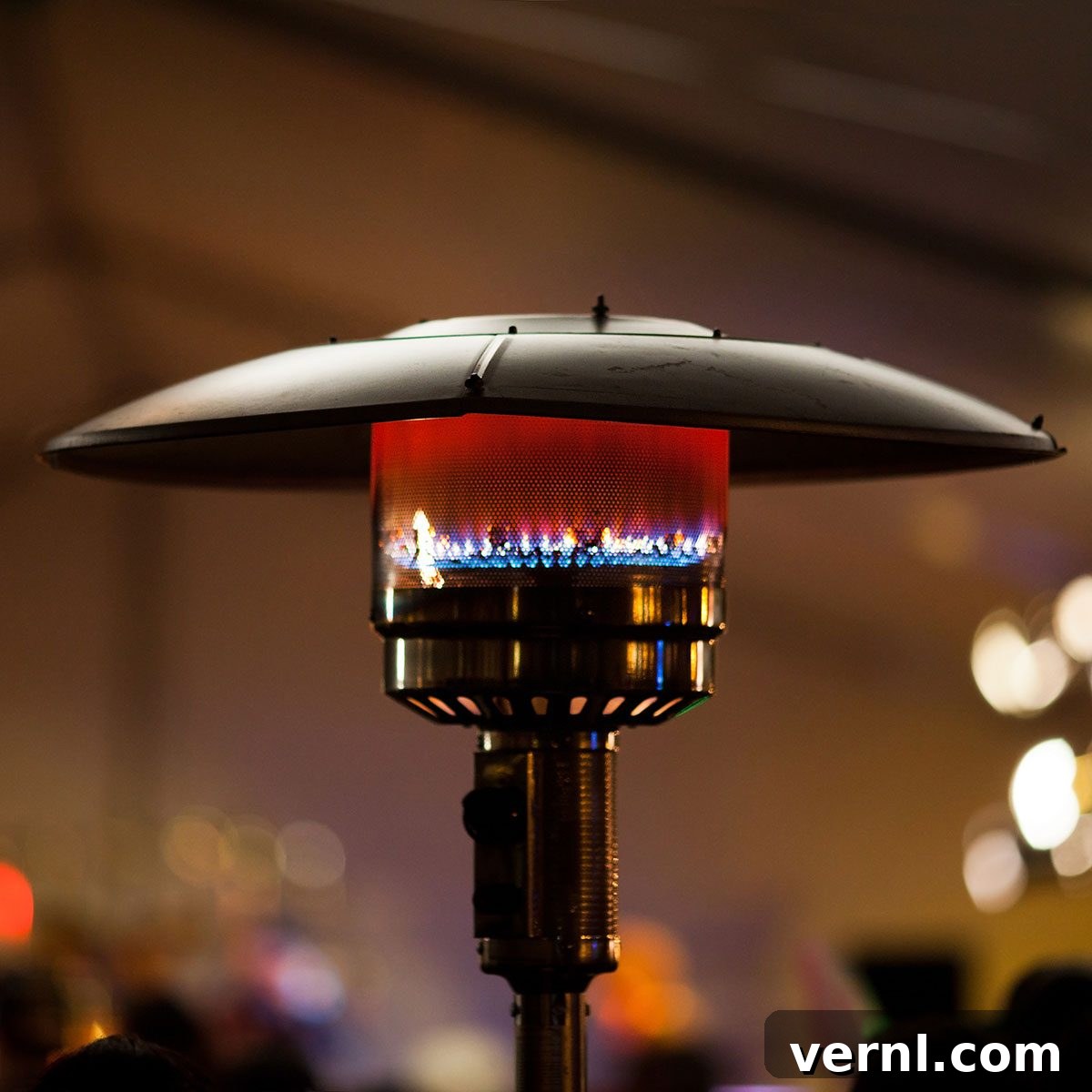
Transform Your Outdoor Living: A Comprehensive Guide to Choosing the Perfect Patio Heater
As the crisp air of autumn descends and winter’s chill approaches, many of us reluctantly retreat indoors, abandoning our beloved patios, decks, and outdoor living spaces. However, the dream of year-round outdoor enjoyment doesn’t have to end with the change of seasons. With the right outdoor patio heater, you can effortlessly extend the usability of your exterior areas, turning them into warm, inviting havens for dining, socializing, and family fun, no matter the weather. Imagine hosting a cozy dinner party on your patio in late fall or enjoying a cup of coffee on your deck on a brisk winter morning – a patio heater makes these moments a reality, enriching your lifestyle and maximizing your home’s potential.
Why Invest in a Patio Heater? Extending Your Outdoor Season
The primary benefit of acquiring a patio heater is its ability to dramatically expand your outdoor living calendar. No longer limited by temperature drops, you can comfortably utilize your outdoor spaces for more months of the year. Restaurants and cafes have long recognized this advantage, using outdoor heaters to keep patrons comfortable during cooler evenings, thereby increasing their seating capacity and revenue. You can bring this same level of comfort and utility to your home.
A patio heater transforms a seasonal space into a versatile extension of your home. It creates an ambient warmth that counters the chill, making areas like covered patios, gazebos, and open decks viable for gatherings even when the mercury dips. This means more opportunities for:
- Entertaining Guests: Host outdoor dinner parties, barbecues, or casual get-togethers well into the cooler months.
- Relaxation: Enjoy a quiet evening with a book, meditate, or simply unwind outdoors after a long day, regardless of the temperature.
- Family Activities: Provide a comfortable environment for children and pets to play outdoors longer, or create a unique family movie night experience under the stars.
- Increased Home Value: A functional and comfortable outdoor living space can be a significant asset, enhancing your home’s appeal and perceived value.
Ultimately, a patio heater isn’t just about warmth; it’s about reclaiming and enhancing your outdoor lifestyle, offering unparalleled flexibility and comfort.
Exploring the Diverse Types of Patio Heaters
All effective patio heaters operate on the principle of radiant heat. Unlike convective heating systems that warm the air, radiant heaters directly warm objects and individuals within their beam, much like the sun or an infrared sauna. This means you feel the warmth instantly, even if the surrounding air remains cool. This targeted heating method is highly efficient for outdoor environments where heating large volumes of air would be impractical and energy-intensive.
Patio heaters primarily come in two power varieties – gas-powered (propane or natural gas) or electric – and are available in numerous styles, each suited for different outdoor setups and preferences:
- Tall, Portable Freestanding Models: These are perhaps the most iconic patio heaters, typically fueled by a standard propane tank housed discreetly within their base. Standing impressively tall, often around 7 to 8 feet, they project a broad cone of heat, making them ideal for open patio spaces or larger gathering areas. Many models, like an 88-inch heater with wheels, are equipped with wheels for easy relocation, offering flexibility in your outdoor layout. Their striking design can also serve as a stylish focal point.
- Small, Portable Tabletop Models: Compact and convenient, these heaters are designed to sit directly on outdoor tables, providing localized warmth for intimate dining or conversation areas. They can be either electric or propane-fueled, offering versatility for various settings. A stainless steel tabletop heater, for example, combines functionality with a sleek aesthetic, perfect for small balconies or bistro sets.
- Portable Floor Models: These heaters offer a balance between the tabletop and freestanding units, designed to sit on the ground to provide heat closer to foot level. Often more compact than tall freestanding models, they are frequently propane or electric-powered. An indoor/outdoor heater of this type can be incredibly versatile, easily moved to wherever warmth is most needed, from a seating arrangement to a work area in a garage.
- Fixed, Wall-Mounted Models: For a more permanent and integrated heating solution, wall-mounted heaters are an excellent choice. These units are typically powered by natural gas, requiring a fixed gas line, or electricity. They save floor space and offer a clean, unobtrusive look. An infrared electric heater mounted on a wall provides consistent heat without interfering with your patio furniture arrangement.
- Fixed, Overhead Models: Ideal for covered patios, pergolas, or gazebos, overhead heaters are permanently installed above your outdoor space, projecting heat downwards. They free up valuable floor and wall space and can be seamlessly integrated into your outdoor design. Like wall-mounted units, they use natural gas or electricity. Some advanced models, such as a heater with LED lighting and remote control, offer additional features for enhanced convenience and ambiance.
Gas vs. Electric Patio Heaters: A Detailed Comparison
Deciding between gas and electric power sources is one of the most crucial steps in selecting a patio heater. Each type offers distinct advantages and disadvantages concerning installation, operation, portability, and environmental impact.
Natural Gas Patio Heaters
Natural gas heaters require a permanent connection to your home’s existing natural gas line, necessitating professional installation. Once installed, they offer consistent, powerful heat without the need for refilling tanks.
Natural Gas Heater Pros:
- Continuous Fuel Supply: You never have to worry about running out of fuel, ensuring uninterrupted warmth for extended periods.
- Cost-Effective Operation: Natural gas is typically the most economical fuel source, leading to lower running costs over time compared to propane or electricity in many regions.
- Powerful Heat Output: Often capable of generating substantial BTUs, ideal for larger outdoor areas.
Natural Gas Heater Cons:
- Limited Portability: These heaters are fixed in place, making them unsuitable for dynamic outdoor layouts or for moving heat to different areas.
- Professional Installation Required: Installation involves connecting to a gas line, which typically requires a licensed professional, adding to the initial cost.
- Ventilation Requirements: Must be used in well-ventilated outdoor areas to prevent carbon monoxide buildup, limiting their use in fully enclosed spaces.
- Higher Initial Investment: The unit itself, combined with installation costs, often makes natural gas heaters the most expensive upfront option.
Propane Patio Heaters
Propane heaters are highly popular due to their portability and ease of setup. They operate using refillable propane tanks, typically stored within the heater’s base.
Propane Heater Pros:
- Exceptional Portability: Easily moved wherever heat is needed, making them highly versatile for different outdoor setups and events.
- Simple Setup and Operation: No complex installation required; just connect a propane tank, and you’re ready to go.
- Instant Heat: Provide immediate warmth at the flick of a switch or turn of a knob.
Propane Heater Cons:
- Fuel Management: Propane tanks eventually run out, requiring refills or exchanges. Without a spare tank, you could be left in the cold.
- Ventilation Requirements: Like natural gas heaters, they must be used in well-ventilated outdoor spaces with no overhead covering to ensure safety.
- Higher Running Costs: Propane can be more expensive per BTU than natural gas, though this varies by region.
- Tank Storage: Propane tanks need to be stored safely when not in use, and can be heavy to transport.
Electric Patio Heaters
Electric patio heaters offer a clean, convenient, and often safer option for a variety of outdoor and semi-enclosed spaces. They can be plugged into an electrical outlet.
Electric Heater Pros:
- Eco-Friendly Operation: When powered by renewable energy, electric heaters are the most eco-friendly outdoor heating option, producing no direct emissions.
- Versatile Placement: Can be safely used in enclosed or semi-enclosed spaces, such as screened porches, sunrooms, or garages, as they do not produce carbon monoxide.
- Easy Installation: Many models simply plug into a standard 120-volt outlet, offering plug-and-play convenience.
- Quiet Operation: Electric heaters operate silently, preserving the tranquility of your outdoor space.
- Sleek Design: Often available in modern, streamlined designs that integrate well into contemporary outdoor aesthetics.
Electric Heater Cons:
- Higher Power Requirements: While some plug into a regular 120-volt outlet, many powerful electric heaters require a dedicated 240-volt circuit and professional electrical installation, adding to the initial cost.
- Potentially Higher Operating Costs: Depending on utility costs in your area, electricity can be more expensive to run than natural gas, though this can vary.
- Limited Heat Radius: Electric heaters, especially smaller models, may have a smaller heating radius compared to high-BTU gas heaters, potentially requiring multiple units for larger spaces.
How Well Do Patio Heaters Work? Sizing Your Heat Output
The effectiveness of a patio heater largely depends on selecting the right unit for your specific space and desired temperature. Heater strength is universally measured in BTUs (British Thermal Units). The higher the BTU rating, the larger the area the heater is capable of warming.
To accurately determine how many BTUs or how many patio heaters you need, consider the following factors:
- Measure Your Space: Calculate the cubic footage of your patio or covered porch (length x width x height). For uncovered patios, assume a comfortable heating height of about seven feet.
- Determine Desired Temperature Increase: Identify the average ambient temperature in your area during the times you plan to use the heater and compare it to your desired comfortable outdoor temperature. For example, if it typically gets down to 45 degrees F and you want to achieve a comfortable 75 degrees F, your desired temperature increase is 30 degrees.
- Calculate Required BTUs: Multiply the cubic footage of your space by the desired temperature increase. This will give you the approximate number of BTUs required to achieve your heating goal.
Practical Example: Consider a 20 x 20-foot patio with an assumed heating height of seven feet. The cubic footage would be 20 x 20 x 7 = 2,800 cubic feet. If you aim for a 30-degree temperature increase (e.g., from 45 F to 75 F), you would need 2,800 cubic feet * 30 degrees = 84,000 BTUs. This high requirement might necessitate multiple units, such as roughly two of these propane patio heaters, to effectively warm the entire area. Keep in mind that factors like wind exposure and the presence of enclosures will also impact heating efficiency. For open, windy spaces, a slightly higher BTU rating might be beneficial to compensate for heat loss.
Patio Heater Cost and Maintenance: Maximizing Your Investment
The cost of an outdoor patio heater can fluctuate significantly based on its size, style, fuel type, BTU output, and included features. Understanding these variations will help you budget effectively for both the initial purchase and ongoing operational expenses.
- Entry-Level Options: A basic wall-mounted electric heater can be quite affordable, often available for less than $100, making it an accessible option for smaller spaces or supplementary heat.
- Mid-Range Solutions: Portable propane heaters, which offer great flexibility and decent heat output, generally start around $400 and can go significantly higher for commercial-grade or feature-rich models.
- Premium Installations: Fixed, wall-mounted natural gas heaters, due to their robust construction and the necessity of professional gas line installation, are typically among the most expensive upfront options, often starting around $1,500 and reaching several thousands of dollars. While the initial investment is higher, their lower running costs often make them a sound long-term choice.
Beyond the purchase price, consider the cost of fuel (propane tank refills, natural gas utility bills, electricity bills) and potential installation fees (especially for natural gas and high-voltage electric units).
Maintaining Your Patio Heater for Longevity
Maintaining an outdoor patio heater is generally straightforward and not overly complicated, but consistent care will ensure its longevity and efficient operation for many years:
- Seasonal Cleaning: At the beginning and end of each heating season, give your patio heater a thorough cleaning. Wipe down exterior surfaces to remove dust, grime, and debris. Inspect burner components and heating elements for blockages or damage. For gas heaters, ensure burner ports are clear.
- Protection from Elements: If your heater is portable, storing it in a garage, shed, or other dry, sheltered space when not in use, especially during off-seasons or severe weather, is highly recommended. For heaters left on the patio year-round, consider investing in a high-quality, water-resistant cover, such as a Classic Accessories Veranda Patio Heater Cover, to protect it from rain, UV rays, dust, and rust.
- Gas Line and Electrical Checks: For gas heaters, periodically check gas lines and connections for leaks (using a soapy water solution, not a flame). For electric heaters, inspect the power cord for any fraying or damage.
- Propane Tank Management: For propane units, always store propane tanks upright in a well-ventilated area, away from direct sunlight or heat sources. Never store a spare tank directly under the operating heater.
Essential Safety Considerations for Patio Heaters
Safety should always be a top priority when operating any outdoor heating appliance. Adhering to manufacturer guidelines and general safety practices will prevent accidents and ensure a worry-free experience:
- Adequate Ventilation: Gas-powered patio heaters (propane and natural gas) produce carbon monoxide, an odorless and colorless gas that can be deadly in enclosed spaces. Always ensure proper ventilation when operating these units. They should never be used indoors, in garages, or in poorly ventilated covered areas.
- Clearance from Combustibles: Maintain a safe distance between the heater and any combustible materials, including walls, ceilings, awnings, umbrellas, curtains, trees, and shrubbery. Refer to your heater’s instruction manual for specific minimum clearance requirements, which typically range from 2 to 3 feet from the top and sides.
- Stable Placement: Ensure the heater is placed on a stable, level surface where it cannot be easily tipped over. Many freestanding propane heaters come with weighted bases and anti-tilt safety switches that automatically shut off the fuel supply if the unit is knocked over.
- Never Leave Unattended: Do not leave an operating patio heater unattended, especially when children or pets are present. Always turn off the heater when you leave the area.
- Proper Fuel Storage: Store propane tanks upright, outdoors, and away from any ignition sources or extreme heat. Never store spare propane tanks indoors.
- Electrical Safety: For electric heaters, use only outdoor-rated extension cords if necessary, and ensure they are appropriately gauged for the heater’s wattage. Avoid overloading electrical circuits.
- Regular Inspections: Periodically inspect your heater for any signs of wear, damage, or malfunction. If you notice any issues, consult a professional or the manufacturer’s troubleshooting guide before further use.
Choosing the Right Patio Heater: A Decision Checklist
With a multitude of options available, making the right choice can seem daunting. To simplify the process, consider these key factors:
- Patio Size and Layout: Is your space large and open, or smaller and more confined? This will influence the required BTU output and the number of heaters needed.
- Desired Heat Intensity: How much warmth do you need? Consider your local climate and how cold it gets during your extended outdoor season.
- Fuel Preference: Do you prioritize convenience and continuous heat (natural gas), portability (propane), or environmental impact and use in enclosed spaces (electric)?
- Budget: Account for the initial purchase price, professional installation costs (if applicable), and ongoing fuel expenses.
- Aesthetic Integration: Do you want the heater to blend seamlessly with your outdoor decor (wall-mounted, overhead) or serve as a visible feature (freestanding)?
- Portability Needs: Will you need to move the heater frequently, or will it remain in a fixed location?
- Safety Features: Look for features like tip-over protection, automatic shut-off, and cool-touch exteriors.
Conclusion: Embrace Year-Round Outdoor Comfort
A patio heater is more than just a heating appliance; it’s an investment in your lifestyle and the usability of your home. By understanding the different types, power sources, sizing requirements, costs, and crucial safety considerations, you can make an informed decision that will allow you to transform your outdoor living spaces into comfortable, inviting havens, ready to be enjoyed throughout the year. Don’t let cooler temperatures dictate your outdoor activities. Embrace the warmth, extend your season, and create lasting memories in your beautifully heated outdoor oasis.