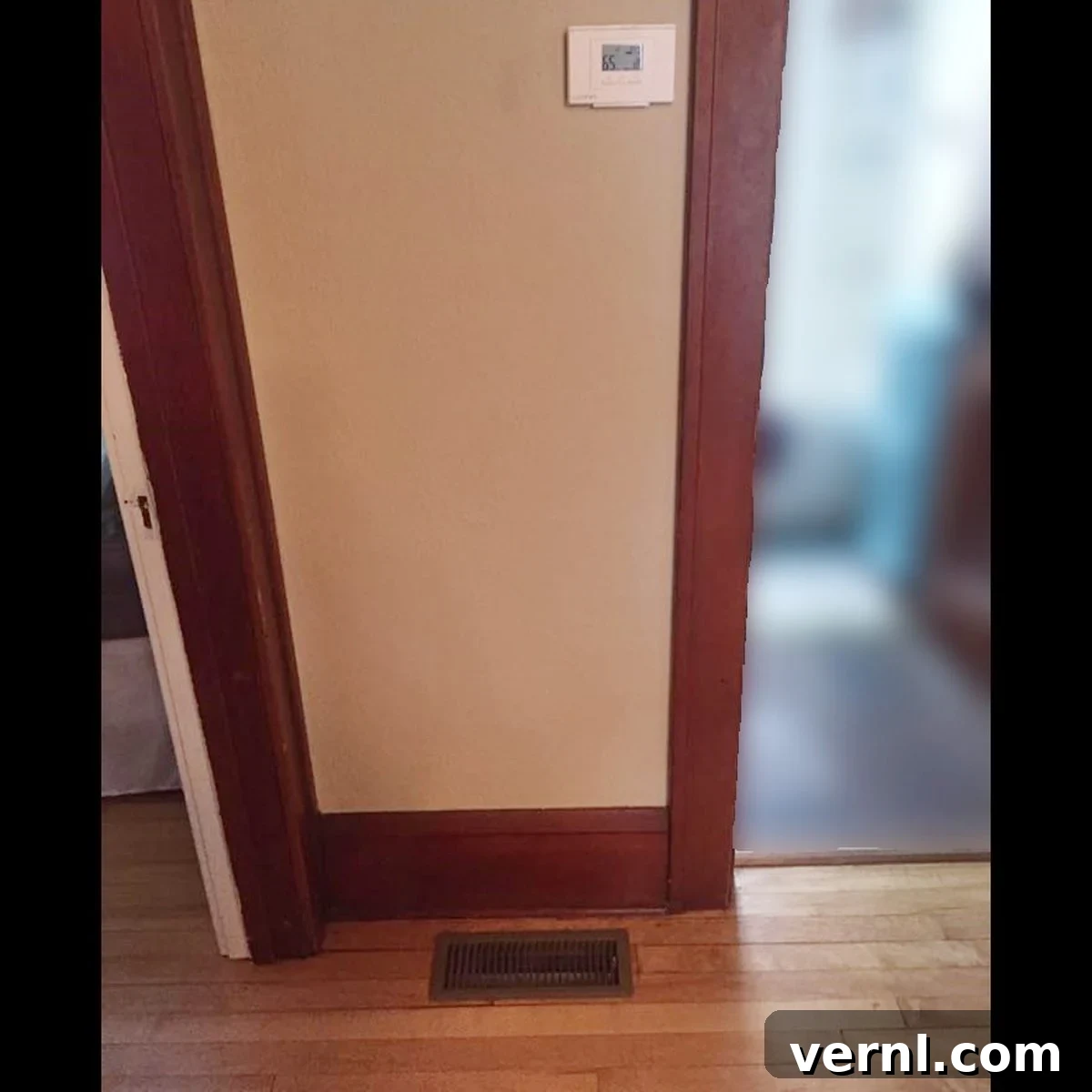
As winter approaches and heating costs soar, many homeowners look for clever ways to reduce their energy bills. One common piece of advice circulating is to close heat registers in rooms that aren’t frequently used. The logic seems straightforward: why pay to heat an empty space? While this home-heating “hack” sounds like a simple solution, it often leads to unexpected and costly problems. Far from saving you money, this seemingly innocuous practice can actually increase your energy consumption, strain your heating system, and even lead to expensive repairs over time.
Debunking the Myth: Does Closing Heat Registers Really Save Money?
Contrary to popular belief, closing heat registers in unoccupied rooms can have the opposite effect of what you intend: it can actually drive up your energy costs and compromise the efficiency of your entire heating, ventilation, and air conditioning (HVAC) system. We consulted with HVAC expert Andrew Hancock, President of Gilman Heating, Cooling & Plumbing, for an in-depth understanding of the implications of this widespread practice. His insights reveal why this well-intended energy-saving method might cause more harm than good, leading to inefficiencies and potential damage rather than the anticipated savings.
Always Consult an HVAC Professional Before Adjusting Your System
Before you consider sealing off any heat vents in your home, it is strongly recommended to consult a qualified HVAC contractor. This is especially crucial with today’s advanced, high-efficiency furnaces and meticulously balanced heating and cooling systems. Modern HVAC systems are designed to operate within specific parameters, and altering their airflow can have unforeseen negative consequences that might not be immediately apparent.
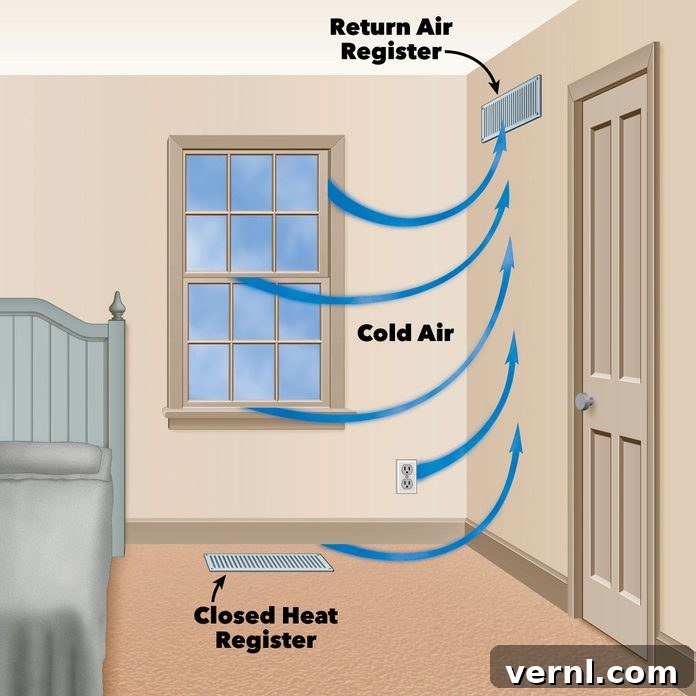
The surprising truth is that closing vents can actually contribute to higher heating bills. Here’s why: when a heat vent is closed, the suction from the return air duct, which is designed to pull indoor air back into the furnace for reheating, can inadvertently draw in cold, unconditioned air from outside. This infiltration occurs through tiny cracks and gaps around windows, exterior doors, and even exterior wall electrical boxes. This influx of cold air forces your furnace to work harder and longer to maintain the desired temperature, consuming more energy in the process.
“Closing certain heat registers in the home results in pressure imbalances within your ductwork, which can significantly overwork your HVAC system,” explains Andrew Hancock. “Over time, this increased strain can lead to premature wear and tear on critical components and even cause leaks in your ductwork, further compounding the problem.” These pressure issues can lead to a phenomenon known as “static pressure,” which is the resistance to airflow. When vents are closed, static pressure rises, making the blower motor work harder and potentially leading to higher electricity consumption for the fan itself, not just the furnace.
The Hidden Dangers of Pressure Imbalances
An HVAC system is a carefully calibrated network designed to distribute conditioned air evenly throughout your home. When you close off vents, you disrupt this delicate balance, causing a buildup of pressure in the parts of the ductwork leading to the closed vents and a decrease in pressure in other areas. This increased static pressure forces the blower motor to work harder, consuming more electricity and increasing the likelihood of premature failure. Furthermore, consistent high pressure can lead to:
- Reduced Airflow: While seemingly counterintuitive, increased pressure can actually reduce the overall airflow efficiency, meaning less heated air reaches the areas that need it most.
- Overheating of the Furnace: Furnaces, especially modern high-efficiency models, require a specific volume of airflow to operate safely and efficiently. Restricting this airflow can cause the furnace to overheat, leading to safety shutdowns (short cycling) and potentially damaging the heat exchanger, a very expensive component to replace.
- Compressor Damage (for AC systems): While this article focuses on heating, it’s worth noting that pressure imbalances also negatively impact air conditioning systems, potentially damaging the compressor due to improper refrigerant return.
- Increased Noise: The strained blower motor and restricted airflow can result in noticeable increases in operational noise from your HVAC unit and ductwork.
Why Duct Sealing is Paramount for Home Efficiency
The integrity of your ductwork plays a critical role in your heating system’s overall efficiency. If the seams of your heat ducts haven’t been sealed properly – a common issue in many homes – the extra pressure generated by closed-off vents will inevitably force hot air through these unsealed leaks. This means that instead of circulating into your living spaces, a significant portion of your expensively heated air, sometimes as much as 15 percent or more, is lost into unconditioned areas like basements, crawl spaces, and within floor cavities. This is essentially throwing money away, as you are paying to heat spaces that offer no comfort benefit to your family.
Beyond the immediate energy loss, a well-designed and finely tuned heating system relies on a consistent airflow to function correctly. Closing off too many rooms or vents creates an undue burden on your furnace. It struggles to distribute air against the increased resistance, leading to it working too hard. This overexertion can cause the system to operate outside its optimal range, accelerating wear and tear on components, reducing its lifespan, and potentially necessitating costly repairs. Therefore, if you are still considering isolating specific rooms, it becomes even more critical to hire an HVAC contractor. They can assess your system, identify potential vulnerabilities, and advise on the safest and most efficient methods to achieve your heating goals without damaging your valuable equipment.
Professional duct sealing addresses these vulnerabilities directly. Technicians use specialized mastic sealants or metallic tape to close all gaps and leaks in your ductwork, ensuring that conditioned air reaches its intended destination. This not only prevents heat loss but also helps maintain proper system pressure and airflow, allowing your HVAC unit to operate more efficiently and reliably. A well-sealed duct system is foundational to any effective home heating strategy.
Smarter Alternative Solutions to Closing Heating Vents
Simply closing the heat register and the room door without addressing the return air duct creates a paradoxical situation: it can actually increase cold air infiltration and ultimately cost you more than the savings you initially anticipated. Instead of resorting to methods that can harm your system and budget, consider these expert-approved alternatives that offer genuine energy efficiency and comfort:
“Instead of fully blocking the vents, I suggest using magnetic vent covers or airflow diverters to redirect the heat where you need it most,” advises Hancock. These accessories allow you to manage airflow direction and intensity without completely shutting off the vent, thereby mitigating the pressure imbalances that can damage your system. They offer a flexible, low-cost solution for fine-tuning comfort in specific areas.
However, for those truly committed to optimizing comfort and maximizing savings by avoiding heating unused spaces, a more advanced solution is highly recommended. “If you really want to focus on specific rooms and avoid heating unused ones, adding a zoning system and smart thermostats is a much better and more comprehensive solution,” Hancock emphasizes. “It will help you save significantly more energy and, critically, won’t damage your heating system.”
Understanding Zoning Systems and Smart Thermostats
- Zoning Systems: A zoning system divides your home into different temperature-controlled areas, or “zones.” Each zone has its own thermostat, allowing for independent temperature settings. Electronically controlled dampers installed within your ductwork open and close to direct heated air only to the zones that require it. This means you can keep a guest bedroom cooler when empty and warm it up only when occupied. This level of precise control eliminates wasted energy and maximizes comfort where it’s needed, all while your HVAC system operates within its designed parameters.
- Smart Thermostats: When integrated with a zoning system, smart thermostats elevate energy management to a new level. These devices learn your daily routines, can be controlled remotely via smartphone apps, and provide detailed energy usage reports. They allow you to program schedules for different zones, ensuring optimal comfort and energy savings. Some models even integrate with home automation systems, offering unparalleled convenience and efficiency. Investing in a zoning system with smart thermostats is a strategic move for long-term energy savings and enhanced home comfort.
Comprehensive Ways to Save Energy and Still Stay Warm During Winter
Beyond optimizing your heating system, there are numerous practical steps you can take to significantly reduce your energy consumption and maintain a warm, comfortable home throughout the colder months. Whether you’re battling rising heating costs or simply looking for cozy winter solutions, these comprehensive tips will help you stay warm and save energy effectively:
- Understanding Why Heating Bills Are Increasing This Winter: Gain insight into the factors contributing to higher energy costs so you can plan accordingly.
- Effective Strategies to Slash Your Heating Bills: Explore a variety of proven methods to significantly cut down on your winter heating expenses.
- Simple Tricks to Keep Your House Warm All Winter: Discover easy, everyday adjustments that can make a big difference in maintaining indoor warmth.
- Unexpected Ways to Keep Your House Warm This Winter: Learn innovative and often overlooked techniques to boost your home’s thermal efficiency.
- DIY Projects to Keep Your House Warm This Winter: Tackle simple home improvement projects that enhance insulation and reduce heat loss.
- Practical Ways to Warm Up a Cold Room That Actually Work: Find reliable solutions for notoriously chilly areas in your home.
- How to Keep Your House Warm During a Power Outage: Prepare for unexpected heating challenges with emergency warmth strategies.
- Best Ways to Heat a Garage In the Winter: Discover efficient and safe methods to keep your garage comfortable during cold months.
- How to Save on Heating Costs In an Apartment: Tailored advice for renters looking to reduce their energy consumption.
- Heating Myths You Need to Stop Believing: Separate fact from fiction regarding common heating practices to avoid costly mistakes.
- Simple Heating and Air Conditioning Fixes: Learn basic maintenance and troubleshooting tips for your HVAC system.
- Why You Shouldn’t Close Off Vents to Save Money in the Winter: Reiterate the core message with additional insights.
- This Fan Trick Can Keep Your House Warm All Winter: Explore an ingenious method using your ceiling fan to improve heat distribution.
Additional Home Efficiency Tips:
- Seal Drafts: Use weatherstripping on doors and windows, and caulk around frames and any exterior penetrations to prevent cold air from entering and warm air from escaping.
- Improve Insulation: Ensure your attic, walls, and crawl spaces are adequately insulated. Proper insulation acts as a barrier to heat transfer, keeping warmth inside.
- Maintain Your Furnace: Schedule annual professional maintenance for your furnace. A well-maintained unit runs more efficiently and is less prone to breakdowns.
- Change Air Filters Regularly: Clogged air filters restrict airflow, making your furnace work harder. Replace them every 1-3 months, especially during peak heating seasons.
- Use Window Coverings: Close blinds, curtains, or drapes at night to add an extra layer of insulation against cold windows. Open them during the day to let in natural sunlight for passive heating.
- Lower Thermostat Settings: Even a slight reduction in your thermostat setting (e.g., by 1-2 degrees) can lead to noticeable savings without significantly impacting comfort. Consider programmable thermostats to automatically adjust temperatures when you’re away or asleep.
- Utilize Space Heaters Strategically: For short periods in a single room, a portable space heater can be more energy-efficient than heating your entire home. Ensure it has safety features like tip-over protection.
- Dress in Layers: Embrace cozy winter attire indoors. A sweater or warm socks can make a big difference and allow you to set your thermostat a bit lower.
About the Expert: Andrew Hancock
Since 2013, Andrew Hancock has served as the distinguished President of Gilman Heating, Cooling & Plumbing. This highly respected company, based in Virginia, boasts a century-long legacy of providing exceptional home comfort services. Prior to his leadership role at Gilman Heating, Andrew dedicated many years to honing his skills first as a plumber and subsequently as an HVAC expert. This extensive hands-on experience provided him with a robust foundation of practical knowledge and technical expertise, making him a trusted authority in the field of home heating and cooling systems.