In the realm of household chores, few topics spark as much debate and conflicting advice as laundry. Ask a dozen people how they wash their clothes, and you’re likely to get a dozen different answers, each steeped in personal tradition, generational wisdom, or modern convenience. From meticulously separating whites, colors, and delicates, each subjected to its own specific water temperature, to the ‘everything-in-together’ approach of busy parents, laundry routines are as varied as the clothes we wear.
For decades, the conventional wisdom dictated that hot or warm water was essential for truly clean clothes, especially for tackling dirt and germs. The idea of washing everything in cold water might have once seemed radical, or even ineffective, to many. However, with growing awareness about energy conservation, environmental impact, and advancements in laundry technology, the tide is turning. Organizations like Energy Star now champion cold water as a perfectly viable, if not superior, option for most loads.
But does cold water truly deliver on its promise of cleanliness, or is its appeal primarily rooted in saving money and resources? To answer this pivotal question, we delve into the insights of textile experts and environmental data, exploring why cold water laundry isn’t just a trend, but a smart, sustainable, and effective choice for modern households.
The Ultimate Guide to Cold Water Laundry: Save Energy, Preserve Clothes & Protect the Planet
Understanding the best practices for washing your clothes can significantly impact their longevity, your utility bills, and even the health of our planet. Let’s explore the compelling benefits of embracing cold water for the majority of your laundry needs.
The Compelling Case for Cold Water Laundry
Textile expert Frej Lewenhaupt, cofounder and CEO at Steamery, is a strong advocate for cold water washing. He asserts that cold water should be your primary choice for laundry, offering a trifecta of benefits: energy conservation, superior garment care, and environmental protection. He notes that cold water is especially effective for today’s diverse array of fabrics, including synthetic blends, delicate items, activewear, and clothing that isn’t heavily soiled.
Significant Energy Savings & Lower Utility Bills
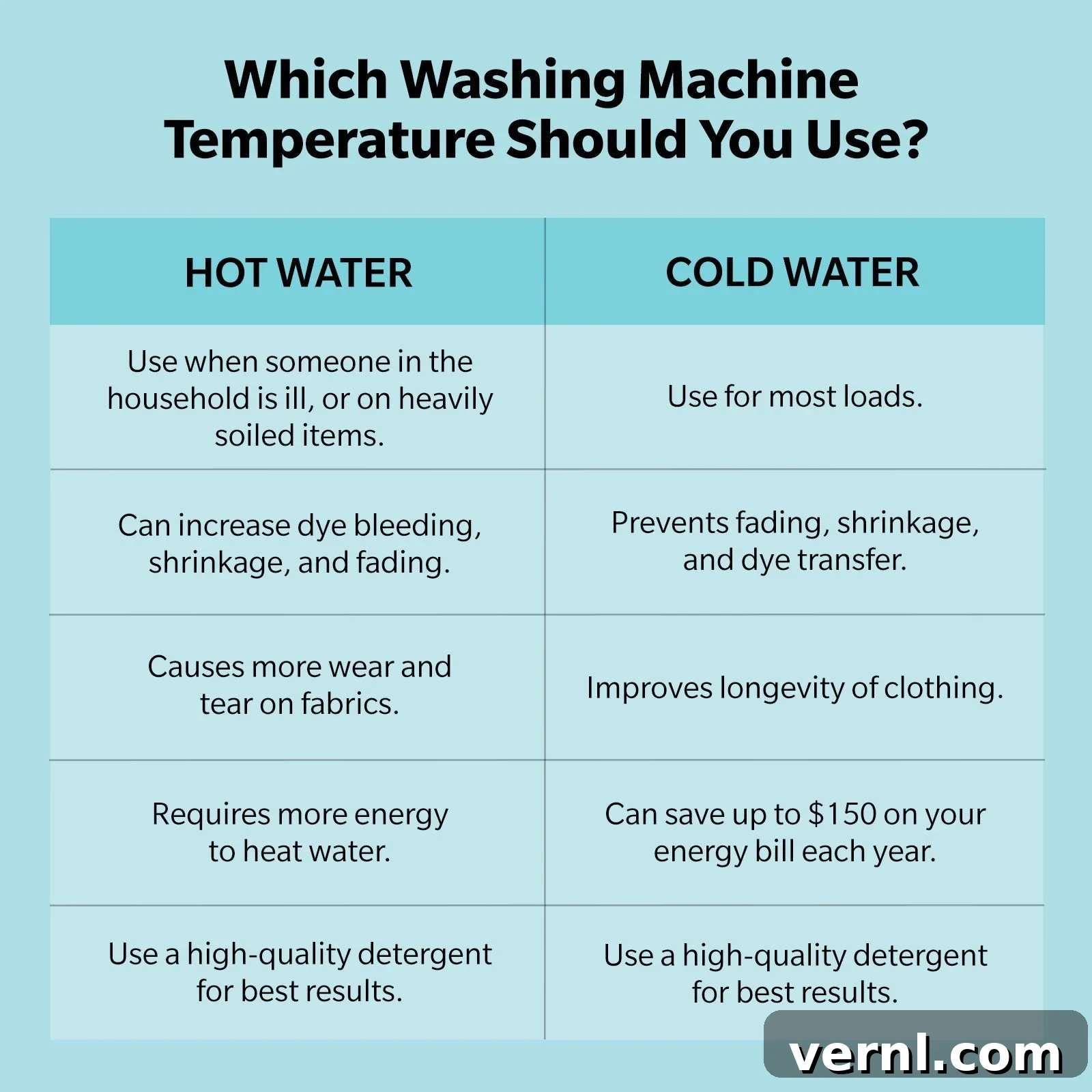
One of the most immediate and tangible benefits of switching to cold water laundry is the substantial reduction in energy consumption. Heating water accounts for a staggering amount of the energy used during a wash cycle—up to 90%, according to Energy Star. This means that a large majority of your washing machine’s energy draw is dedicated to warming the water, not to the mechanics of the wash itself.
By making the simple switch to cold water for every load, American families, on average, can save approximately $66 per year on their energy bills. This calculation is based on an average of 300 loads washed annually. While individual savings may fluctuate depending on specific laundry habits and local energy costs, the cumulative impact over years can be considerable, freeing up funds that would otherwise be spent on utility expenses. Beyond the personal financial gain, this collective reduction in energy demand contributes to a decrease in the overall carbon footprint associated with household electricity generation, benefiting the entire grid and environment.
Preserving Fabric Integrity & Extending Garment Lifespan
Beyond the financial and energy savings, cold water offers significant advantages for the clothes themselves. High temperatures are notorious for accelerating wear and tear on fabrics. Hot water can cause dyes to bleed and fade, leading to duller colors over time. It can also cause certain fabrics, particularly cottons and some blends, to shrink, stretch, or lose their original shape and elasticity. Delicates like silk, lace, and certain synthetic athletic wear are particularly vulnerable to heat damage, which can break down their fibers and compromise their performance and feel.
Cold water washing, conversely, is far gentler on garments. It helps to maintain the structural integrity of fibers, preventing premature shrinking, stretching, and fading. This means your favorite jeans retain their fit, colorful tops stay vibrant, and delicate items last longer. By preserving the quality and appearance of your clothes, you extend their usable life, reducing the need for frequent replacements. This longevity not only saves you money but also contributes to a more sustainable consumption pattern, as fewer new items need to be purchased.
A Crucial Step in Combating Microplastic Pollution
The benefits of cold water washing extend far beyond your wallet and wardrobe; they also play a vital role in environmental conservation. Our clothing, especially items made from synthetic materials like polyester, nylon, and acrylic, sheds tiny plastic fibers—known as microfibers—during the wash cycle. These microscopic particles are too small to be filtered out by most wastewater treatment plants and subsequently enter our rivers, lakes, and oceans. Once in aquatic environments, microplastics wreak havoc on marine life, entering the food chain and accumulating in organisms, potentially affecting their health and even ours.
Laundry is recognized as a significant cause of this growing environmental problem. Scientific studies suggest that washing clothes in colder water can significantly reduce the amount of microfiber shedding compared to hot water washes. The gentler action of cold water, combined with reduced thermal stress on the fabric, helps to keep these tiny fibers intact within the garment. By choosing cold water, you’re not just cleaning your clothes; you’re actively participating in a crucial effort to mitigate microplastic pollution and protect our delicate marine ecosystems.
When Warmer Temperatures Are Justified (and How to Decide)
While cold water is the champion for most laundry needs, there are specific scenarios where increasing the water temperature can be beneficial or even necessary. Lewenhaupt acknowledges that while cold water is incredibly versatile, it’s wise to be strategic about temperature for certain items and situations.
Tackling Stubborn Stains on Cotton
For heavily stained cotton clothing, such as work uniforms, children’s play clothes caked with mud, or items with food grease, a warm water wash can be more effective. Warm water can help to loosen oils and grime, allowing detergents to penetrate and lift stains more efficiently. However, it’s crucial to pre-treat stains before washing, regardless of water temperature, for the best results. Always check the care label to ensure the fabric can withstand warmer temperatures without damage or excessive fading.
Sanitization for Health & Hygiene
When someone in your household is sick, or for items that require a higher level of sanitization, such as cloth diapers, cleaning rags, or medical linens, a hot water wash can be appropriate. Researchers at the University of Arizona note that washing clothes at any temperature—even cold—significantly reduces common household germs. However, upping the temperature to hot, or utilizing a “sanitize” cycle if your washer offers one, provides an extra layer of protection by killing a broader spectrum of bacteria and viruses.
For everyday items like sheets and towels, which often accumulate skin cells and body oils, a hot water wash every so often can help maintain their freshness and hygiene, especially if they feel less than clean after a cold wash. That said, many modern detergents are formulated to provide excellent cleaning and germ reduction even in cold water, making hot washes less frequently essential than in the past.
Always Consult the Care Label
When in doubt about the appropriate washing temperature, the definitive guide is always the garment’s care label. Manufacturers provide specific care instructions designed to maximize the life and appearance of their products. Ignoring these labels can lead to irreparable damage, such as shrinking, stretching, or fading. Familiarize yourself with common laundry symbols, and if a cold wash is recommended, trust that the manufacturer has engineered the fabric to perform best under those conditions.
Modern Detergents: Empowering Cold Water Effectiveness
The question of whether cold water truly gets clothes clean is often rooted in outdated assumptions. Historically, detergents relied heavily on hot water to activate their cleaning agents and dissolve effectively. However, significant advancements in detergent chemistry have revolutionized laundry practices. “To keep clothes looking their best, we recommend always washing in cold water if possible,” Lewenhaupt reiterates, confident in the capabilities of modern formulations.
Today’s laundry detergents are specifically engineered with enzymes and surfactants that are highly effective even at low temperatures. Enzymes, for example, are biological catalysts that break down specific types of stains (e.g., proteases for protein stains like blood or grass, amylases for starch, and lipases for fats and oils). These enzymes are often *more* effective in cooler temperatures, as excessive heat can actually denature and deactivate them. Surfactants, on the other hand, reduce the surface tension of water, allowing it to penetrate fabrics more easily and lift dirt and grime. Modern surfactants are designed to perform optimally in a wide range of water temperatures, including cold.
This scientific evolution means that you no longer have to worry that a cold water wash will leave behind dirt, grime, or unpleasant odors. With the right detergent, cold water can deliver a clean, fresh, and vibrant result comparable to, or even better than, a hot water wash, without the associated energy costs and fabric wear.
Mastering Cold Water Washing: Essential Tips for Optimal Results
If you’re ready to make the switch to cold water laundry, a few best practices can help you achieve the best possible results, ensuring your clothes are clean, fresh, and well-preserved.
-
The Art of Sorting Your Laundry: Beyond Just Color
Using the same water temperature for all your loads doesn’t negate the importance of proper sorting. While sorting by color is crucial to prevent dye transfer and the dreaded “pink whites,” sorting by fabric type and soil level is equally important. Washing heavy jeans with delicate lace items can cause friction and damage. Similarly, heavily soiled items might require a separate cycle or pre-treatment before joining a load of lightly worn clothes. Sorting by fabric ensures that each item receives the appropriate agitation and care, helping clothes last longer and look better.
-
The Right Amount: Less is Often More with Detergent
A common misconception is that more detergent equals cleaner clothes. In reality, excess soap can be detrimental. It doesn’t rinse out properly, leaving behind residue that can make clothes stiff, dingy, and even irritating to sensitive skin. This residue can also trap dirt, making clothes appear less clean over time. How much detergent do you really need? Less than you think! For a standard full load, two tablespoons of liquid detergent is often sufficient. Modern high-efficiency (HE) washing machines use less water, making it even more critical to use less detergent to avoid oversudsing and residue.
-
Liquid vs. Powder: The Cold Water Advantage
While powdered detergents are excellent at blasting away stains, they can sometimes struggle to dissolve completely in cold water, especially during shorter wash cycles. Undissolved powder can leave chalky residues on clothes or even clog your washing machine’s dispenser. Liquid detergent, by contrast, disperses and dissolves much more effectively in cold water, ensuring even distribution of cleaning agents and preventing unwanted residues. It’s generally your best bet for cold water washing.
-
Harnessing the Power of Cold Water Specific Detergents
The increasing popularity of cold water washing has spurred detergent manufacturers to innovate. Many companies now formulate (or prominently remarket) their products specifically for cold water use. These “cold water detergents” contain optimized blends of enzymes and surfactants that are designed to perform at their peak in cooler temperatures. While most modern liquid detergents work well in cold water, opting for a product explicitly labeled for cold washing can offer an extra layer of assurance for superior cleaning performance.
In conclusion, the era of mandatory hot water for laundry is largely behind us. With advanced detergent formulations and a deeper understanding of fabric care, cold water washing has emerged as the clear winner for most households. It’s a simple, yet powerful, shift that allows you to significantly cut down on energy consumption, extend the life and vibrancy of your clothing, and make a tangible contribution to reducing microplastic pollution. By adopting a few smart habits—sorting effectively, using the right amount and type of detergent—you can unlock the full potential of cold water laundry, achieving impeccably clean clothes while benefiting both your budget and the planet.