The Evolving Reality of Fireplaces: From Cozy Charm to Modern Compliance
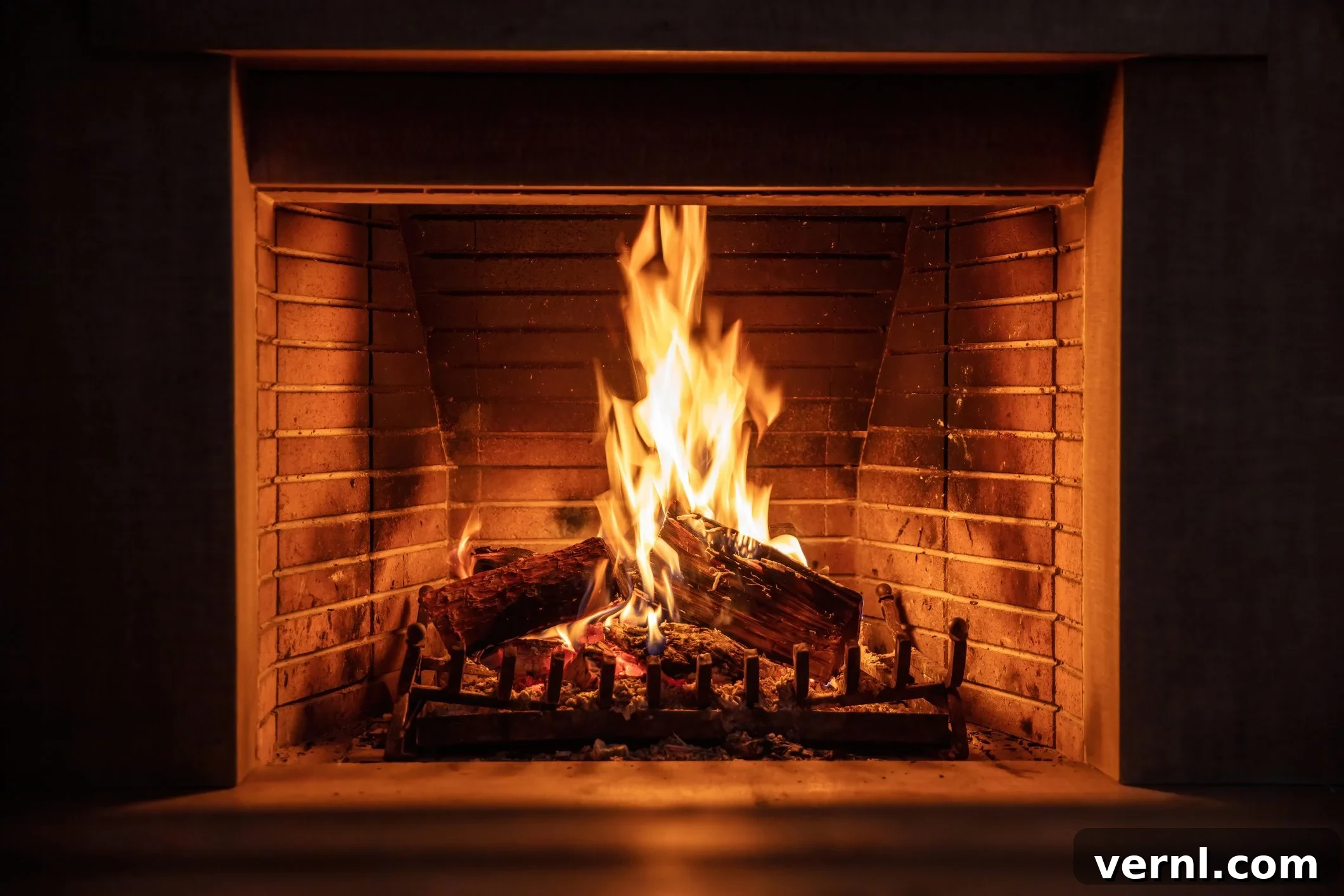
The timeless image of a family gathered around a fireplace, sipping hot drinks and basking in a warm, flickering glow, evokes a powerful sense of comfort and tradition. This romantic ideal has long been a staple of homeownership, symbolizing warmth, relaxation, and togetherness. However, the reality of traditional wood-burning fireplaces in the 21st century is far more complex than this idyllic vision suggests. While undeniably charming, these hearths often fall short when it comes to effectively heating a home and, more critically, now face stringent regulations due to their significant environmental and health impacts.
Consider the experience of a friend who owns a sprawling 1950s-era home in California’s Marin County. Her beautiful, grand fireplace, a focal point of her living room, offered little practical warmth. Whenever she decided to light a fire – a rare occurrence – the heat would radiate only a few feet in front of the hearth. Paradoxically, the burning logs created a powerful updraft, drawing significant amounts of cold air from every available crack around doors and windows into the house, effectively making the rest of her home colder. This phenomenon, largely unappreciated by earlier generations of builders, highlights a fundamental inefficiency. Furthermore, the environmental ramifications of the smoke billowing into the atmosphere were also not fully understood or considered in the mid-20th century. Today, the story is quite different; her fireplace is now subject to some of the strictest regulations in the country, making its use illegal.
The Inefficiency of Traditional Wood Fireplaces
Beyond their aesthetic appeal, traditional open wood-burning fireplaces are inherently inefficient as a primary heat source. Their design, while classic, is a significant source of heat loss. The massive amounts of air drawn up the chimney, known as the “chimney effect” or “stack effect,” aren’t just expelling smoke; they’re also expelling a substantial portion of your home’s heated air. This hot air is then replaced by cold, unconditioned air sucked in from outside through various leaks in the building envelope, such as gaps around windows, doors, and electrical outlets. This constant cycle creates a net heat loss for the entire house, forcing your primary heating system to work harder and consume more energy, ultimately increasing your utility bills.
Moreover, the radiant heat from an open fire is largely localized. While it might feel warm directly in front of the hearth, the warmth quickly dissipates into the surrounding room and fails to penetrate deeper into the home. Modern building science emphasizes energy efficiency and tight envelopes, making traditional open fireplaces counterproductive to contemporary heating strategies. Their role has largely shifted from functional heating appliances to decorative or occasional use items, and even that usage is becoming increasingly scrutinized.
The Shifting Landscape: Are Wood-Burning Fireplaces Still Permitted?
Times have undeniably changed. Thanks to remarkable advancements in home heating technologies, coupled with a growing global awareness of air quality and environmental protection, the status of traditional wood-burning fireplaces has undergone a dramatic transformation. What was once a standard feature in many homes is now experiencing a significant decline, with their use and installation increasingly subject to rigorous local, state, and even federal regulations. This shift reflects a broader societal commitment to reducing air pollution and promoting healthier living environments.
Many communities across the United States, particularly those prone to air inversions or with high population densities, have implemented stringent rules governing wood-burning appliances. These regulations can range from seasonal burn bans to outright prohibitions on new installations, and even mandates for the removal of non-compliant units when a property is sold. The aim is clear: to mitigate the adverse impacts of wood smoke on both public health and the environment. Marin County, California, for instance, stands out with some of the most stringent fireplace restrictions nationwide, effectively rendering many older, less efficient units obsolete.
Understanding these evolving regulations is crucial for any homeowner, whether you’re considering a new installation, planning to use an existing fireplace, or even preparing your home for sale. Ignorance of the law can lead to significant fines and the inconvenience of having to modify or remove non-compliant systems.
Understanding the Environmental and Health Impacts of Wood Smoke
The romantic allure of a crackling wood fire often distracts from a sobering reality: wood smoke is a complex cocktail of harmful pollutants. Unlike the clean-burning fuels used in modern furnaces or natural gas fireplaces, wood combustion is an incomplete process that releases a wide array of toxic substances into the atmosphere, both indoors and outdoors. The Environmental Protection Agency (EPA) has extensively documented these emissions, highlighting their significant health risks.
Air Pollution & Health Risks
When wood burns, it emits combustion gases that are far from benign. These include benzene, formaldehyde, acrolein, and polycyclic aromatic hydrocarbons (PAHs). These compounds are recognized carcinogens and irritants. Inhaling them can immediately lead to burning eyes, runny noses, and throat irritation. More alarmingly, long-term exposure can significantly exacerbate chronic respiratory conditions such as asthma, bronchitis, and emphysema. Individuals with pre-existing heart ailments are also at heightened risk, as these pollutants can contribute to cardiovascular stress and increase the likelihood of heart attacks and strokes.
Beyond these gases, wood smoke is a primary source of fine particulate matter (PM2.5), a form of pollution invisible to the naked eye. These microscopic particles are small enough to penetrate deep into the lungs and even enter the bloodstream. Once in the body, PM2.5 can trigger systemic inflammation and oxidative stress, contributing to a cascade of negative health outcomes. Research has linked chronic exposure to particulate matter from wood smoke to an increased risk of obesity and diabetes, shedding light on the far-reaching and insidious effects of seemingly innocuous smoke.
Vulnerable populations, including children, the elderly, and individuals with chronic diseases, are particularly susceptible to the adverse effects of wood smoke. Children’s developing respiratory systems are more sensitive, and exposure can lead to more frequent and severe respiratory infections. For the elderly, compromised immune systems and existing health conditions make them more vulnerable to both acute and chronic impacts. The indoor air quality can be significantly compromised even with a seemingly well-vented fireplace, as some smoke inevitably escapes into the living space.
Beyond Health: Fire Hazards
In addition to air quality concerns, traditional fireplaces are potential fire hazards. The very sound we often associate with comfort – the soothing crackling of logs – is produced by small gas explosions within the wood. These minor explosions can unfortunately propel burning embers out of the firebox and into the room, posing a direct threat to carpets, furniture, and any nearby flammable materials. A spark screen or glass doors are essential but not always foolproof.
According to the National Fire Protection Association (NFPA), fireplaces are the second leading cause of fire damage from home heating appliances, highlighting a significant safety concern for homeowners. Beyond interior risks, embers can also escape from chimneys that lack proper spark arrestors. These airborne embers can travel considerable distances, especially on windy days, and are a documented cause of devastating wildfires, particularly in drought-prone or heavily wooded regions. Regular chimney cleaning and inspection are vital to mitigate creosote buildup, which is highly flammable and can lead to dangerous chimney fires that are often difficult to detect and extinguish, risking the entire structure.
Navigating the Legalities: Where Are Wood-Burning Fireplaces Restricted?
While wood remains a significant source of heating fuel in many parts of the United States, a growing number of communities have proactively adopted strict measures to control the air pollution generated by wood-burning devices. These regulations reflect a commitment to public health and environmental stewardship, often driven by local air quality agencies and public health initiatives. The specifics of these restrictions can vary widely, but they generally aim to limit the emission of particulate matter into the atmosphere.
Geographic Breakdown of Restrictions
- Marin County, California and Tacoma-Pierce County, Washington: These areas represent the forefront of strict regulations, outright prohibiting the use of fireplaces or wood stoves that are not EPA-certified. To achieve EPA certification, an appliance must meet rigorous standards, emitting no more than 2.0 or 2.5 grams of particulate matter per hour through the chimney, depending on the specific testing protocol. This threshold is significantly lower than emissions from traditional, uncertified units.
- San Francisco Bay Area, New York City, and the Denver Metro Area: Building authorities in these major metropolitan areas have taken a definitive stance against new installations. They forbid the construction of new wood-burning fireplaces or wood stoves. Denver, however, offers a slight exception, allowing new installations only if they incorporate an EPA Phase II wood-burning insert, which drastically reduces emissions. In the Bay Area, the prohibition extends to wood stoves as well, and perhaps most notably, wood burning is entirely prohibited on designated “Spare the Air” days – periods of high air pollution where additional emissions would further compromise air quality. Violators caught burning wood on these days can face substantial fines, ranging from $100 to $500.
- Other Communities with Sales and Installation Restrictions: A broader range of states and specific communities have enacted regulations prohibiting the sale or installation of non-certified fireplaces and wood stoves. These states include Washington, Oregon, and Colorado. Specific communities under these restrictions include Summit County, Colorado; Fairbanks, Alaska; and California’s San Joaquin Valley and the Town of Mammoth Lakes. These regulations ensure that any new or replacement wood-burning appliance meets modern emissions standards.
- Mandatory Removal for Home Sales: In some areas, the commitment to clean air extends to property transactions. In Oregon, Marin County, and Fairbanks, Alaska, homeowners are mandated to remove any non-certified wood stove or fireplace before they can sell their home. This requirement ensures that older, high-polluting units are phased out of use over time, contributing to long-term improvements in regional air quality.
These regulations underscore the importance of checking local ordinances before purchasing, installing, or even using a wood-burning fireplace. What is permissible in one community may be strictly forbidden in another, and non-compliance can lead to considerable financial penalties and legal issues.
Modernizing Your Fireplace: Can an Old Fireplace Be Upgraded to Be Legal?
For homeowners with existing, older wood-burning fireplaces, the question of legal compliance is often paramount. Unfortunately, if your home features an old, open fireplace or one that lacks an EPA-certified insert, there is generally no straightforward way to “convert” or “modify” it to achieve modern EPA certification. This is because certification is a rigorous process that occurs at the factory level, where appliances are meticulously tested to meet stringent emission standards. Once certified, the appliance bears a specific label verifying its compliance.
EPA Phase II Wood-Burning Inserts
While an old open fireplace itself cannot be certified, it may be legal to install an EPA Phase II wood-burning fireplace insert into its existing firebox. These inserts are self-contained units designed to fit into an existing masonry fireplace, effectively transforming it into a much more efficient and cleaner-burning appliance. They are manufactured to meet the latest EPA emission standards, drastically reducing particulate matter compared to an open hearth. However, it is absolutely crucial to note that while the insert itself may be certified, the final word on its legality and installation in your specific location rests with local health and fire authorities. They will assess factors like chimney integrity, venting requirements, and local zoning laws.
EPA Qualified vs. EPA Certified: A Critical Distinction
It’s important to understand a subtle yet critical distinction often encountered in the market: EPA qualified versus EPA certified. Some open fireplaces and fireplace inserts may be advertised as “EPA qualified” because manufacturers tested them in a voluntary program under the American Society for Testing and Materials (ASTM). While ASTM standards promote safety and performance, this is not the same as full EPA certification. The ASTM standard is typically not as strict as the EPA’s mandatory certification requirements, especially regarding particulate matter emissions.
Crucially, EPA-qualified wood-burning appliances cannot be used in areas where full EPA certification is legally required. Misunderstanding this difference can lead to the purchase of a unit that, despite its “qualified” status, is still illegal for use in your specific community. Always look for a clear “EPA Certified” label and confirm it meets the current emissions standards for your jurisdiction.
Before making any modifications or purchases, always consult with certified hearth professionals and your local building department to ensure complete compliance with all relevant regulations and codes. This proactive approach can save you from costly mistakes and ensure the safety and legality of your heating solution.
Embracing Modern Warmth: Alternatives to Traditional Wood-Burning Fireplaces
If your existing wood-burning fireplace is no longer legal, efficient, or simply doesn’t align with your desire for cleaner air and greater convenience, a wealth of modern alternatives exists. These options provide the ambiance and warmth you seek without the environmental drawbacks, health risks, or intensive maintenance of traditional wood burning.
Gas Fireplace Inserts
A popular and highly effective alternative is to install a gas fireplace insert. These units fit directly into your existing fireplace opening, transforming it into a clean-burning, efficient heat source. Gas log inserts can incredibly closely resemble a real wood fire, complete with realistic ceramic logs and glowing embers, often featuring adjustable flame heights for customizable ambiance. They emit significantly fewer atmospheric pollutants compared to wood, making them a much healthier choice for indoor air quality. However, installation typically requires running a new gas pipe to the fireplace, which involves professional plumbing work. Gas inserts are available in both vented (venting outside) and vent-free (burning clean enough to operate without a chimney, though local codes vary) options, offering flexibility in installation and heating efficiency.
Electric Fireplaces
For ultimate convenience and zero emissions, an electric fireplace insert or freestanding unit is an excellent choice. Electric fireplaces produce no combustion byproducts whatsoever, meaning no pollutants are released into your home or the atmosphere. They require only an appropriate electrical circuit nearby, making installation incredibly simple – often just plugging it in. While they may not offer the same exact flame realism as gas or wood, modern electric models feature highly convincing LED flame effects, often with customizable colors and brightness. They provide supplemental zone heating, allowing you to warm only the room you’re in, contributing to energy savings. Electric fireplaces are also the safest option, with no open flame or hot surfaces that can pose a burn risk, making them ideal for homes with children or pets.
Bioethanol (Alcohol Gel Fuel) Fireplaces
Alcohol gel fuel presents a unique and aesthetically pleasing third alternative. These fireplaces burn bioethanol fuel, typically contained in cans, which you simply place in the designated area and light. Most cans will burn cleanly for about three hours, producing a real flame without the need for a chimney or elaborate venting system. Bioethanol fireplaces are virtually smokeless and produce minimal odors, making them suitable for indoor use where venting isn’t feasible. While they excel at providing ambiance and a real flame, it’s important to manage expectations regarding heat output. Gel fuel fireplaces provide some warmth, but they are generally not designed as a primary heat source; their strength lies in creating that cozy visual effect and atmosphere.
Other Modern Heating Solutions
Beyond direct fireplace alternatives, modern home heating includes highly efficient options like heat pumps and EPA-certified pellet stoves. While pellet stoves still burn solid fuel, they do so with significantly higher efficiency and much lower emissions than traditional wood stoves, often operating automatically with a thermostat. Heat pumps offer extremely efficient heating and cooling, providing whole-home comfort without combustion. Exploring these broader home heating solutions can further enhance energy efficiency and reduce your environmental footprint.
Choosing Your Ideal Indoor Fireplace: Safety, Style, and Maintenance
Navigating the world of indoor fireplaces, whether traditional or modern, requires a comprehensive understanding of various factors. From selecting a style that complements your home’s aesthetic to ensuring impeccable safety standards and adhering to proper maintenance routines, knowing the essentials will empower you to make informed decisions and get the most out of your indoor heating or ambiance solution. As regulations evolve and technology advances, making the right choice for your home has never been more critical.
- Indoor Fireplace Safety for Beginners
- How to Properly Babyproof a Fireplace
- Best Indoor and Outdoor Ethanol Fireplaces
- How to Clean a Brick Fireplace
- What You Need to Know About Bathroom Fireplaces
- A Step-by-Step Guide to Fireplace Refacing
- Tips for Choosing Fireplace Andirons and Grates
- Everything You Need to Know About a Fireplace Damper
In conclusion, while the romantic appeal of a traditional wood-burning fireplace endures, the practical realities of modern living, including air quality concerns, health impacts, and evolving regulations, necessitate a shift in perspective. Homeowners today are faced with the responsibility to understand these complexities and make choices that prioritize safety, efficiency, and environmental well-being. Thankfully, the market offers a diverse range of innovative and compliant alternatives that can deliver the warmth and ambiance of a fireplace without the associated drawbacks, ensuring that the heart of your home remains a source of comfort and joy for years to come.