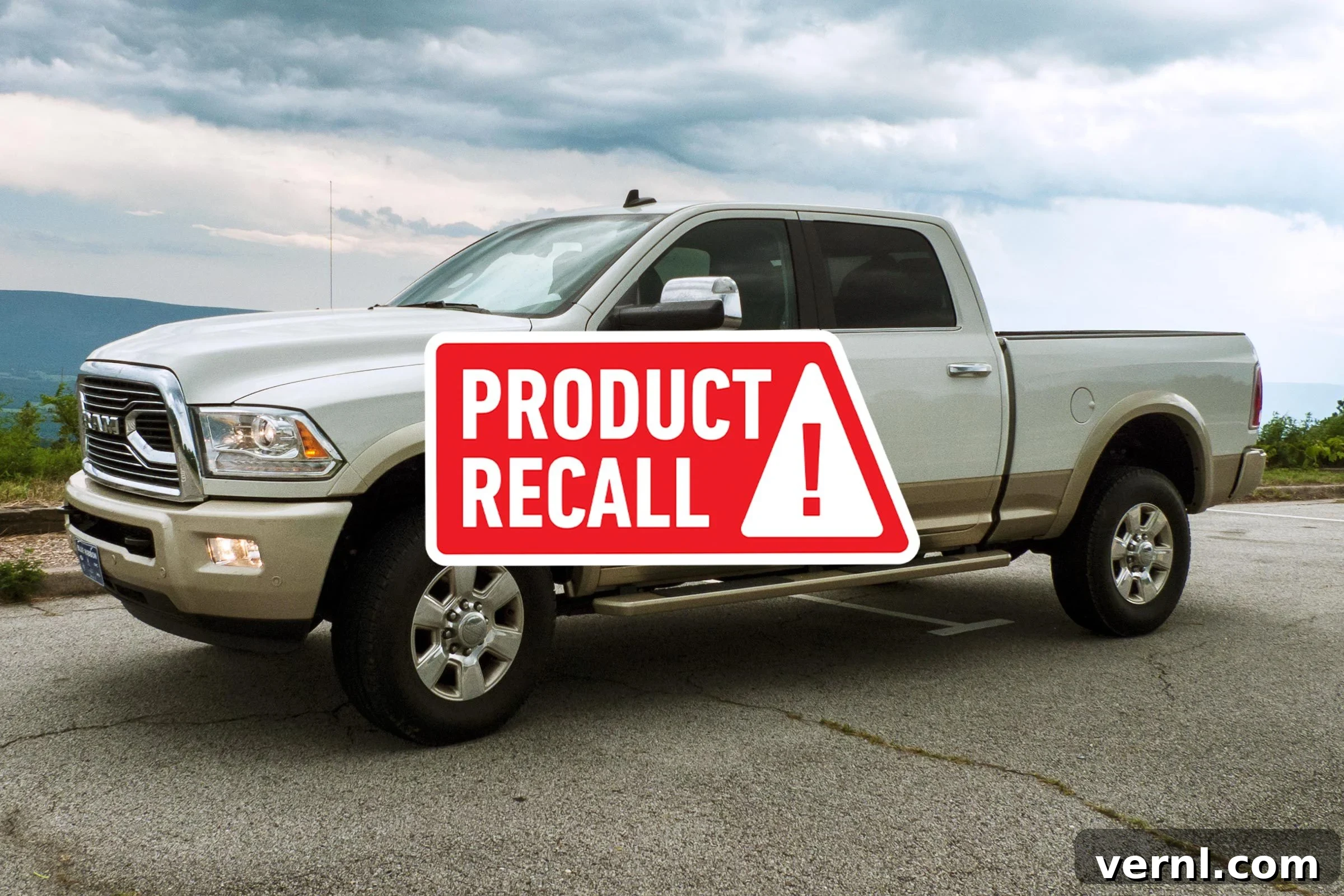
When it comes to navigating the roads safely, few components of your vehicle are as critical as its braking system. The ability to stop effectively and reliably is paramount, directly influencing driver and passenger safety. This fundamental truth underscores the gravity of a recent announcement from Stellantis, initiating a significant recall involving hundreds of thousands of RAM trucks. This recall addresses a potentially serious defect within their braking systems, a malfunction that could have dire consequences if not promptly resolved. If your truck falls within the scope of this recall, immediate action is not just recommended, it’s essential. This comprehensive guide will equip you with all the vital information you need to understand the issue and navigate the resolution process efficiently.
Understanding the Critical Role of Your Vehicle’s Braking System
Before diving into the specifics of the RAM recall, it’s crucial to appreciate the complexity and importance of modern vehicle braking systems. Today’s vehicles rely on advanced technologies far beyond simple mechanical pads and rotors. Key among these are the Anti-lock Braking System (ABS), Electronic Stability Control (ESC), and Traction Control. These systems work in concert to prevent skidding, maintain steering control during emergency braking, and optimize traction, especially in adverse conditions.
- Anti-lock Braking System (ABS): The ABS prevents the wheels from locking up during hard braking. When a wheel begins to lock, ABS rapidly modulates brake pressure, allowing the wheel to continue rotating at a controlled speed. This modulation helps the driver maintain steering ability and reduces stopping distances on slippery surfaces.
- Electronic Stability Control (ESC): ESC is a sophisticated system designed to help drivers maintain control of their vehicle during extreme steering maneuvers. It detects and reduces loss of traction (skidding) by applying the brakes to individual wheels and, if necessary, reducing engine power. This helps prevent rollovers and spin-outs.
- Traction Control: Similar to ABS, traction control prevents the drive wheels from spinning excessively when accelerating on slippery surfaces. It does this by either reducing engine power or applying the brakes to the spinning wheel, thereby transferring power to the wheels with better grip.
A malfunction in any of these interconnected systems can severely compromise a vehicle’s stability and stopping capability, transforming a routine drive into a perilous situation. This is precisely the concern driving the Stellantis RAM truck recall.
The Scope of the Stellantis RAM Recall: Which Models Are Affected?
The recall initiated by Stellantis, in cooperation with the National Highway Traffic Safety Administration (NHTSA), impacts a significant number of RAM heavy-duty trucks from specific model years. According to the official NHTSA report, dated November 27, 2024, a total of 317,630 trucks are identified as having the potential defect. The recall specifically targets the following eight Stellantis truck models, all from the 2017 and 2018 model years:
- 2017 RAM 2500
- 2018 RAM 2500
- 2017 RAM 3500
- 2018 RAM 3500
- 2017 RAM 4500
- 2018 RAM 4500
- 2017 RAM 5500
- 2018 RAM 5500
The substantial number of vehicles affected underscores the widespread nature of this manufacturing concern. Stellantis is committed to notifying all impacted owners directly. These official notification letters are scheduled to be mailed in early January 2025. It is imperative for owners of these specific RAM truck models to be vigilant for this correspondence. Even if you do not receive a letter by late January, but own one of the listed models, it is highly recommended to proactively check your vehicle’s recall status, as mailing delays or address changes can occur. You can typically do this by entering your Vehicle Identification Number (VIN) on the NHTSA recall website or by contacting a Stellantis dealer.
Delving Deeper into the Cause: Why Are These RAM Trucks Being Recalled?
The core of this recall lies within a critical component of the braking system: the Hydraulic Control Unit (HCU). The NHTSA report pinpoints that certain RAM trucks from the specified model years “may have been built with a brake [hydraulic control unit (HCU)] that is susceptible to failure or malfunction, which may result in a reduction or change of ABS/ESC/Traction Control performance.”
The HCU is a vital electro-mechanical component that precisely controls the hydraulic pressure delivered to each wheel caliper. It is the brain behind the ABS, ESC, and Traction Control systems, interpreting signals from various sensors (like wheel speed sensors, steering angle sensors, and yaw rate sensors) to modulate brake fluid pressure as needed. A properly functioning HCU ensures these safety systems can intervene effectively when driving conditions demand it.
When an HCU is “susceptible to failure or malfunction,” it means there’s an inherent defect, likely stemming from the manufacturing process or a component flaw, that makes it prone to erratic or complete failure. This malfunction can manifest as a diminished capacity or an outright failure of the HCU to properly regulate brake pressure. The direct consequence of such a failure is a degradation in the performance of the ABS, ESC, and Traction Control systems. Instead of working as designed to prevent skidding and maintain stability, these crucial safety features may perform inconsistently, poorly, or not at all.
While Stellantis has not reported any injuries directly linked to this specific recall issue to date, the potential risks are severe. The manufacturer explicitly noted that leaving this HCU issue unaddressed could lead to an “intermittent and, eventually, permanent loss of the anti-lock braking system and traction control.” Such a loss significantly increases the risk of a driver losing control of the vehicle, particularly during emergency braking, on slippery surfaces, or during evasive maneuvers. The ultimate, and most dangerous, outcome of this loss of control is a significantly increased likelihood of a vehicle crash. This potential for serious accidents underscores the urgent nature of the recall and the necessity for immediate repair.
What Steps to Take if Your RAM Truck is Part of This Recall
If you discover that your 2017 or 2018 RAM 2500, 3500, 4500, or 5500 truck is subject to this recall, it is imperative to act swiftly and decisively to ensure your safety and the safety of others on the road. Fortunately, Stellantis has committed to addressing this issue at no cost to the owners.
Here’s a detailed guide on the steps you should take:
- Await Official Notification: Stellantis will send official recall letters to all registered owners of affected vehicles in early January 2025. This letter will provide specific instructions, verify your vehicle’s inclusion in the recall, and offer additional details about the repair process. While waiting, remain informed and consider proactive checks.
- Verify Your Vehicle’s Status Proactively: If you own one of the models listed and want to confirm its recall status before receiving the letter, you can use your 17-digit Vehicle Identification Number (VIN) to check the NHTSA recall search tool. You can also contact your local Stellantis (RAM) dealership or Stellantis customer service directly.
- Contact Your Local Dealer: As soon as you receive your recall letter, or confirm your truck is affected, you should promptly contact your local authorized RAM dealership. Explain that your vehicle is subject to the C4B recall for the Hydraulic Control Unit.
- Schedule an Appointment: Arrange an appointment for your truck to be inspected and repaired. Be prepared to provide your VIN and the recall number (C4B). Due to the large number of vehicles affected, dealer availability might be a factor, so scheduling without delay is advisable.
- The Repair Process: Stellantis will replace the defective HCU with a new, compliant unit free of charge. The dealership service department will perform this repair. It’s recommended to inquire about the estimated time for the repair when you schedule your appointment.
- Safety While Awaiting Repair: While waiting for your appointment, drive with extra caution. Be particularly attentive to any changes in your vehicle’s braking performance, such as unusual pedal feel, warning lights (ABS, ESC, Traction Control), or any perceived loss of braking efficiency. If you experience any of these symptoms, consider limiting driving until the repair is completed.
If you do not receive an ownership letter, have specific questions about the recall, or encounter any difficulties in scheduling your repair, owners can directly contact Stellantis’s customer service for assistance. The dedicated customer service number for inquiries about this recall (C4B) is 1-800-853-1403.
The Broader Implications of Vehicle Recalls on Safety and Trust
Vehicle recalls, while sometimes inconvenient for owners, represent a critical function of automotive safety and consumer protection. They are a testament to the ongoing commitment to identifying and rectifying potential hazards that could endanger drivers, passengers, and other road users. Regulatory bodies like the NHTSA play an indispensable role in overseeing these processes, ensuring manufacturers adhere to stringent safety standards and act responsibly when defects are discovered.
Beyond the immediate safety concerns, recalls also significantly impact consumer trust. A manufacturer’s transparent and efficient handling of a recall can reinforce public confidence in their brand and products. Conversely, a poor response can erode trust and damage reputation. This Stellantis RAM recall highlights the continuous need for vigilance, both from manufacturers in their design and production processes, and from vehicle owners in staying informed and responsive to safety notices. It serves as a powerful reminder that vehicle ownership carries a shared responsibility for safety, and addressing recalls promptly is a key component of that responsibility.
Conclusion: Prioritizing Your Safety on the Road
The Stellantis RAM truck recall for potentially faulty Hydraulic Control Units is a serious matter that demands prompt attention from all affected owners. The integrity of your vehicle’s braking system, especially the advanced ABS, ESC, and Traction Control features, is non-negotiable for safe driving. While the inconvenience of a recall is undeniable, the potential consequences of neglecting a critical safety defect far outweigh any minor disruption.
We urge all owners of 2017 and 2018 RAM 2500, 3500, 4500, and 5500 trucks to verify their vehicle’s status and, if affected, to schedule the necessary repair without delay. Stellantis is providing this essential service free of charge, ensuring that safety is not compromised by cost. Your proactive response will not only protect yourself and your loved ones but also contribute to the overall safety of our roads. Stay informed, stay vigilant, and prioritize your safety above all else.
Sources and Further Information
For the most accurate and up-to-date information regarding this recall, please refer to the official sources:
- NHTSA.gov: Official NHTSA Recall Page (Recall Number 24V896000)
- NHTSA.gov: Official Recall Report Document (PDF)
Always consult official governmental and manufacturer websites for recall information to ensure you are receiving the most reliable and current details.