Carbon monoxide (CO) is often referred to as the “silent killer” for a chilling reason: it’s an odorless, colorless, tasteless, and non-irritating gas that can be deadly before its victims are even aware of its presence. Each year, this insidious gas tragically claims hundreds of lives, making awareness and preventive measures paramount for every household. The National Institute of Health reports that roughly 1,000 lives are lost to carbon monoxide poisoning annually, underscoring the critical importance of functioning CO detectors and vigilance.
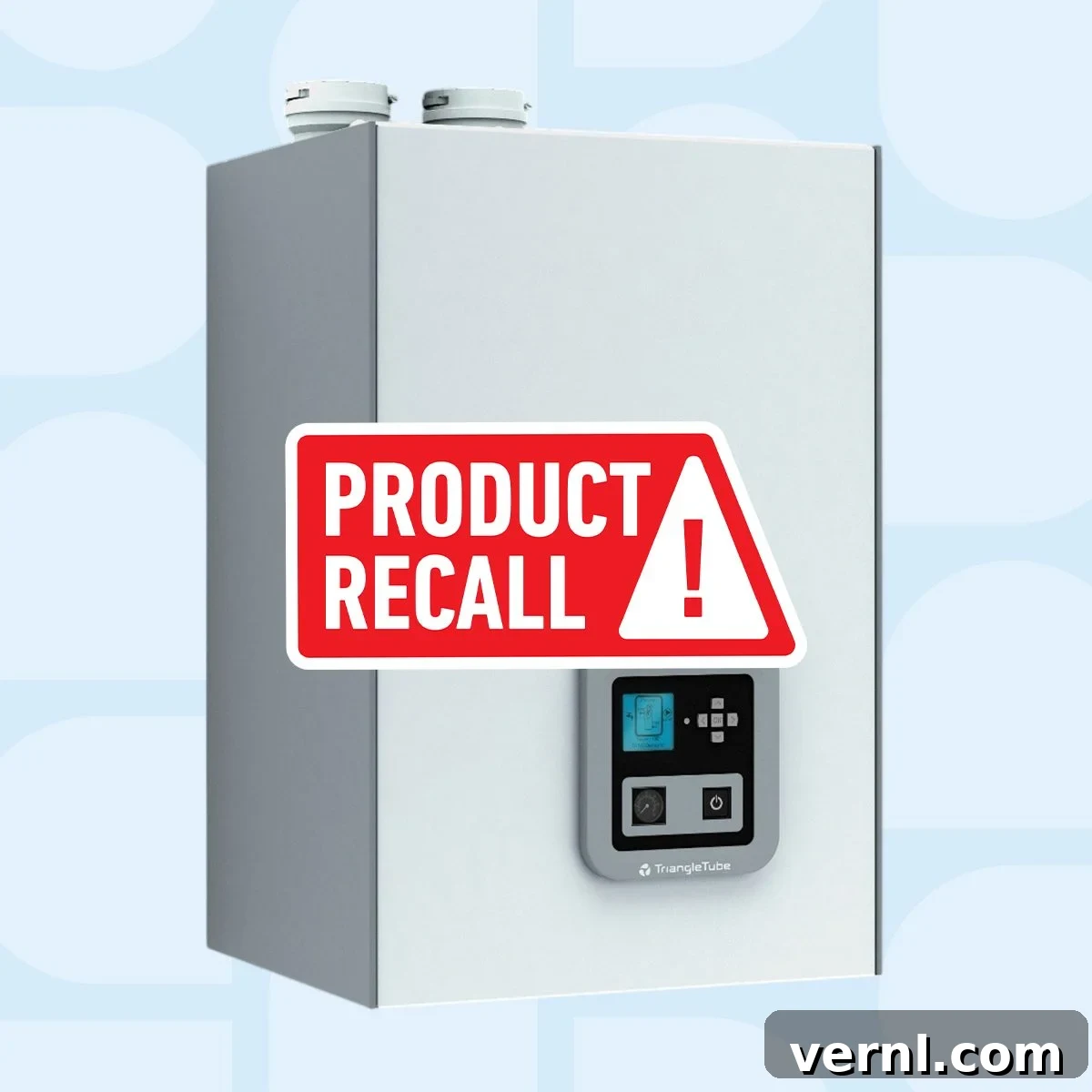
In light of this ever-present danger, homeowners with Triangle Tube gas boilers must pay immediate attention to a recent, critical safety recall. This recall impacts specific models of Triangle Tube boilers due to a serious defect that could lead to the release of carbon monoxide into homes. This is not merely a precautionary measure; it’s a direct response to reported incidents, including fatalities. Understanding the specifics of this recall and taking prompt action is absolutely essential for safeguarding your family’s health and safety. Read on to learn which boilers are affected, the inherent risks, and the vital steps you need to take if you own one of the recalled units.
Urgent: Which Triangle Tube Boilers Are Included in the Recall?
The Consumer Product Safety Commission (CPSC) has issued a comprehensive brief detailing the affected units. This recall specifically targets several models of Triangle Tube’s condensing gas boilers. If you own a Triangle Tube Prestige Solo, Prestige Excellence, or Aerco Esteem boiler, it is imperative that you identify its manufacturing date and serial number immediately. The recall encompasses units manufactured between December 2011 and April 2019, representing a significant period of production and potentially affecting tens of thousands of homes across the country. An estimated 60,000 units are included in this crucial safety alert, highlighting the broad scope of the potential risk.
To determine if your specific boiler falls under this recall, you will need to locate the model and serial number on your unit. These can typically be found on a data plate or label attached to the boiler’s casing. Once you have this information, compare it against the list below. It is critical to perform this check carefully, as even a slight variation could mean the difference between a safe home and a potential hazard. Below, you can find the serial numbers of all the models specifically identified as part of this recall:
- Prestige Solo
- PA044936
- PA045337
- PA044728
- PA044768
- PA045398
- PA045420
- PA044058
- PT0000110
- PTA002845
- PT0000928
- PTA002645
- PT0002849
- PTA003087
- PT0002588
- PTA003207
- PT0005962
- PTA003388
- PT0010893
- PTA003496
- PT0002188
- PTA002810
- Prestige Excellence
- PT0001588
- PTE030446
- PT000568
- PTA002889
- PTE049177
- PEA078169
- Aerco Esteem
- AE1100
- AE1237
Understanding the Model and Serial Number: Your Key to Identification
The serial number is a unique identifier for your specific boiler unit. It often contains information about the manufacturing plant, batch, and production date. The model name, such as Prestige Solo, defines the series or type of boiler. Both pieces of information are crucial for cross-referencing against the recall list. If you are uncertain about locating these details on your boiler, consult your owner’s manual or consider contacting a qualified HVAC professional for assistance. Do not operate your boiler if you suspect it might be affected and you are unable to verify its status.
Why Are These Triangle Tube Boilers Being Recalled? The Root Cause of the CO Threat
The reason behind this urgent recall is profoundly serious: these specific gas boilers have been identified to potentially release carbon monoxide. This hazardous release stems from critical operational flaws or component damage. Specifically, the recall brief highlights issues such as “delayed ignitions” or “component damage.” In simple terms, these defects can disrupt the proper combustion process within the boiler. When natural gas or propane does not burn completely, it produces carbon monoxide instead of relatively harmless carbon dioxide. Furthermore, issues like damaged components could lead to the improper venting of combustion gases, allowing CO to escape into living spaces instead of being safely exhausted outside.
The consequences of such a defect are not to be underestimated. The CPSC brief clearly states that this poses a “risk of serious injury or death.” This isn’t theoretical; Triangle Tube has tragically reported that two individuals have died due to carbon monoxide poisoning directly associated with these boilers. In addition to these fatalities, there have been 25 other reports of CO leaks from the recalled units. These real-world incidents underscore the immediate and grave danger these defective boilers present to occupants. The presence of CO in a home, even at low levels over an extended period, can lead to chronic health issues, while higher concentrations can cause rapid incapacitation, brain damage, and death. Therefore, identifying and addressing an affected boiler is not merely a recommendation but a life-saving imperative.
Recognizing the Silent Killer: Symptoms of Carbon Monoxide Poisoning
Because carbon monoxide is imperceptible to human senses, its symptoms are often mistaken for common illnesses like the flu. Recognizing these signs is vital:
- Mild Exposure: Headache, dizziness, nausea, fatigue, shortness of breath.
- Medium Exposure: Severe headache, vomiting, disorientation, fainting, chest pain.
- Extreme Exposure: Loss of consciousness, convulsions, coma, and ultimately, death.
If you or anyone in your household experiences these symptoms, particularly when multiple people feel unwell simultaneously or symptoms improve when you leave the house, immediately seek fresh air and medical attention. Do not dismiss these signs, especially if you have a recalled boiler or suspect a CO leak.
What To Do Immediately If You Own a Recalled Triangle Tube Boiler
If you have identified your Triangle Tube boiler as one of the recalled models, immediate action is paramount. Do not delay. Your prompt response is crucial for the safety of everyone in your home. Triangle Tube has established a clear process for addressing this safety issue, and adhering to it is the best way to resolve the problem effectively and safely.
Step-by-Step Guide for Affected Homeowners:
- Verify Your Boiler: Double-check your boiler’s model name, manufacturing date (between December 2011 and April 2019), and serial number against the list provided above. This confirmation is the first critical step.
- Contact Triangle Tube Immediately: As soon as you confirm your boiler is part of the recall, you must contact Triangle Tube’s customer service. They are prepared to schedule an inspection of your unit. You can reach them by calling 877-574-5036. Alternatively, you can send an email to [email protected] to initiate the process. Be prepared to provide your boiler’s details and your contact information.
- Schedule Your Inspection and Potential Replacement: Triangle Tube will arrange for a qualified service technician to inspect your boiler. If the inspection confirms that your unit is affected by the defect, Triangle Tube will arrange for the installation of a brand new, safe boiler, completely free of charge. This includes the cost of the unit and its installation.
- Prioritize Carbon Monoxide Detector Installation and Maintenance: Given the severe risks, Triangle Tube strongly urges anyone using one of the recalled boilers to ensure they have functioning carbon monoxide detectors installed throughout their home. This means having detectors on each level of your home, including the basement, and specifically outside all sleeping areas. CO detectors serve as your primary early warning system against this invisible threat.
- Request a Free CO Detector (If Needed): If you do not currently own adequate CO detectors, Triangle Tube is offering to ship one to you free of charge. Do not hesitate to take advantage of this offer; it’s an essential safety net that can save lives while you await your boiler inspection or replacement.
While awaiting your inspection or replacement, maintain heightened awareness. If your CO detector alarms, or if you suspect any symptoms of CO poisoning, evacuate your home immediately and call 911 or your local emergency services from a safe location. Do not re-enter until emergency personnel have deemed it safe.
Beyond the Recall: Comprehensive Carbon Monoxide Safety for Your Home
This Triangle Tube boiler recall serves as a stark reminder of the ongoing need for vigilant home safety, particularly concerning fuel-burning appliances. While addressing the immediate concern of a recalled boiler is crucial, it’s also an opportune moment to review and reinforce your overall carbon monoxide prevention strategy.
Key Best Practices for CO Safety:
- Annual Professional Inspections: Schedule annual maintenance and inspection for all fuel-burning appliances in your home, including your furnace, water heater, gas stove, dryer, and fireplace. A qualified HVAC technician can identify potential issues before they become dangerous CO leaks.
- Strategic CO Detector Placement: Install CO detectors on every level of your home, including the basement, and specifically near or inside all sleeping areas. Test them monthly and replace batteries annually, or as recommended by the manufacturer. Replace the entire unit every 5-7 years, as their sensors degrade over time.
- Proper Ventilation: Ensure that all vents and flues for fuel-burning appliances are clear and unobstructed. Never block an exhaust vent. Ensure proper airflow for combustion appliances.
- Never Use Indoor Generators or Grills: Generators, charcoal grills, propane stoves, and other fuel-burning equipment should never be used inside homes, garages, basements, or any enclosed or partially enclosed area. They produce extremely high levels of carbon monoxide.
- Maintain Clear Exhaust Vents: Routinely check that outdoor exhaust vents for your dryer, furnace, and water heater are free from snow, ice, leaves, or any other obstructions.
- Educate Your Household: Ensure every member of your family, especially children, knows what a CO detector alarm sounds like and what to do if it goes off (evacuate immediately and call for help).
By taking proactive steps, both in response to this specific recall and as part of a general home safety regimen, you can significantly mitigate the risk of carbon monoxide poisoning. Your family’s safety is paramount, and being informed and prepared is your best defense against this silent, deadly threat.
Sources
CPSC.org: “Triangle Tube Recalls Prestige and Aerco Esteem Gas Boilers Due to Carbon Monoxide (CO) Poisoning Hazard; Two Deaths Reported” (2025)
NIH.org: “Carbon monoxide poisoning mortality in the United States from 2015-2021” (2024)