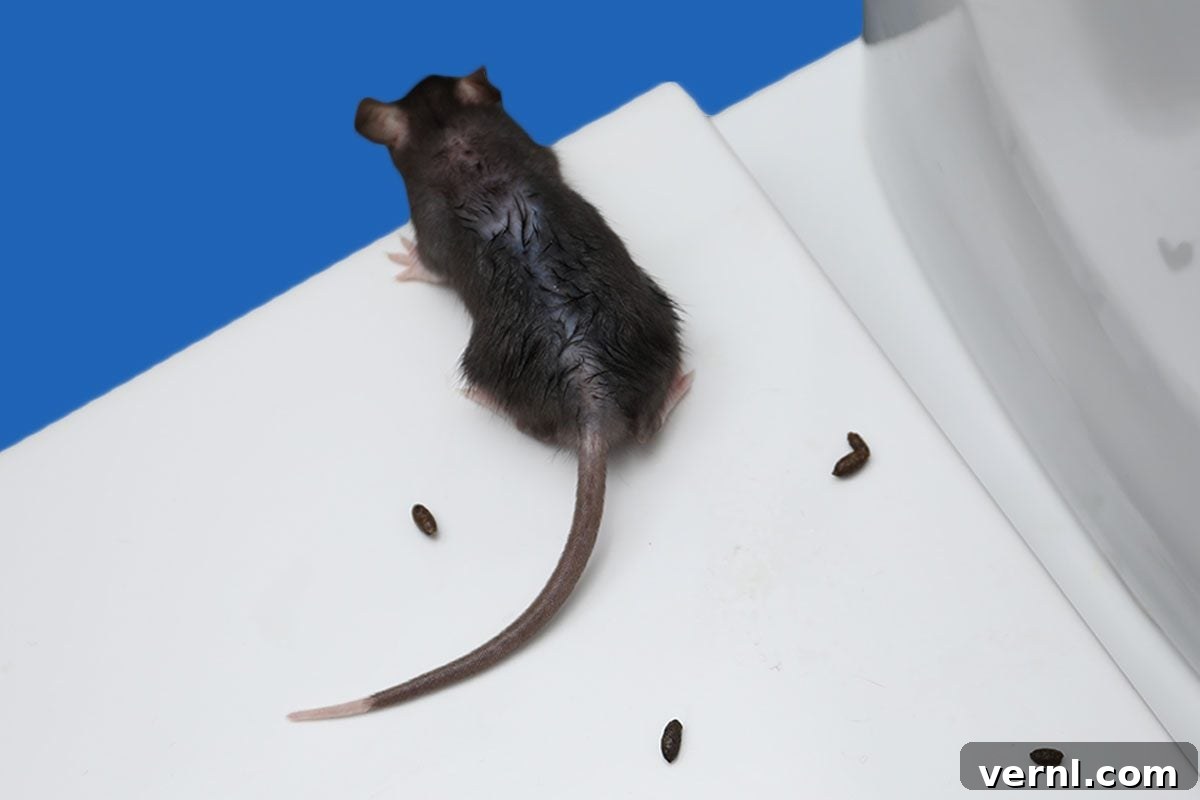
Yes, there is a wrong way to clean up mouse droppings, and unfortunately it’s the method most people instinctively choose. When droppings appear in a closet, drawer or basement corner, many reach for a broom or vacuum. Pest control expert Kyle Turner warns that “sweeping or vacuuming is the worst thing you can do.”
This article explains why sweeping or vacuuming is risky, what hazards rodent droppings pose, and the safest way to clean them up. The correct method requires care and patience, but it greatly reduces the risk of airborne contamination.
Diseases Linked to Rodent Waste
Rats and mice helped spread plague historically by carrying infected fleas, but they can also transmit other dangerous pathogens directly through their droppings and urine. Bacterial illnesses such as salmonellosis and leptospirosis, and viral infections like lymphocytic choriomeningitis (LCM) and hantavirus, have all been associated with rodent contamination.
Hantavirus is especially serious. According to the CDC, a substantial portion of people who develop severe Hantavirus Pulmonary Syndrome (HPS) die from the illness. Symptoms include coughing, shortness of breath and chest tightness, and the virus can be transmitted by inhaling dust contaminated with dried rodent droppings or urine.
Why Sweeping or Vacuuming Mouse Droppings Is a Bad Idea
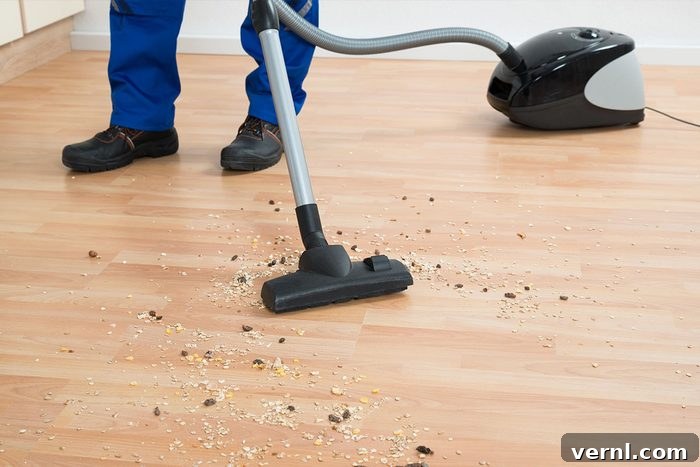
Sweeping or vacuuming dry droppings agitates dust that may contain infectious particles. “Hantavirus spreads through inhalation of contaminated dust, and it’s not something to mess around with,” Turner warns. The risk isn’t limited to droppings—dried urine and tiny nesting materials can become airborne when disturbed. These fine particles are easy to inhale, increasing the chance of infection.
Safe Cleanup Steps
Ventilate the area
First, ventilate the space for at least 30 minutes before cleaning. Open windows and doors to create cross-ventilation. If you use a fan, run it on low to avoid stirring up dust.
Use proper protective gear
Wear gloves and a mask throughout the cleanup process to reduce direct contact and inhalation of contaminated particles.
Saturate the droppings
Soak droppings with a disinfectant before touching them. The CDC recommends using a preferred disinfectant cleaner; a simple and effective option is a 10:1 bleach solution (10 parts water to 1 part bleach). Spraying or wetting the area helps prevent dust from becoming airborne.
Wipe instead of sweeping
Allow the disinfectant to soak in, then wipe up droppings and any visible urine trails with paper towels. Be sure to clean surrounding areas where rodents may have traveled or nested.
Disinfect
After removing material, spray the area and surrounding surfaces with your disinfectant or the bleach solution and let it sit for the recommended contact time to ensure effective disinfection.
When DIY Cleanup Is Not Enough
Removing droppings is only one part of addressing a rodent problem—you must eliminate the rodents themselves. If trapping and exclusion efforts aren’t working or the infestation seems extensive, contact a pest control professional for help. Before calling a pro, consider basic mouse control steps such as sealing entry points and removing attractants.
FAQ
What qualifies as an infestation?
Seeing a live mouse is a strong indication there are more. Even without a sighting, multiple droppings in different locations, gnawed materials and noises inside walls or ceilings are signs of an infestation.
How can I keep mice from returning to my home?
Reduce what attracts rodents: clean eating areas thoroughly, store food in sealed containers, and seal holes and gaps in foundations, walls and baseboards. Mice can squeeze through surprisingly small openings—about the size of a dime—so inspect and seal even modest gaps.
About the Expert
- Kyle Turner is the Founder, President, and CEO of Pro Active Pest Control, based in Rancho Cordova, CA.
Sources
- Centers for Disease Control and Prevention (CDC): How Plague Spreads (2024)
- CDC: About Hantavirus (2024)
- CDC: How to Clean Up After Rodents (2024)
- PCI Pest Control: What Size Hole Can a Mouse or Rat Fit Through? Entry Points to Seal (2026)
Related:
- How To Get Rid of Pet Hair in Your Home
- 5 Tips for Getting Dog Smell Out of Your House
- How To Clean a Dog Bed