
When my wife and I began renovating our fixer-upper, we assumed the large, expensive updates would be the biggest selling points when it came time to sell. While major projects mattered, some of the most memorable and value-adding changes were simpler and more functional than we expected. Those updates made daily life better while we lived in the house and helped buyers easily imagine themselves living there.
Looking back, several targeted improvements had outsize impact. Some were major structural changes, others were modest upgrades or clever storage solutions. Together they made the home feel complete, usable, and move-in ready—qualities buyers consistently praise.
Improved Floor Plan
The single biggest transformation in our renovation was opening up the main living area. We removed walls between the kitchen, dining room, and living room to create a more open, cohesive layout. The change made the home feel larger and more functional—when you walked in the front door you could see all the way through to the backyard, which created an immediate sense of space and flow.
Renovations like new kitchens and bathrooms are easy for buyers to picture, but it’s harder for most people to imagine the potential that comes from changing a home’s layout. If you’re planning a full renovation, consider the home’s traffic patterns and sightlines first: improving flow often yields a strong return in terms of livability and appeal.
Added Storage
Storage is a universal need. Whether buyers are singles, families, or downsizers, they immediately start thinking about where they’ll store linens, holiday decorations, outdoor gear, and everyday items. A lack of storage can be a dealbreaker.
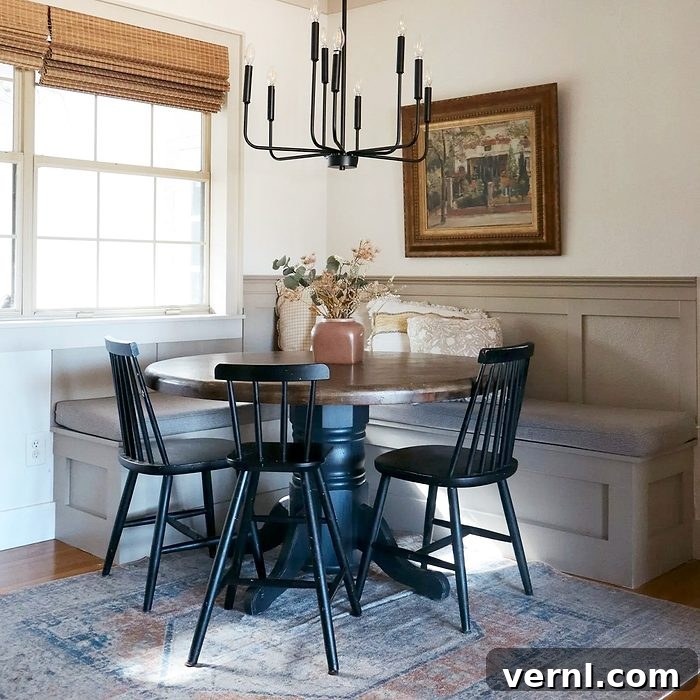
We addressed that by building practical, attractive solutions: a custom dining bench with hidden storage that added seating and stashed bulky items, and built-in shelving in the playroom to organize toys and crafts. Even modest storage enhancements—closet organizers, pantry pull-outs, or under-stair cubbies—make a home feel more functional and organized, which appeals to buyers.
The Little Things
Kitchens and bathrooms often sell homes, but you don’t always need a full gut renovation to impress buyers. Small, thoughtful upgrades can stand out more than luxurious finishes.
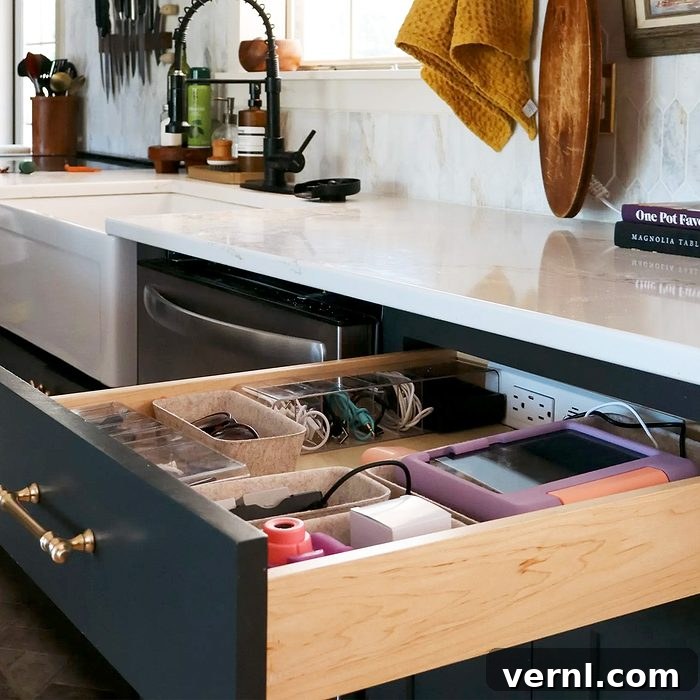
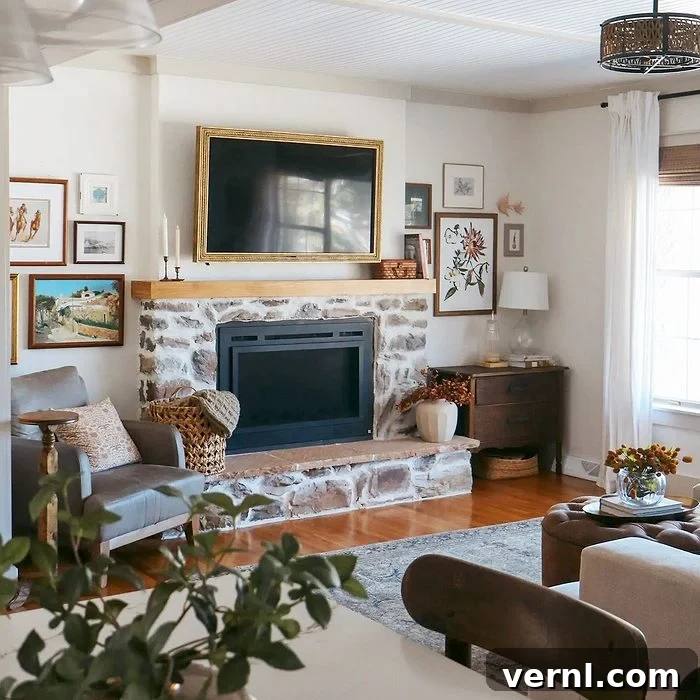
Simple additions earned repeated compliments during showings. We installed a bottle rinser in the sink that elevated the kitchen’s convenience and feel, and we built a DIY TV frame in the living room that looked custom and intentional without costing a lot. Other small but effective upgrades include pop-up countertop outlets, pull-out trash and recycling bins, smart dimmers or switches, and hidden charging drawers. These features are practical and can feel like “cool” bonuses that stick in buyers’ minds.
What Didn’t Matter (And What I’d Do Differently)
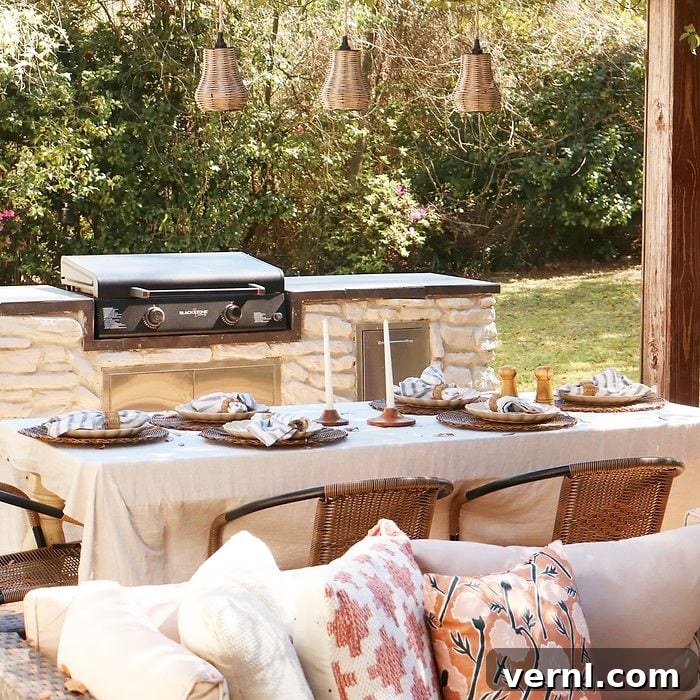
If I could start over, I’d invest less time and money in a few high-end finishes that buyers barely noticed. While these details helped us achieve a cohesive look we loved, they rarely motivated purchases or second visits. Expensive outdoor projects like our outdoor kitchen also didn’t deliver the resale value we expected, despite the enjoyment they provided while we lived there. Likewise, major curb appeal efforts were time-consuming and didn’t return the same value as interior improvements that enhanced daily living.
That said, I don’t regret those projects—they improved our quality of life while we owned the house. If your priority is maximizing resale value, research local market preferences and ROI for different projects. But remember that buyers are looking for a home where they can imagine living easily. Renovations that brighten the space, improve flow, add storage, and make the home feel move-in ready tend to resonate the most.
Ultimately, the most effective improvements are the ones that make daily life simpler and more pleasant. If a project improves your everyday experience, the next owner will likely appreciate the same benefits.
RELATED:
- The Real Reason Aluminum Foil Has a Shiny Side and a Dull Side
- Think Adirondack Chairs Are Uncomfortable? You’re Using Them Wrong
- Why You Shouldn’t Crush Aluminum Cans Before Recycling