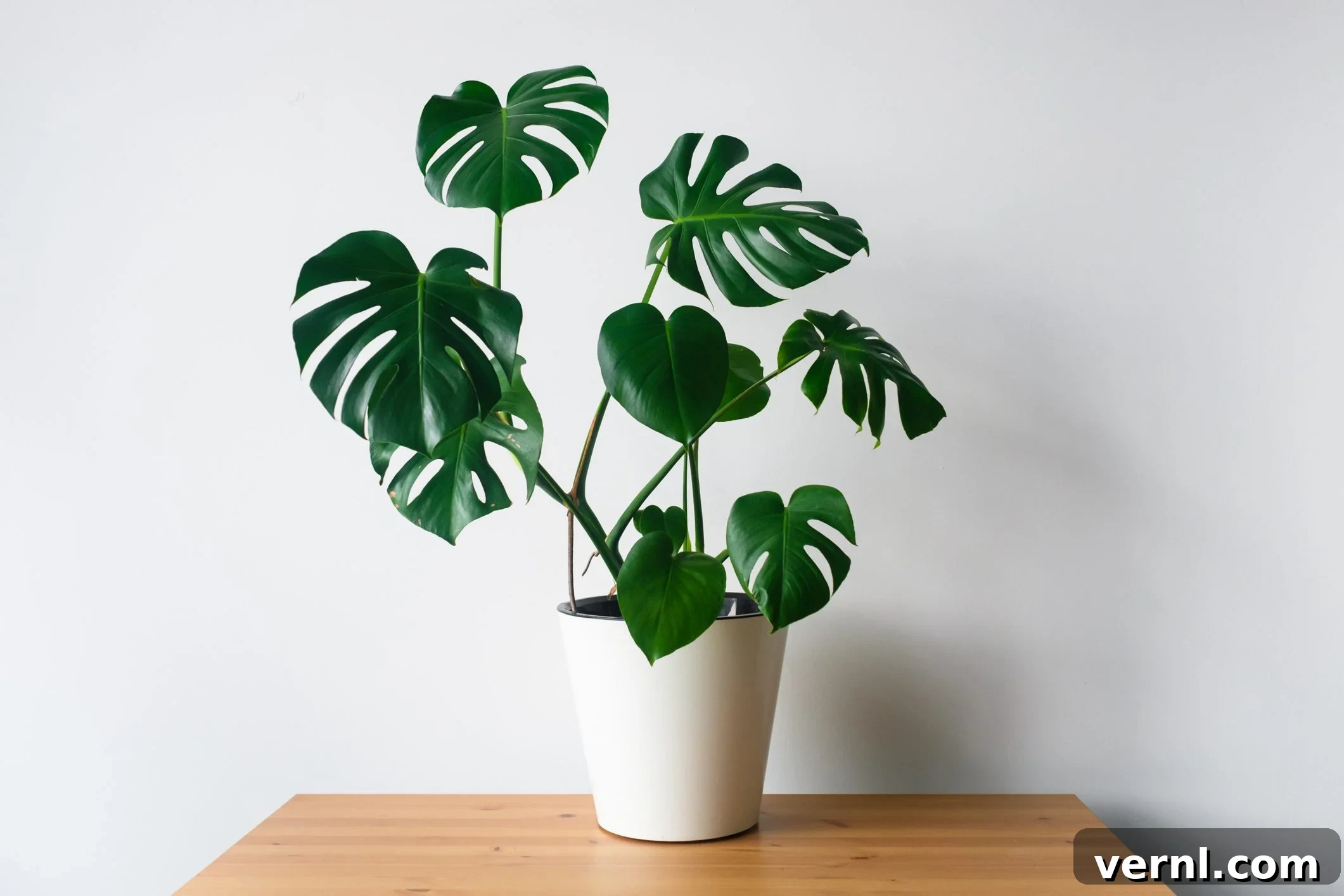
Mastering Houseplant Care: From Novice to Green Thumb with Confidence and “Plant Insurance”
Bringing the calming beauty and vibrant energy of nature into your home is one of the most rewarding aspects of cultivating houseplants. These living decor elements not only purify the air and enhance aesthetics but also contribute significantly to mental well-being. However, for many aspiring plant parents, the journey from a lush, thriving specimen to an unsightly, withered weed can be dishearteningly swift. The fear of failure, often stemming from a lack of knowledge or experience, frequently deters individuals from embracing the joy of indoor gardening.
The common narrative often involves new plants quickly transforming from hopeful green additions into dried up and dead within a few weeks. This struggle highlights a significant gap for beginners: accessible, personalized support when their green companions start to falter. But what if a revolutionary approach could transform this anxiety into confidence, empowering even the most self-proclaimed “black thumbs” to succeed?
Enter “Horti,” an innovative houseplant subscription service that is redefining the landscape of indoor gardening support by introducing a groundbreaking concept: “plant insurance.” This unique offering aims to alleviate the stress of plant care, providing a safety net and expert guidance to ensure your houseplants not only survive but truly thrive under your care.
Horti’s Plant Insurance: A Safety Net for Every Plant Parent
Horti’s plant insurance plans are meticulously designed to cater to different levels of need and commitment, providing a spectrum of support for every houseplant enthusiast. This novel approach acknowledges the emotional investment involved in plant care and offers tangible solutions to common challenges.
The Plant Reassurance Plan: Personalized Preventative Care for Any Houseplant
For just $4.99 per month, Horti offers its comprehensive Plant Reassurance Plan, a flexible solution that covers any houseplant in the U.S., regardless of where it was purchased. This plan is ideal for individuals seeking proactive advice and immediate support for their existing collection or new acquisitions. Subscribers gain access to “preventative care and personalized advice at your fingertips about any plant.”
The process is remarkably straightforward: simply send images of your wilting or struggling houseplants to Horti. Their team of plant experts provides a precise diagnosis of the issue and offers tailored tips and actionable steps on how to restore your plant to its full, vibrant health. This invaluable resource acts as a constant companion, guiding you through common problems like yellowing leaves, drooping stems, or pest infestations, ensuring you have the knowledge to intervene effectively before it’s too late.
The Plant Resurrection Plan: Comprehensive Coverage and Replacements for Horti Plants
Stepping up the level of protection, the Plant Resurrection Plan, priced at $9.99 a month, offers an even more robust safety net. This premium plan is exclusively for houseplants purchased directly through Horti, which ships its curated selection of plants nationwide. It encompasses all the preventative care and personalized advice included in the Plant Reassurance Plan, providing an end-to-end support system.
What sets the Plant Resurrection Plan apart is Horti’s bold promise: they will replace any plant that cannot be saved, “despite our guidance and your best efforts.” This guarantee provides unparalleled peace of mind, especially for those investing in rarer, more expensive, or simply beloved plants. It transforms the learning curve of plant ownership from a daunting challenge into a confident exploration, knowing that your investment is protected.
Puneet Sabharwal, Horti founder and CEO, eloquently captures the essence of their mission: “Instead of feeling nervous when bringing a new houseplant home or helpless when leaves start to brown, we want people to feel confident and hopeful as they begin to understand their nature for nurture. At Horti, we believe that indoor plants are the opposite of throw-away culture — they’re long-term relationships. These plans are designed to help our community feel confident to foster those connections for years to come.” This philosophy underpins Horti’s commitment to fostering enduring relationships between people and their plants, moving away from a disposable mindset towards sustainable and rewarding plant care.
While plant insurance plans like these might not be necessary for seasoned horticulturists with years of experience, they represent a significant breakthrough for beginners or those seeking an extra layer of assurance. If you’re a novice horticulturist eager to enhance your home décor with living greenery, a little insurance could prove to be an invaluable asset as you embark on the rewarding journey of mastering houseplant care.
Essential Houseplant Care Basics for Thriving Indoor Gardens
Beyond the innovative solutions offered by Horti, understanding fundamental houseplant care practices is paramount for ensuring the long-term health and beauty of your indoor garden. Applying best practices significantly increases the chances that the time, energy, and financial investment you dedicate to your houseplant collection will yield lush, flourishing results.
Anup Mutalik, founder and chief editor at HouseplantsNook, a respected resource in the plant community, shares invaluable basic plant care tips that form the bedrock of successful indoor gardening:
- Mastering the Art of Watering: Avoid Overwatering at All Costs. “Overwatering is the number one killer,” cautions Mutalik, a sentiment echoed by countless plant experts. Excessive watering suffocates plant roots, leading to root rot—a condition that can quickly become fatal. Instead of adhering to a rigid watering schedule, Mutalik advises a more intuitive approach: regularly lift the pot to gauge its weight. A light pot typically indicates a need for water. Complement this with the “finger test”: insert your finger one to two inches deep into the soil. If it feels dry at that depth, it’s likely time to water. Remember, it’s generally better to underwater slightly than to overwater.
- Understanding Light Requirements: A Critical Factor. “Lighting is the most misunderstood part of plant care,” Mutalik asserts, highlighting its crucial role. Most indoor plants thrive in bright, indirect light, meaning they appreciate plenty of ambient brightness without direct, scorching sun exposure. Positioning plants closer to a window, where they receive filtered light, is often ideal. For spaces lacking natural light, supplementing with specialized grow lights can provide the necessary spectrum for healthy growth. Pay attention to your plant’s leaves; scorched leaves indicate too much direct light, while leggy growth and pale foliage often signal insufficient light.
- Weekly Plant Inspection: A Proactive Approach. Beyond just checking for water needs, dedicate a few minutes each week to a thorough inspection of your plants. This routine check is vital for early detection of potential issues. Look for yellowing leaves, which can indicate overwatering, nutrient deficiencies, or pest problems. Carefully examine both the tops and undersides of leaves, as well as the soil surface, for any signs of pests such as tiny insects, sticky residues, or webbing. Also, observe how light conditions might be shifting with the changing seasons and adjust plant placement accordingly to maintain optimal light exposure.
Best Practices for Preventing Common Houseplant Issues
Anup Mutalik, whose Brooklyn-based community home cares for hundreds of houseplants, offers his top, actionable suggestions for preventing common plant issues. These tips are universally applicable, regardless of where you acquire your plants, your level of experience, or the specific plant varieties in your collection.
- Quarantine New Plants: Your First Line of Defense. The single most effective step to protect your existing plant collection is to quarantine any new arrivals. By keeping new plants isolated from your current houseplants for a few weeks, you significantly reduce the risk of introducing pests or diseases from the nursery or shop into your home. “Any time we bring home a new plant — whether from a boutique shop or a major retailer — we keep it in a separate room for three weeks,” Mutalik explains. During this crucial period, he recommends diligent inspection of the leaves and stems, perhaps even with a magnifying glass, to catch any lurking pests like spider mites, mealybugs, or thrips before they can spread.
- Clean Leaves Monthly: Boost Photosynthesis and Deter Pests. Regular leaf cleaning isn’t merely for aesthetic appeal; it’s a vital part of plant health maintenance. Dust accumulation on leaves can block light, reducing the plant’s ability to photosynthesize efficiently. Furthermore, a dusty environment creates ideal conditions for common pests like spider mites to thrive. Mutalik suggests cleaning leaves monthly with a soft microfiber cloth dampened with distilled water mixed with a few drops of neem oil. Neem oil acts as a natural insecticide and fungicide, providing an extra layer of protection against various plant ailments.
- Rotate Plants Regularly: Promote Even, Robust Growth. Plants naturally grow towards light sources, a phenomenon known as phototropism. Without regular rotation, your plants can develop a lopsided, uneven growth pattern, leading to weak stems on the side facing away from the light. “We rotate every plant by about 45 degrees every two weeks. This keeps growth even and encourages a stronger, more symmetrical structure,” Mutalik shares. Consistent rotation ensures all parts of the plant receive adequate light, fostering balanced and healthy development.
- Fertilize Conservatively: Nurture, Don’t Overwhelm. Fertilization provides essential nutrients that houseplants need for robust growth, especially during their active growing seasons (typically spring and summer). However, over-fertilizing is a common mistake that can lead to “fertilizer burn,” damaging the plant’s roots and foliage. Mutalik advises a conservative approach: “half strength, half as often as the label says.” Always dilute liquid fertilizers and avoid fertilizing dormant or stressed plants. Observe your plant’s growth; signs of nutrient deficiency include pale leaves or stunted growth, while crispy leaf edges or white crust on the soil can indicate over-fertilization.
- Repot Proactively: Give Roots Room to Grow. Waiting until your plants are severely root-bound (when roots are tightly circling the inside of the pot) before repotting can stress them and stunt their growth. Instead, Mutalik advocates for proactive repotting. Inspect your plants at least every 6 months to a year by gently sliding them out of their pots. If you see roots beginning to circle the bottom or emerging from drainage holes, it’s time to repot. “We repot into a container about two inches wider than the previous one,” Mutalik notes, emphasizing that a slight increase in pot size prevents overwatering and gives the roots ample space to expand into fresh, nutrient-rich soil.
Frequently Asked Questions About Houseplant Care and Insurance
Is plant insurance worth it for experienced plant owners?
Plant insurance can certainly be worth it for experienced plant owners, especially if their collection includes expensive, rare, or particularly challenging-to-care-for plants. For example, if a seasoned plant enthusiast collects exotic varieties, invests in large specimen houseplants, or maintains a sizable collection that could be significantly impacted by a widespread pest infestation or disease, plant insurance offers a valuable layer of financial protection and expert support. It’s about protecting a significant investment and passion.
Can I use plant insurance for any plant I purchase?
Yes, Horti’s Plant Reassurance program is designed to be highly flexible, offering preventive care and personalized advice for any houseplant you own, regardless of its original purchase location. This makes it an excellent choice for individuals who have an existing collection or frequently buy plants from various vendors. However, it’s important to note that this specific plan focuses on guidance and advice and does not include plant replacement.
How do I know if I need plant insurance for my houseplants?
Determining whether you need plant insurance for your houseplants is a personal decision based on several factors. If you are a novice plant owner who often feels overwhelmed or fearful of losing your plants due to inexperience, plant insurance can provide invaluable peace of mind and structured learning. Similarly, if you own expensive plants (such as exotic species or large, mature specimens) or have a significant emotional attachment to your collection, the protective aspect of insurance becomes highly appealing. Some plant insurance companies also offer continuous plant support, which serves as a crucial cushion, empowering many plant owners to gain confidence and experience without the looming fear of permanent loss.
About Our Expert: Anup Mutalik
Anup Mutalik is the founder and chief editor at HouseplantsNook, a Brooklyn-based community home that meticulously cares for hundreds of houseplants. He is a recognized authority in indoor plant care, specializing in practical low-light gardening techniques and seamlessly integrating plants into home wellness and decor strategies. Mutalik is deeply passionate about making plant care accessible, stylish, and sustainable for everyone, sharing trusted tips and insights that resonate with both novice and experienced plant lovers alike. His expertise empowers countless individuals to cultivate healthier, happier indoor gardens.