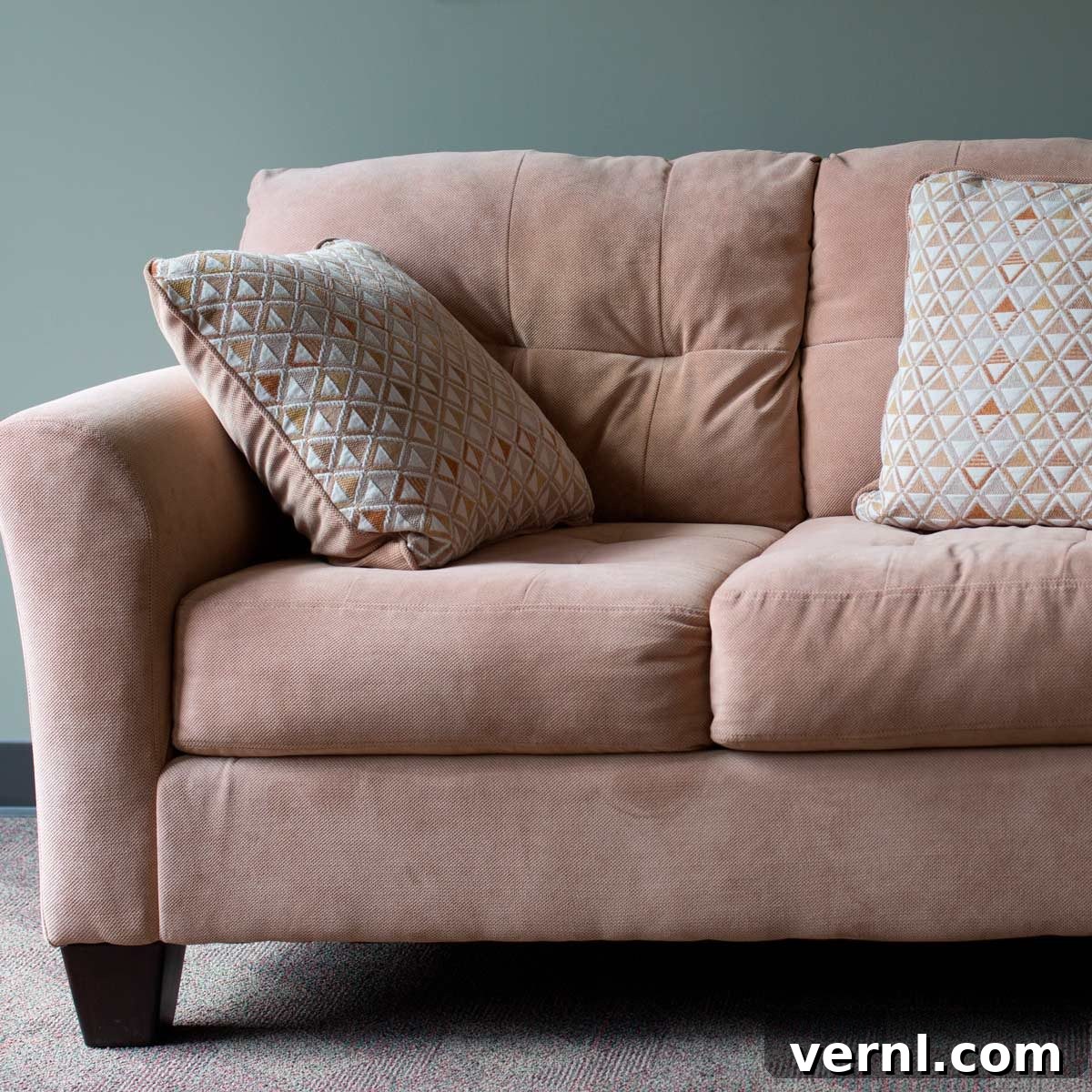
The inviting softness and durable nature of a microfiber couch make it a popular choice for many homes. Yet, even the most resilient fabrics are not immune to life’s little mishaps. From spilled juice and greasy popcorn to the inevitable smudges of daily life, your microfiber sofa can quickly accumulate an array of unsightly stains. But before you despair, take heart! Microfiber is renowned for its easy-to-clean properties, making stain removal a far less daunting task than you might imagine. This comprehensive guide will walk you through everything you need to know to effectively clean your microfiber couch, restoring its beauty and extending its lifespan.
Decoding Your Couch: The Essential Fabric Care Tag
Before embarking on any cleaning adventure, the absolute first step is to locate and thoroughly examine your couch’s fabric care tag. This small but mighty label holds crucial information that dictates the appropriate cleaning method for your specific upholstery. Ignoring these codes can lead to irreversible damage, so understanding them is paramount.
The care tag typically features a cleaning code that serves as your guide:
- W: Water-Based Cleaners Only
If your tag displays a “W,” it signifies that your microfiber fabric is safe to clean with water-based solutions. This means you can use distilled water, mild detergents mixed with water, or specialized upholstery cleaners designed for water-safe fabrics. Always opt for distilled water to avoid mineral deposits or water rings that can occur with tap water, especially in hard water areas. Test any solution on an inconspicuous spot first. - S: Solvent-Based Cleaners Only
An “S” code indicates that your microfiber requires solvent-based cleaners. Water can cause damage, leave unsightly water rings, or alter the fabric’s texture. For “S” coded microfiber, rubbing alcohol (isopropyl alcohol) is often the go-to solution, as it evaporates quickly and effectively breaks down oils and grime without leaving residue. Dry-cleaning solvents can also be used, but always ensure proper ventilation and test in a hidden area. - SW: Solvent or Water-Based Cleaners
The “SW” code offers the most versatility, allowing you to use either water-based or solvent-based cleaning solutions. This flexibility is a bonus, but it’s still wise to test your chosen cleaner on an hidden section of the couch to ensure no adverse reactions. This code is often found on more robust microfiber blends. - X: Vacuum or Light Brushing Only
If you find an “X” on your care tag, it means you should not use any liquid cleaners, whether water-based or solvent-based. This type of microfiber is extremely delicate and should only be cleaned by vacuuming or light brushing to remove dirt and debris. For deeper cleaning or stubborn stains, professional upholstery cleaning is the only safe option.
Most modern microfiber upholstery is crafted from durable polyester fibers. These typically fall under the “S” cleaning code, meaning they respond best to solvent-based cleaners like rubbing alcohol. If your sofa lacks a care tag or if you’re unsure, it’s generally safest to proceed with caution and assume an “S” code, testing any cleaner in an inconspicuous area, or consult a professional.
Discover how to clean furniture effectively without resorting to harsh chemical cleaners.
General Maintenance: Keeping Your Microfiber Couch Spotless
Consistent care goes a long way in preventing stubborn stains and maintaining the pristine condition of your microfiber couch. Incorporating these simple habits into your routine can significantly reduce the need for intensive cleaning:
- Regular Vacuuming: Aim to vacuum your microfiber couch at least once a week, or more frequently if you have pets or high traffic. Use your vacuum cleaner’s upholstery attachment to thoroughly remove loose crumbs, pet hair, dust, and other dry debris that can get embedded in the fabric. This prevents dirt from becoming ground-in and harder to remove later.
- Immediate Spill Cleanup: The golden rule for any spill is to act fast. Microfiber’s tight weave makes it somewhat stain-resistant, but quick action is key. Blot, don’t rub, spills immediately with a clean, dry white cloth or paper towel. Rubbing can spread the stain and push it deeper into the fibers.
- Avoid Direct Sunlight: Prolonged exposure to direct sunlight can cause your microfiber fabric to fade over time. Position your couch away from windows or use curtains or blinds to protect it during peak sunlight hours.
- Rotate Cushions: To ensure even wear and tear, make a habit of flipping and rotating your couch cushions periodically. This helps maintain their shape and prevents specific areas from wearing out faster than others.
- Consider Fabric Protectors: For an extra layer of defense, you might consider applying a fabric protector specifically designed for microfiber. These products create an invisible barrier that repels liquids and stains, making cleanup even easier. Always test on a hidden area first and ensure the product is compatible with your couch’s cleaning code.
For a visual guide, many online resources offer video tutorials demonstrating effective microfiber couch cleaning techniques, showing you exactly how to tackle common spills and refresh your sofa’s look.
If you also own leather furniture, explore these natural products that can effectively clean leather.
The Ultimate Guide to Removing Stains from ‘S’ Coded Microfiber Couches
Once you’ve identified that your couch has an “S” cleaning code, you’re ready to deploy the secret weapon for microfiber cleaning: rubbing alcohol. This household staple works wonders on grease, grime, and most general stains by breaking down oils and evaporating quickly, leaving no water rings behind.
Supplies You’ll Need:
- Rubbing alcohol (isopropyl alcohol, at least 70%)
- Empty spray bottle
- Several clean, white microfiber cloths or terry cloths (colored cloths can transfer dye)
- Soft-bristled brush (a suede brush works perfectly, or a clean scrub brush with soft bristles)
- Vacuum cleaner with an upholstery attachment
- Optional: Hairdryer on a cool setting
Step-by-Step Stain Removal Process:
- Prepare the Area: Begin by thoroughly vacuuming the entire couch, paying close attention to stained areas, crevices, and armrests. This removes any loose dirt, dust, and crumbs that could turn into mud when wet.
- Apply the Alcohol: Fill your spray bottle with rubbing alcohol. Lightly mist the stained areas and any high-traffic spots like armrests, which tend to accumulate body oils and dirt. The goal is to dampen the fabric, not to soak it. For particularly stubborn spots, you can spray a bit more directly.
- Blot and Rub Away Stains: Immediately after spraying, use a clean, white cloth to blot and gently rub the stained areas. Work from the outside of the stain inwards to prevent spreading. As you lift the stain, you’ll notice the dirt transferring to your cloth. Continue to use clean sections of the cloth, or switch to a fresh one, until the stain is completely gone. The alcohol will dissolve the oils and grime, allowing you to wipe them away.
- Air Dry or Speed Dry: Allow the treated areas to air dry completely. Rubbing alcohol evaporates very quickly, so this shouldn’t take long. To speed up the process and minimize the chances of any slight rings, you can use a hairdryer on a cool or low-heat setting, keeping it moving constantly over the dampened area.
- Restore the Fabric’s Texture: After cleaning and drying, you might notice that the cleaned areas feel a bit stiff or have a slightly darker appearance compared to the rest of the couch. This is normal and occurs because the microfiber strands have flattened. To restore the fabric to its original soft and plush texture, use a soft-bristled brush. Gently brush the entire cleaned area in circular motions. This action will fluff up the fibers, bringing back that characteristic softness and uniform look of microfiber.
Rubbing alcohol is highly effective against common household stains like buttered popcorn grease, juice spills, and general dirt. Its quick-drying nature is a significant advantage, especially for ‘S’ coded fabrics where water is problematic.
Another common household challenge is ink. Learning how to effectively remove ink from clothes can also provide valuable insights for fabric care.
Before attempting to mix your own cleaning solutions, be aware of these 20 common household products you should never combine, as they can create dangerous reactions.
Conquering Water Stains on ‘S’ Coded Microfiber
Ironically, one of the trickiest stains to remove from an “S” coded microfiber couch can be water itself. If you’ve accidentally spilled water or used a water-based cleaner on an “S” code sofa, you might be left with an unsightly water ring or mark. This happens because water carries dissolved minerals and dirt, and as it dries, it leaves these deposits in a concentrated ring.
The Baby Wipe Method: A Surprising Solution
Fortunately, there’s a remarkably simple and effective fix for water stains on “S” coded microfiber: baby wipes! Their mild, pre-moistened, and quick-drying nature makes them ideal for this specific problem.
Step-by-Step Water Stain Removal:
- Gather Your Tools: You’ll need a pack of unscented baby wipes and several clean, dry white cloths. A hairdryer (on a cool setting) is also highly recommended.
- Dampen the Area: Take a baby wipe and gently dampen the entire water-stained area. Don’t just focus on the ring; extend slightly beyond it to blend the edges. The goal is to re-wet the area uniformly with a mild solution that will evaporate quickly.
- Rub and Blot: Immediately after dampening with the baby wipe, use a clean, dry white cloth to rub the area vigorously. The friction helps to lift the moisture and any remaining residue. Continue rubbing with fresh, dry sections of your cloth until the area feels almost dry to the touch.
- Speed Dry: This step is crucial for preventing a new water ring. Grab your hairdryer and set it to a cool or low-heat setting. Continuously move the hairdryer over the treated area, drying it as quickly and thoroughly as possible. The rapid evaporation prevents minerals and dirt from settling and forming a new ring.
- Fluff the Fibers: Once completely dry, use your soft-bristled brush to gently brush the area, restoring the nap and texture of the microfiber, just as you would after alcohol cleaning.
The key to success with water stains is to get the area damp enough to dissolve the old stain, then dry it incredibly quickly and evenly before new deposits can form. Baby wipes facilitate this by providing a gentle, controlled amount of moisture.
Psst! Discover 10 common household items that you’re probably not cleaning enough, and how to tackle them.
If your furniture collection includes suede, learn the best techniques for how to clean a suede couch and keep it looking its best.
Preventative Measures and Long-Term Care for Microfiber
While microfiber is remarkably resilient, a proactive approach to care can significantly extend its life and keep it looking fresh. Beyond regular cleaning, consider these preventative strategies:
- Use Slipcovers: For homes with young children, pets, or high-traffic areas, a washable slipcover can be a lifesaver. It provides an easily removable and cleanable barrier against spills and daily wear.
- Promptly Address Spills: We can’t stress this enough – immediate action on spills is your best defense against permanent stains. Keep a dedicated cleaning kit (rubbing alcohol, white cloths, brush) readily accessible for quick response.
- Regular Deep Cleaning: Even with regular spot cleaning, your microfiber couch will benefit from a deeper clean every 6-12 months. For ‘W’ or ‘SW’ codes, this might involve a gentle upholstery shampoo. For ‘S’ codes, a more thorough alcohol treatment over larger areas can refresh the fabric.
- Protect from Pets: If you have pets, consider pet blankets or throws on their favorite spots to minimize hair, dander, and potential scratches. Regular pet grooming also helps reduce shedding on your furniture.
When to Call a Professional Upholstery Cleaner
While DIY cleaning methods are highly effective for most common microfiber stains, there are instances when calling a professional is the wisest course of action:
- “X” Code Upholstery: As mentioned, fabrics with an “X” code should never be cleaned with liquids at home. Professionals have specialized dry-cleaning methods safe for these delicate materials.
- Widespread or Deeply Embedded Stains: If your entire couch is heavily soiled, or if stains are old, large, or deeply set into the padding, a professional can provide the deep extraction and specialized treatments necessary to fully restore it.
- Unknown Cleaning Code: If you cannot find a care tag or are unsure about your couch’s cleaning code, a professional assessment can prevent costly damage.
- Delicate or Antique Microfiber: Older or particularly delicate microfiber pieces might require a gentle touch that only experienced professionals can guarantee.
Enjoy Your Pristine Microfiber Couch!
Microfiber couches are a fantastic investment for any home, offering both comfort and practicality. With the right knowledge and tools, keeping them clean and fresh is a straightforward task. Always remember to check your care tag, act quickly on spills, and use the appropriate cleaning agents. By following these guidelines, you can ensure your microfiber sofa remains a beautiful, inviting, and stain-free centerpiece in your living space for years to come.